Weekly Newsletter:

August 13, 2025


Basic Principles of Injury Prevention for Caregivers


Over the last 3 years that DayBreak has been doing these newsletters, we have focused on many aspects of injury prevention for caregivers.


In my role here at DayBreak—as fall and injury prevention specialist and as a physical therapist with over 20 years working with older adults and certification in geriatric physical therapy—I have been using this newsletter and our webinars to give you a lot of good information to keep yourselves and your loved ones healthy and as able as possible.


Maybe it’s intuitive and obvious. But sometimes it’s important to refocus on what you already know you need to do.


So let’s do it again.

HERE ARE THE BASICS OF INJURY PREVENTION FOR CAREGIVERS:

1) How can the caregiver help without getting hurt themselves?

  • Good body mechanics for you. (Caregiver—CG)
  • Helping just enough, not too much. (Care Receiver—CR)

2) Protect your body—good body mechanics!  

  • How to protect your back when you are lifting. The basics.
  • Know yourself, your limits, and when you are tired, or it’s just too much weight.  


3) Helping enough and not too much.

  • Know your care recipient (CR). What can they still do?
  • Help them do what they can!
  • Takes some of the load off you and helps them stay as strong and able as they can.

THE BASICS OF LIFTING:


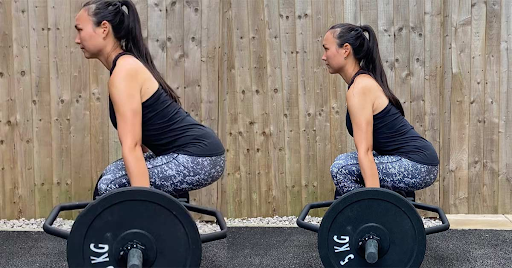
A picture is worth a thousand words

Right to the point…  


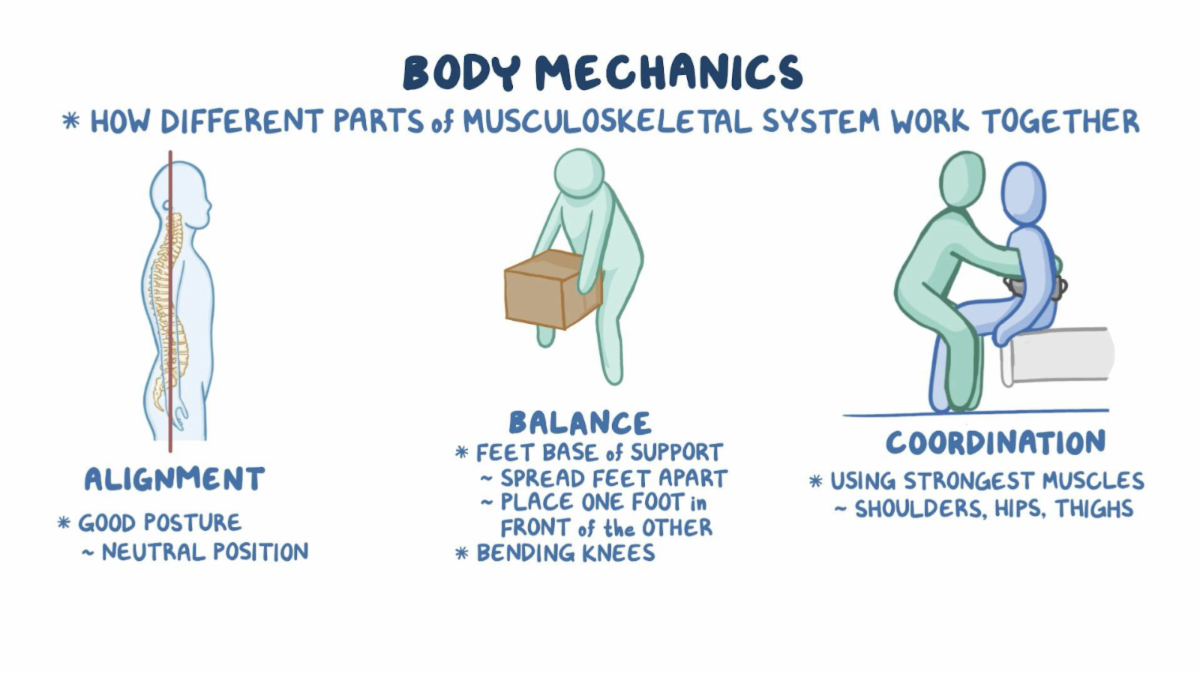
1) Good alignment: Good posture, neutral position, upright, no twisting, and maintaining normal lumbar lordosis. (see her nice flat back!)


2) Balance: To keep a neutral position with good posture, you need a stable base and don’t let your back twist—take a step instead of twisting if you need to reposition your body.  


3) Coordination: good posture, keep the “load” (the person you are lifting or trying to help) close to you, then lift (like a hug).

Know your care receiver today: How are they doing today? Make an assessment—sleepy, in pain, sluggish, happy to see you, and ready to go?


Know yourself, today: Are you tired? If you can, take care of yourself first! If you can’t, then focus and do what you have to do, and then take care of yourself.  


Position yourself so you have good lifting body mechanics. Wide enough base of support, good posture, close to care recipient as needed. (no, never twisting as you lift!)


Communicate as clearly as possible to your care recipient. Take your time. Project your voice clearly and kindly, and use eye contact and body contact, as appropriate for your care receiver. (Communicate that you are with them…!)

LAST BUT DEFINITELY NOT LEAST—after your care receiver has fallen!

And you witnessed it. OBVIOUSLY THEY ARE IN TROUBLE. BUT, YOU AS THE CAREGIVER, ARE ALSO POTENTIALLY IN A LOT OF TROUBLE!


FIRST: Are they hurt? Conscious? If yes, ask them, “Do you have pain?”

Where is it? Or, if they can’t answer, do they appear to be in pain? 

Are they bleeding? Apply pressure to stem bleeding.

  • If hurt—get help! Call 911


IF NOT SERIOUSLY HURT? TAKE YOUR TIME!

*Here’s where YOU, as a caregiver, are at risk for serious back injury.

  • Do not try to lift them up!
  • Try to calm them down and make them comfortable, like putting a pillow under their head, for example.
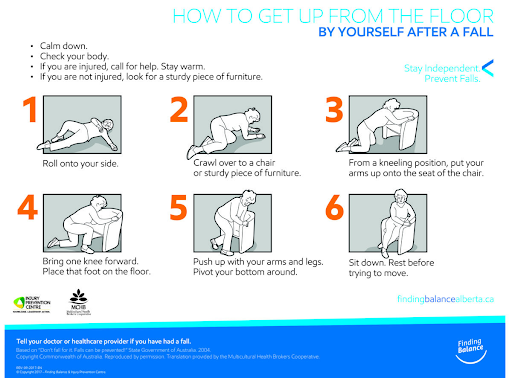
  • If possible, help them to stand up themselves. (*see below)
  • If not possible, don’t hesitate to call 911 for help. They are always ready to help!


*After a fall is not a good time to teach someone to get up from the floor who is very frightened.   


That said, learning how to get up from the floor—and practicing getting up from the floor is a great idea. 

Additional Resources:


We’ve covered related topics in past newsletters—here are two you may find helpful.


To learn more or get more help for your situation, reach out to me at:📧 Susan@daybreakac.org

— Susan Musicant, DPT

Injury Prevention Specialist at DayBreak


Upcoming Events & Workshops 📣


Keep Seniors Safe and Supported


Let's ensure every senior has the safety, support, and dignity they deserve. Your generosity keeps vital services going for those who need them most.

If you know an elder in need of our care and coordination services, or a caregiver seeking support, please encourage them to reach out to us at: 

510-834-8314

Web  LinkedIn  YouTube  Facebook  Instagram