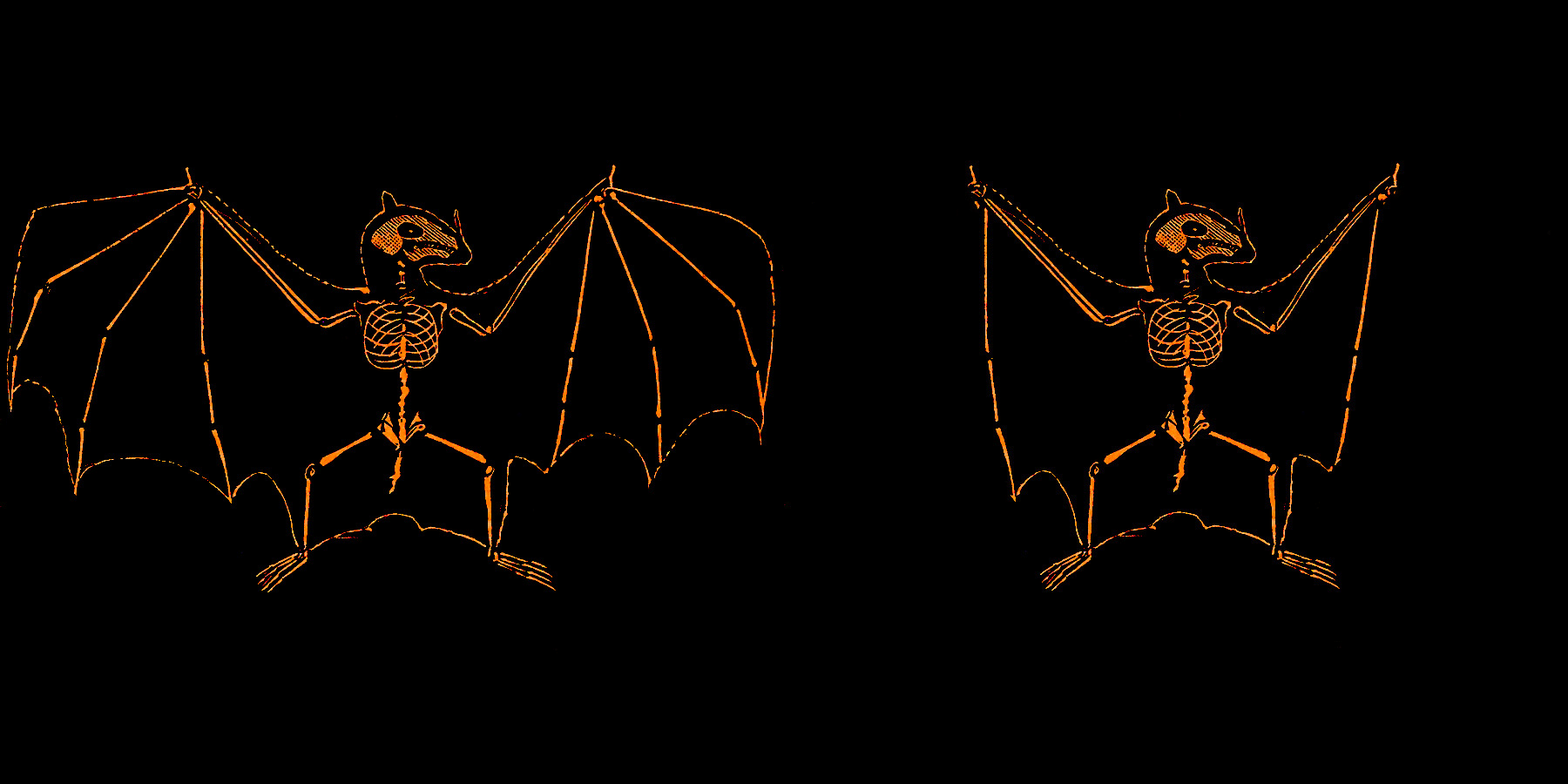
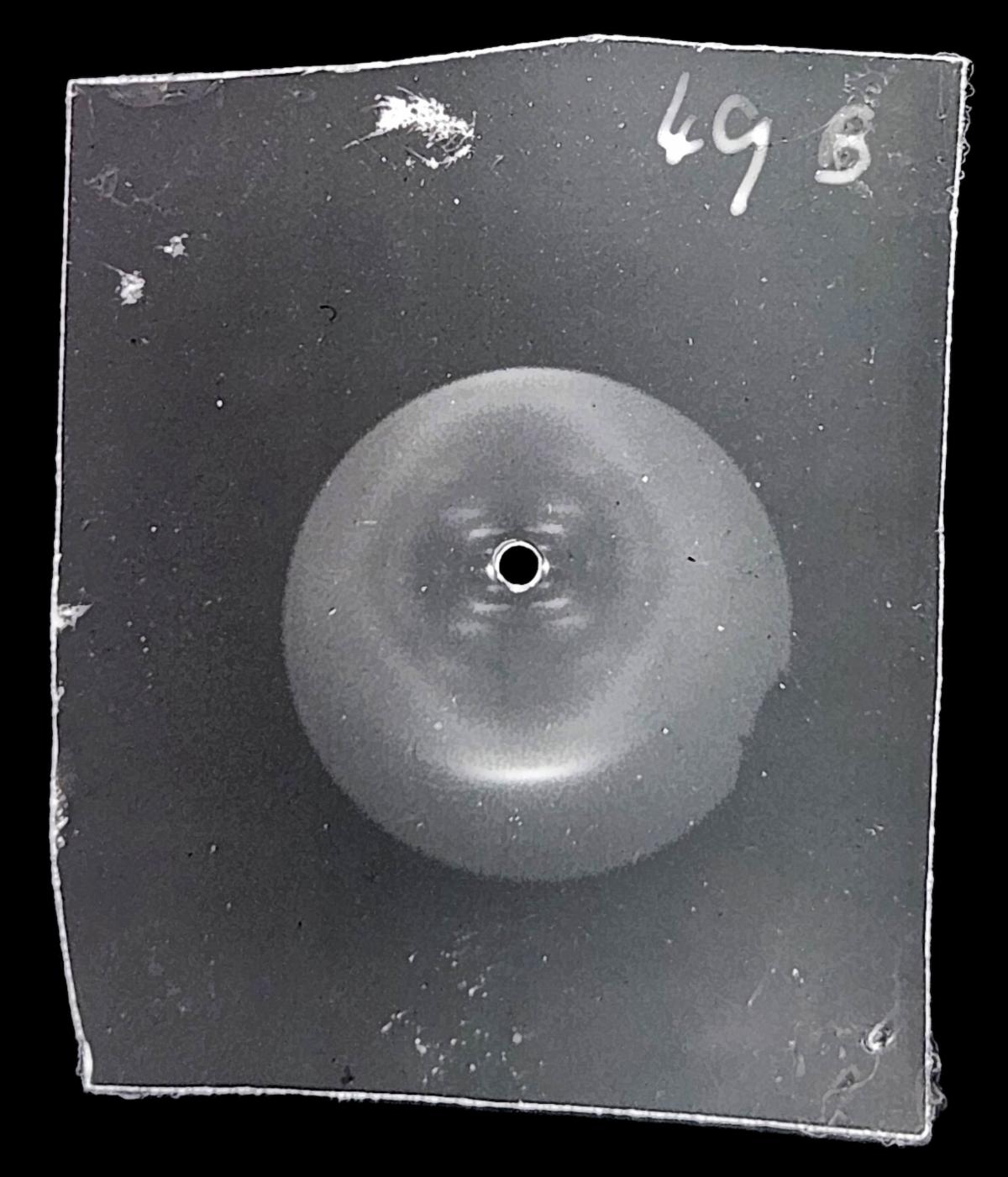
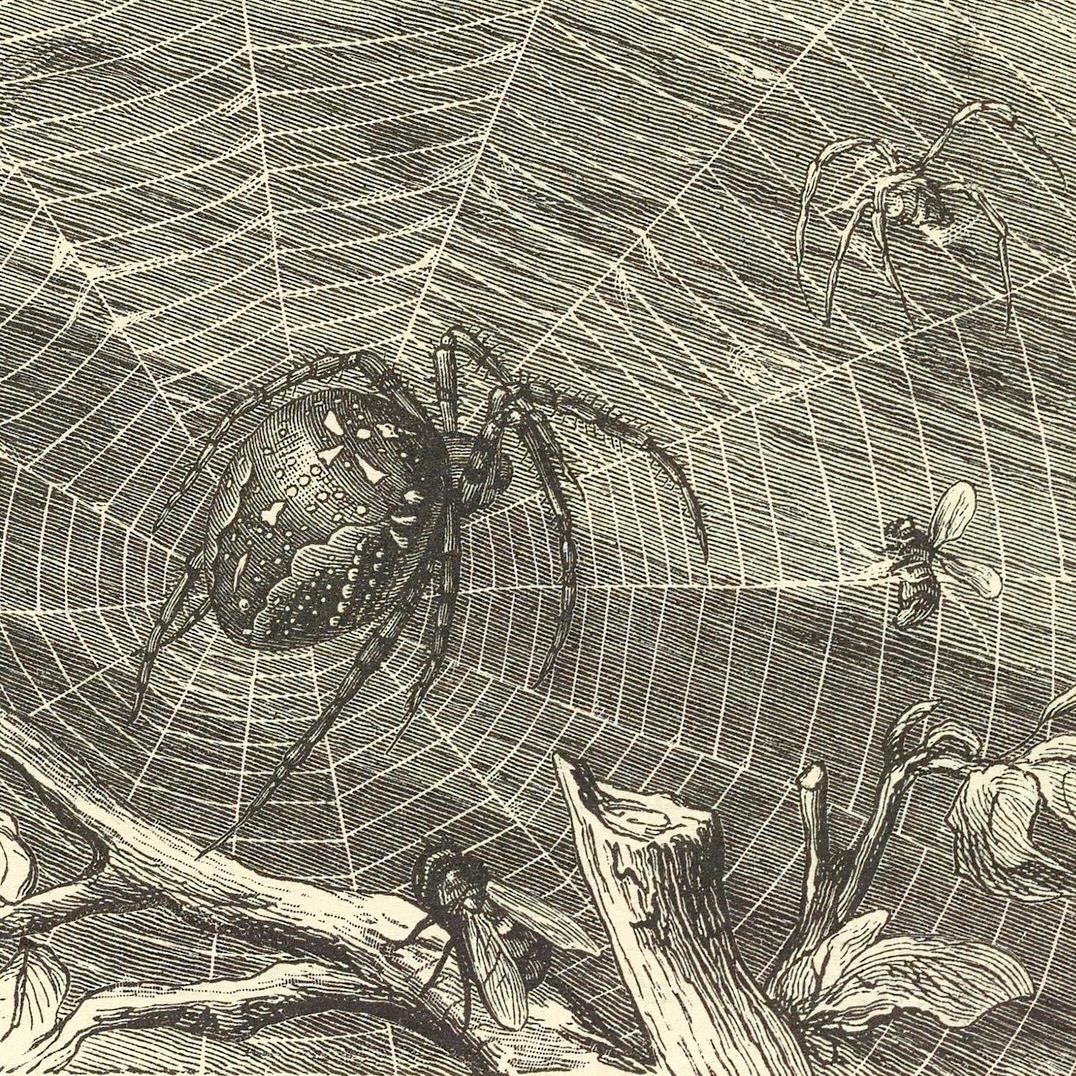
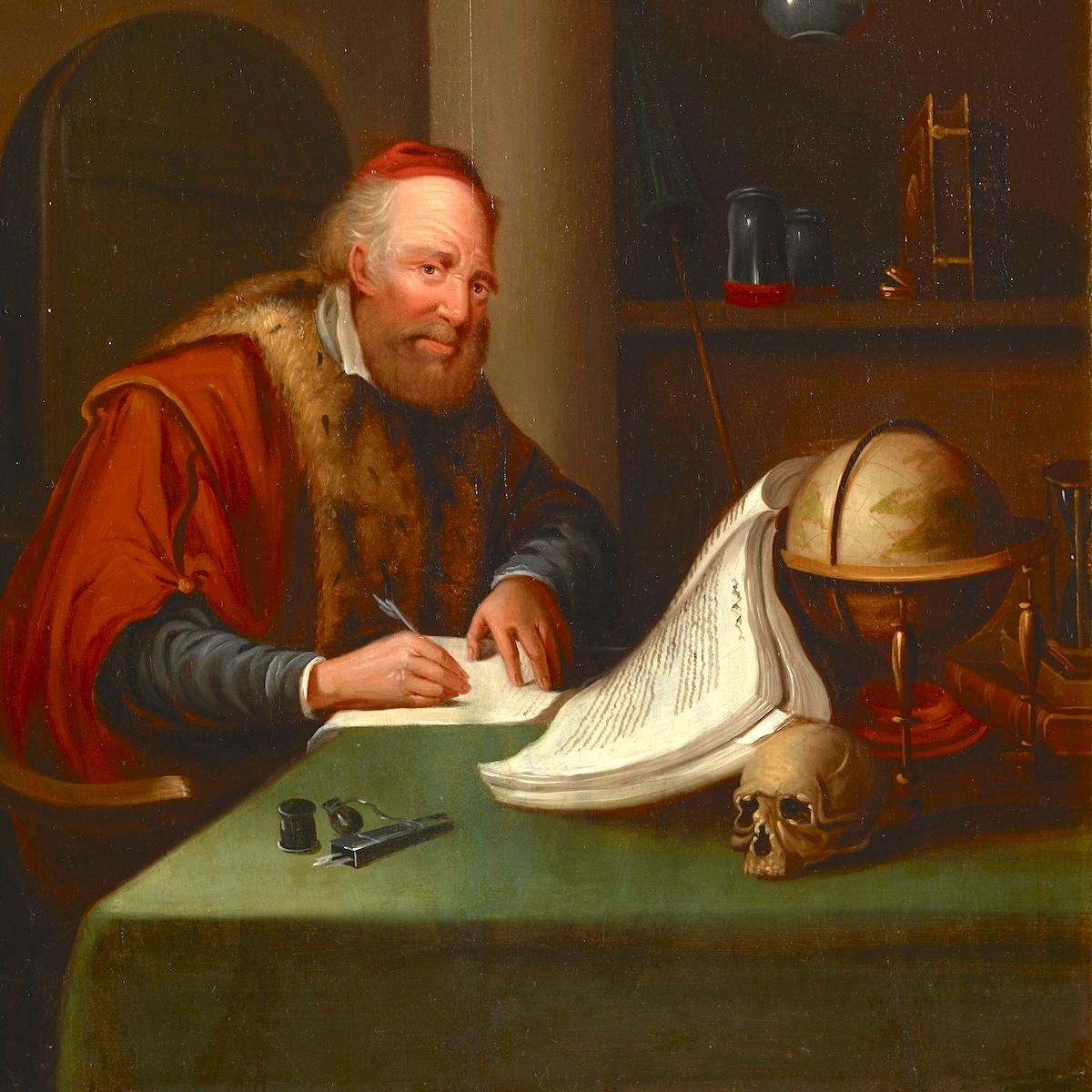
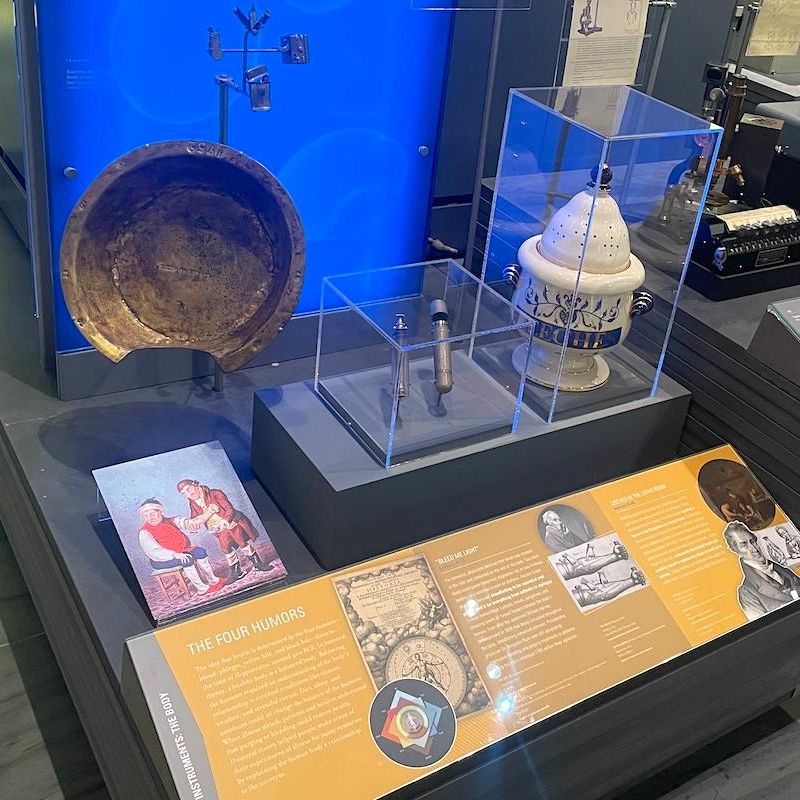
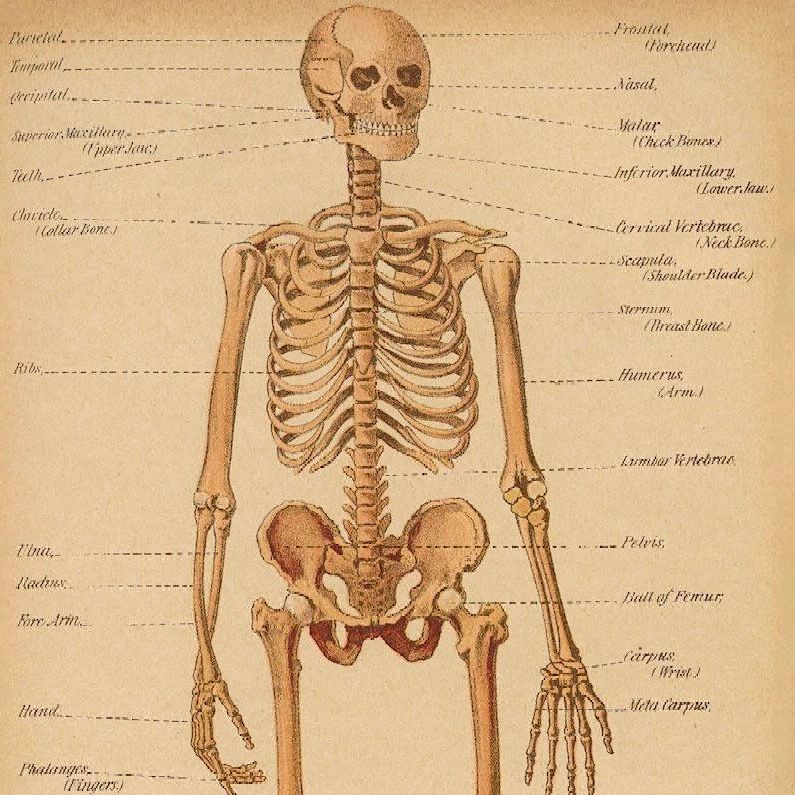
We have so much weird and creepy content for you this Halloween, it’s scary! Start with strange stories about mummies, bugs, and snakes, followed by spooky selections from our digital collections, including skeletons of bats, serpents, and humans. Our latest magazine article, collections blog post, and podcast episodes highlight chilling histories, while our new Fire and Gold exhibition takes you on a fiery and mysterious journey through the alchemist’s workshop. You can also learn about Fritz Haber, the controversial German chemist who unleashed the horrors of chemical warfare during World War I, or visit our museum to see a bleeding bowl and a leech jar on display in our permanent exhibition. And don’t be afraid to apply for one of our Beckman Center fellowships, but only miss the January 15 deadline if you dare! | | Photograph of a glass-plate negative of Photo 49, from the King’s College London Archives, KDBP 1/1/0868. 📷 Alistair Sponsel | | |
New Research Challenges Misconceptions about Rosalind Franklin’s Famed ‘Photo 51’ and the Discovery of DNA’s Double Helix
Alistair Sponsel, oral historian and curator of life sciences at the Science History Institute, and Brian Sutton, an X-ray crystallographer and emeritus professor of biophysics at King’s College London, have jointly published the paper “Photograph 49 Is the Key to Understanding the History of Rosalind Franklin’s DNA Photograph 51” in the Journal of the History of Biology. They reveal for the first time why British chemist and crystallographer Rosalind Franklin and her graduate student Raymond Gosling took the famed X-ray image known as Photo 51. Sponsel and Sutton argue that “Franklin decided to take ‘Photo 51’ precisely because she knew the key parameters of DNA’s...helix could be calculated from the resulting image.” They show that Photo 51 was a publication-quality retake of her largely forgotten Photo 49, which she had already used to make the helical calculations.
| | |
New Alchemy Exhibition Draws Sold-Out Crowd to Opening Celebration
The Science History Institute welcomed a sold-out crowd to the opening of Fire and Gold: The Art of Alchemy (1450–1850), a new permanent exhibition featuring paintings and rare books that explore the alchemist’s quest to uncover nature’s secrets and unlock the potential of matter. Held on Wednesday, October 7, the lively celebration included talks by curator Elisabeth Berry Drago and exhibition developer Jesse Smith, as well as activity tables and light hors d’oeuvres. Self-guided visits of Fire and Gold are available every other Saturday from 2pm to 3pm and alternately every other Thursday from 1pm to 2pm. Space is limited; registration is strongly recommended to guarantee your spot. Admission is free.
| | |
Applications for Institute’s 2027–2028 Beckman Center Fellowships Now Open
The Science History Institute’s Beckman Center for the History of Chemistry is now accepting applications for our 2027–2028 fellowships. Scholars whose research would benefit from the use of our collections—including our recently acquired History of Molecular Biology Collection—are invited to apply for one of our many programs. Opportunities include several postdoctoral, dissertation, short-term, and distinguished fellowships, as well as a two-year, benefit-eligible curatorial fellowship, which integrates fellows as staff members. The deadline to apply is January 15, 2027. Library travel grants are also available and are approved on a rolling basis.
| | All events are free and take place online or at the Science History Institute at 315 Chestnut Street in Old City Philadelphia unless otherwise noted. | | |
Library Programs & Activities
Othmer Library Tours
| | |
Guided Tours
Alternating Wednesdays
October 21; November 4, 18, 2026
12pm–12:45pm ET
| | | |
Drop-in Tours
First Fridays
November 6, 2026
5:15pm–6pm ET
December 4, 2026
4:15pm–5pm ET
| | | Curious about the other half of the Science History Institute? Step into the Othmer Library of Chemical History! Explore the reading room on a guided tour, learn how our collection has grown, and discover one of the most comprehensive rare book collections on chemistry and its alchemical roots. Registration is required for tours on Wednesdays. | | |
Museum Programs & Activities
Stories of Science
| | |
Saturdays
October 24, 31; November 7, 14, 2026
10am–5pm ET
| | | Join us in our museum EVERY SATURDAY for a family-friendly program that highlights the many strange and surprising stories from the history of science. Our fun, interactive activities are designed for science lovers of all ages. We’re celebrating “Craft-tober” in October, Feasting on Chemistry in November, and enjoying a Cuppa Chemistry in December! Admission is free and reservations are not required. | | |
Museum Programs & Activities
Drop-in Tours
| | |
25-Minute Highlights Tours
Every Saturday
October 24, 31; November 7, 14, 2026
11:30am ET
| | | Join our museum’s Gallery Guides every Saturday for one of our Stuff from Your House, Forensics, Unwell Waters, or From Nature to Nylons highlights tours. Our shorter tours are designed to highlight artifacts in our collection with unique stories. These tours last approximately 25 minutes and offer visitors an intriguing introduction to the history of science. Drop-in tours are free and no reservations are necessary. | | |
50-Minute Tours
Alternating Saturdays
October 31; November 14, 2026
2pm EDT
| | | |
Join our museum’s Gallery Guides every other Saturday for one of our Science & Activism, Women in Chemistry, or Fireworks tours. Our longer tours are designed to offer visitors a comprehensive exploration of artifacts in our collection with unique stories. These tours last approximately 50 minutes and provide a deeper understanding of how science history and the present day are linked.
Drop-in tours are free and no reservations are necessary.
| | |
Museum Programs & Activities
Art of Alchemy Self-Guided Visit
| | |
Alternating Saturdays
October 24; November 7, 21, 2026
2pm–3pm ET
Alternating Thursdays
October 29; November 12, 2026
1pm–2pm ET
| | | Step into the “age of alchemy” and explore remarkable paintings and rare books in the Science History Institute’s new permanent exhibition, Fire and Gold: The Art of Alchemy (1450–1850). This self-guided visit will take you on a journey from underground mines into the alchemist’s laboratory, where they experimented with metals and minerals, attempted to transform matter, and worked under secrecy as they sought to uncover nature’s secrets. Guests under 18 years of age must be accompanied by an adult. Registration is strongly recommended. | | |
Museum Programs & Activities
Study Hall x Distillations: American Vice
| | |
Thursday, October 29, 2026
6pm–8pm ET
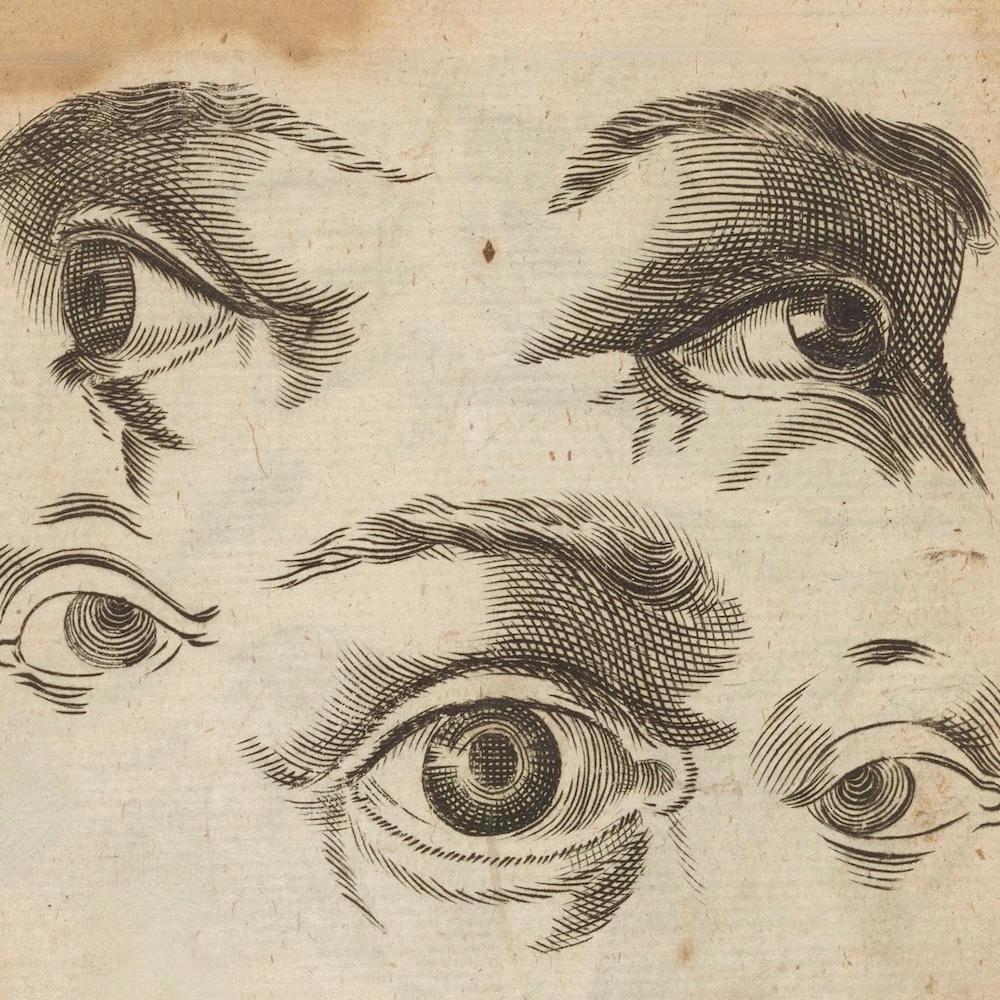
| | | Our new Distillations podcast season, American Vice, features episodes on our relationship with risk (cigarettes! alcohol! fireworks!), how science plays a role in it, and how it’s shaped the American experience. We’re celebrating by partnering with our friends at the Crossroads Comedy Theater Company to bring you a special edition of their popular Study Hall: Comedy Inspired by Lectures show. Enjoy short talks on topics from our podcast episodes, then watch as the Crossroads’ cast of amazing improvisers use what they learned (or didn’t learn) to create hilarious scenes right before your eyes! This event is free, but registration is required. Light refreshments will be served. | | Detail of Plate IV: Artist Study of Facial Features, from Polygraphice, or, the Arts of Drawing, Engraving, Etching, Limning, Painting, Washing, Varnishing, Gilding, Colouring, Dying, Beautifying and Perfuming, 1685. 📷 Science History Institute | | |
Museum Programs & Activities
First Friday: More Than Meets the Eye
| | |
Friday, November 6, 2026
5pm–7pm ET
| | | Join us for our November First Friday as we celebrate the opening of our upcoming ExhibitLab display, More Than Meets the Eye. Created in partnership with nonprofit organization AltruVision–A Lions Eye Bank, this exhibition presents the history of corneal donations and transplantation. Come experience some of our tactile learning tools for people who are blind or have low vision; check out a copy of Essai sur l'éducation des aveugles (1786), the first embossed book published for readers who are blind; and visit the AltruVision table to learn about the science of sight, the impact of donation, and ways to get involved. | | |
Museum Programs & Activities
From Nature to Nylons: A Touch-Based History of Textiles
| | |
Second Tuesday Each Month
November 10; December 8, 2026
10:30am–12pm ET
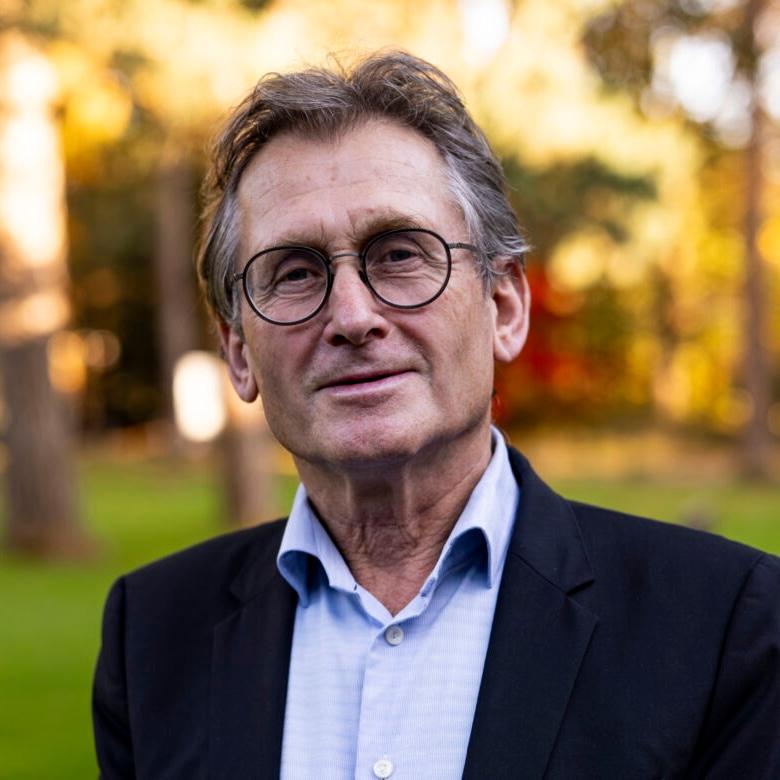
| | | Specifically designed to engage with guests who are blind and visually impaired, this touch-based tour offers a private learning experience that combines a personally guided exploration of select gallery exhibits and a hands-on study of objects from our collections. Visitors will learn how fibers like wool, nylon, and Gore-Tex changed our world. Touch tours are free, but registration is required. | | 📷 Courtesy of Ben Feringa | | |
Ullyot Public Affairs Lecture and Award
The Art of Building Small: Ben Feringa
| | |
Friday, November 13, 2026
6pm–8pm ET
| | | Nobel laureate and University of Groningen (Netherlands) professor Ben Feringa will present the 2026 Ullyot Lecture with a focus on his journey in the world of molecular nanoscience, designing molecular machines. In particular, he will discuss the synthesis and functioning of molecular switches and motors, as well as applications such as smart medicines and responsive materials and artificial muscles. Feringa will also talk about the process of discovery, the art of building small, and the adventure to control motion at the molecular level. The lecture begins at 6pm; a reception with the speaker begins at 7pm. Registration is required. | | |
Joseph Priestley Society Virtual Lecture Series
The Electrical Grid in Flux
| | |
Thursday, November 19, 2026
1pm–2pm ET
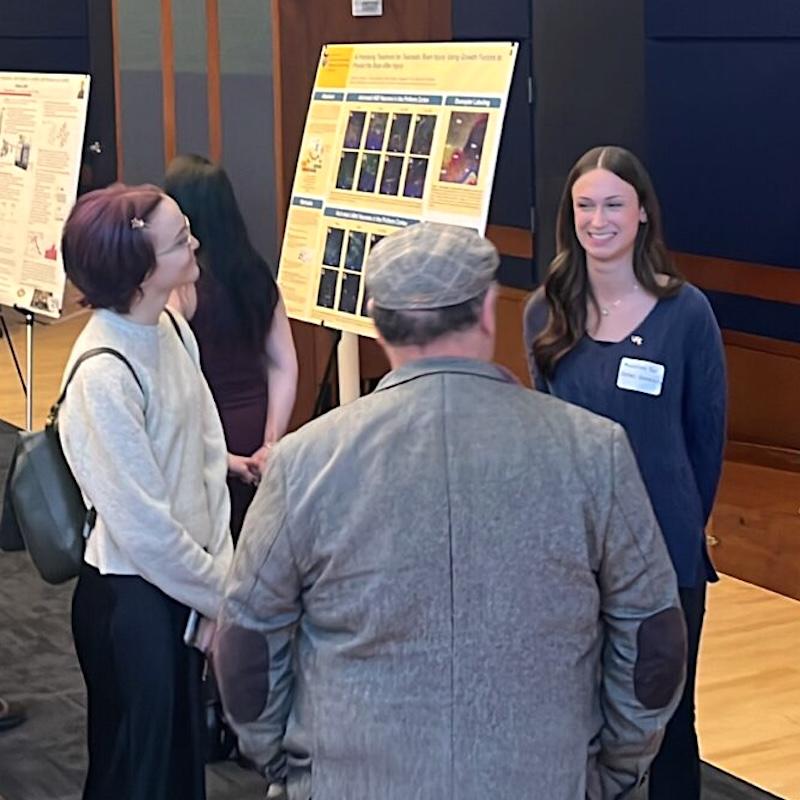
| | | What are the operational and economic limitations to installing alternative generation technologies, such as solar, wind, geothermal, and nuclear? What are the political and social constraints? And how do large-scale storage technologies and data centers affect the needs of the electric grid? Energy engineer Dave Walter, the current director of marine operations at the University of Delaware’s College of Earth, Ocean and Environment, will address these questions and more. Registration is required for this virtual event. | | Attendees gather at a recent Start Talking Science event. 📷 Science History Institute | | |
First Friday
Start Talking Science
| | |
Friday, December 4, 2026
5pm–7pm ET
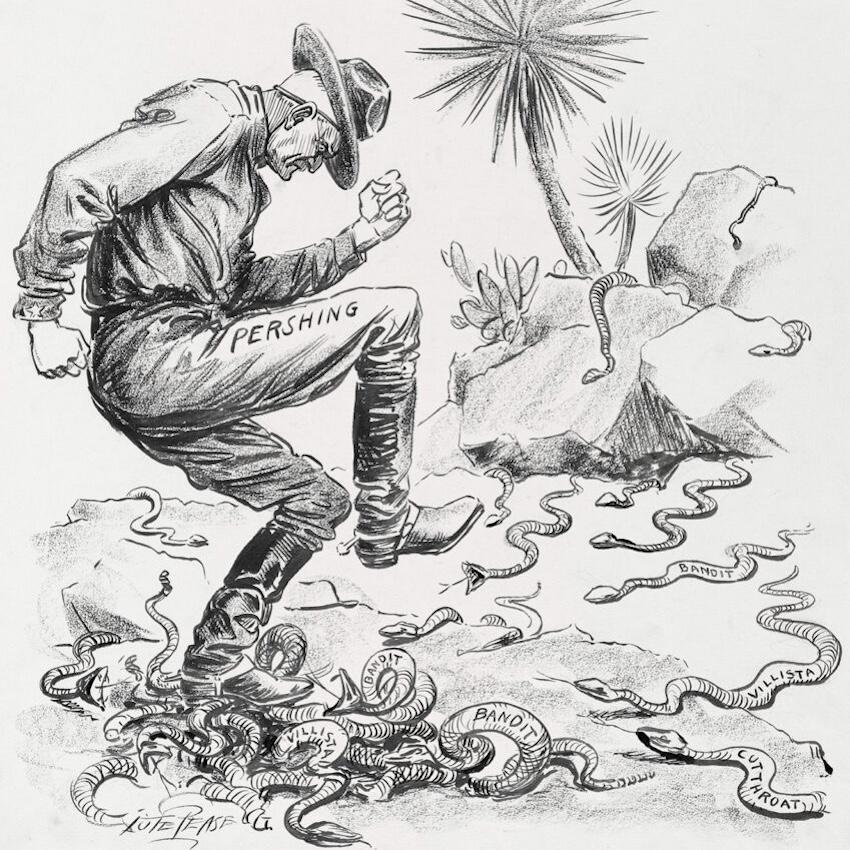
| | | Our December First Friday features dozens of researchers from local universities who will present their innovative projects and answer your questions live. Stop by our museum to explore the history of science education and try out cool, quirky, and engaging science toys and games. Indulge your inner nerd, bring your curiosity, and join us for a fun-filled evening of everything STEM! Start Talking Science is presented in partnership with Drexel University and the Children’s Hospital of Philadelphia Research Institute. | | “Still Coming,” editorial cartoon depicting General John Pershing stamping out a nest of rattlesnakes, by Newark Evening News cartoonist Lute Pease, 1916. 📷 Library of Congress | | |
NEW: Distillations Magazine
Not So Fast
The limits of racism, power, and the Good Roads Movement in the Americas.
| | | |
NEW: Collections Blog
Tales from the Tape
Bringing the past to life with an obsolete video format.
| | | |
NEW: Distillations Podcast | Episode 3
Jersey City’s Secret Water Experiment
How did a covert chemical treatment permanently change our drinking water?
| | | |
NEW: Distillations Podcast | Video Episode 4
LSD, 60s Counterculture, and the Woman History Forgot
Author Susannah Cahalan talks about her book on the role Timothy Leary's wife played in our understanding of psychedelic drugs.
| | | |
NEW: Distillations Podcast | Episode 5
Chasing Shiny Things
Silver’s volatile history.
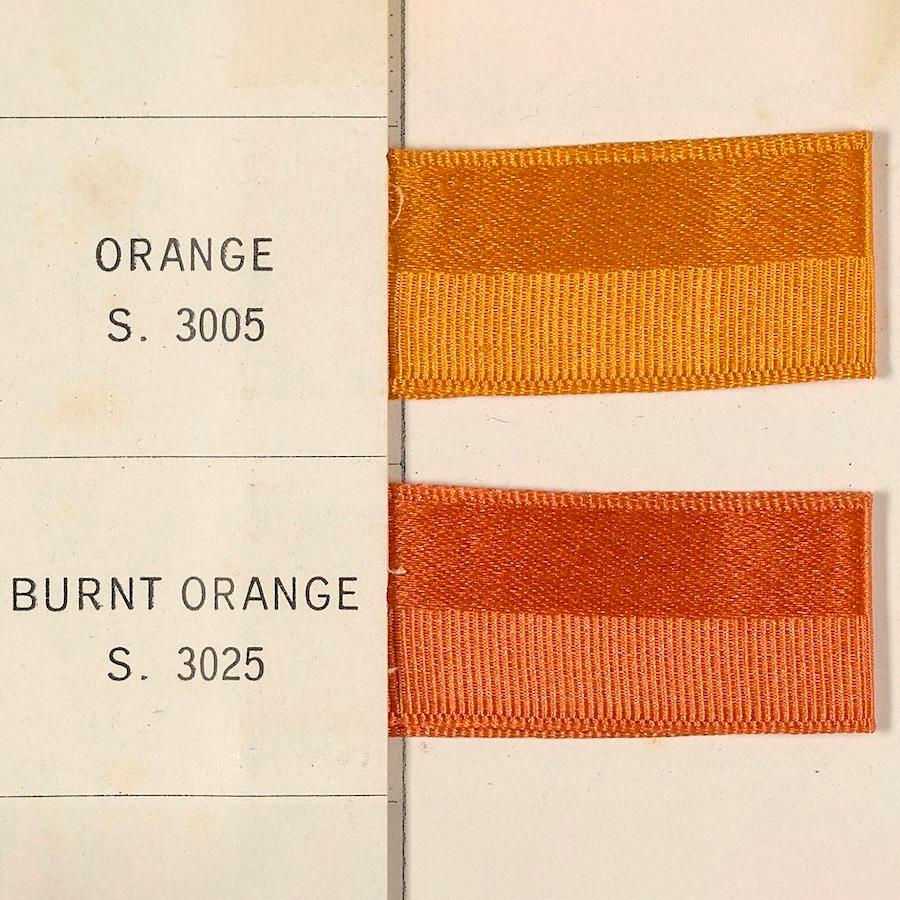
| | | Orange dye color swatches from Standard Color Card of America issued by the Textile Color Card Association of the United States, 1916. 📷 Science History Institute | | The Science History Institute Digital Collections house more than 15,500 curated items, including rare and modern books, scientific instruments, letters, photographs, advertisements, videos, oral histories, and more: | | |
-
Lamiae Piscis Caput [The Shark’s Head], engraving from Metallotheca: Opus Posthumum, a posthumous work on mineralogy and paleontology, 1717
-
IV Clavis [Fourth Key], plate depicting a skeleton from Musaeum Hermeticum [Hermetic Library], a bound volume of alchemical texts, 1678
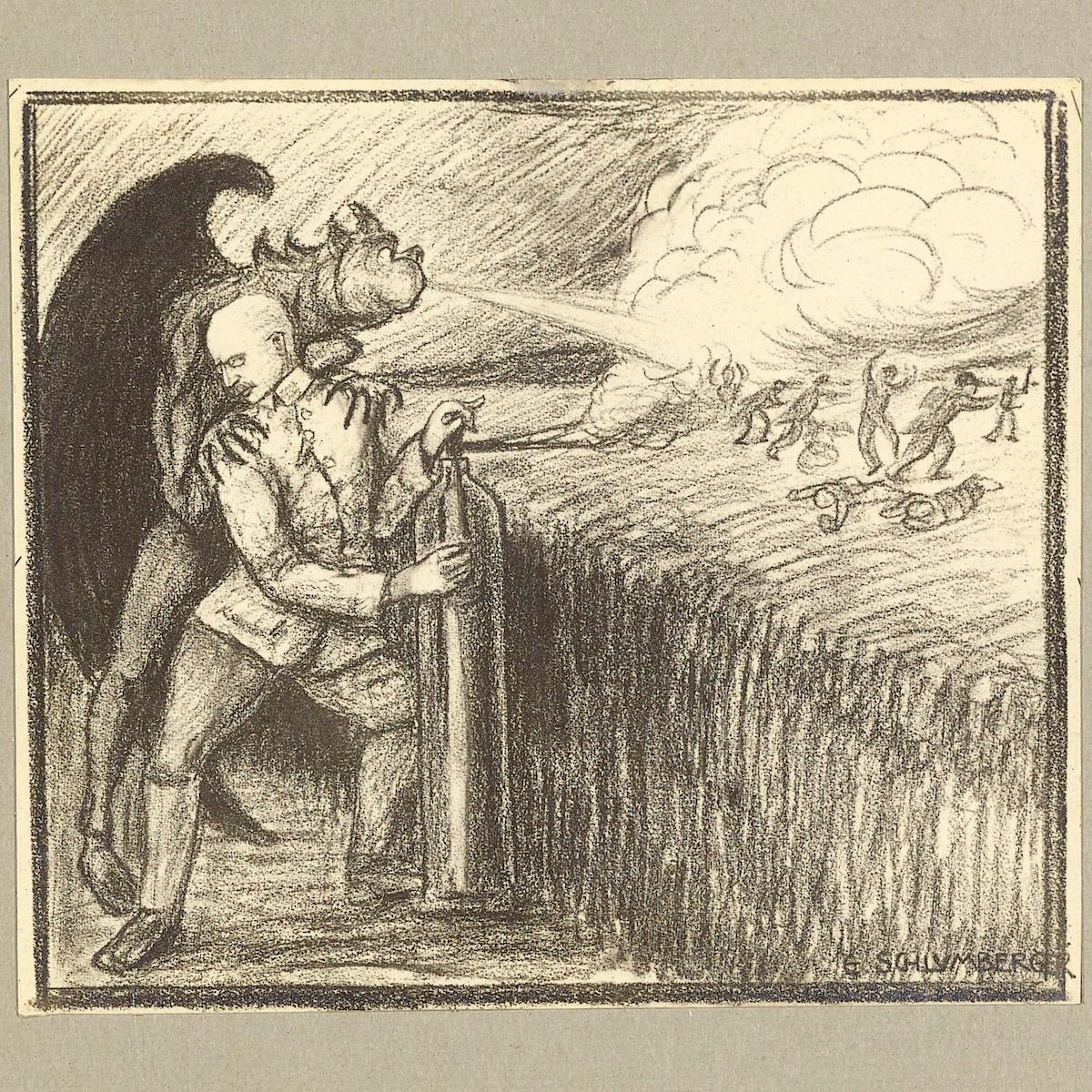
| | Considered the “father of chemical warfare,” chemist Fritz Haber was controversial for his role in developing Germany’s poison-gas program during World War I. There was great consternation when he won the 1918 Nobel Prize in Chemistry for his invention of the Haber-Bosch process, a groundbreaking method of synthesizing ammonia that is still used to mass produce agricultural fertilizers. As the director of the Kaiser Wilhelm Institute for Physical Chemistry and Electrochemistry, he developed poisonous chlorine gas and supervised its initial deployment on the Western Front at Ypres, Belgium, in 1915. His promotion of this devastating chemical weapon precipitated the suicide of his wife, Clara Immerwahr Haber, who was also a chemist. | | The Science History Institute Museum is open Wednesday through Saturday, 10am to 5pm. Admission is free. | | |
HACH GALLERY
HORIBA EXHIBIT HALL
DU PONT LOBBY
FISHER GALLERY
BUILDING FAÇADE
MUSEUM MEZZANINE
DU PONT GALLERY
| | Make a Halloween gift to help us bring the stories behind the science to life. | | | | | |