|
Luke 17:11-19
The curse of the age in the time of Jesus was leprosy, a devastating skin disease that rendered the victim a pariah, sent into exile. Priests, not physicians, were charged with diagnosing and treating people with leprosy. Perhaps this was due to the fact that leprosy and some other ailments or disorders were thought to be the consequence of sin.
A person with a severe skin infection would be examined in the temple. If the priest could see the infection went below the surface of the skin or if the person’s hair in the affected areas turned white, the person was declared “unclean” and sent out of the community. If these symptoms were not present, the person was sent into quarantine and checked again in 7 days.
People with leprosy were considered unclean both physically and spiritually. They could not participate in the life of the community, worship in a temple or synagogue, hold a job, own property, or live at home with their families. They were not allowed to touch another person, including family members, as the disease was considered highly contagious.
Full-blown leprosy caused disfiguration, which in turn made the person with leprosy feared. The life of a person with leprosy had to be a life of poverty, loneliness, and humiliation. They were to shout “unclean” if they came near others. Death, alone and uncared for, was the only way out.
Luke tells a story in today’s gospel that is emblematic of Jesus and carries wisdom for our time. He sets the scene for Jesus encountering a group of people with leprosy who kept their distance as they had been cautioned to do, but recognizing Jesus as a healer, they pleaded for mercy. They must have been desperate if what we read about this disease during Jesus' time is true. They were banished, suffering, alone and reviled. How is it that humans do this to each other?
Jesus, wise man that he was, sends the group of people with leprosy to the priest as the law demanded, rather than healing them on the spot. Luke tells us, “They were cleansed.”
One comes back to thank him, a Samaritan, one of a group that is marginalized in society at that time. No doubt all were awestruck and grateful, but only one returns, and it is the one who has suffered the most due to his ancestry. Is he the one who truly recognized who Jesus was?
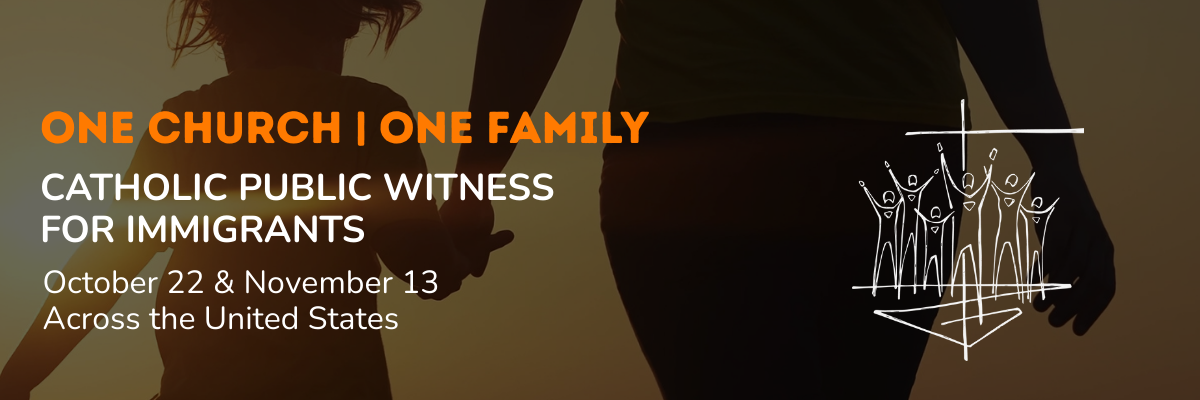
As I researched leprosy in the time of Jesus my heart was heavy. What those afflicted with the disease suffered is disturbing. Yet I cannot help but think of what is going on today. For some with power, the immigrant is like the person with leprosy, and their treatment of the immigrant is much like the treatment of the person with leprosy in the time of Jesus.
Not to be flippant, but to use the language of our day, let us be like Jesus, not like them. Let us embrace those who are maligned and demonized. Let us accompany them, fight for justice for them, and pray for and with them.
Just a few days ago, a man who was steeped in faith and in caring for the marginalized died unexpectedly. Fr. Chris Ponnet, Pastor of St. Camillus Center for Pastoral Care was the face of hope for so many: “A shepherd for our community for over 30 years who lived the gospel through action, loving the marginalized, lifting the forgotten, and showing us all what true faith looks like.”
We mourn the death of our dear friend, Fr. Chris Ponnet. To honor his work and memory, let us follow his example and continue what he began.
Peace,
Anne
|