In Honor of National Dairy Month -
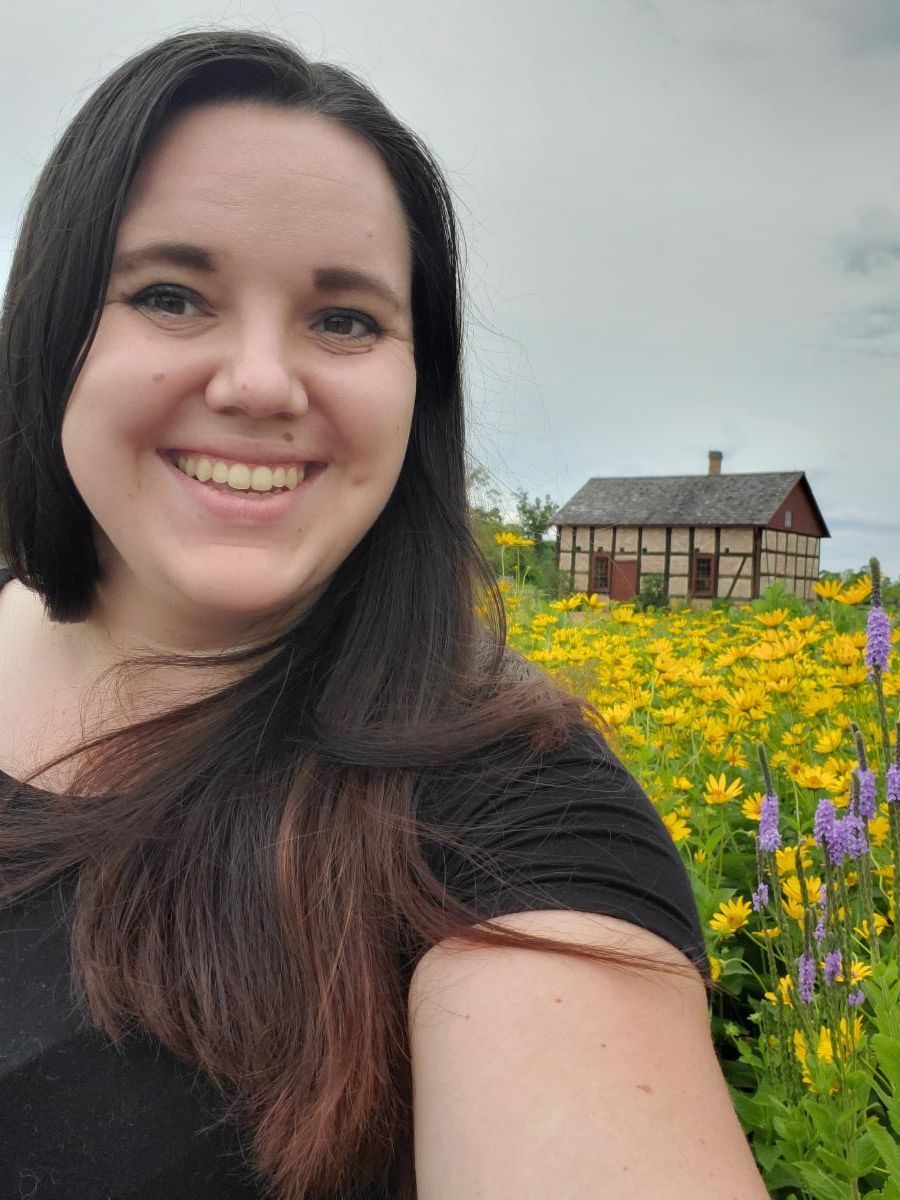
The Butterman - A Story by M. Paddock
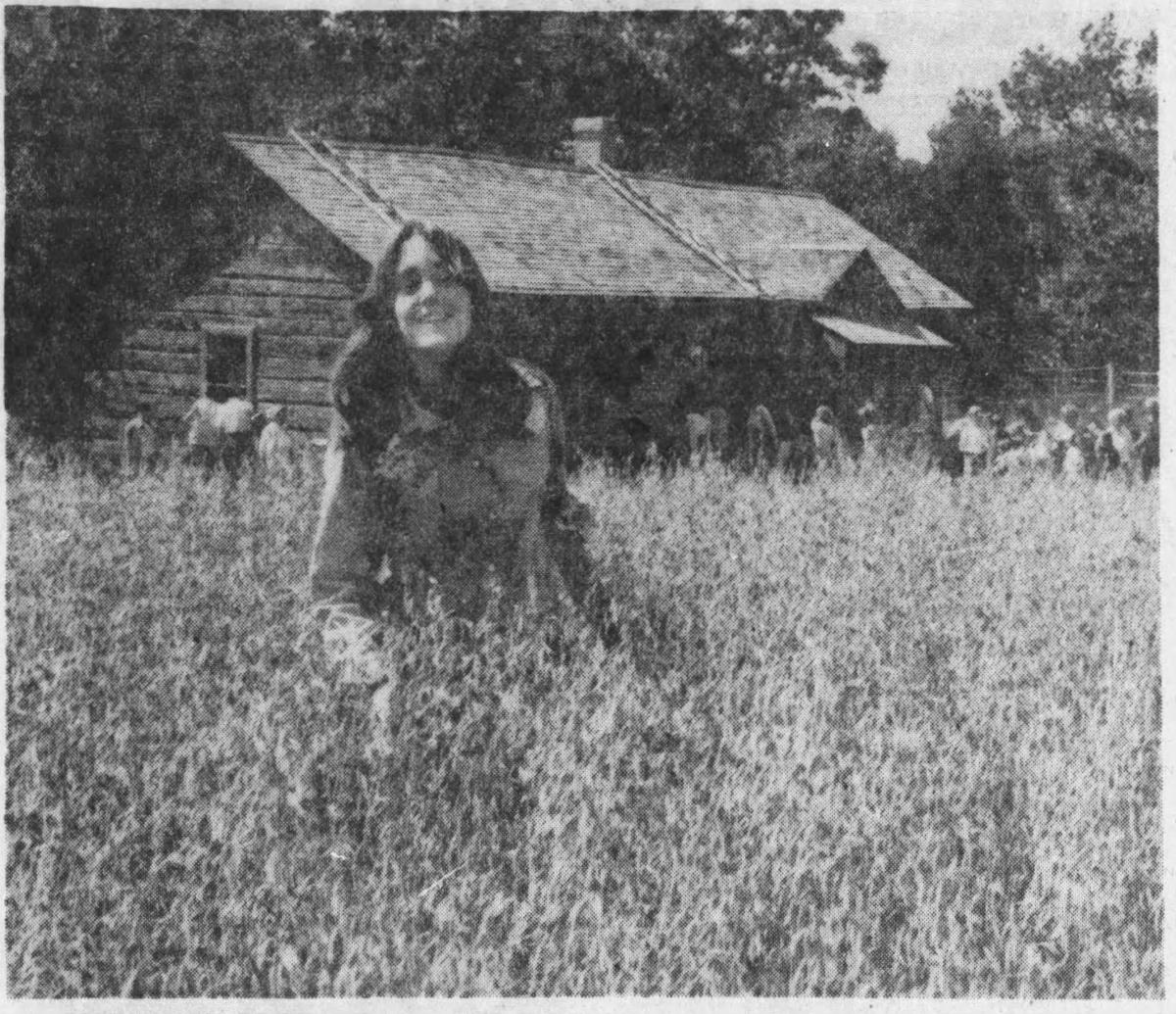
One of my favorite tasks at Old World Wisconsin is when I get the privilege of making butter with our guests. It’s a simple activity, really, but one that never seems to lose its magic. We usually set up near the evergreen tree on the porch of the Koepsell 1880s Pomeranian Farm. The fresh scent of pine, the shade of the porch, and the gentle rhythm of conversation make it a perfect place to slow down and visit.
That afternoon, Janey came running up with her parents in tow. She was an energetic fourth grader with a bouncing ponytail and boundless enthusiasm. As I laid out the different butter churns, she pointed at them eagerly.
“What are they for?” she asked.
“We use them to make butter,” I replied.
Her eyes widened. “You can make butter?”
“Yep,” I said with a grin. “And so can you.”
Janey immediately turned to her mother, bouncing on her toes. “Can I make butter?” she asked. Her mother smiled — the kind of smile parents get when they know their child is about to discover something new. “Of course,” she replied.
I handed Janey a small container half-filled with cream and showed her how to shake it. As she worked with determination, I shared a bit of Wisconsin history with the group. We talked about how dairy farming shaped the state — its farms, its communities, and even its identity.
“It all starts with the cow,” I explained, “who chooses to give us her cream.” I showed them how milk was once left to settle so the cream could be skimmed from the top and placed into a churn.
Janey, still shaking, looked up with another question. “Why do we have to shake the cream?”
I explained how churning breaks down the cream’s structure, allowing the butterfat to come together and separate from the buttermilk. Someone joked that maybe after this we should make buttermilk biscuits, and the idea was met with enthusiastic agreement.
After a few more minutes, Janey asked if I would check her progress. She waited with clasped hands as I opened her container.
I looked at her and announced, “Young lady, you have made butter.”
Janey jumped up and down, clapping her hands. “Mom! Dad! I made butter!” Her parents nodded with proud smiles.
“Now,” I said, “you have an important decision to make. Do you want to add salt to your butter?”
She turned to her mom for advice. Her mother gently reminded her that it was her choice — some people like salted butter, others prefer it plain. Janey thought carefully, then declared, “Lightly salted, please.”
“One more decision,” I added. “Will you eat your butter now, or save it for breakfast toast tomorrow?”
“Oh! I’ll save it for breakfast,” she said, handing the container to her dad for safekeeping.
Later, as I walked through the parking lot, I spotted Janey and her family having a snack before heading home. She jumped up and called out, “It’s the Butterman! Can I go say hi?” With her mother’s nod, she ran over.
“Thank you for showing me how to make butter,” she said. “I had so much fun.”
“I did too,” I replied. “Thank you for coming.”
As I watched Janey and her family drive away, I couldn’t help but smile. Somewhere, a young girl would be spreading butter on her toast the next morning — and maybe, just maybe, Wisconsin’s dairy tradition had gained a new steward.
|