|
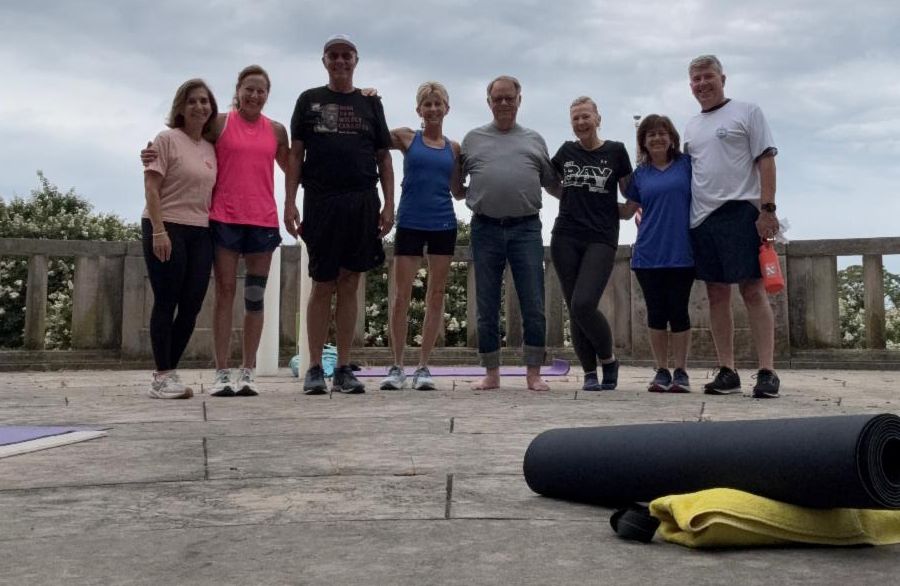
Photo: Jennifer Balducci (view from Baywoods)
August at One.
As we move into the final month of the summer (I know, we can't believe it either), we are going to provide you with all the ways to beat the heat, protecting yourself from all the excesses of summer and embracing the best that One. and Annapolis has to offer.
This month's newsletter is once again packed with tons of the latest health information and local events happening in Annapolis. If you are reading it for the first time, we hope you enjoy it. And if you are a happy return reader, please feel free to share any of the information you read -- it's our biggest compliment!
Let us know what you enjoy and what we can do more of as we love hearing from you!
Yours in Wellness,
Jennifer Balducci and Christina Thomas
| | |
It is with deep sadness we regret to inform you all of the passing of Joanna Whaler's mother who recently lost her battle with cancer. She has chosen the Nature Conservancy charity for those interested in donating in her honor.
Click here to donate
| |
HUGE welcome aboard to our new Acupuncturist,
Dr. Mansoor Sharify
| | |
One. is excited to welcome Mansoor to our team of talented providers!
Dr. Zabie Mansoor Sharify, DAOM, L.Ac., AOBTA-C.I., is a licensed acupuncturist, integrative medicine practitioner, educator, and clinical researcher. He is the founder and clinical director of Integrative Acupuncture & Wellness, with locations in Bethesda and Annapolis, Maryland.
His interdisciplinary practice integrates acupuncture, Acupuncture Injection Therapy, Tuina manual therapy, herbal medicine, neuromuscular rehabilitation, and movement-based care. His clinical interests include pain medicine, internal medicine, neurology, psychiatry, dermatology, sports medicine, rehabilitation, complex chronic disease, preventive care, and wellness.
Dr. Sharify’s research focuses on neuroimmune regulation, sensitization, mechanotransduction, manual-therapy mechanobiology, musculoskeletal ultrasound, regenerative orthopedics, autonomic dysfunction, and integrative procedural care. He is completing a postdoctoral Master of Science in Pain Medicine at the University of Southern California.
His training includes more than 20,000 hours of advanced education, supervised practice, and apprenticeship with leading acupuncture physicians, East Asian medicine clinicians, and allopathic physicians. Through his teaching clinic, he hosts senior clinicians from multiple specialties and trains graduate students and advanced practitioners in Tuina, acupuncture, assessment, manual therapy, and interdisciplinary clinical reasoning.
Click here to request an appointment with Mansoor
| | |
Sleep Better by Calming Your Brain
Do you struggle to fall asleep, wake up throughout the night, or feel exhausted even after a full night's rest? You're not alone. Millions of people experience sleep difficulties, often because their brains remain in a constant state of alertness.
Our bodies are designed with two branches of the autonomic nervous system that work together to keep us healthy. The sympathetic nervous system prepares us for action and is referred to as the "fight or flight" response. The parasympathetic nervous system, often called the "rest and digest" system, helps us relax, recover, and achieve restorative sleep.
When stress, anxiety, illness, or life's daily demands keep the sympathetic nervous system overactive, it can become difficult for the brain to shift into the calm state needed for quality sleep.
Microcurrent Neurofeedback (MCN) is a gentle, non-invasive technology designed to encourage the brain to self-regulate. During a session, tiny sensors are placed on the scalp to monitor brain activity while delivering an extremely subtle microcurrent. It's so small that most people do not feel it. This brief signal provides a tiny nudge to the brain to move toward a more balanced state.
As the brain becomes better able to regulate itself, many individuals report feeling calmer, more relaxed, and better able to unwind at the end of the day. Improved regulation of the nervous system may also support healthier activation of the parasympathetic nervous system, allowing the body to transition more naturally into restful sleep.
While everyone's experience is unique, many people receiving Microcurrent Neurofeedback report improvements such as:
- Falling asleep more easily
- Sleeping more soundly throughout the night
- Waking feeling more refreshed
- Feeling calmer and less overwhelmed during the day
- Improved ability to manage everyday stress
Quality sleep is essential for memory, mood, immune function, healing, and overall brain health. Helping the brain function more efficiently may be one important step toward achieving the restorative sleep your body needs.
If you'd like to learn more about how Microcurrent Neurofeedback may support better sleep and overall nervous system health, I'd be happy to answer your questions.
Feel free to email me at Connie@neurocenteredwellness.com.
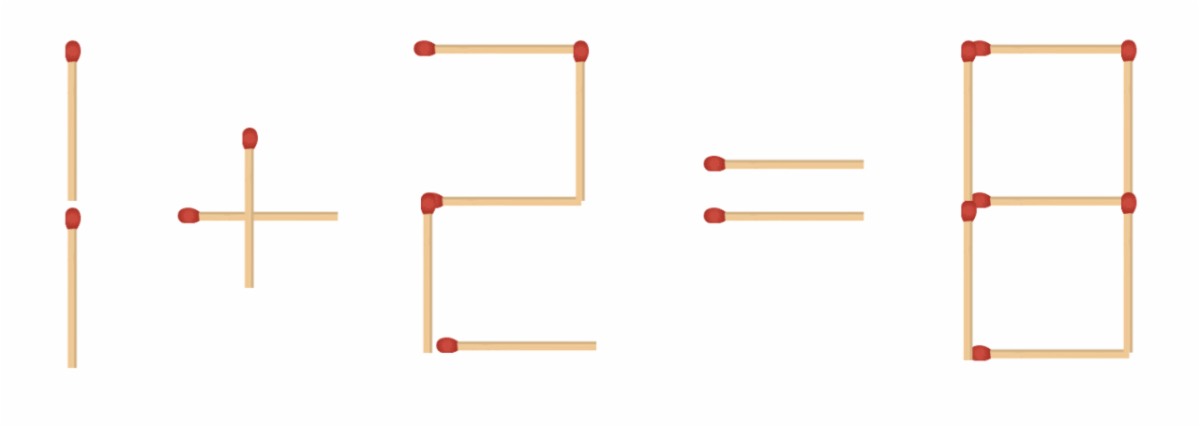
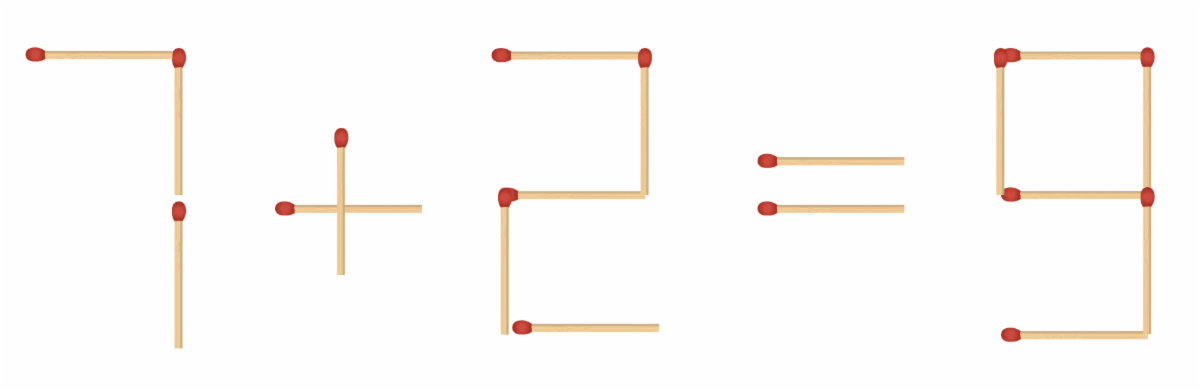
Brain game of the month: matchstick puzzle!
Move 1 matchstick to turn this into a valid equation:
| | City Dock Class is Back Aug 8, &22nd! | | |
Join Sue Clements on Saturday, Aug 8th and 22nd at 8 am for her outdoor class at the WWII memorial in Arnold (weather permitting)! This class is a mix of stretching and core strengthening designed to promote whole-body strength and flexibility as well as keep you injury-free! Be sure to bring your own yoga mat and padding, stretch strap, and theraband.
If you haven't joined Sue for this class yet, come down and see how healing it can be to exercise outside with a view of the water from the WWII memorial!
Click here to register
| | |
Human bodies begin breaking down at two very precise ages, but scientists aren't yet sure why
We all know the human body takes some hits as we age – that’s nothing new. But here’s the kicker: the process isn't as slow and steady as most of us thought.
A comprehensive study reveals some eye-opening insights about aging, focusing on exactly “when” things start to shift and how our bodies begin to break down, both inside and out.
Aging isn’t just about wrinkles and gray hairs – there's a whole internal, built-in timeline, surprisingly similar for all humans, that we're only beginning to understand.
When the human body starts to age:
The man at the helm of the study is Michael Snyder, chair of genetics at Stanford School of Medicine. His team’s research provides some fascinating insights into the specifics of our biological aging process.
Snyder and his team explored data from individuals ranging from 25 to 75 years old.
Their research focused on the different molecules playing significant roles in aging, including those constituting our microbiomes – the microcosm of bacteria, viruses, and fungi that exist within us.
Interestingly, they discovered that 81% of these molecules don't follow a predictable, chronological pattern as one might expect. Instead, our bodies experience two periods of rapid change as we age.
Sharp molecular and microbial shifts occur precisely at ages 44 and 60, a finding that may alter our understanding of how our bodies age.
Understanding the microbiome – the basics
Your microbiome is basically the bustling community of trillions of microbes – like bacteria, fungi, and viruses – that live in and on your body.
Most of them live in your gut, especially in your large intestine, and they're not just there for lack of anywhere better to be.
They help you digest food, absorb nutrients, and even produce vitamins like B12 and K. Think of them as your behind-the-scenes health squad, working 24/7 to keep things running smoothly.
The microbiome also plays a huge role in your immune system, mood, and even how your brain functions.
When the balance of good and bad microbes gets thrown off – like from antibiotics, stress, or a poor diet – it can mess with everything from your energy levels to how well you sleep.
That's why you hear so much buzz about probiotics, fermented foods, and fiber. They're like fuel for your inner ecosystem, helping your microbiome thrive and keeping you feeling your best.
Correlation between aging and diseases
The molecules related to cardiovascular disease, a leading cause of death worldwide, showed substantial changes at both of these age intervals.
Furthermore, molecules connected to our immune function – our body's vital defense mechanism against disease – changed significantly in individuals entering their early 60s.
The researchers were driven to investigate these trends after noticing a sharp rise in the risk of developing age-related conditions like Alzheimer’s disease and cardiovascular disease during mid-life, rather than a steady increase.
Studying age and the human body
The study’s findings are based on data obtained from 108 participants, aiming to unlock the mysteries of the biology of aging.
Over several years, participants’ biological samples were analyzed every few months, allowing the scientists to track an astonishing 135,000 age-related changes in different molecules.
The team discovered thousands of molecules and microbes that undergo shifts, either increasing or decreasing in their abundance.
A whopping 81 percent of the molecules studied experienced dramatic changes at specific ages. Notably, these transformations were most prevalent when participants were in their mid-40s and early 60s.
Dr. Xiaotao Shen, who was part of the Stanford Medicine team, pointed out significant changes in the number of molecules related to alcohol, caffeine, and lipid metabolism; cardiovascular disease; and skin and muscle health in individuals in their 40s.
For those in their 60s, changes were observed in carbohydrate and caffeine metabolism, immune regulation, kidney function, cardiovascular disease, and skin and muscle health.
Is lifestyle a factor?
Could our lifestyles be contributing to these age-related changes? Snyder suggests it's a possibility worth considering.
For instance, alcohol metabolism may falter due to the increased alcohol consumption that often occurs in people’s mid-40s, a decade frequently marked by significant life stressors such as career changes, family obligations, or personal challenges.
This shift in behavior can lead to a cascade of physiological changes.
The scientists plan to delve deeper into the various triggers for these periods of rapid change, exploring how factors like diet, exercise, and stress management interplay with aging.
Understanding these connections could pave the way for healthier aging strategies.
Role of genetics in aging
Alongside our environment and lifestyle choices, our genes significantly impact how we age. Everyone has a unique genetic blueprint that can make them more susceptible to certain health issues as they get older.
For example, some gene variations can affect how well our bodies break down substances, handle stress, and even heal from injuries.
By understanding these genetic markers, we can gain valuable insights into why some people face age-related health problems sooner than others.
This knowledge opens the door to personalized medicine, allowing us to create tailored interventions that could boost prevention efforts and enhance our quality of life as we age.
Given these findings, paying special attention to our health in our 40s and 60s becomes even more critical.
Simple measures like increasing physical activity to protect heart health and maintain muscle mass, or reducing alcohol consumption, could go a long way in delaying the ‘break down’ process.
“I'm a big believer that we should try to adjust our lifestyles while we're still healthy,” Snyder aptly concludes.
The study is published in the journal Nature Aging.
| | |
Your microplastics questions, answered
- What can we do about the microplastics already in our bodies?
The honest answer? We don’t yet have a proven way to remove them, and research on elimination strategies is in very early stages.
The good news: Your body does clear some of the particles on its own. Scientists believe that the majority of microplastics we eat are likely being eliminated in feces — especially those 150 microns or greater, which are unlikely to cross the intestinal barrier. Small particles are the greater concern: One model estimated that about 30 percent of particles between 1 and 10 microns were absorbed by the human intestine, and nanoplastics (1 micron or less) may accumulate even more readily.
Jennifer's comment: eat Kimchi shown to reduce plastics in the gut
- I get that microwaving food in plastic can release more microplastics but what about storing frozen food in plastic bags?
A small 2022 study from the European Commission’s Joint Research Centre found that when ultrapure water was frozen in plastic bags and then thawed, the thawed water contained detectable particles chemically consistent with the plastic bag material. In comparison, bags stored at room temperature released fewer particles in the same test. …
- Should I stop using my filtered water pitcher? It’s made of plastic too.
This question is more complicated than meets the eye because you’re actually dealing with two issues: 1) Does the filter remove microplastics from your tap water effectively, and 2) does the plastic pitcher itself shed microplastics after the water has passed through the filter.
Let’s first talk about the typical filters you might see in a standard pitcher, which are granular activated carbon. A ConsumerLab test of several such popular filter pitchers found results that were all over the map: One removed all detectable microplastics, while others reduced them by as little as 36 percent. … A handful are NSF-certified to reduce microplastics by at least 85 percent, so that’s an upgrade to consider when searching for options. …
Now on to the pitcher itself. Suppose your water gets filtered and at least some microplastics do get removed. What happens when it sits there in a plastic pitcher for days on end? Many of these pitchers have parts that are made from polypropylene. We know polypropylene can degrade and shed particles over time — although there are other types of plastics in these pitchers about which we know even less when it comes to shedding. But the principle holds that at least some plastics can leach even at room temperature.
- Which foods have a lot of microplastics?
-
Nylon tea bags in plastic. These single-use tea bags are made out of plastic — and one bag steeped in hot water can release more than 11 billion microplastic particles.
-
Instant rice. A 2021 study found that instant rice contains four times the plastic of regular uncooked rice.
-
Breaded prepackaged nuggets. Breaded shrimp, breaded chicken nuggets — and even processed plant-based nuggets — may contain dozens if not hundreds of microplastics per serving
- What about Invisalign or other plastic retainers and toothbrushes?
Yes, all of these release microplastics. A 2023 study documented microplastic detachment from several orthodontic aligners after seven days of artificial saliva exposure due to mechanical friction. The good news is that the majority of the particles detected were on the larger side (5-20 microns), and only a few, Invisalign among them, appeared to release particles less than 5 microns in size.
The doctor take: You wear retainers for several hours daily, and potentially for years on end. That’s a significant cumulative exposure. But the orthodontic benefits are real, and there’s no proven harm from aligner microplastics at this point. Keep them clean with gentle brushing (no hot water)
and try to avoid eating or drinking hot beverages while wearing them. …
Most toothbrush bristles are made of plastic, which can shed fragments during brushing (some studies estimate dozens of microplastics per day). You could certainly opt for alternatives like boar-hair bristles that come with their own trade-offs. Personally, I’m not throwing out my electric toothbrush over this (nor am I giving up flossing, which, for that matter, is also made from plastic).
Jennifer's comment: you can purchase non plastic floss
Click here to purchase silk floss
| |
I thought my cutting board was clean. Then a Japanese chef showed me what was really breeding inside — and I couldn't touch dinner.
A Chicago mom's routine clean-up revealed a shocking truth about her cutting board. The solution was a material most home cooks have never heard of.
-Sarah Hoffman
Home & Kitchen · March 1, 2026
Most weekends we shop at the farmers market. I cook from scratch almost every night — real meals with fresh vegetables, good meat from the butcher, and nothing processed if I can help it. My two kids eat better than most adults I know.
So when I was scrolling on my phone one night after the kids were in bed and stumbled on a university study, it literally made me sick to my stomach.
The average person swallows up to 50 grams of microplastics from their cutting board every year.
That’s roughly the weight of ten credit cards — tiny, invisible plastic particles getting ground straight into your food every time you slice, dice, or chop. And I had been doing exactly that on the same plastic board for years, mindlessly serving it to my family.
The research that shook me so badly was published in Environmental Science & Technology — one of the most respected scientific journals in the world. Researchers at North Dakota State University tested what happens when you chop food on a regular plastic cutting board.
Their findings were jaw-dropping. A single chopping session releases between 1,536 and 7,680 microplastic particles straight into your food. Over a year of regular use, that could mean as many as 79.4 million microplastic particles entering your body — or about 50 grams of pure plastic.
Then, in 2025, researchers at Nanjing University published an even more alarming follow-up study in Environmental Health Perspectives. They fed mice food prepared on plastic cutting boards for 12 weeks and watched what happened.
The result? The mice showed significant changes in gut bacteria, altered liver function, and signs of intestinal inflammation. The study concluded that no plastic cutting board should be considered completely “safe.” It turns out every common cutting board material comes with serious problems.
Wooden boards are porous. Bacteria, moisture, and food residue seep into the grain and are nearly impossible to fully sanitize. The knife grooves become breeding grounds for nasty pathogens like salmonella and E. coli. And if you don’t oil them regularly, they warp, crack, and start to mold — not exactly ideal in humid summer months.
Bamboo boards have the same porosity problems, and many are glued together with adhesives that can contain formaldehyde — a known carcinogen.
Glass boards may be hygienic — but they absolutely destroy your knives. Every cut on glass dulls the blade fast, which means less control, more force, and constant trips to the knife sharpener. Anyone who’s invested in a good set from Wüsthof or Shun knows that pain.
Jennifer's comment: Ceramic knives cannot be used on the titanium boards the author recommends
Jennifer's recommendation: Bambu cutting boards
These cutting boards and bamboo serving trays are made from hand-selected strips of organically grown bamboo. The material is harvested seasonally and kiln-dried to our specifications before production in order to achieve optimum color consistency. Our cutting boards are laminated using heat, time pressure, and glue. Our adhesive is a water-based formaldehyde-free adhesive imported from Finland. We hand sand each board to a smooth finish, then apply an all-natural, food-safe oil.
| | Our Favorite Product for the summer | | |
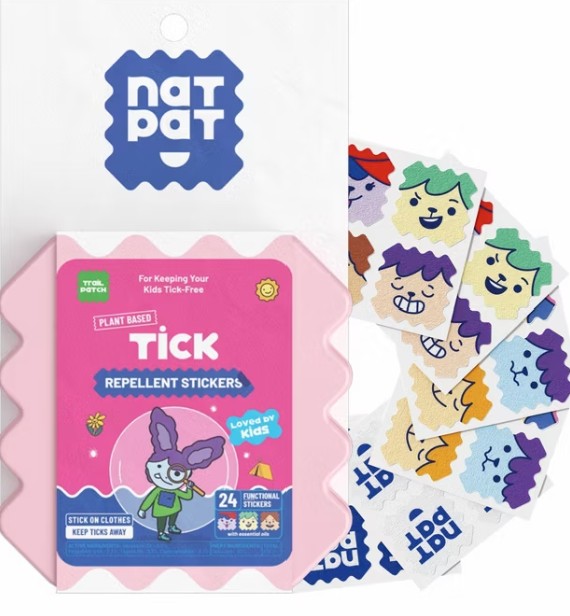
Looking for a way to keep Ticks away without having to breathe or absorb a bunch of chemicals?
Try these Tick Stickers!
Tick Stickers
| | |
Helping the Helpers (HTH)
Laptop needed
If you have a working laptop you no longer need, we would love to share it with SPAN!
“Some of our volunteers have been using a 2014 laptop to respond to emails. The laptop is barely working and cannot be updated. It is a huge help to us to have one laptop for our interviewers to use.”
Click here to donate
| | |
LAST WEEKEND!
Charm Bar is Saturday 8/1 from 11-4
First Sunday is 8/2 11-5
Shop is open 10-6
| | |
ROTARY CLUB of ANNAPOLIS
2026 Annapolis 80th Annual ROTARY CRAB FEAST charity event
ALL YOU CAN EAT CRAB FEAST !!!
Friday, August 7, 2026- 5PM TO 8PM
Our crab feast features crabs, corn, BBQ and hot dogs with beer from the keg and sodas & water.
For dessert, we have watermelon included, and baked items for sale.
This special event is not only the world’s largest crab feast but also a major fund-raiser that benefits local community and cultural organizations.
The feast is all-you-can eat and drink, including large male crabs plus sweet Maryland corn on the cob, BBQ, draft beer, and assorted sodas and water. A bake sale and cake raffle can finish your feast with sweetness. Also for sale will be Crab Feast T-shirts and other memorabilia.
For the eighth consecutive year, Annapolis Rotary is working with the non-profit Annapolis Green to make the Crab Feast a ZERO-Waste event. More than 7 TONS of waste per year has been composted. That means NOTHING will go to the landfill. EVERYTHING will be recycled or composted. In just two months the Crab trays, crab shells & all other food waste, all paper products, spoons, knives, and even wooden mallets go in compost. Yes, that includes spoons, knives, and the clear beer cups too. They look like plastic, but are made from plants and therefore, are compostable! Please help us make this Zero-Waste by putting your trash in the appropriately labeled bin.
Click here for details!
| |
Dinner Under the Stars Music and Entertainment
Music is 6pm-9pm unless otherwise indicated
Music is set up in front of Mission Escape
Dance the night away under the stars
| | |
Tunesday 2026
Hey Annapolis! It’s time for one of your favorite free events of the Summer!
The coolest & most unique concert series in Annapolis is back.
Held every Tuesday evening through Sept 1, this is a fabulous opportunity to support the local music scene.
Join us for an after-work, casual hang out in a relaxing setting, surrounded by the beautiful nature of Back Creek. The music plays for an hour and a half & ends during sunset.
This is an on-the-water event that is free, family friendly, and open to the community.
Enjoy live performances from local musicians aboard a floating stage: an anchored 40’+ foot catamaran sailboat provided by Chronic Sailing.
Click here for details!
| | |
Maryland Renaissance Festival Returns
Our 2026 season begins on August 29th for nine weekends of merriment. Huzzah!
Bring Cash !!!
August 29, 30; September 5, 6, 7, 12, 13, 19, 20, 26, 27; October 3, 4, 10, 11, 17, 18, 24, & 25, 2026
10am to 7pm
Click here for details!
| | |
The Summer Concert Series continues for 2026 season!
Concerts start at 7 p.m. at the Museum’s waterfront McNasby campus (723 Second St., Annapolis).
The Tides & Tunes Summer Concert Series offers 10 weeks of popular music–from rock to folk to blues–with the incomparable backdrop of the Chesapeake Bay. Concerts are free; however, donations are gratefully accepted. Food and spirits are available for purchase. Beverage sales support the Museum’s education program. No outside alcohol permitted. Bring a chair or blanket.
08/06/26, Honest Lee Soul
(funk, soul, blue, hip-hop, and rock)
08/13/26, Jarflys
(rock)
08/20/26, Jah Works
(roots reggae, dancehall, dub, and rocksteady)
Click here for details!
| | |
August 2nd
Welcome to our First Sunday Arts Festival
Inner West Street Association is the proud sponsor of Maryland's premier art festival. From May through November, thousands of visitors enjoy shopping along beautiful West Street in downtown historic Annapolis.
FREE ADMISSION
Over 100 Vendors | Live Entertainment | Café Dining
Click here for details!
| | Quiet Waters Park Summer Concert Series | |
Food Truck Fridays Annapolis
Dates: Through - November 1, 2026
Time: From: 4:00 PM to 8:00 PM
Recurrence: Recurring weekly on Friday
| |
Jazz and Jams – Natalie Brooke Band with Ahmed Warshanna Trio
Sunday, August 16, 2026 5:30PM | Doors 4:30PM
“Road to Baygrass”: The Annapolis Fiddler’s Pick-nic & Bday Bash! Sponsored in part by Annapolis Baygrass Festival & DC Bluegrass Union
Saturday, August 29 | Doors 3:00PM
Hosted by Sarah Larsen of the Black-Eyed Suzies (Happy Birthday Sarah!)
Click for tickets
| | |
Other Happenings
Shop Tax-Free Maryland Week
It’s back to school time already! August 9 to 15 is Shop Maryland Tax-Free Week! During Tax Free Week, clothing and shoes ($100 or less) are exempt from the state sales tax, and the first $40 of a backpack purchase is tax-free. This is a great opportunity to keep your money right here in Annapolis. Shop local and save during Shop Maryland Tax-Free Week!
Profs & Pints Annapolis: Maintain Your Brain
Tuesday, August 11, 2026
5:00pm-7:30pm
Graduate by Hilton Annapolis
| | |
ASO
The Annapolis Symphony Orchestra will close out summer with free outdoor concerts during its annual "Pops in the Park" event, a longtime Labor Day weekend tradition in Anne Arundel County. The family-friendly performances will take place on Sept 6th, at Quiet Waters Park in Annapolis. A Community Celebration Through Music…...
| | Melon peach burrata salad | | |
This is a fantastic easy dinner or breakfast option when you don't feel like cooking in the hot summer months
- 1 small cantaloupe cut up
- 1 small peach cut up
- burrata cheese ball roughly separated
- chopped basil or mint or arugala
- prosciutto roughly chopped
- drizzle with white wine vinegar and quality olive oil
- sprinkle with pink Himalayan salt
YUM!
Click here for recipe!
| | | | |