|
Long before trees reached for the sky or flowers appeared, Earth was a fungal world. Vast underground webs of early fungi helped form the first soils, recycled nutrients, and supported life on land.
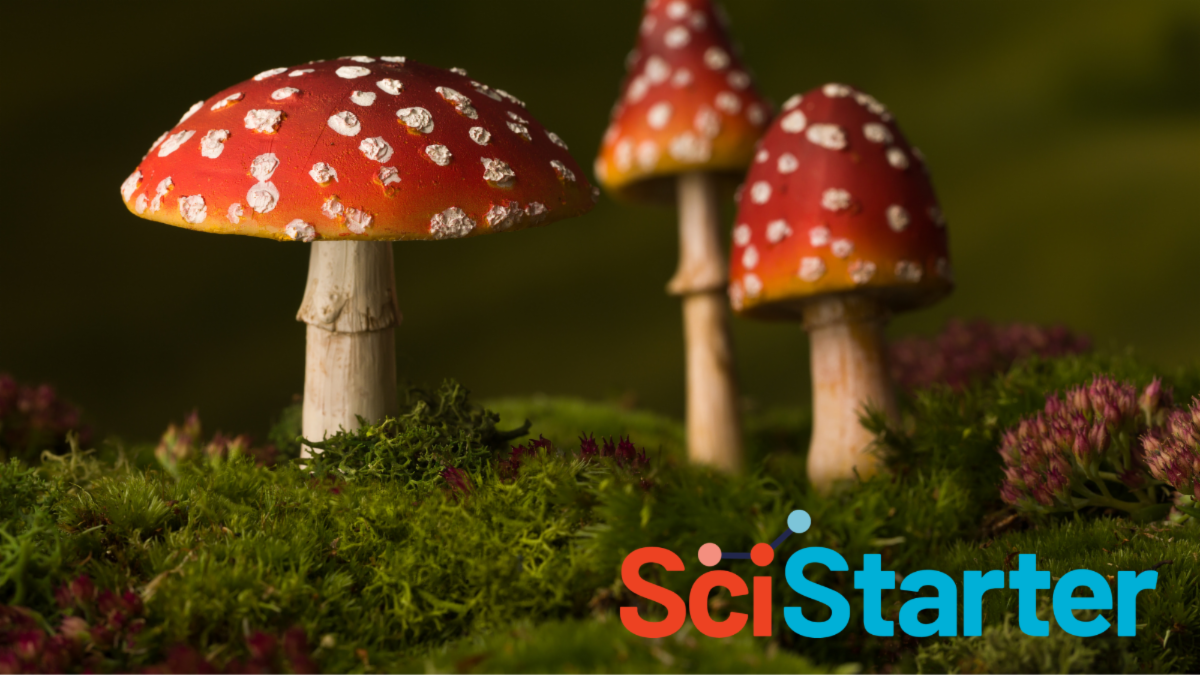
Fungi aren’t plants or animals. They’re their own kingdom, including mushrooms, molds, yeasts, lichens, and millions of microscopic species. They break down dead material, return nutrients to the soil, support plant growth, and even help store billions of tons of carbon underground. Most of this happens out of sight. What we see above ground, the mushroom, is just the reproductive “fruit,” much like an apple on a tree.
Humans have relied on fungi for thousands of years, not just for their ecological power, but for food, medicine, and culture. Ancient civilizations used mushrooms for nutrition and healing, considered them symbols of immortality, and even featured them in sacred rituals. Today, fungi remain essential: they enrich diets, produce life-saving medicines, enable fermentation, and inspire new sustainable technologies.
Despite their importance, fungi are still one of Earth’s least-understood life forms. Scientists estimate there are millions of species, but fewer than 10% have been identified. That means the mushroom in your backyard could be new to science!
By photographing and sharing fungi you find, you can contribute to biodiversity research, ecosystem monitoring, and even scientific breakthroughs. It’s easy to get involved:
After your fungi adventure, you can keep discovering more plants and animals through Spirits of the Realms, an augmented reality game. Augmented reality means that digital elements — like characters or quests — appear layered over the real world through your phone’s camera. As you play, you can also document real species and contribute biodiversity data when you integrate with QuestaGame, a SciStarter Affiliate project that turns species identification into a friendly competition.
Join the discovery, support real research, and help uncover the hidden biodiversity beneath our feet.
Cheers!
The SciStarter Team
|