|
This month, our community was shaken.
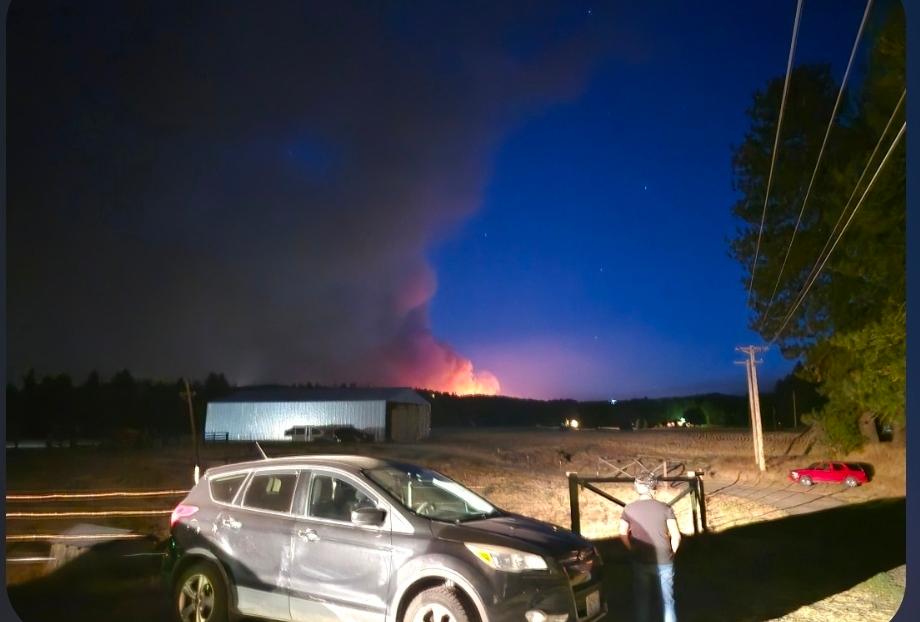
The Spokane Complex fires displaced 65,000 people, destroyed more than 900 homes, and left families across our region facing an unimaginable reality. Some evacuated with minutes to spare. Some watched from a distance, not knowing if they would have a home to return to. And some, like my husband Kent and I, made the personal decision to leave before we were told.
We were not under a mandatory evacuation order. But we looked at each other and decided that our comfort level was in jeopardy. So, we went back to the house to gather what we would need.
Want to know what we took? Each other, important documents, our dog, dog food, and food from our freezers because our power had been shut off. We were lucky to already have some clothes, medications, etc. at our alternate residence.
Point being, when we were stripped of every other consideration, there were very few things that mattered. It was a sobering and clarifying experience.
Others I know had a very different experience. Some were under mandatory evacuation and loaded everything they could into their vehicles, not knowing if or when, they would return. And some family members were directly in the path of the fire and chose not to leave at all. My friends who had previously experienced fires in 2023, reliving all that trauma as the fires in Spokane lit up so much of our community. The range of responses across our community has been wide and deeply human.
One of my fellow financial coaches, who also evacuated, did something I found incredibly wise. Before she left, she walked through her home and recorded a video of every room, every item, every corner. Not out of panic, out of preparation. So that if the worst happened, she would have documentation to support an insurance claim.
It made me reflect on a question I ask clients all the time, just not always in this context.
How prepared are we, really?
The Emergency Fund Conversation We Need to Have
In financial coaching, we talk a lot about emergency funds. The starting point, the Baby Step 1 goal, is $1,000. That is a meaningful first step. It creates a buffer and prevents small surprises from turning into BIG debt.
But $1,000 will not cover a week in a hotel, meals for your family, boarding for your pets, replacement clothing, and the thousand small expenses that come with being displaced. It will not hold you over while an insurance company processes a claim that could take weeks or months to resolve. It will certainly not begin to address a total loss.
A fully funded emergency fund, typically three to six months of expenses will not rebuild your home either. It WILL give you breathing room. It will allow you to make decisions from a place of stability rather than desperation while you wait for insurance, assistance, and the next chapter to take shape.
The Spokane Complex fires are a real-world reminder that emergency funds are not just for job loss or medical bills. They are for this too.
The Insurance Coverage Doesn’t Add Up
“After two Spokane-area fires in 2023, two-thirds of
people who lost their homes found they were underinsured, according to the state office of the insurance commissioner, meaning their policy covered less than what they needed to rebuild their home (The Seattle Times, August 9, 2026)"
This often occurs when house and property values increase, but homeowners don’t evolve their coverage to keep up with the value of their homes.
That means that even when families feel like they’re doing everything right, they pay their premiums, they maintain their policies, a total loss reveals that their coverage was not enough to replace what they lost at today's construction costs. They are not just grieving the loss of their home. They are also facing an unanticipated financial gap.
If you own a home, I want to encourage you to do one thing this month: call your insurance agent and ask a simple question.
"If my home were a total loss today, would my current policy cover the full cost to rebuild at current construction prices?"
If the answer is no, or if your agent hesitates, it is time to revisit your coverage.
Emergency Preparedness Checklist
You do not have to wait for a disaster to get your financial house in order. Here are some practical steps you can take right now:
-
Document what you own. Walk through your home with your phone and record a video of every room. Store it somewhere outside your home, like a cloud drive, an email to yourself, a thumb drive kept at work.
-
Know where your important documents are. Birth certificates, passports, Social Security cards, insurance policies, vehicle titles, and financial account information. Keep originals in a portable file box stored in a fireproof safe or store digital copies in a secure location you can access from anywhere.
-
Review your homeowner's or renter's insurance. Know your coverage limits. Know what is excluded. Know how to file a claim and what documentation you would need. Renter's insurance is often overlooked, if you rent, please make sure that you have it.
-
Build toward a fully funded emergency fund. Start with $1,000, then keep going. Three to six months of expenses is the goal. It will not solve everything, but it will give you options when options feel scarce.
-
Have a go-bag ready. Important documents, medications, phone chargers, a few days of clothing, cash, and anything irreplaceable. Know where it is. Know what is in it.
What I've Learned This Month
My friend and colleague, Stephanie High described it well. What we are all feeling is the grief of losing normalcy. Even for those of us whose homes were spared, something is different. The fires changed the landscape physically and emotionally and our community will be processing that for a long time.
I have moved through anxiety, gratitude, helplessness, and back again more times than I can count this month. I imagine many of you have too.
Preparation is not about predicting disaster. It is about giving yourself choices when life removes them. The families who lost their homes to the Spokane Complex fires did not choose this. But some of them will recover faster because they had documentation, coverage, and a financial cushion. Some will face a harder road because those pieces were not in place.
If there is any silver lining to a month like this, it is the reminder that we can act now, before we are standing in a doorway deciding what to take.
Take each other. Take the documents. Take the dog. And before you close the door, pull out your phone and press record.
If you would like to talk through your emergency fund, your insurance coverage, or your overall financial preparedness, I am here for you.
|