OCT. 2026 EAB Information Network BENEATH THE BARK


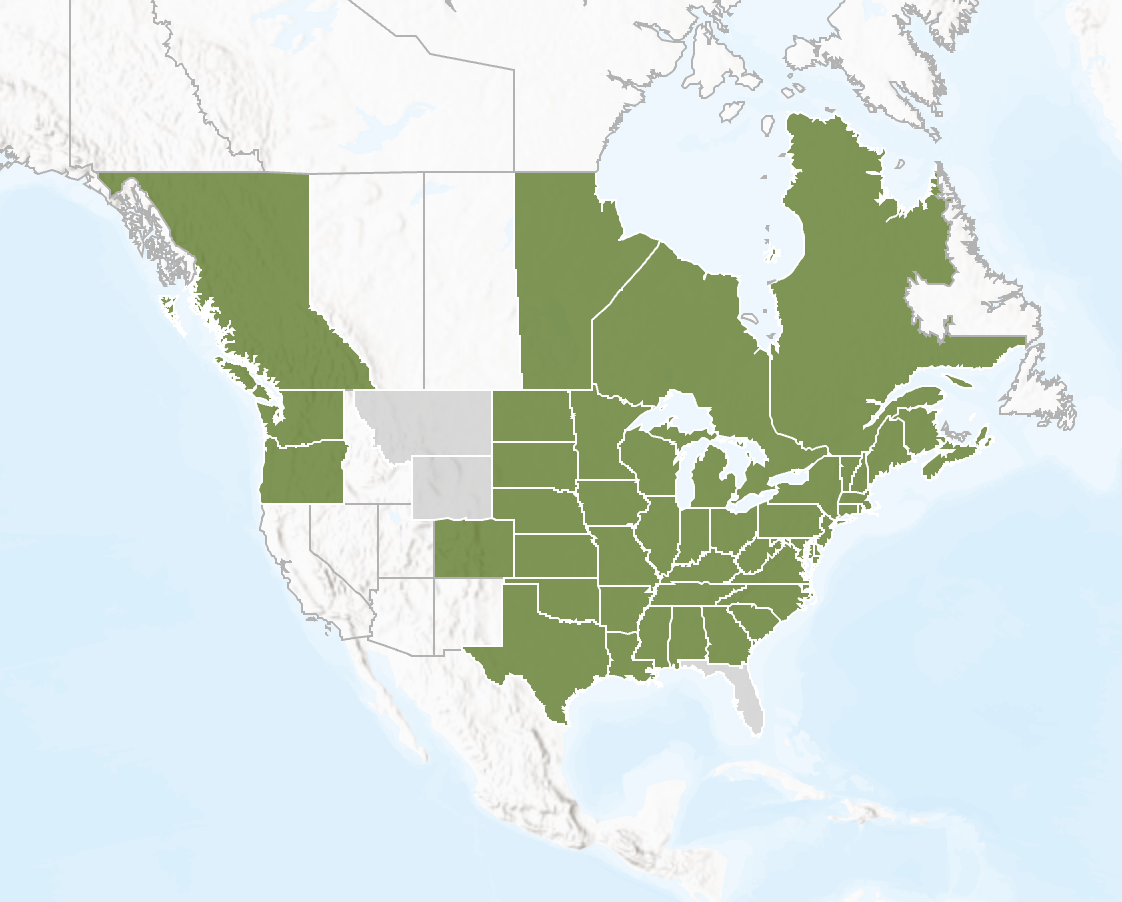
EAB Infestation Map

Below is the current map of emerald ash borer (EAB) infestation across North America. The first EAB infestation in Washington was confirmed on 19 Aug. 2026. EAB is now present in 39 states and six Canadian provinces. An up-to-date map of EAB distribution is available on our website.

EAB in north america map
Emerald Ash Borer University

Don’t Miss the Final Fall EABU Session

Note: The remaining session has been approved for ISA CEUs

October

29

1:00 p.m. EST

Management of Some Invasive Trees of the Eastern US


Lenny Farlee

Purdue Forester, Hardwood Tree Improvement & Regeneration Center


Recent EAB News


Officials Confirm First Detection of EAB in Walla Walla County, WA


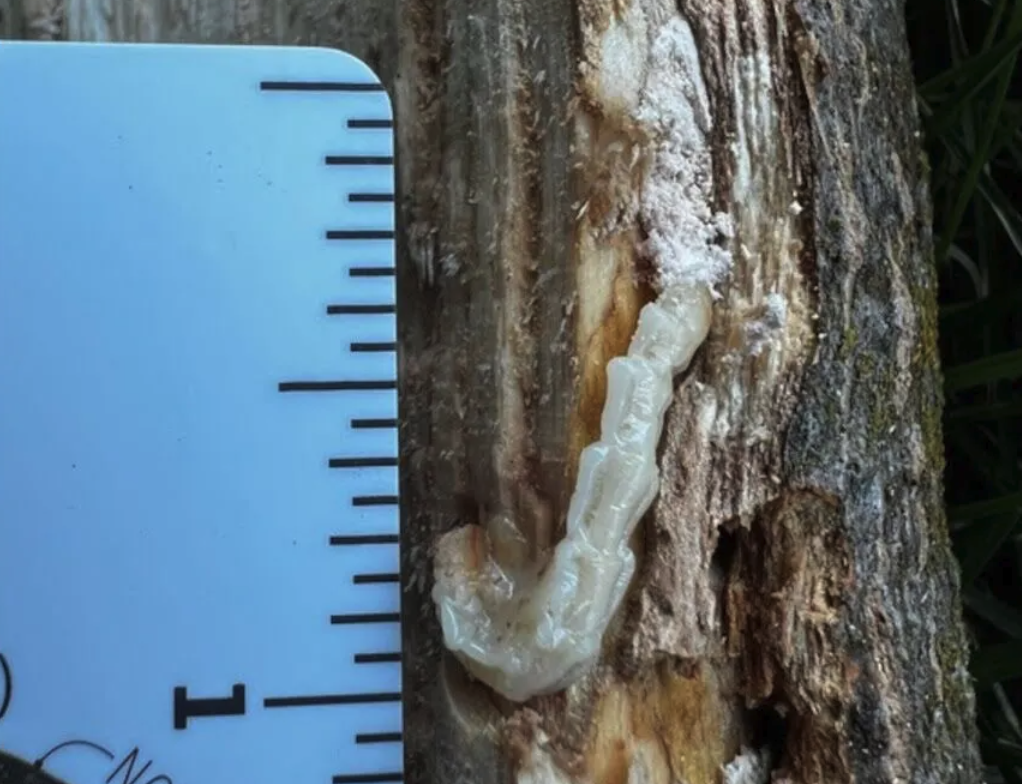
EAB has been confirmed in Walla Walla County, just one month after Washington state reported its first detection of the invasive pest. Officials found multiple larvae and signs of infestation in ash trees near College Place after a local arborist reported suspected damage.


Kentucky Entomologist Advances Gene-silencing Technology to Protect Forests from Invasive Pests


Researchers at the University of Kentucky are advancing RNA interference (RNAi), a highly targeted pest management tool that kills insects by silencing essential genes. The technology is being developed for EAB and southern pine beetle, with studies showing it can control the target pests while leaving non-target insects and wildlife largely unaffected. Scientists are now focused on improving delivery methods and extending protection to make it a practical alternative to conventional insecticides.


Other News


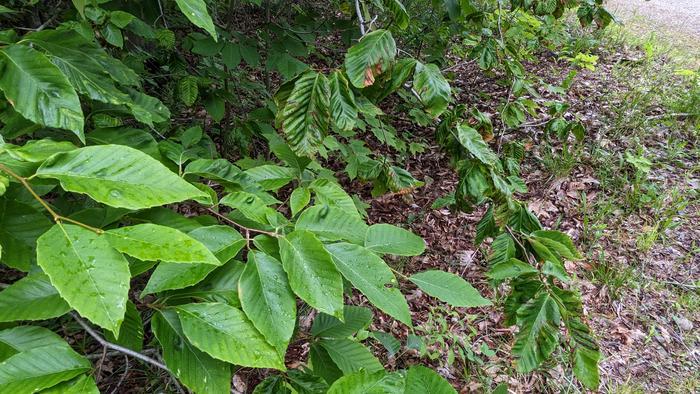
New Study Provides Hope for Resistance to Beech Leaf Disease


A new study led by scientists at the Holden Arboretum in Ohio found evidence that beech leaf disease symptom development is genetically controlled, suggesting some American beech trees may have natural resistance to the disease. The findings support further research into breeding resistant trees, an important step as beech leaf disease continues to cause widespread mortality in affected forests.


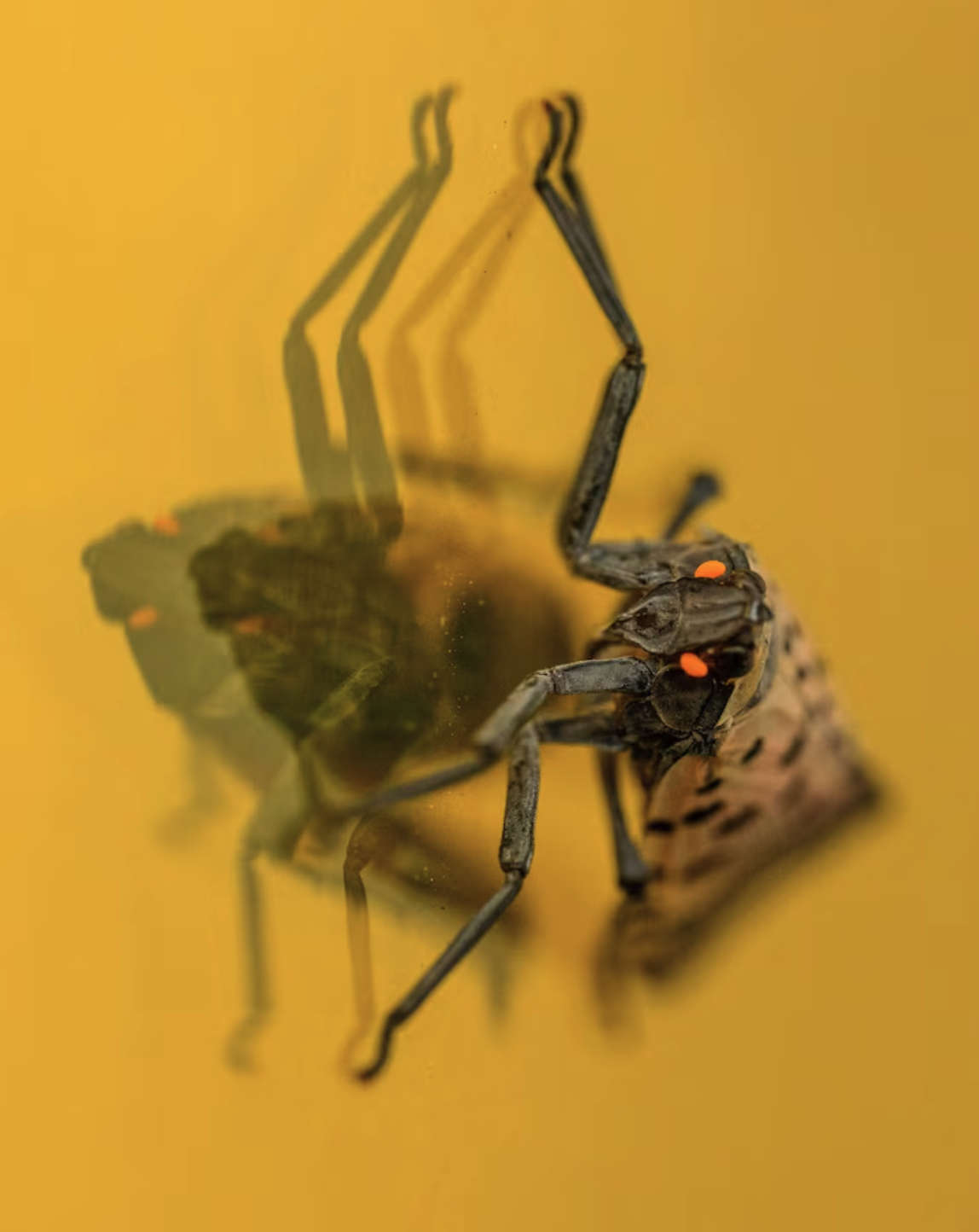
SLF and Milkweed


Researchers found that spotted lanternflies that feed on milkweed often die, suggesting the native plant may play a role in suppressing populations of the invasive insect. While milkweed alone is unlikely to provide significant control, the finding highlights a potential added benefit of planting milkweed, which also serves as critical habitat for monarch butterflies and other pollinators.


The Overlapping Plagues Quietly Devastating American Forests


A recent New York Times article highlights how forest pests and diseases are increasing worldwide as global trade moves insects and pathogens into new areas through live plants, wood packaging and other products. Featuring forest health experts from around the world, the article illustrates the far-reaching impacts invasive species can have on forests, wildlife habitat, water quality and other ecosystem benefits.


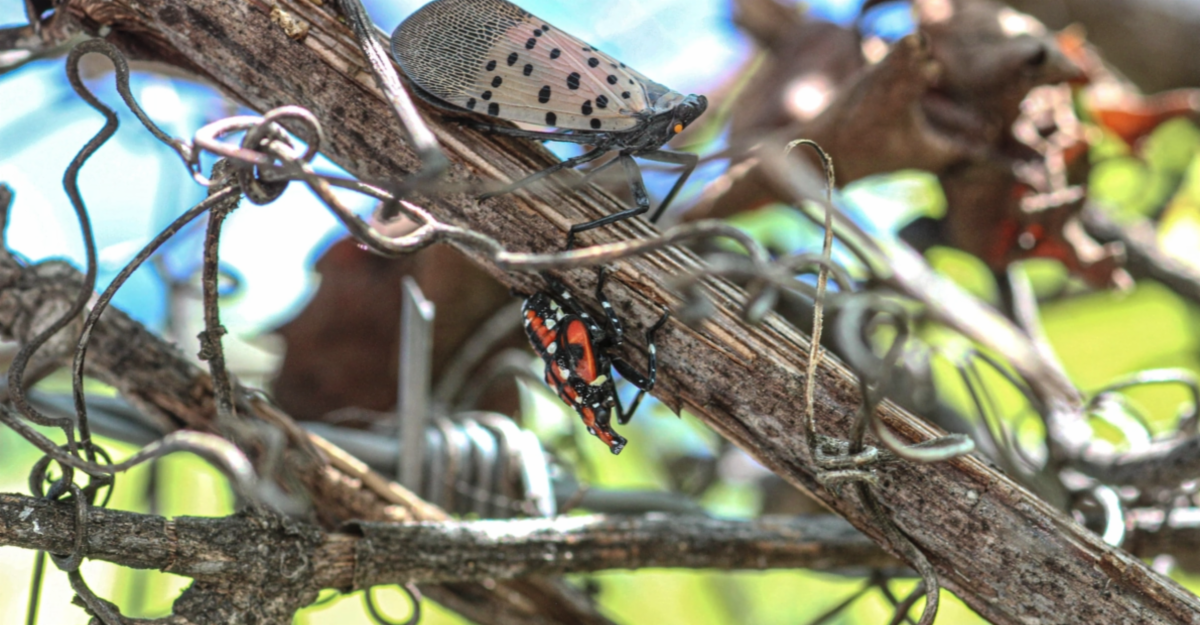
MSU Extension Helping Michiganders as Spotted Lanternfly Spreads in State


Michigan State University researchers are using a simple, low-cost "lampshade" trap that attracted about 80% of found spotted lanternfly egg masses in field trials, helping detect local populations. MSU Extension is encouraging residents, gardeners and growers to build traps, remove egg masses and report sightings to help slow the insect's spread.


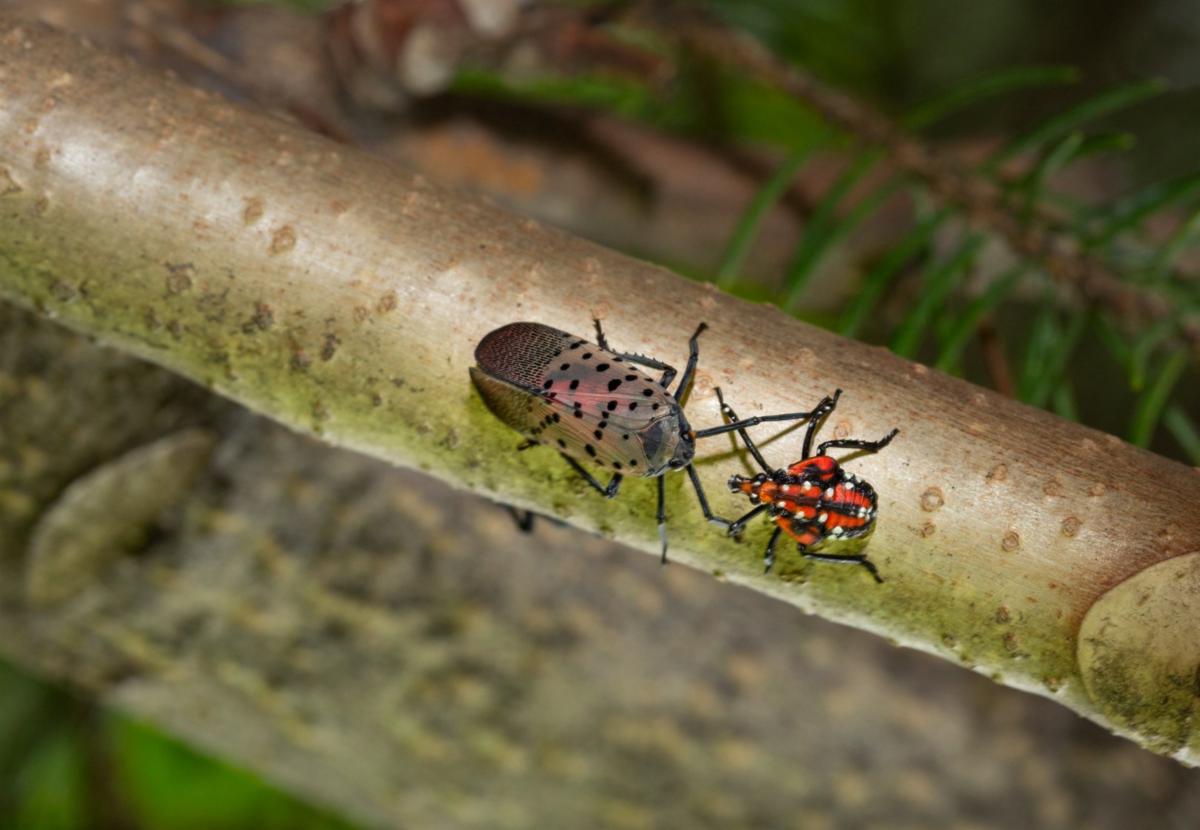
Spotted Lanternfly Found in Hungary


Hungary has confirmed its first detection of spotted lanternfly after an insect found by a resident in Bács-Kiskun County was identified through laboratory testing. The National Food Chain Safety Office announced the finding on Sept. 24, 2026, and has implemented quarantine measures. The Pest Outbreak and Alert Response System Steering Group considers spotted lanternfly an emerging pest of global concern.


New FAO Guide Aims to Helps Countries Strengthen Forest Biosecurity


A new guide from The Food and Agriculture Organization of the United Nations urges countries to strengthen forest biosecurity systems as global trade, travel and climate change increase the risk of invasive forest pests and diseases. The publication outlines strategies for prevention, early detection and long-term management, emphasizing that coordinated action across government agencies, researchers, land managers and local communities is essential to protect forests. The guide comes at a pivotal time as EAB spreads through Europe and spotted lanternfly was detected in Hungary.


Not subscribed to Beneath the Bark? Join our newsletter-only mailing list to get monthly updates right to your inbox.

Web
bluesky icon
Emerald Ash Borer Information Network