oct 2025 EAB information network beneath the bark

EAB Infestation Map

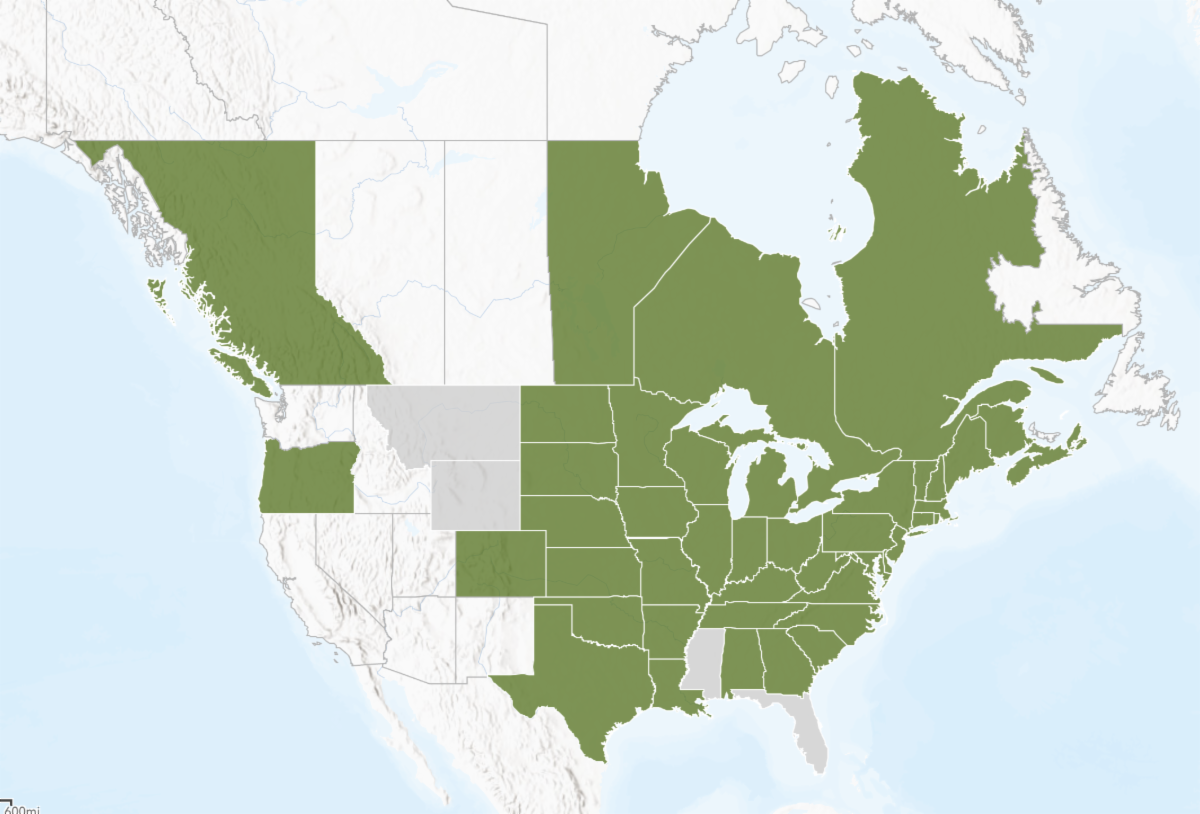
Below is the current map of emerald ash borer (EAB) infestation across North America. The most recent additions to the infestation map are British Columbia (May 2024) and North Dakota (August 2024). An up-to-date map is available on our website.

Map of north america highlighting where emerald ash borer has spread

EAB University is back!

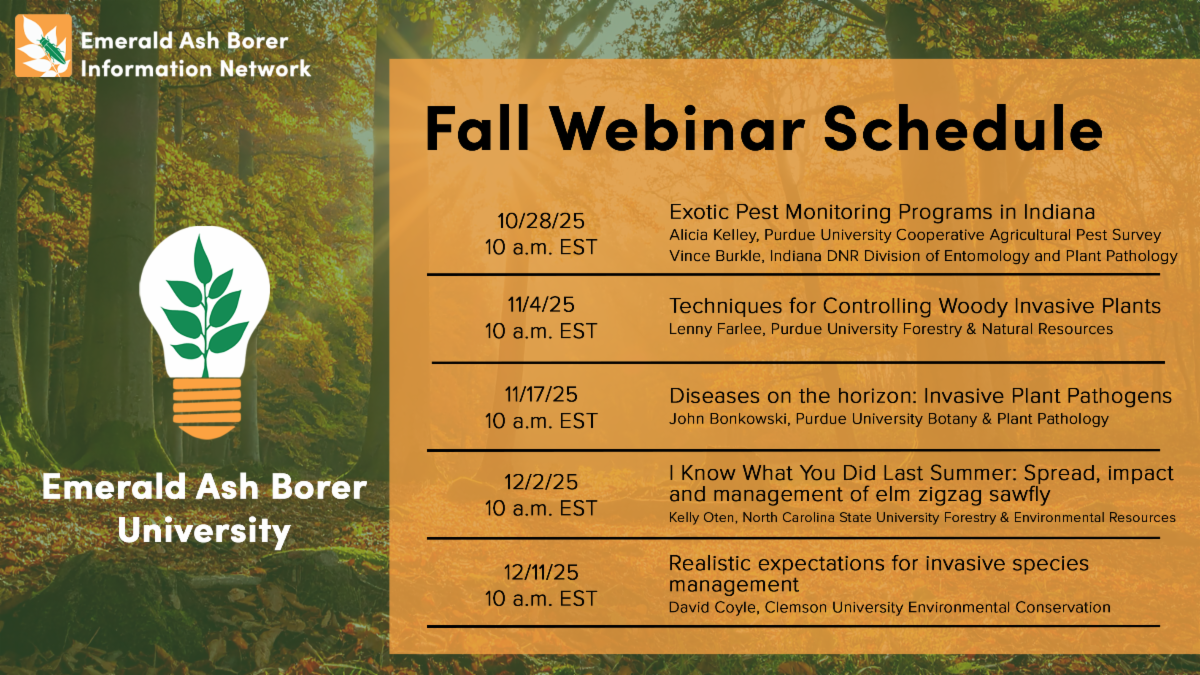
EABU Fall Webinar Schedule Exotic Pest Monitoring Programs in Indiana Alicia Kelley, Purdue University, CAPS State Survey Coordinator and Vince Burkle, Indiana DNR Division of Entomology and Plant Pathology, Assistant Director and Survey Coordinator Tuesda

EAB University is back with a new lineup of free fall webinars focused on invasive species management, monitoring and emerging forest health threats. This season’s topics range from woody invasive plant control to the spread of the elm zigzag sawfly and upcoming plant disease concerns. Experts will share the latest research and practical management strategies.


View the full schedule and register for upcoming sessions on the EAB University web page.

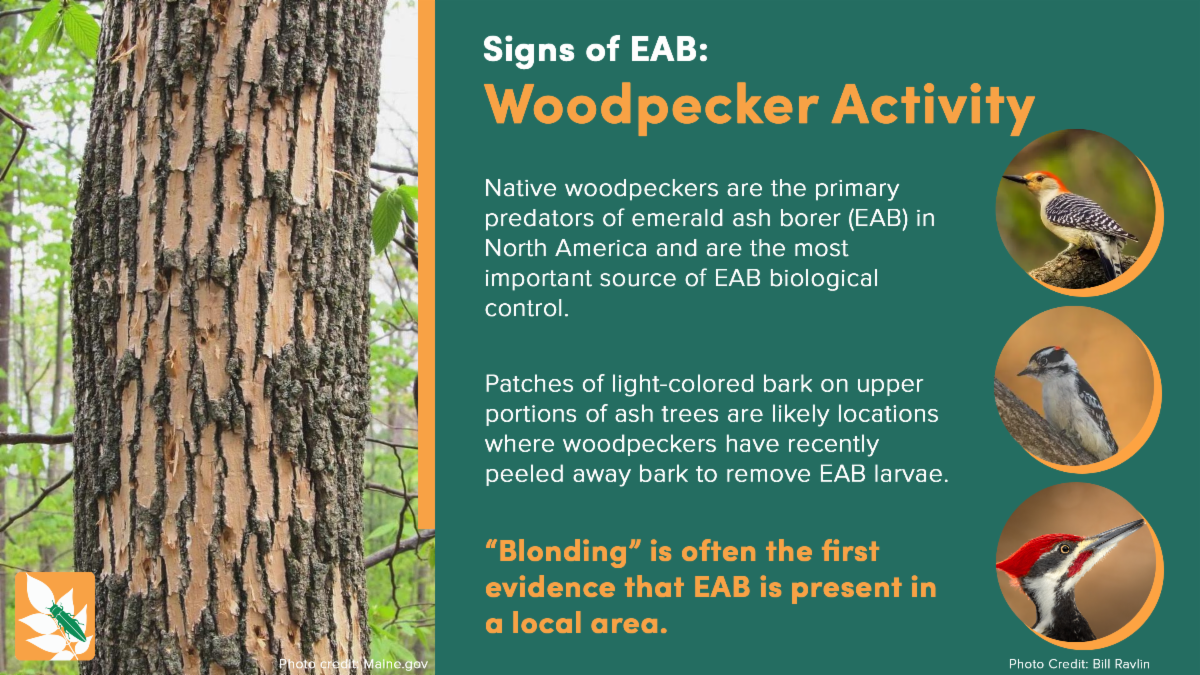
Woodpecker Activity Native woodpeckers are the primary predators of emerald ash borer EAB in North America and are the most important source of EAB biological control Patches of light colored bark on upper portions of ash trees are likely locations where woodpeckers have recently peeled away bark to remove EAB larvae Blonding is often the first evidence that EAB is present in a local area

Keep an Eye Out for Woodpecker Activity This Fall


As leaves fall this autumn, bark “blonding” may become more visible. Blonding occurs when woodpeckers peck at tree trunks, often high in the canopy, to feed on larvae. These marks on ash trees are often a sign of EAB infestation.

Firewood Month: The Risk Doesn’t End in October


Moving firewood at any time of year can spread invasive pests like emerald ash borer that harm forests. Throughout October, Don’t Move Firewood has been hosting seminars on firewood best practices and updates on invasive wood-boring insects. Don't forget to check out the remaining seminars below or click here for more information.

Tuesday, Oct. 28 4-5 p.m. EST

Wildfire Fuel: How Destructive Forest Pests Travel in Firewood


This talk will focus on goldspotted oak borer in southern California. Presentation by Joelene Tamm, Natural Resources Director for the La Jolla Band of Luiseño Indians.

Wednesday Oct. 29 1-2 p.m. EST

Updates on Emerald Ash Borer in the Pacific Northwest


This talk will focus on recent infestation and quarantine updates across Oregon and Washington. Presentation by Wyatt Williams and others with the Oregon Dept. of Forestry as well as staff of the Washington Invasive Species Council.

Recent EAB News

State, federal agencies use wasps to slow the spread of emerald ash borer in Minnesota


The Minnesota DNR, MDA, and USDA Forest Service completed a joint biological control effort in the Chippewa National Forest, releasing three species of non-stinging parasitoid wasps to target EAB at different life stages. This long-term program, launched in 2010, helps reduce EAB populations and slow their spread without harming other species.

minnesota DNR

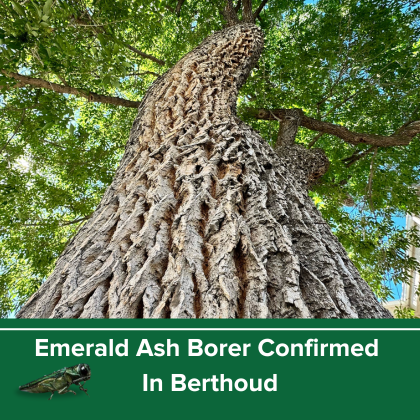
Emerald Ash Borer Confirmed In Berthoud, CO


Colorado State University Extension recently confirmed the presence of EAB in the town of Berthoud. The discovery marks the latest expansion of EAB in Colorado, where the pest threatens an estimated 15% of urban trees. Thanks to a long-term management plan, nearly 80% of public ash trees in Berthoud are already under protection treatments.

emerald ash borer confirmed in berthoud

What can the emerald ash borer reveal about the long-ago loss of American chestnut?


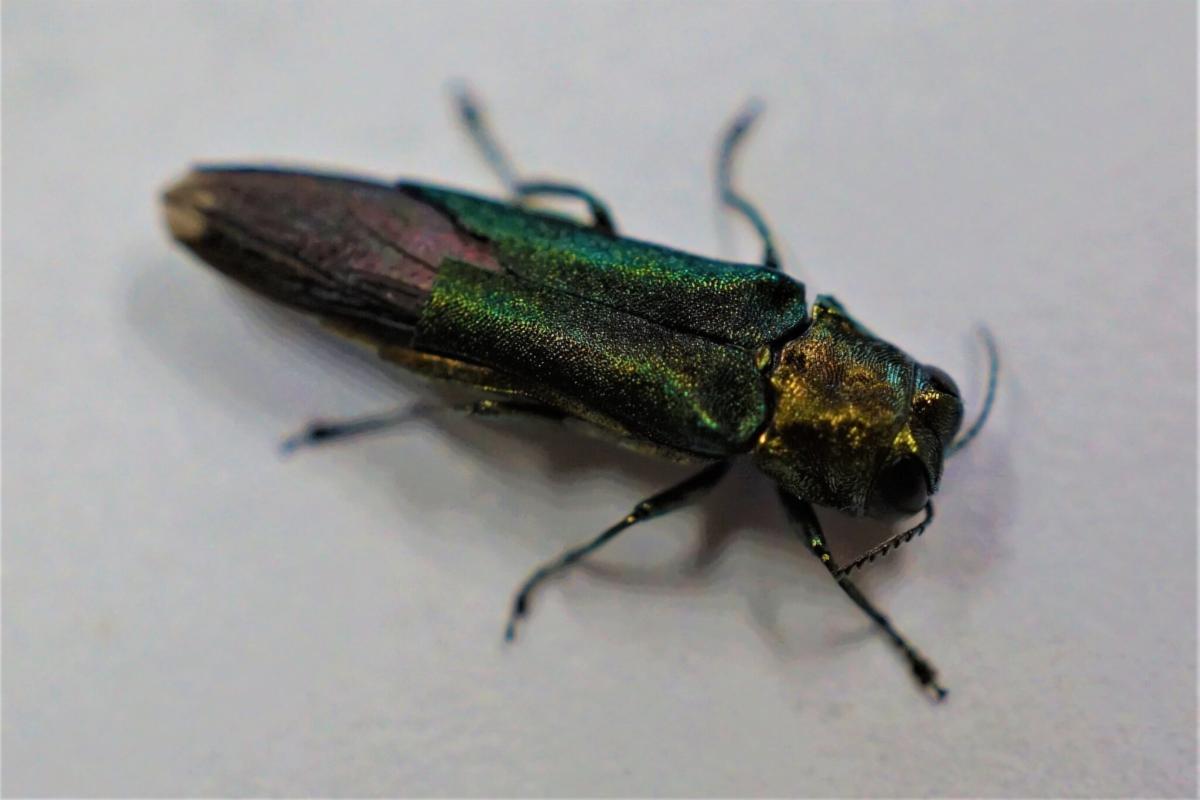
At the Hubbard Brook Experimental Forest in New Hampshire, researchers are studying how EAB–driven ash loss may mirror the long-ago disappearance of the American chestnut. The Ash Protection Experiment, led by UNH’s Jeff Garnas, examines how the loss of ash trees affects forest biodiversity, soil microbes, and ecosystem health.

emerald ash borer

Other News

Microscopic worms are attacking trees in the Northeast and Beyond


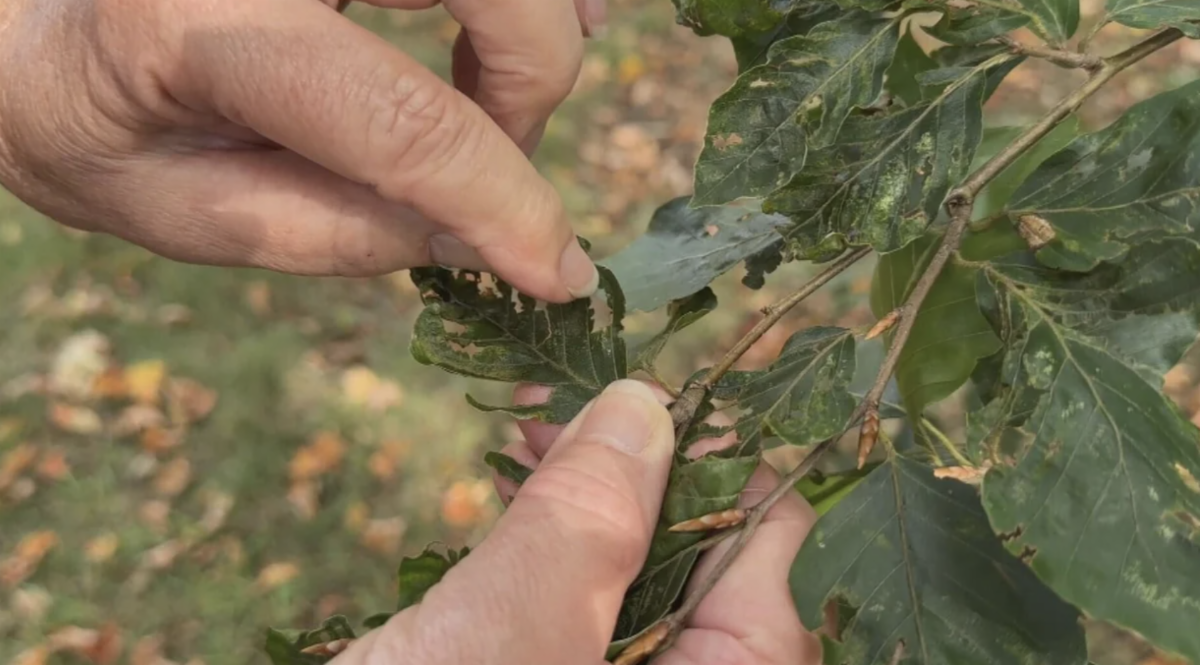
A recent CBS Boston story highlights the spread of Beech Leaf Disease, caused by an invasive microscopic nematode attacking trees from the Northeast as far west as Michigan and north into Ontario. Arborists are testing treatments to protect historic and native beeches, a costly process with early signs of success.

beech leaf disease

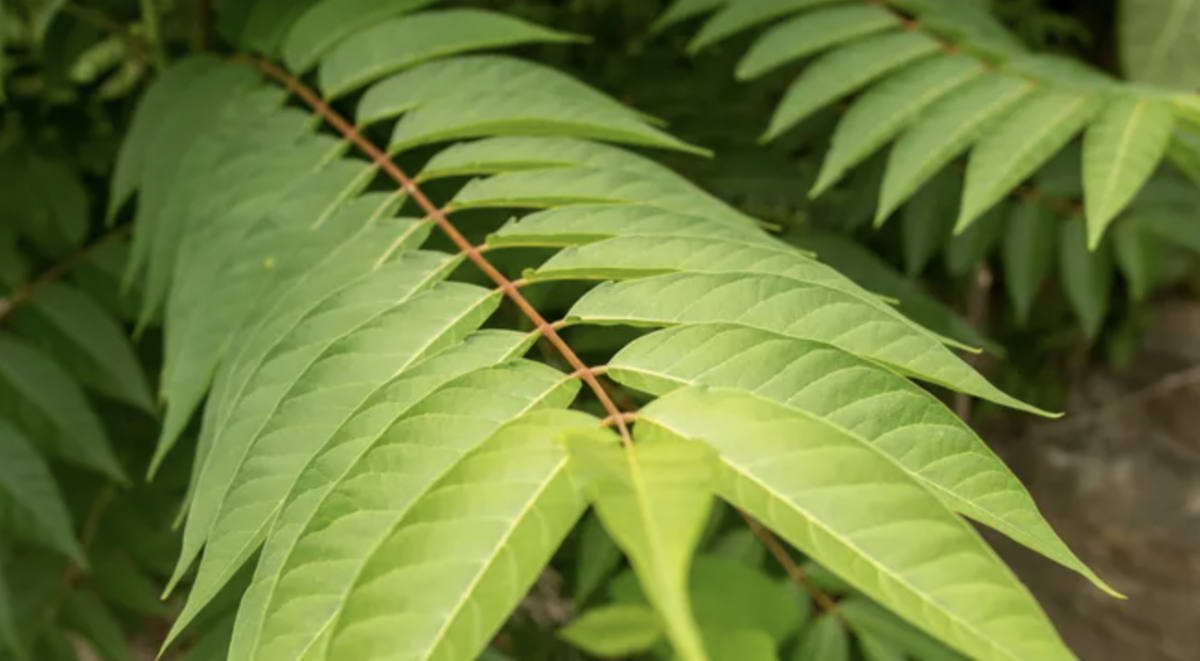
Invasives: Tree of heaven is stinky, toxic and helping the spread of spotted lanternflies


A new Texas law, effective Sept. 1, establishes a statewide alert system for pests and diseases affecting plants and wildlife. The system will notify residents about emerging threats to help slow their spread.


Helpful information on identifying Tree of Heaven can be found here.

tree of heaven

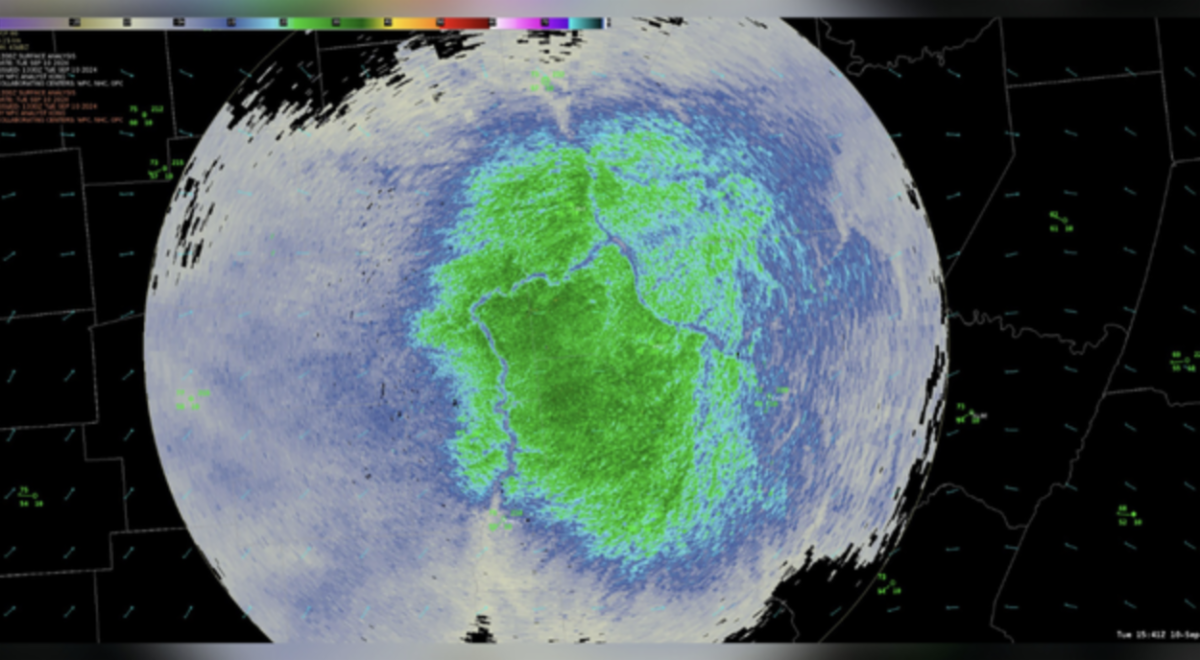
Spotted lanternflies in Pittsburgh picked up by weather radar


In Pittsburgh, swarms of spotted lanternflies are appearing on weather radar, moving along river valleys. The National Weather Service confirmed the radar signals, noting that the insects’ movement with the wind can mimic precipitation patterns.

weather radar
Web
bluesky icon
Emerald Ash Borer Information Network