Your monthly news on EAB and other invasive insects
EAB Awareness Week 2026
EAB Infestation Map
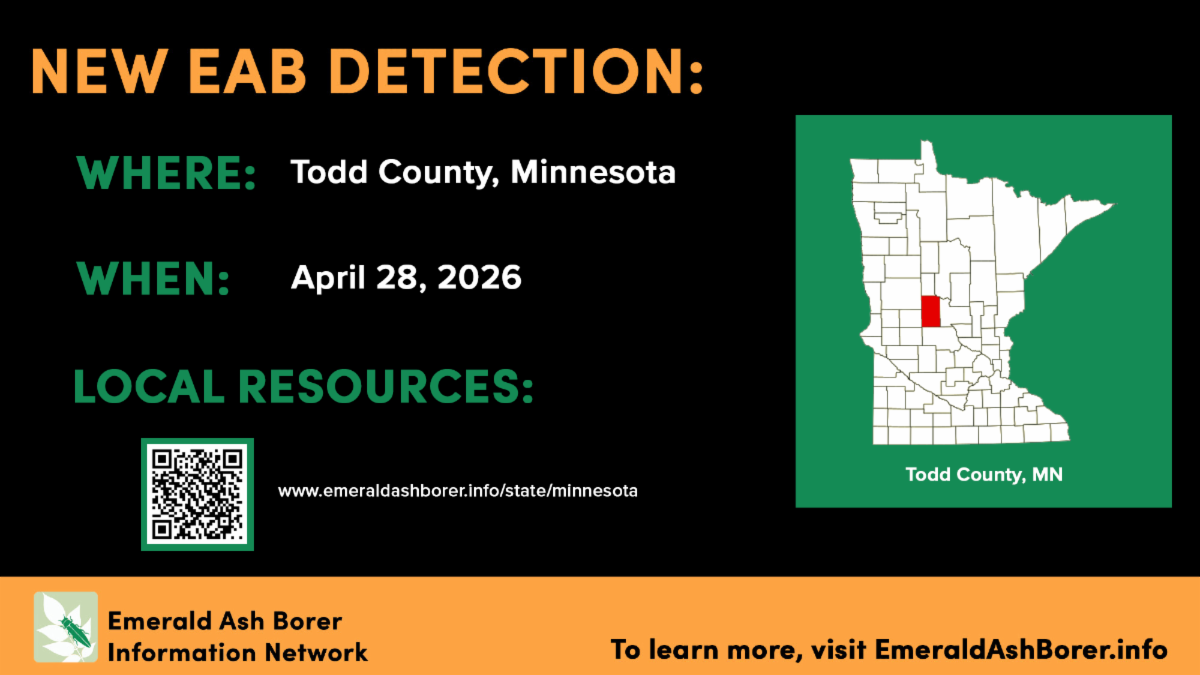
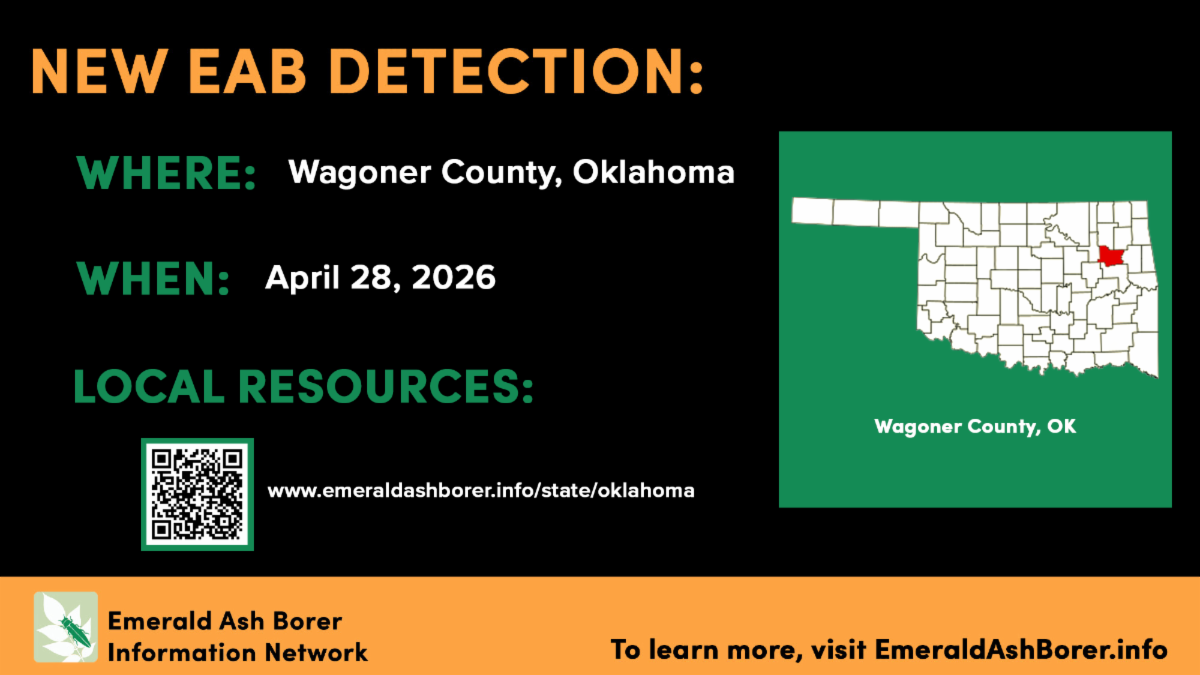
Below is the current map of emerald ash borer (EAB) infestation across North America. Mississippi was added on Nov. 14, 2025. EAB is now present in 38 states and six Canadian provinces. An up-to-date map is available on ourwebsite.
Black Ash: A Foundational Wetland and Cultural Keystone Species
Black ash is a cornerstone wetland tree in the Great Lakes and Northeast, but it is also the highly preferred host by EAB beetles making it especially vulnerable to infestation, compared with other North American ash species.
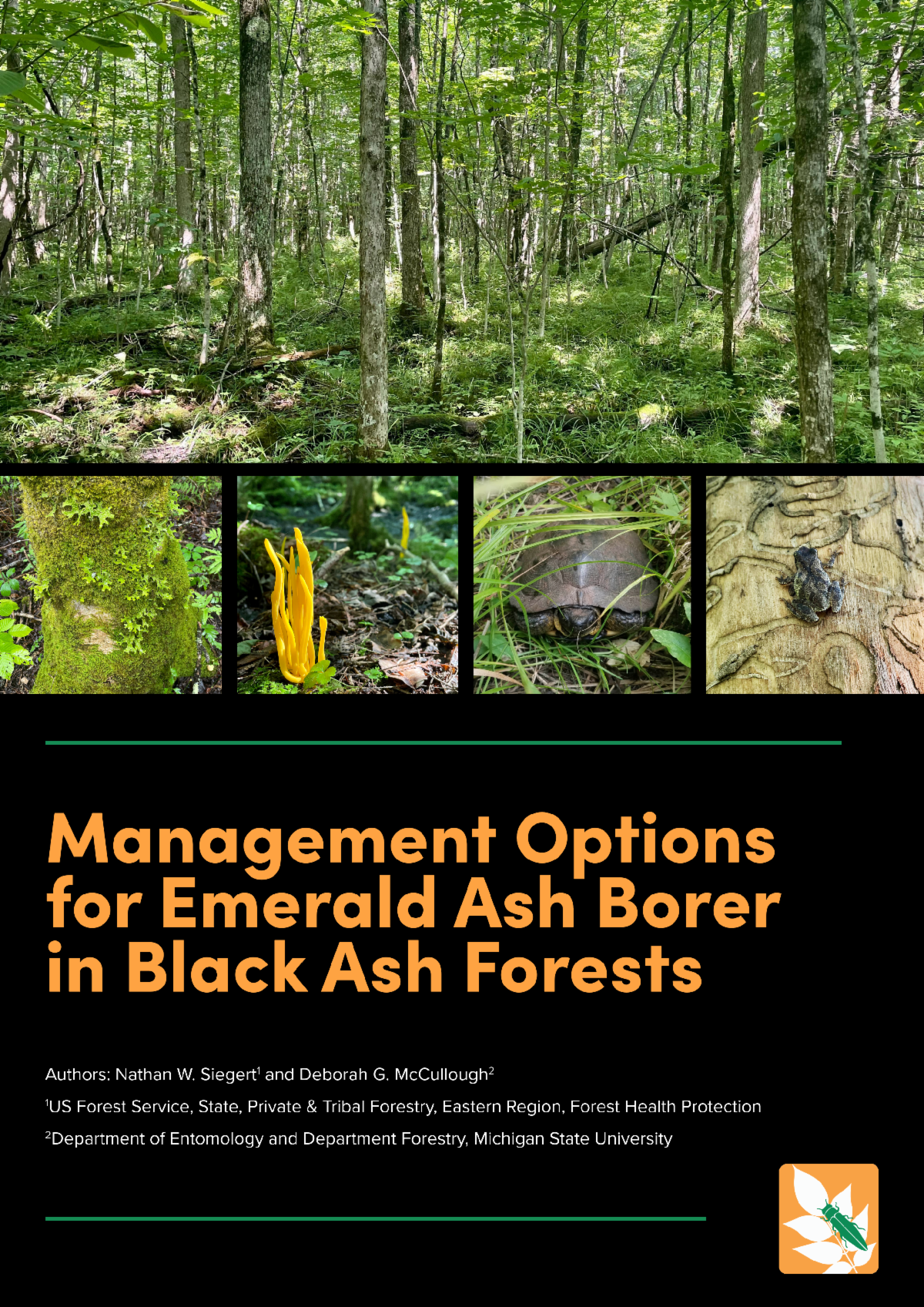
Management Options for Emerald Ash Borer in Black Ash Forests
A new bulletin on our website outlines management options for protecting black ash in forested settings, including when to intervene and how tools can be combined to conserve ecological and cultural values.
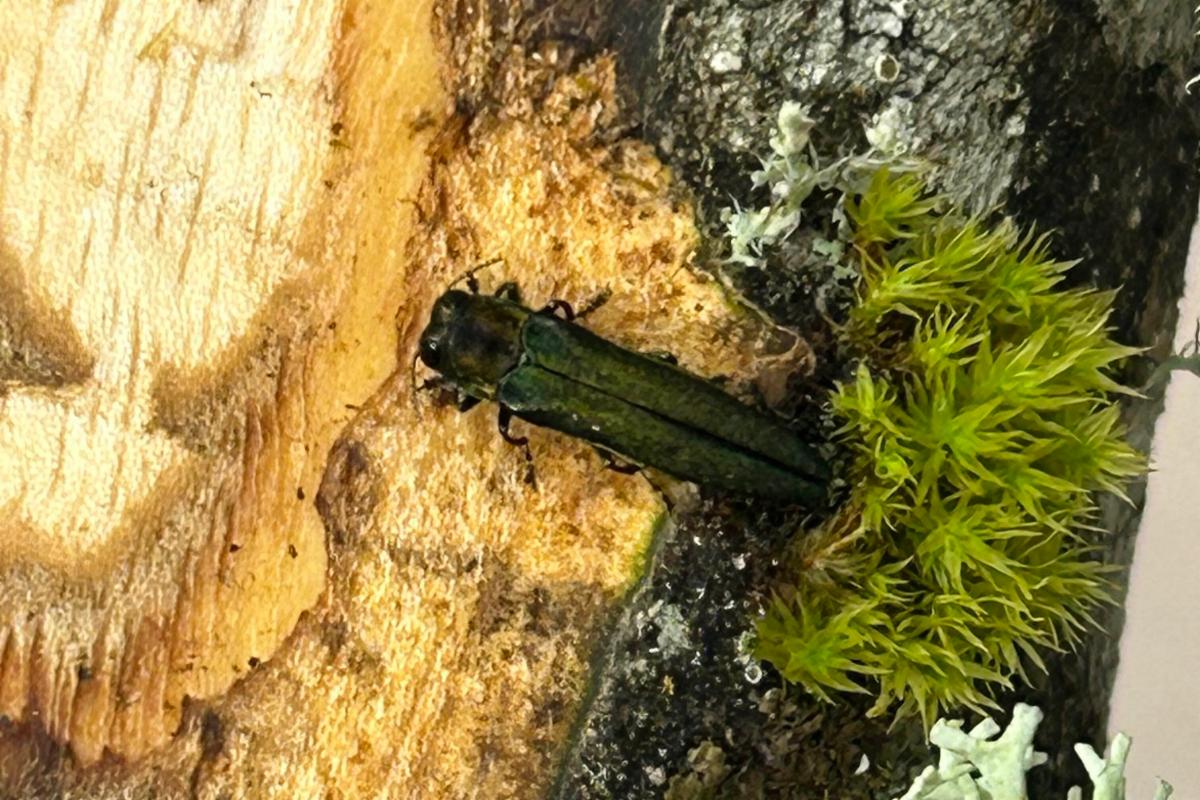
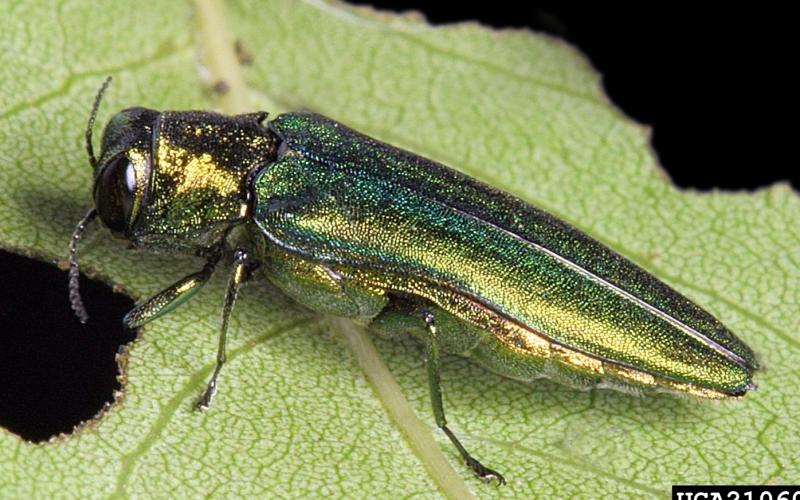
Oregon’s mild winter and warm spring have accelerated EAB development, with adults emerging weeks earlier than normal in northwest Oregon. An adult EAB was confirmed in early May in King City, the first detection inside the city and earlier than the typical June emergence seen since the pest was found in Oregon in 2022. Forestry officials warn warmer conditions give EAB more time to reproduce while heat and drought stress ash trees, increasing their vulnerability to infestation.
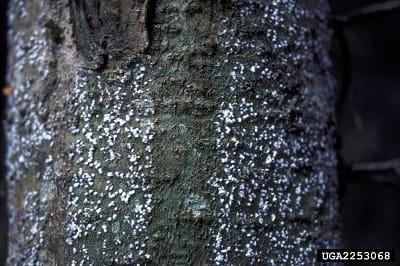
Balsam woolly adelgid has been detected at the Backus Creek State Game Area in Roscommon County, marking the fifth county to report a BWA infestation in Michigan. This invasive insect colonizes balsam fir, the most abundant tree in Michigan forests, along with other true firs. The new infestation was identified by a DNR forest health specialist during the winter and confirmed by regulatory personnel in late March. Officials note that other localized infestations were detected in 2023-2025..
USDA announced more than $90 million in FY 2026 funding for 441 projects to strengthen prevention, detection and response to invasive plant pests and diseases and support clean plant programs. This marks a notable increase from the roughly $70–75 million funded in recent years.
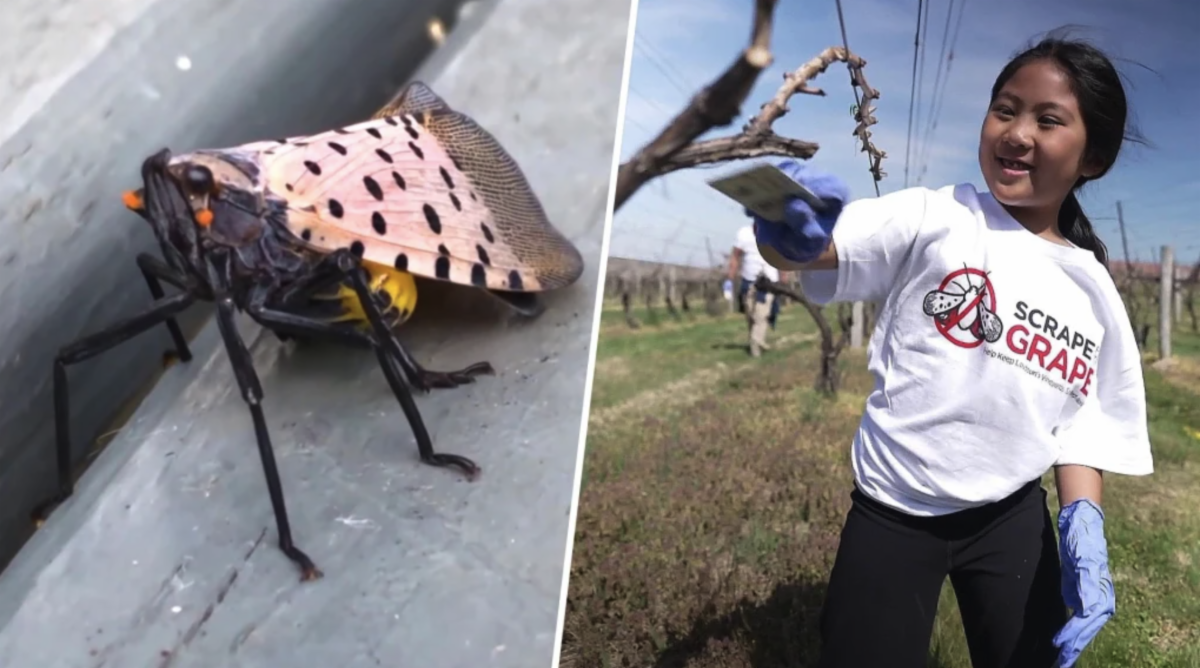
At Jennifer Breaux Vineyard in Virginia, volunteers used plastic cards to scrape egg masses off surfaces early this season before hatch began. Experts say removing the clusters of eggs before they can hatch can reduce pressure on grapevines and other vulnerable host plants later in the season.
Researchers at Acadia University in Nova Scotia announced that they are rearing predatory insects to help control the hemlock woolly adelgid, an invasive pest that can kill eastern hemlock trees.
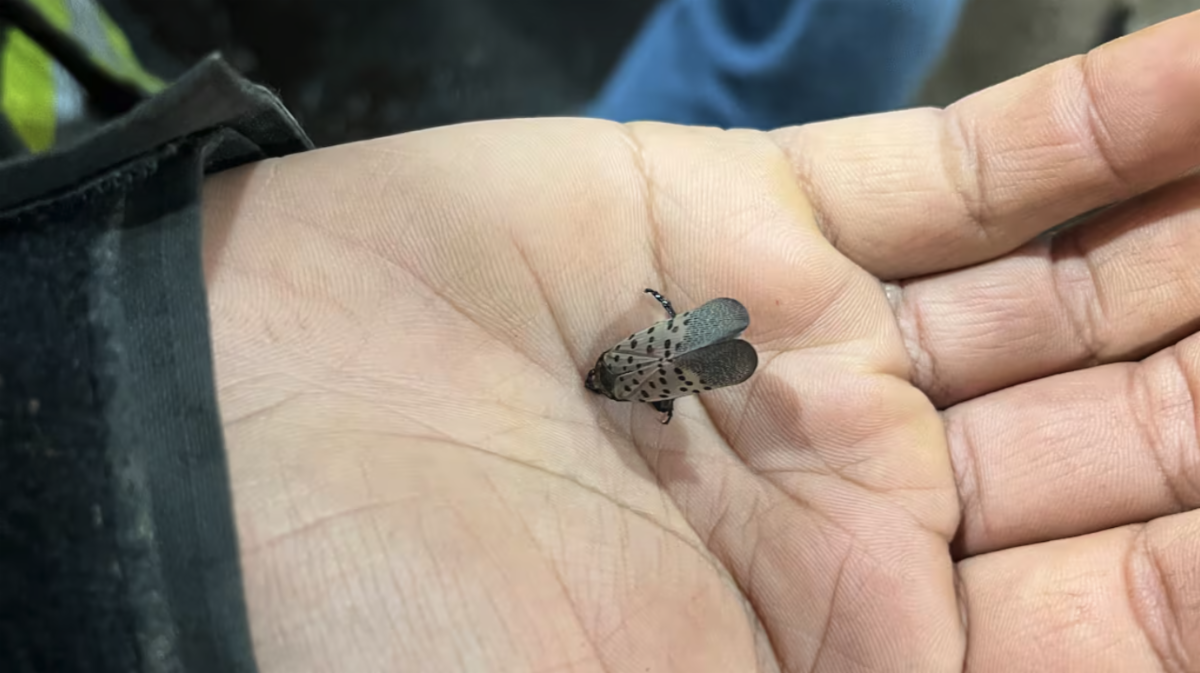
While there are no established populations of spotted lanternfly in Canada, a dead adult was found in St. Catharines, Ont., in a shipment of planting pots from Pennsylvania, where the insect is established. The discovery has renewed concerns about the pest reaching Canada through commercial shipments and by hitchhiking on vehicles from the U.S. Officials urge the public to report sightings immediately and destroy any spotted lanternflies found to help slow its spread.