Beneath the Bark JULY 2025

EAB Infestation Map

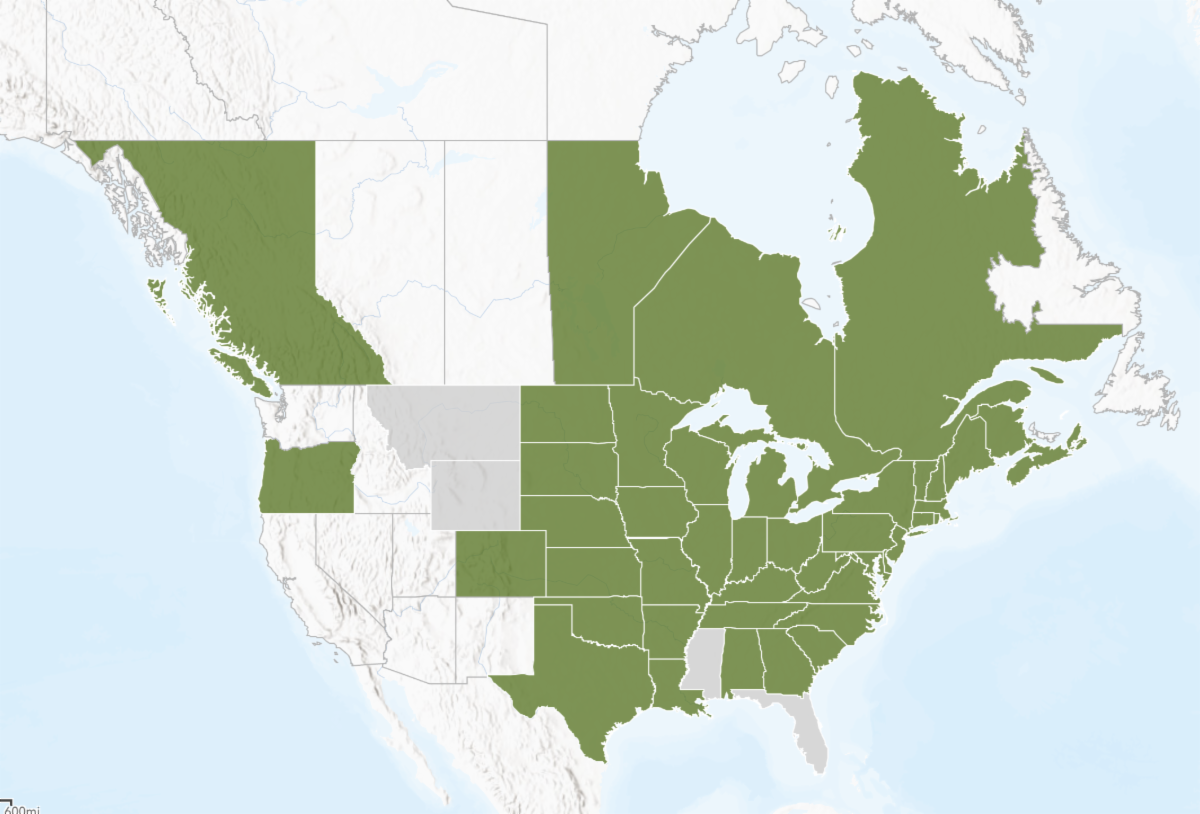
Below is the current map of emerald ash borer (EAB) infestation across North America. The most recent additions to the infestation map are British Columbia (May 2024) and North Dakota (August 2024). An up-to-date map is available on our website.

Map of north america highlighting where emerald ash borer has spread
Treating for EAB is cheaper than removal. photos of before and after an EAB infestation

It's Time to Treat Your Ash Trees!

Adult EAB are beginning to emerge in the mid Michigan area. When you see black locust trees in full bloom, you can be sure the adult EAB beetles are emerging from their host tree. Now is a great time to treat your ash trees to protect them from EAB. Systemic insecticides are most effective when adult beetles are controlled before they begin laying eggs.

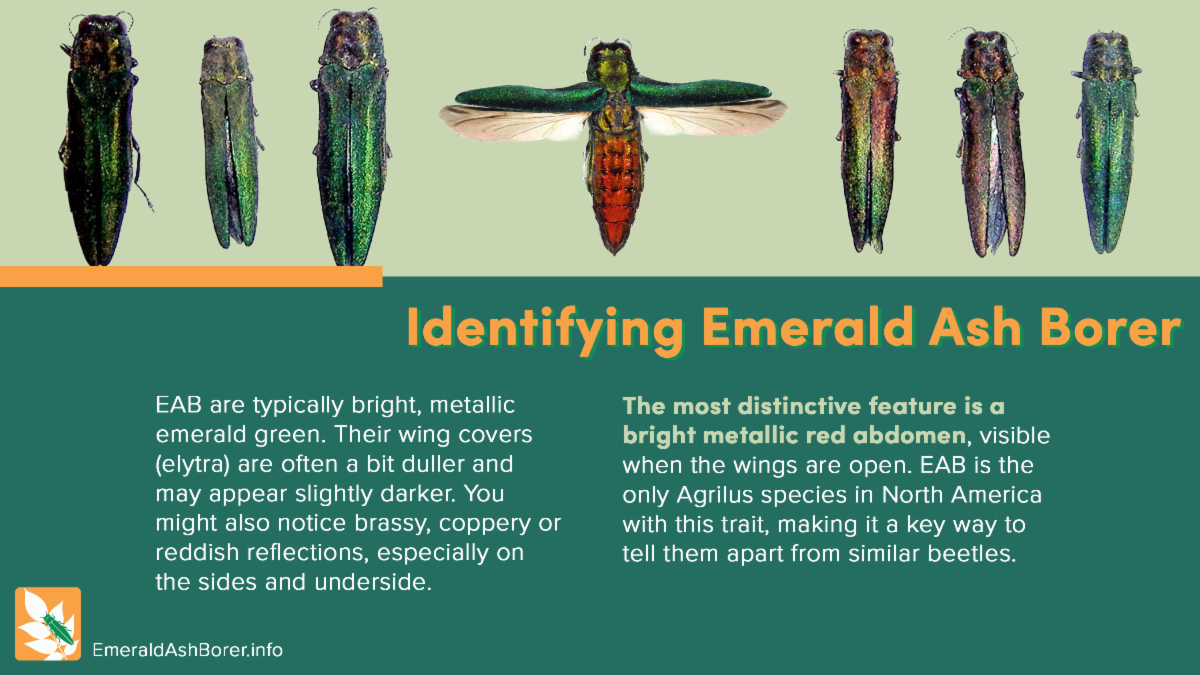
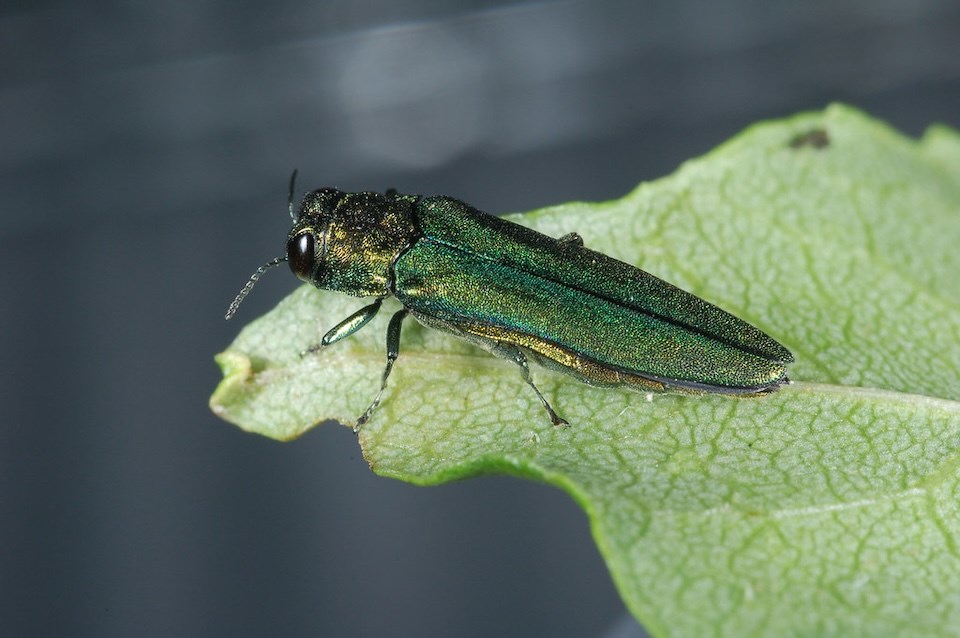
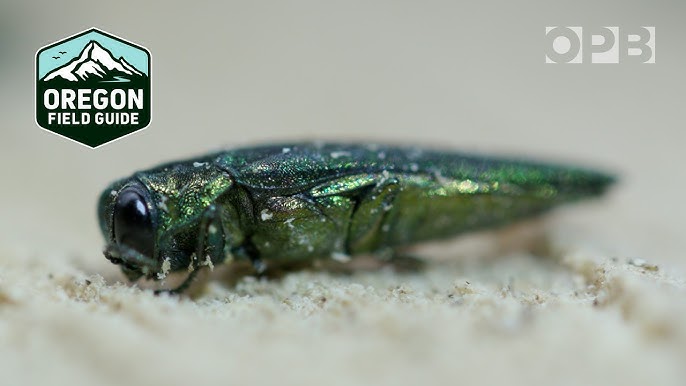
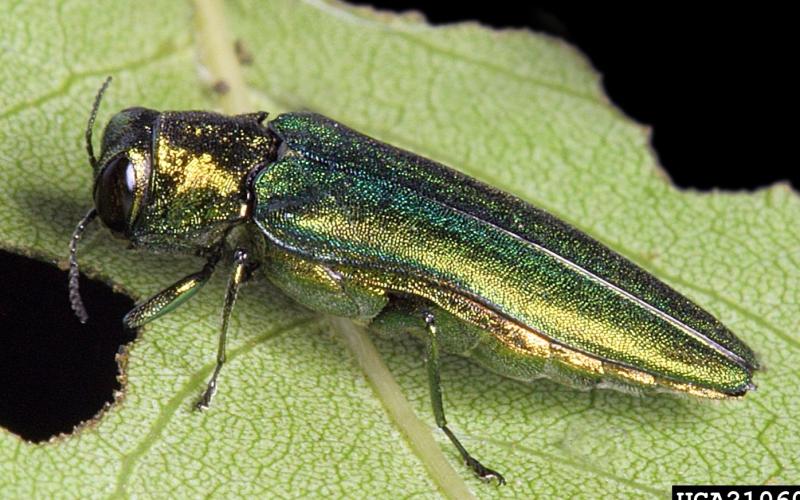
Identifying Emerald Ash Borer EAB are typically bright metallic emerald green Their wing covers elytra are often a bit duller and may appear slightly darker You might also notice brassy coppery or reddish reflections especially on the sides and underside. The most distinctive feature is a bright metallic red abdomen visible when the wings are open. EAB is the only Agrilus species in North America with this trait making it a key way to tell them apart from similar beetles

Trying to identify EAB?


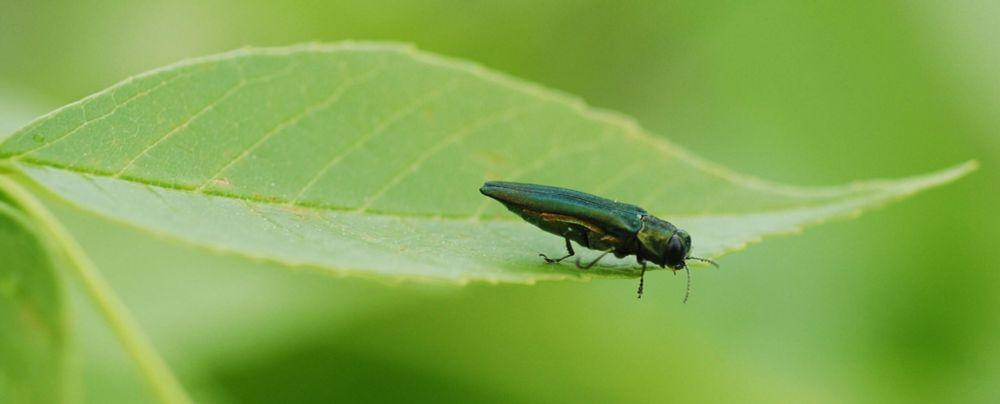
Look for a metallic green body with a coppery-red abdomen visible when wings are open. Also consider if it’s near ash trees or in an area with active infestations. You can find useful tools and guides for identifying EAB on our website.

Recent EAB News

EAB Detected in Denver, CO


In mid-June, the City of Denver confirmed the detection of EAB within the city limits of Denver, Colorado after a decade of prevention efforts.


Here's how this emerald green, invasive insect is causing problems in Metro Vancouver


EAB has already wiped out groups of ash trees in Vancouver and Burnaby. Experts say it's too late for containment, as the insect has likely been in the region for years and is expected to spread further, posing a serious threat to the city's remaining ash trees and urban biodiversity.

Invasive emerald ash borer could wipe out Oregon’s ash trees. Here’s how you can help


EAB has killed millions of ash trees across the country, and now it’s killing Oregon's ash trees. While there are no current methods for stopping widespread infestation, there are some ways to slow the spread of this pest.

Emerald Ash Borer Confirmed in Watertown & Millbank, South Dakota


The South Dakota Department of Agriculture and Natural Resources has confirmed the detection of EAB for the first time in Grant County. Grant county is the sixth county in the state to confirm EAB.


EAB was also discovered in Codington County, making it the seventh county in the state to confirm the invasive insect.

Emerald Ash Borer Found in New Areas of Minnesota


The Minnesota Department of Agriculture confirmed the presence of EAB for the first time in four new counties: Meeker, Murray, Otter Tail & Wadena.

Other News

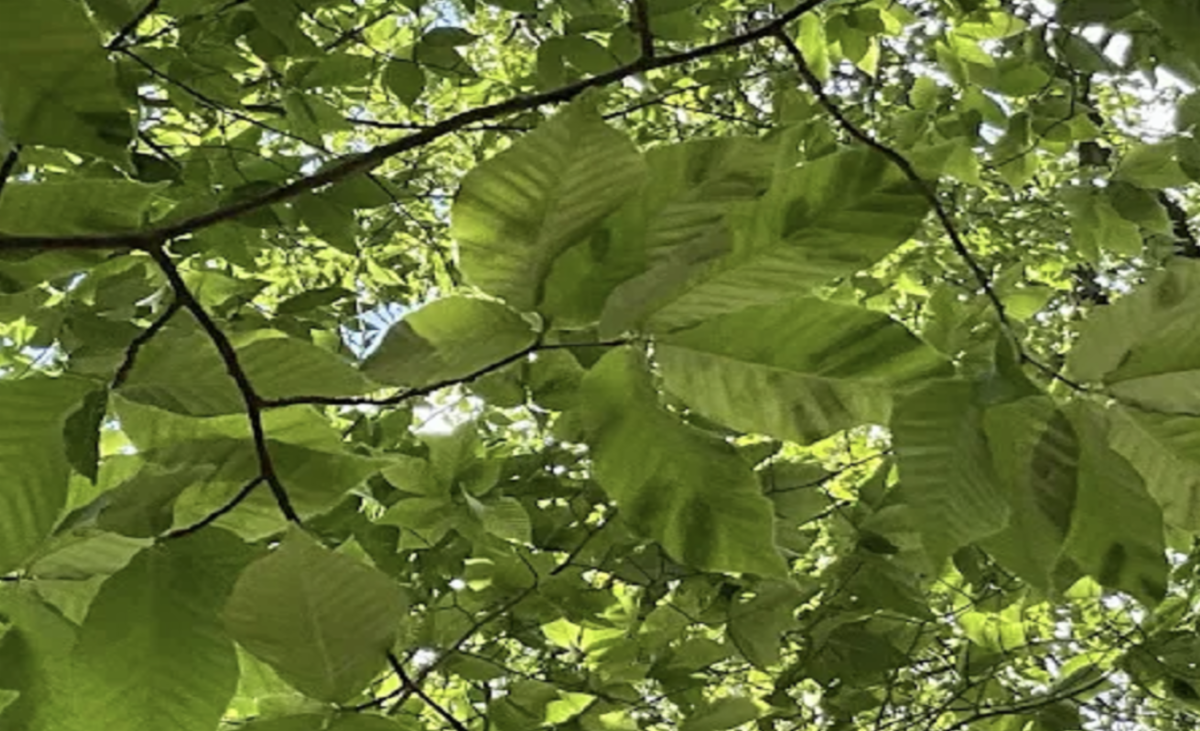
Good News About Beech Leaf Disease


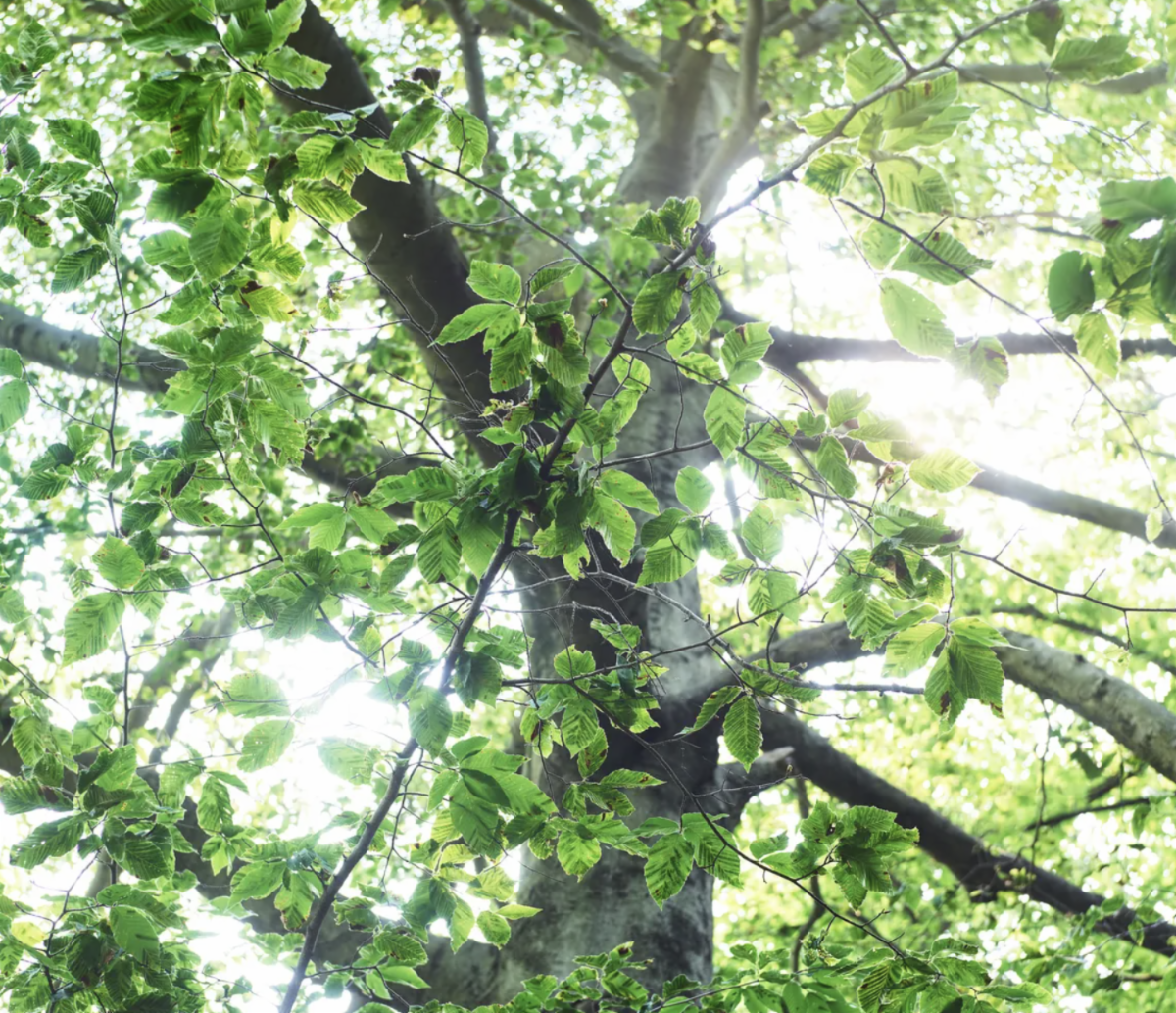
Beech leaf disease, caused by an invasive nematode, is rapidly killing beech trees in New York City and beyond, but urban foresters are fighting back with treatments and forest management strategies. Despite the threat, the city's diverse, resilient forests—managed by expert ecologists—may adapt and thrive with the right support and interventions.

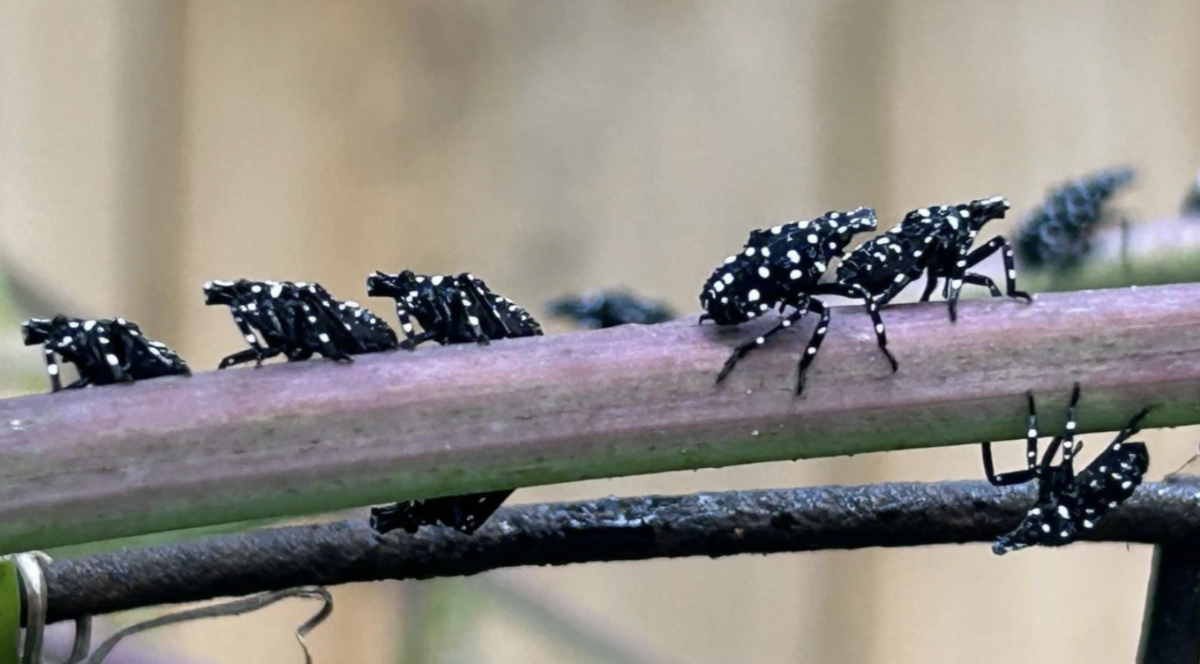
Spotted Lanternfly quarantines in Virginia lifted after insects fully invade the state


The Virginia Department of Agriculture and Consumer Services announced that the spotted lanternfly is now widespread throughout Roanoke County and the state of Virginia. Because of this, all quarantines and reporting requirements related to this invasive pest have been lifted.

Beech Leaf Disease Hits 12 Maryland Counties


The Maryland Department of Agriculture confirmed worsening symptoms of beech leaf disease in multiple counties. Caused by a microscopic wormlike organism that inhabits the leaves and buds of beech trees, the disease affects all beech species, including the native American beech (Fagus grandifolia).

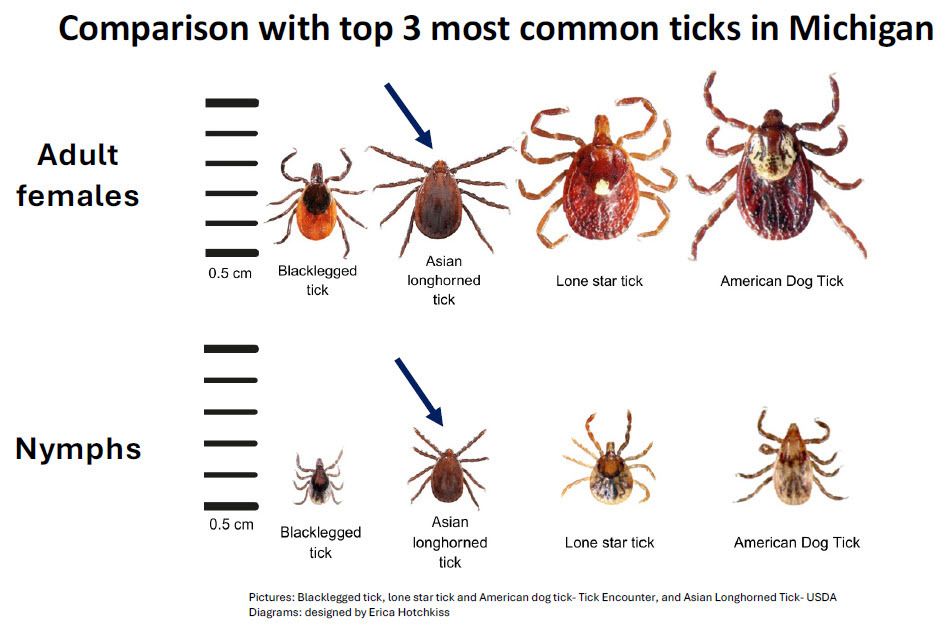
Asian Longhorned Ticks Discovered in Michigan


The Michigan Department of Agriculture and Rural Development is reporting the first detection of the Asian longhorned tick (ALHT) in the state. Two ALHT nymphs were found through routine tick surveillance efforts, which were being conducted at Grand Mere State Park in Berrien County by Calvin University

Web
bluesky icon
Emerald Ash Borer Network