NAD Asks Members to Join in a Special Day of Prayer for Racial Justice and Equality
|
|
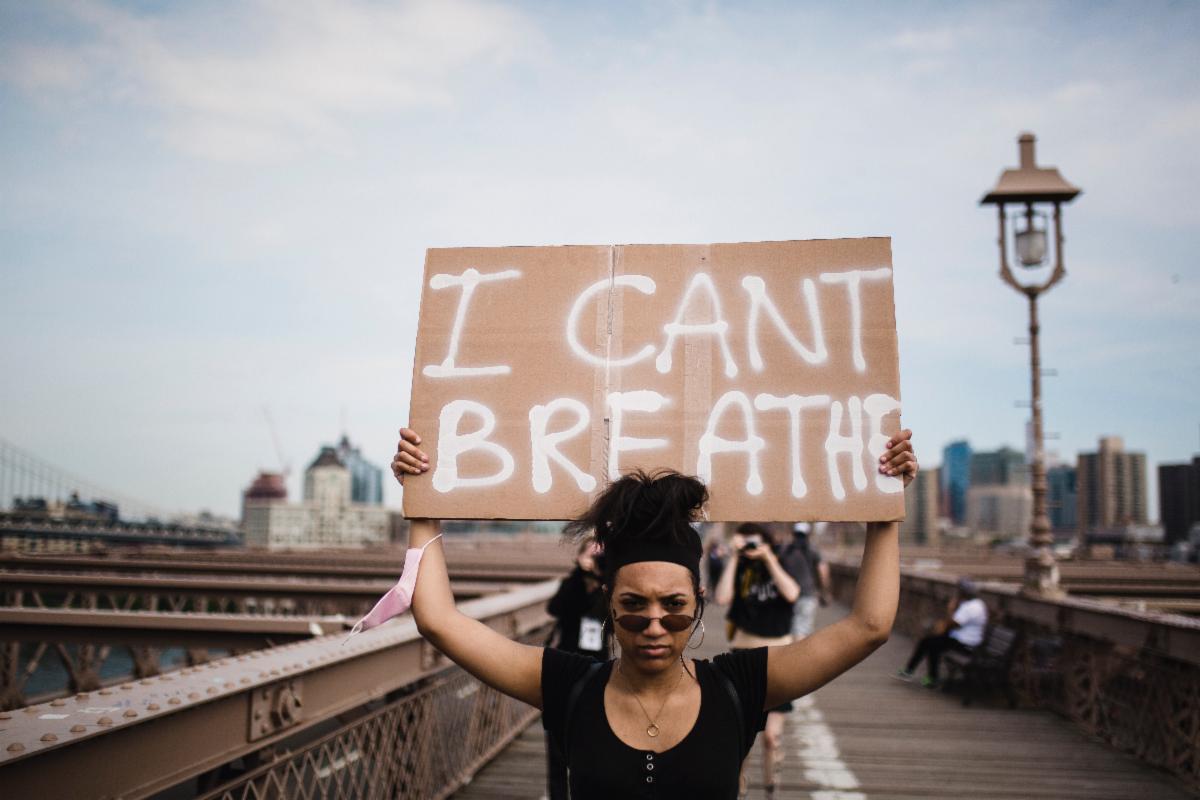
On Sabbath, June 27, 2020, the leadership of the North American Division of the Seventh-day Adventist Church is asking its members, churches, ministries, and services to join in a special day of prayer for the deep hurt and frustration that racial injustice and inequity have caused in North America. As the conversations on racism in society and in the church continue to grow, we are urging the 1.2 million church members in the territories of Bermuda, Canada, Guam/Micronesia, and the United States to come together and prayerfully seek God’s guidance and leading in our lives, especially in how we relate to one another, and how we can help stop injustice against people of color.
As leaders, we want to ask the Holy Spirit to open our hearts and ears so we may understand and listen to our brothers and sisters, specifically in the Black American community, as they share the pain and anger they have experienced over the years. We want to ask for forgiveness, and we want to ask for compassion and strength to have the tough yet necessary conversations so our church can move forward in healing the wounds that run deep in our faith community.
By coming to God in prayerful surrender to Him, we can become the church God wants us to be to reach out to those hurting in all our communities.
|
|
Worship Resources for the Day of Prayer for Racial Justice and Equality
|
|
It is revealing that the most common request I hear from other worship leaders and make myself is for suggestions regarding songs about justice. In fact, one such discussion is currently underway in the Adventist Worship Leaders
Facebook group
. Send us a request to join if you’d like to participate! The lack of resources related to worship and justice is not a uniquely Adventist challenge. Adventist worship has always drawn on practices—and especially music—from the broader Christian
Frontier Worship tradition
. But responsiveness to God and our world invites us into a paradigm where justice is at the heart of both true worship (Isaiah 1) and anticipating Jesus’ second advent (Matthew 25).
|
|
Resources for Conversations on Racial Justice and Equality
|
|
Daniel R. Jackson, president of the North American Division, G. Alexander Bryant, NAD executive secretary, and Randy Robinson, NAD treasurer, sat down with Mylon Medley, assistant director of NAD communication, to discuss recent events related to racial injustice, the history and relevancy of regional conferences, and the presence of racism in the denomination’s past and present.
Watch here
.
Additionally,
this page
provides some suggested resources for local churches and members as they have discussions on racial justice and equality.
|
|
Take away from me the noise of your songs;
to the melody of your harps I will not listen.
But let justice roll down like waters,
And righteousness like an ever-flowing stream.
Amos 5:23–24
On June 19, 1865, Union soldiers, led by Major General Gordon Granger, landed at Galveston, Texas. They brought news to the enslaved there that the war had ended and they were now free. Though the enslaved had been free, their emancipation won largely on the backs of their brothers and sisters in uprising, no one told them.
On June 19, 2020, little has changed.
|
|
The Seventh-day Adventist Pioneers and Their Protest Against Systemic Racism
|
|
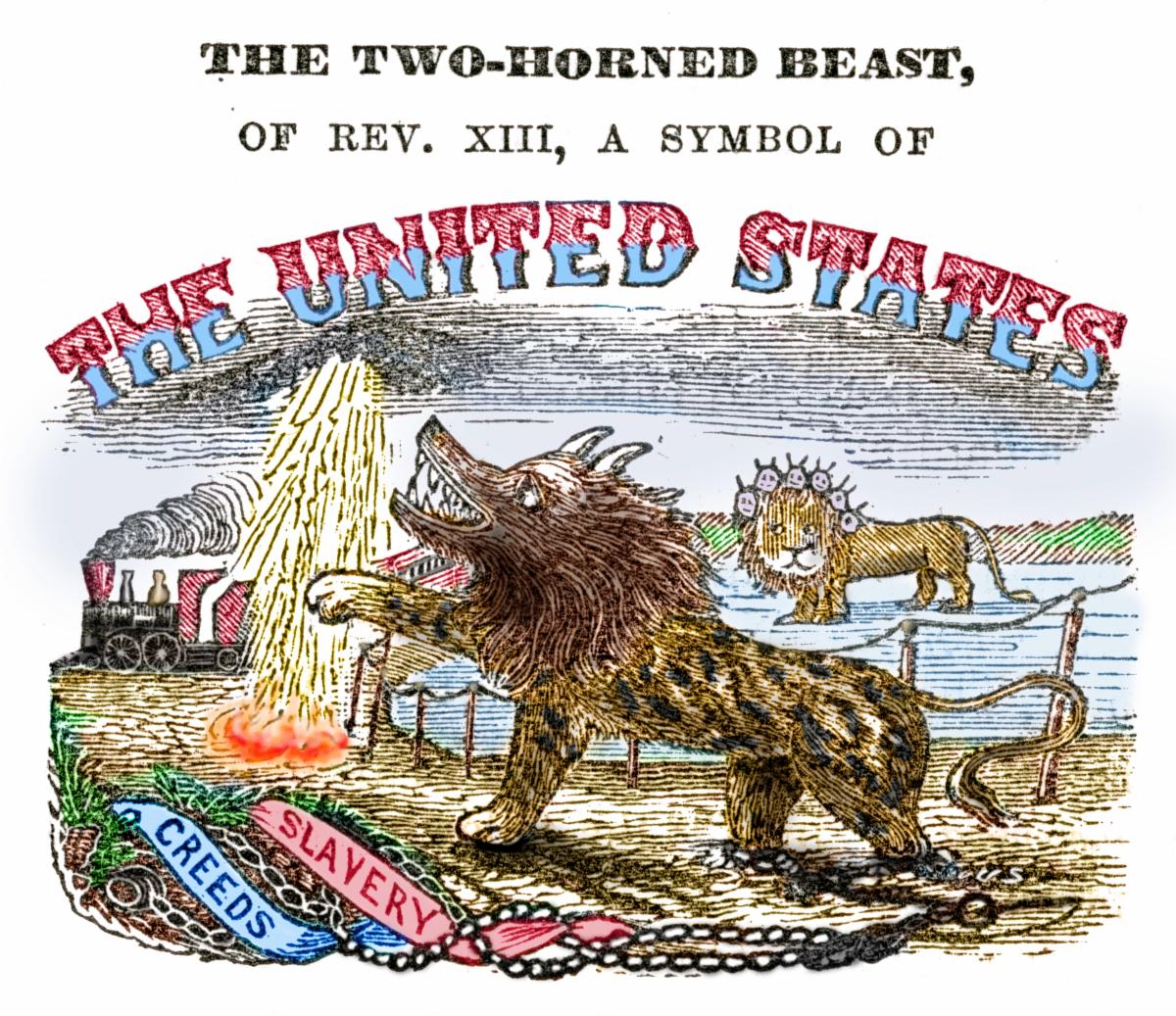
The second advent movement was inseparable from the abolitionist call for the immediate and total destruction of slavery and demand for equal rights for the oppressed. From the rise of the Millerite movement in the early 1830s through the end of the Civil War, adventists of all varieties used the tactic of moral suasion to warn pro-slavery Americans that God would soon return and judge them if they did not immediately repent and reform. In this manner, they made protest against racial injustice inseparable from their adventist faith. Though many adventists avoided association with political parties because they supported slavery, beginning in 1840 a significant number joined the Liberty Party, which had a single platform: the immediate and total abolition of slavery and “the restoration of equality of rights among men.”
|
|
How to use Cultural Intelligence in the Midst of a Fractured Age
|
|
In 2017 P&G released a two-minute ad titled “The Talk.” This ad featured actors portraying black moms across several decades seeking to prepare, protect and encourage their kids as they headed out into what can be an unfair and prejudiced world. One vignette shows a mom telling her son “it’s an ugly, nasty word, and your going to hear it but you are not going to let that word hurt you.” Another mother starts to give advice to her teenage daughter as she is backing out the driveway but she is interrupted when the daughter says “Mom, I’m a good driver. Don’t worry.” The mom replies “this is not about you getting a ticket. This is about you not coming home.” The girl’s smile fades and replies “I’m going to be ok…right?” The ad ends with the simple tagline: “It’s time for everyone to #TalkAboutBias.”
|
|
When the first group of Africans was brought to the shores of Jamestown, Virginia in August of 1619, our nation’s greatest values and pursuits were eclipsed by white America’s intentional, violent, and systematic dehumanization of African people. Such trauma has only persisted and evolved resulting in the continual destruction of the descendants of African slaves for over 400 years. Blacks have thus committed themselves, even from the very beginning, to asserting and fighting for their freedom, their right to exist with dignity, and ultimately be recognized as human beings. Such violence and oppression have stained American soil with the blood of innocent Black men, women, and children.
Today is no different.
|
|
The Liturgy of Life: a Conversation with Chris Oberg from La Sierra University Church
|
|
Best Practices for Adventist Worship (BP)
: A closed church building doesn’t mean a closed church. Liturgy has shifted to online gatherings and the liturgy of life has continued outside the building. What are some of the ways that La Sierra University Church has engaged in this liturgy of life in your local community?
Chris Oberg (CO)
: A natural reflex was to think about our older members and those who live alone. We identified about 300 people to contact and the Elder Team organized a process. If they found someone in need of basics, they cared for that need. Many faith communities have done this, and it’s very beautiful. We found many older members well cared for by their families, yet so eager for the contact. Sometimes they would say, “I don’t need a thing but will you call me next week so we can talk again?” The next layer of response came for our neighbors, thinking there may be some without family and friends in the area. We created a door hanger any church member could use: simply leave your name and contact info with an offer for help. It provided a tangible way to be church in our neighborhoods.
|
|
Faith in Action: Some Ways Churches are Confronting Systemic Racism
|
|
The invitation to gather for worship is not so much a call to step away from our daily lives but, rather, an opportunity rehearse the way we live—as individuals and communities—in the world. Worship gatherings that are disconnected from actively seeking justice and defending the oppressed are, according to the prophet Isaiah, “worthless assemblies”—displeasing and even unbearable to God (Isaiah 1).
Here are a few of the many ways congregations and communities are putting their faith into action beyond Sabbath morning:
Mt. Rubidoux
begins an initiative today to "Bless a Black Business" by buying Black for eight straight days. Learn more about this initiative and the church's broader efforts
here
.
Grace Community Seventh-day Adventist Church
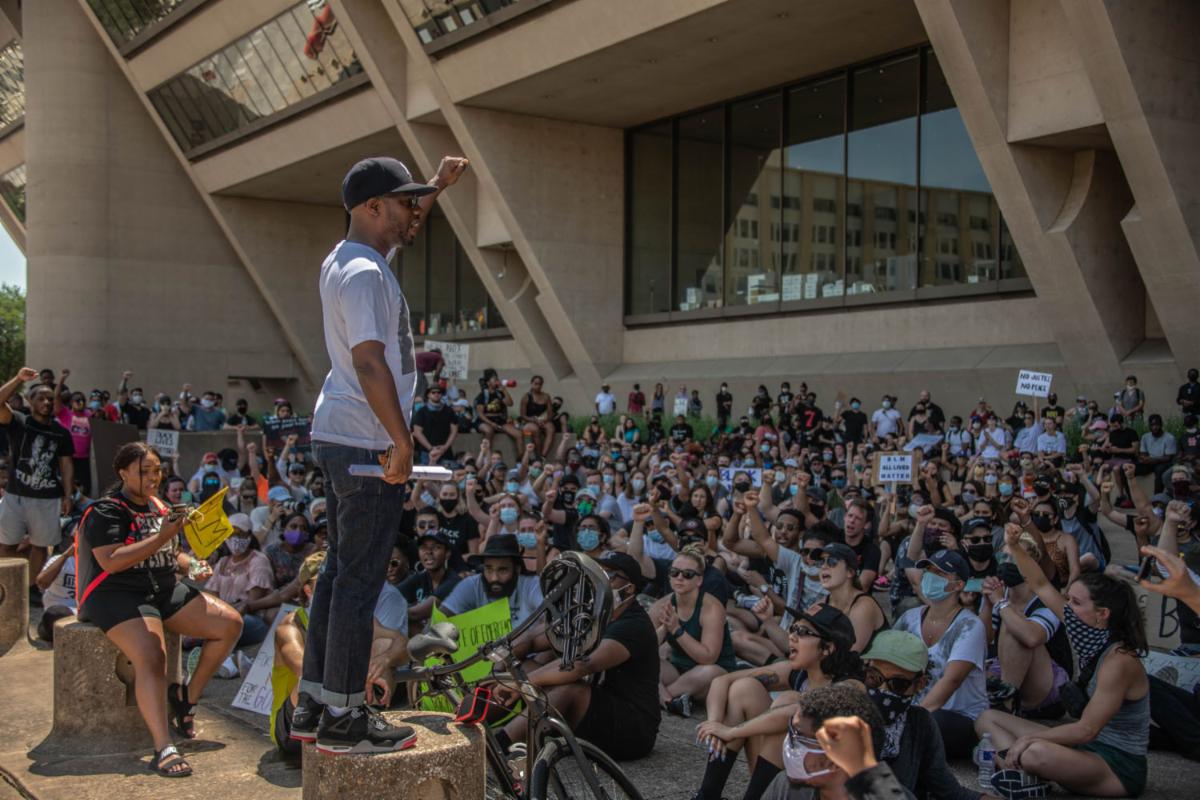
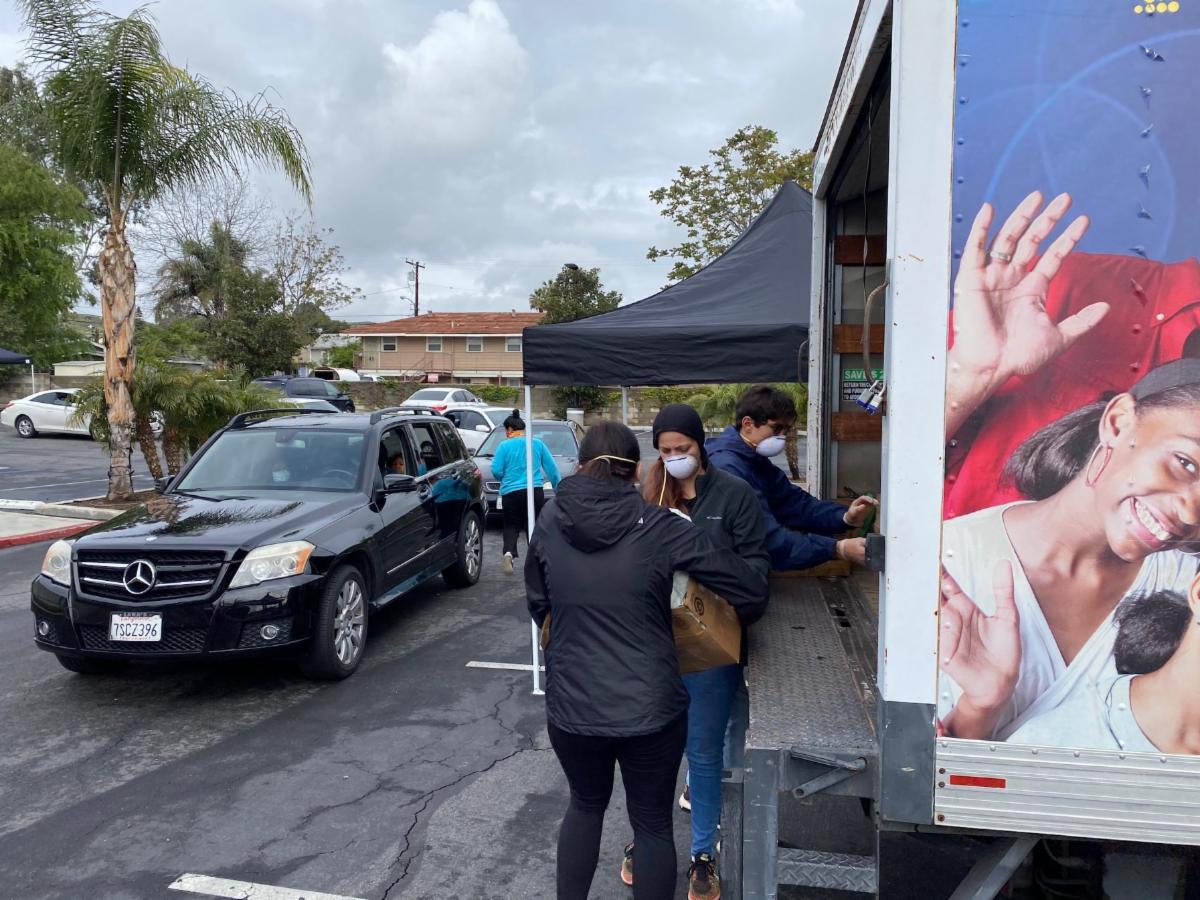
leaders and members are actively engaged in peaceful protests and are organized a series of prayer vigils every Sabbath in June at various spots where Black people have been killed by the police. The church will also be hosting a drive-in justice rally and food giveaway on June 27. Follow their
Facebook page
to learn more.
In addition to participating in policy advocacy and peaceful protests,
Church of the Advent Hope
is launching a collaborative initiative to learn together and resource congregations for antiracism work. Visit
The Gospel vs. Racism
web site to learn more.
Please respond to this email, and let us know what you're doing. We'd love to feature your stories!
|
|
Copyright 2020 North American Division Corporation of Seventh-day Adventists.
(443) 391-7182
|
|
|
|
|
|
|