|
Investing Beyond Our Lifetimes | |
| |
|
“Becoming better ancestors may be the final act of love."
—Dr. William H. Foege
|
| |
Every day, we are shaping a future we may never see.
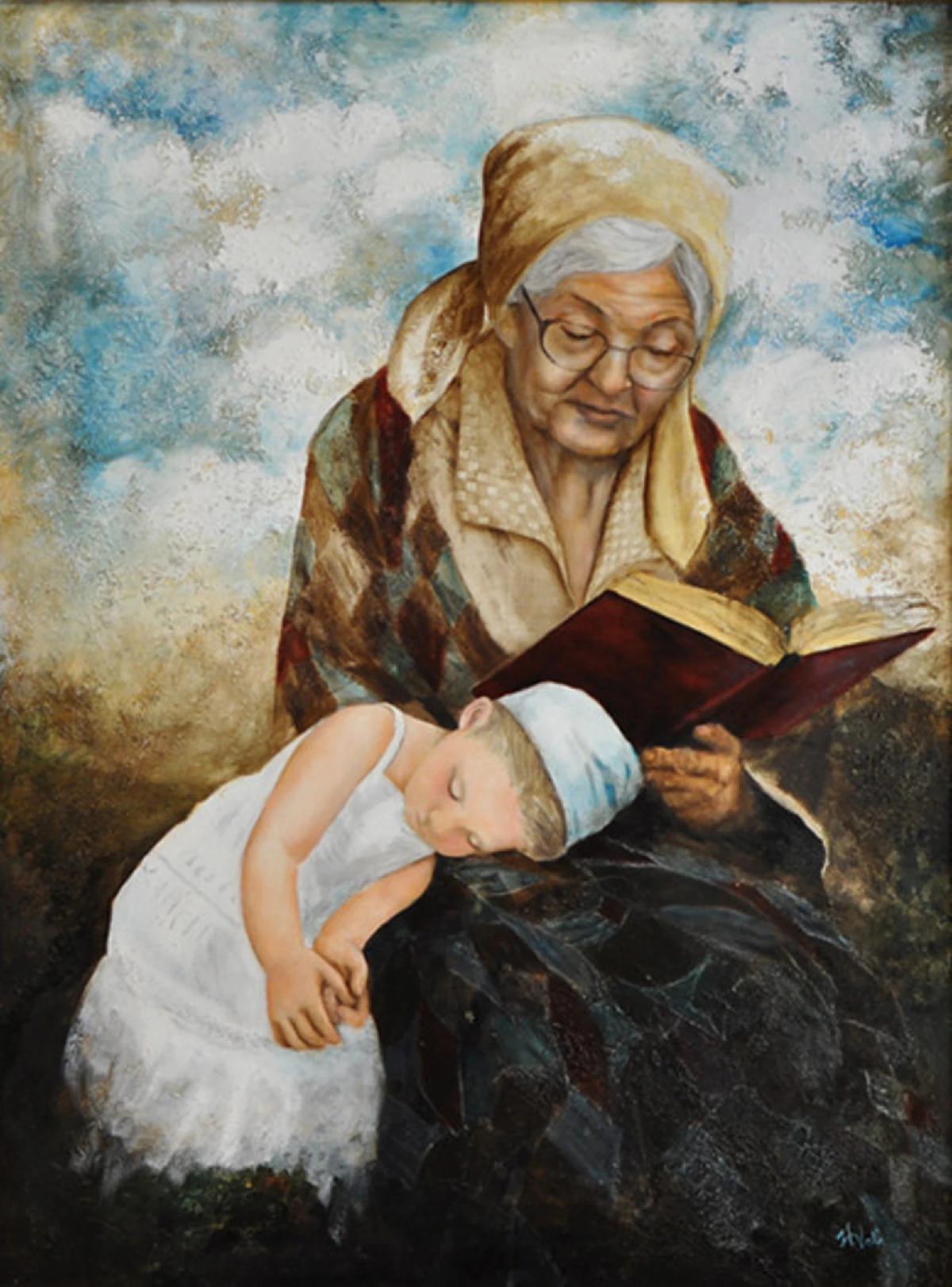
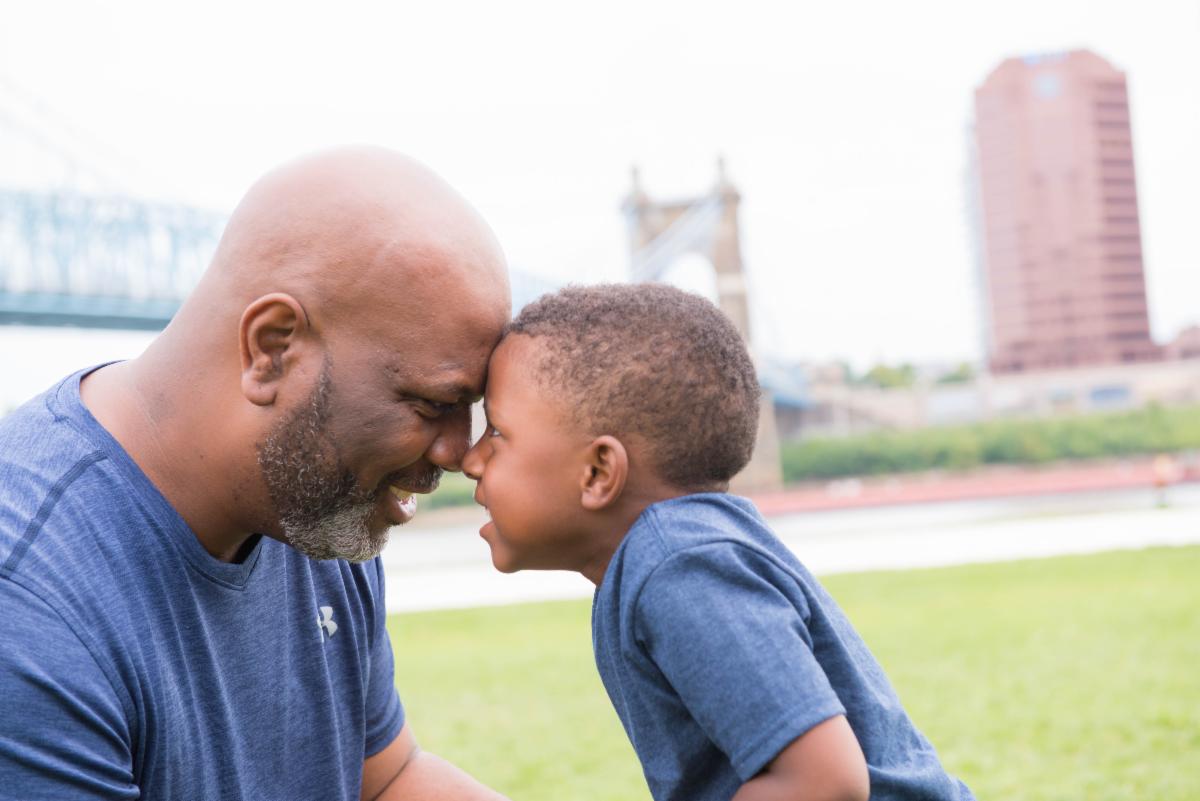
Through the decisions we make, the relationships we nurture, and the systems we help shape, we are leaving something behind for those who come after us. Whether we realize it or not, we are all becoming someone's ancestor.
Being a Better Ancestor is not about perfection. It is about responsibility. It asks us to think beyond ourselves and consider how our actions today might shape the world tomorrow.
Will future generations inherit communities where people belong? Institutions people trust? Systems that help people thrive? Or will they inherit the consequences of what we chose not to change?
Throughout this issue, we explore what it means to invest beyond our lifetimes through philanthropy, community leadership, creativity, systems change, and collective well-being.
Because the future is not something waiting for us ahead. It is something we are creating together.
|
| | | |
What is The Asks of All of Us | | |
This is what becoming a Better Ancestor asks of philanthropy and all of us: to think beyond the immediate and tend to the conditions that allow future generations to thrive. It is funding that trusts community wisdom. Leadership that listens before it directs. Relationships rooted in mutual accountability, shared learning, and a belief that lasting change grows through connection, not transaction.
Not certainty. Not control. Not the promise that every investment will unfold exactly as imagined. Just the courage to plant seeds whose full harvest we may never see. The willingness to invest in people, relationships, and possibilities that can carry communities forward long after we are gone.
It means measuring success not only by what we accomplish today, but by what becomes possible tomorrow. Not simply by what we build, but by what endures. Not only by who benefits now, but by who will inherit the world we are helping to shape.
The answer is still being written. We write it through every decision we make, every resource we steward, every relationship we nurture, and every act of care that expands what is possible for future generations.
That is the practice of being a Better Ancestor, and it begins with what we choose to build today.
| |
| | | |
When Funders Choose to Become Better Ancestors | | “Philanthropy must move from charity to justice.” | | |
When funders choose to become Better Ancestors, they begin to see their role differently. The work becomes less about responding to immediate needs alone and more about helping create the conditions that allow communities to thrive over time. The questions begin to shift. Instead of asking only what was funded or what outcomes were achieved, funders begin asking what relationships were strengthened, what possibilities were opened, and what future is being created for generations to come.
For philanthropy, becoming a Better Ancestor requires a willingness to think differently about impact, stewardship, and the future we are helping create. This is the invitation of Rooted Philanthropy. It encourages us to move beyond transactions and toward stewardship, trust, and long-term flourishing. It asks us to recognize that lasting change is built through relationships, community wisdom, and investments that continue creating value long after a grant period ends.
| |
| | | |
|
Social Change
Founded by childhood friends Todd Belcore and Emile Cambry Jr., Social Change was created in response to a simple but powerful belief: communities most affected by injustice should be leading the solutions. Frustrated by outsiders who define problems and prescribe answers, they built an organization rooted in community leadership, lived experience, and long-term change.
What makes Social Change a Better Ancestor organization is its commitment to both immediate needs and lasting transformation. Whether addressing food insecurity, supporting legal advocacy, advancing policy change, or cultivating community leadership, their work is designed not only to help people today but to create stronger conditions for future generations.
Through initiatives like their Community Farm, ChangeFest, and policy advocacy efforts, Social Change demonstrates what becomes possible when communities lead and long-term impact is prioritized alongside immediate action.
| | | | |
Tools for Becoming Better Ancestors | | The resources below offer new ways to think about philanthropy, systems change, stewardship, and possibility. Some invite us to reimagine what could be. Others help us better understand the systems we seek to transform. All of them share a common purpose: helping us build a future that is more just, more connected, and more capable of supporting the well-being of generations to come. | | |
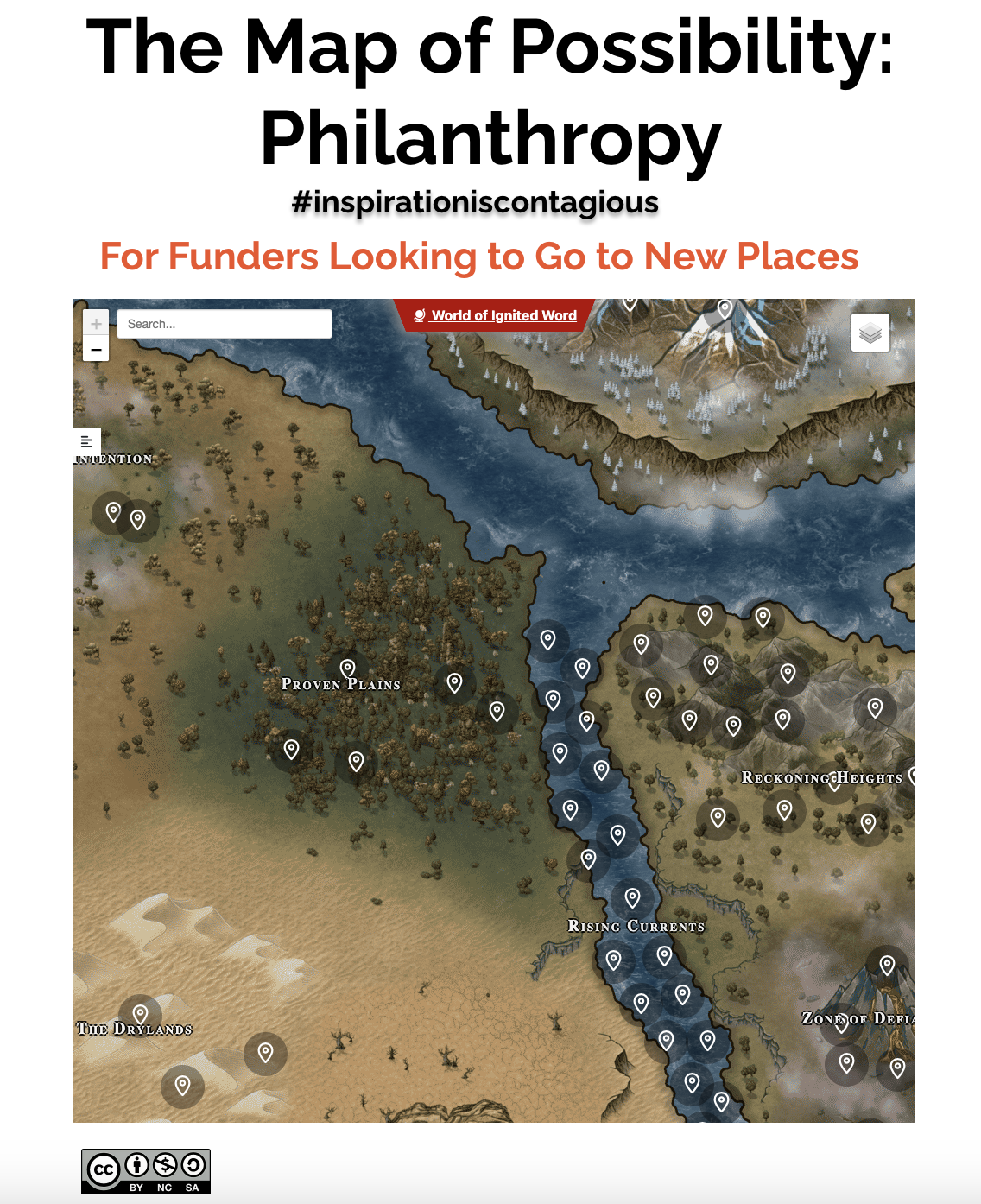
The Map of Possibility: Philanthropy
Developed by Ignited Word
The future is not something we discover. It is something we create. The Map of Possibility: Philanthropy is an interactive resource designed to help funders move beyond traditional approaches and explore new ways of thinking about change, impact, and long-term stewardship. By encouraging curiosity, reflection, and imagination, it invites users to consider what becomes possible when philanthropy is grounded in trust, relationships, and a commitment to future generations.
| | | | | |
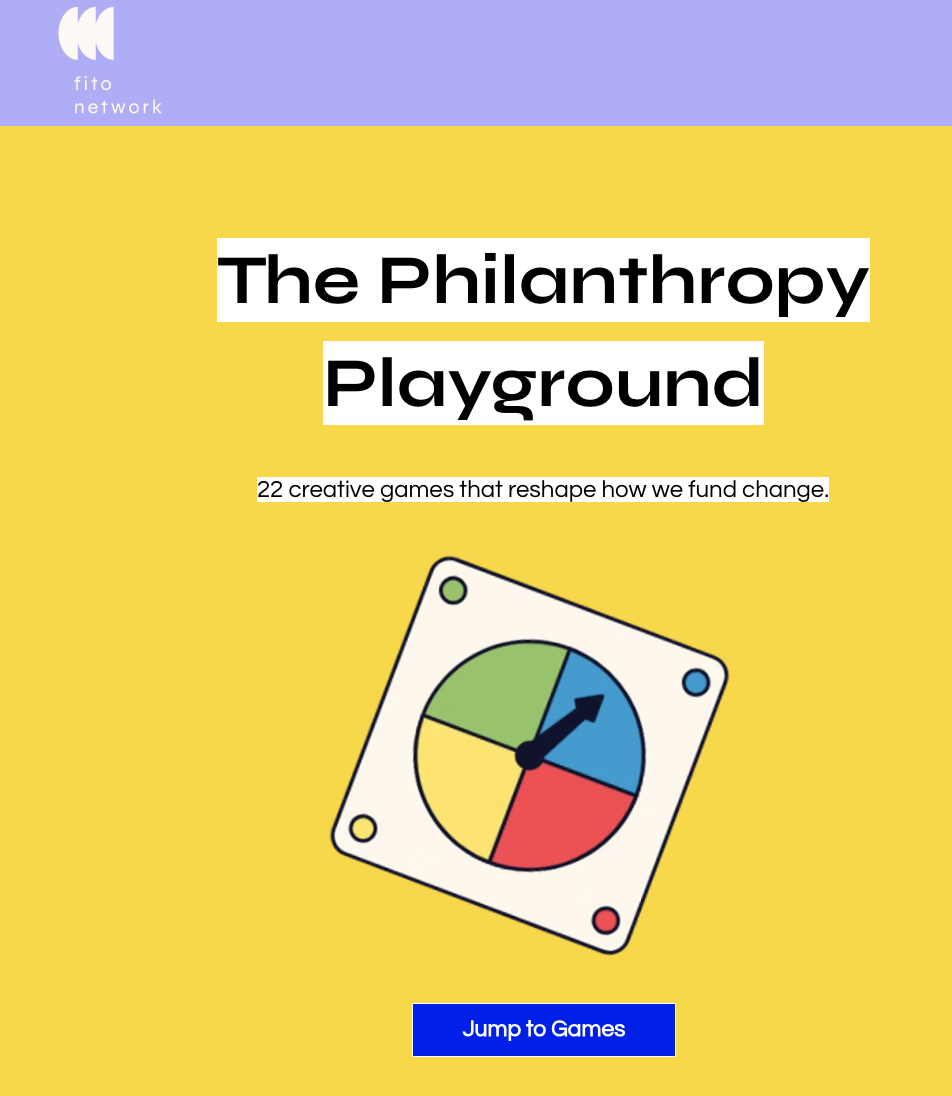
The Philanthropy Playground
Developed by Fito Network
The Philanthropy Playground creates space for funders and changemakers to explore new ideas, test assumptions, and learn alongside one another. Through experimentation and shared discovery, it encourages participants to approach philanthropy with curiosity, creativity, and a willingness to imagine new possibilities for the future.
| | | | |
| | |
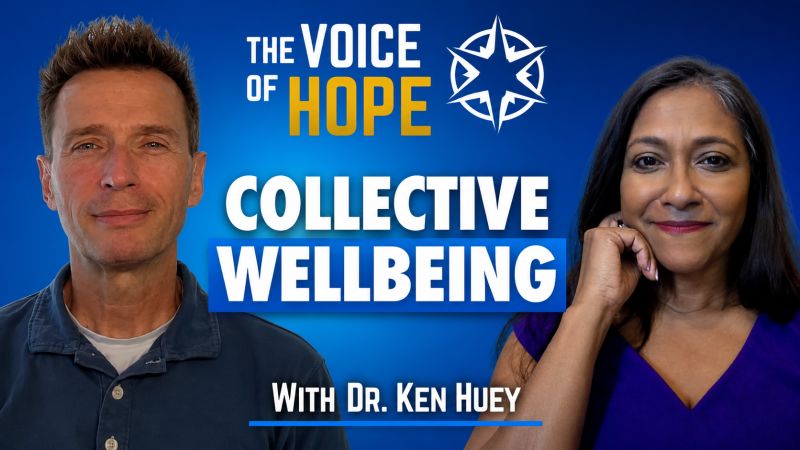
"Collective Wellbeing"
by The Voice of Hope with Dr. Ken Huey
In this episode of The Voice of Hope Podcast, Dr. Ken Huey sits down with Dr. Somava Saha, physician, public health leader, and founder of Well-being and Equity (WE) in the World, to explore collective wellbeing, trauma, health equity, peer support, and the idea of becoming a "better ancestor" by creating healthier systems for future generations.
| | By endoftheworldshowp.org | | |
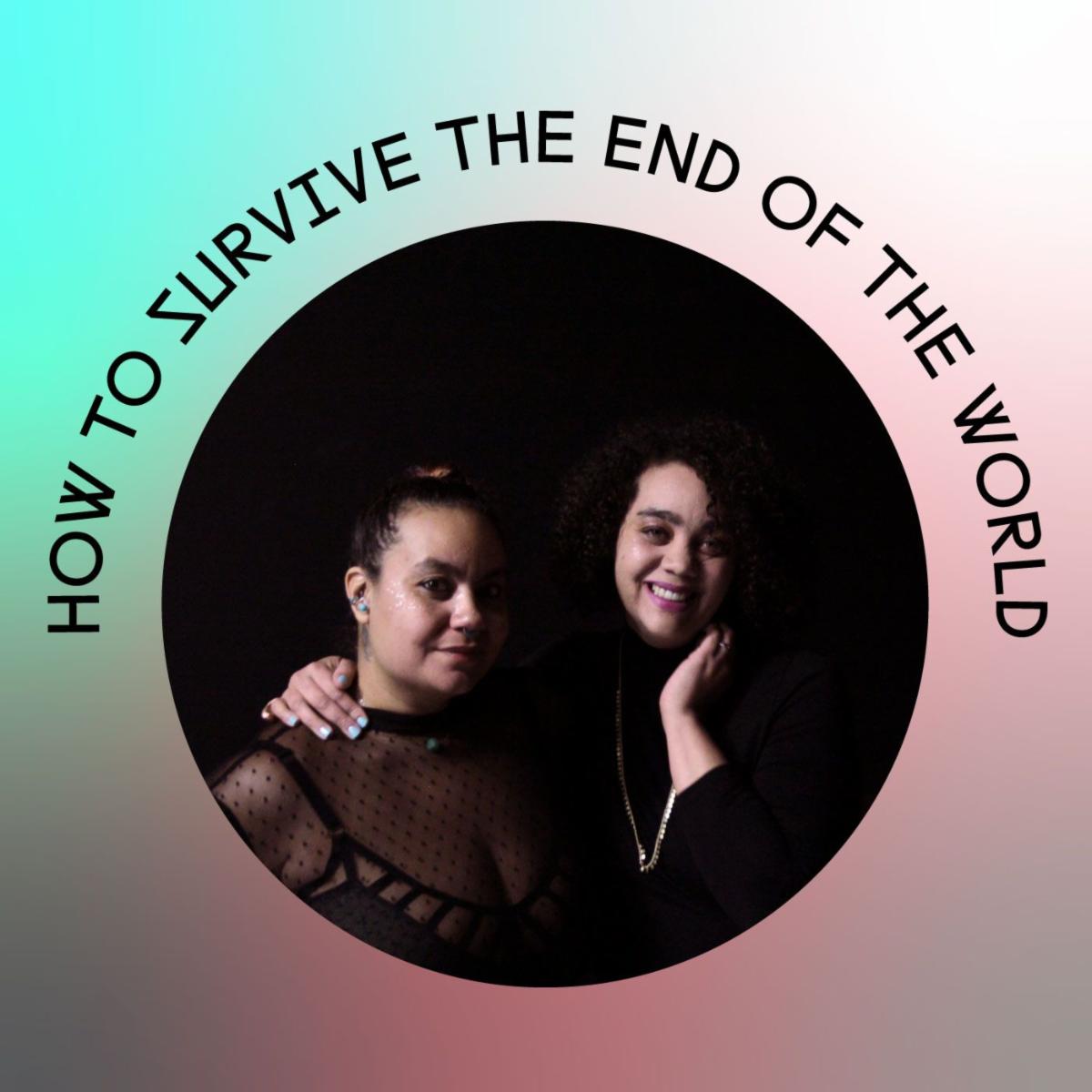
"How to Survive the End of the World"
by Adrienne Maree Brown & Autumn Brown
Co-hosted by adrienne maree brown and her sister, Autumn Brown, this podcast asks the better-ancestor question in its starkest form: What does it look like to build something worth surviving into? For the weeks when the work feels impossible, this is a reminder of why we are doing it.
| | | | |
A Reflection for the Journey | | |
As we close this issue, we invite you to carry one question with you: What inheritance are we helping create?
The answer is not found in a single decision, investment, or act of service. It is written over time through the relationships we nurture, the communities we strengthen, and the possibilities we choose to cultivate.
Becoming a Better Ancestor is not about knowing exactly what the future will hold. It is about showing up today with enough courage, humility, and imagination to help build a future where others can thrive.
Long after we are gone, people we will never meet will live with the consequences of what we chose to build, protect, and reimagine.
May we leave them something worthy of inheriting.
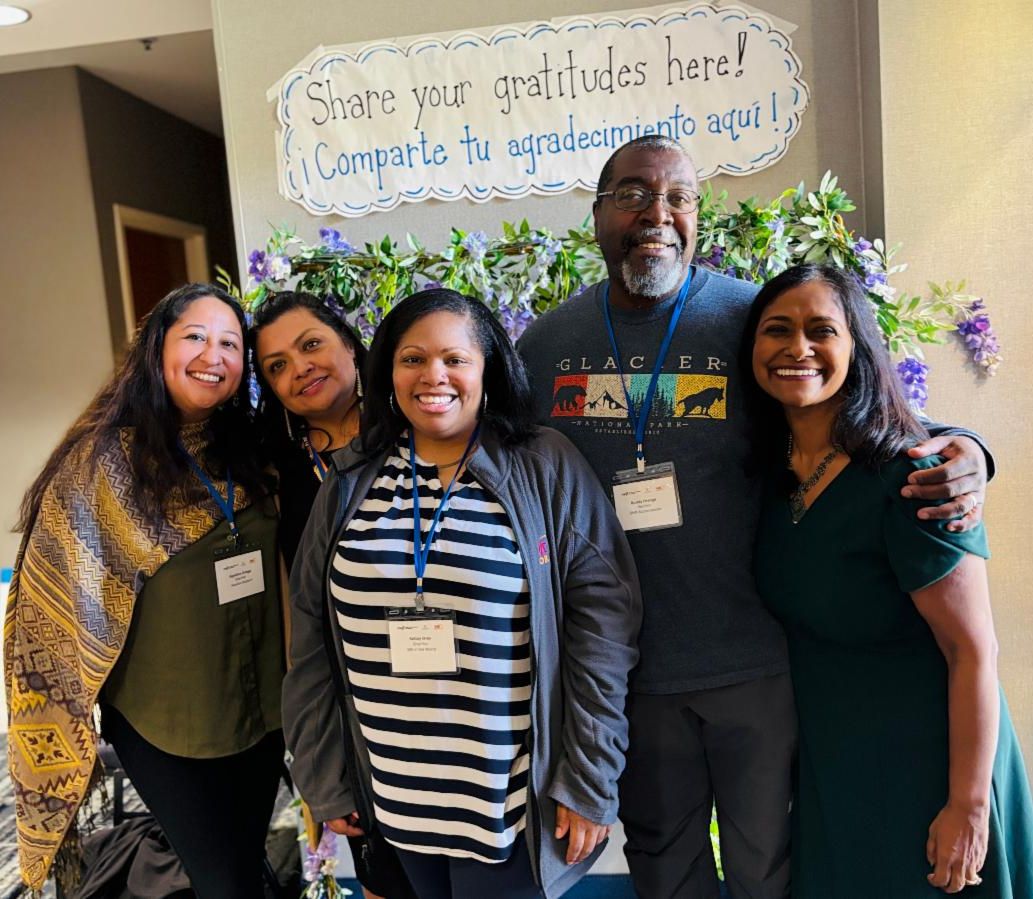
The journey to becoming Better Ancestors is not one we take alone. It happens in community, through shared learning, deep listening, and a commitment to building a more just and flourishing future together.
We invite you to stay in community with us as we continue learning, listening, and building together. The work of becoming Better Ancestors belongs to all of us, and every act of stewardship, care, and imagination helps shape what future generations will inherit.
Together, we can help create the conditions for generations to flourish.
| |
| | | |
| |
| |
| |
|
The Frances R. Dewing Foundation is accepting applications from U.S.-based 501(c)(3) nonprofits and schools for projects that directly benefit children through early childhood and elementary education (up to sixth grade). Grants are awarded twice yearly (April 1 and October 1 deadlines) and prioritize innovative, project-based initiatives with clear, measurable impact. If you are launching or expanding a child-focused education program, this could be strong seed funding to support your work.
Deadline: October 1, 2026
| | | |
Funding: $50,000
Deadline: Rolling
Overview:
The Foundation for a Healthy High Point offers free grant writing support to eligible nonprofits serving Greater High Point (High Point, Jamestown, Archdale, and Trinity) that have identified an external funding opportunity of at least $50,000 aligned with social determinants of health and upstream solutions. Applications are rolling, decisions are made within two weeks, and if approved, the Foundation pays the grant writer directly, removing one of the biggest barriers to pursuing large state, federal, or national foundation grants.
Eligible organizations must:
• Be a 501(c)(3) for at least 3 years
• Serve High Point, Jamestown, Archdale, or Trinity
• Be pursuing a grant outside Guilford County of $50,000+
• Align with focus areas like healthcare access, economic stability, housing, education, and community conditions
Applications are accepted year-round, reviewed on a rolling basis, and organizations are typically notified within two weeks. This is an especially powerful opportunity for small and mid-sized nonprofits that don’t have full-time development staff but are ready to go after transformational funding.
| | | | | |
| Well-Being and Equity In The World Institute252 Daniel Webster Highway #1017 Nashua, NH 03060 US | | | | |