March is Nutrition Month. As we all face the COVID-19 pandemic, staying healthy by eating well along with other safe practices such as washing hands and social distancing are very important. The Canadian Celiac Association (CCA) is pleased offer some tips and resources to help you and your family maintain your health.
This issue has been generously sponsored by Kinnikinnick
.
|
|
FOOD INSECURITY DURING UNCERTAIN TIMES
Many individuals may unfortunately find themselves out of work during the COVID-19 pandemic and food security may become very acute. You may suddenly need to rely on food banks and other services for your next meal.
The novel coronavirus (COVID-19) has raised many questions from people with celiac disease, who are concerned on the risk to become infected or develop severe consequences if infected with COVID-19. The health and safety of our celiac community and your loved ones is our highest priority and we will do our very best to support you through this evolving situation. Like all of you, we are monitoring and assessing the global impact of COVID-19 to make our recommendations.
COVID-19 RESEARCH SURVEY
McMaster University's Farncombe Digestive Disease Centre has partnered with CCA and a number of institutions on a short survey to learn more about your experience with and knowledge of the COVID-19 virus and to understand your concerns and needs related to celiac disease.
|
|
EMPOWERING YOUR HEALTH THROUGH NUTRITION
|
On Wednesday, March 25, Registered Dietitian and Professional Advisory Council member, Adrianna Smallwood provided an online free webinar to help you boost your health through nutrition while following a gluten-free diet.
|
|
|
|
CCA PROFESSIONAL ADVISORY COUNCIL DIETITIANS RECOMMEND WHAT YOU STOCK IN YOUR PANTRY
|
|
• Dried pulses – lentils, beans and peas (make sure to place on a cookie sheet, visually inspect for any foreign grains and remove these, place pulses in a colander and rinse well with cold water before using)
• Canned pulses – place in a colander and rinse well with cold water
• Peanut butter
• Gluten-free pastas
• Canned fruits in their own juice or water
• Canned salmon, tuna, sardines
|
|
• Canned tomatoes, tomato paste
• Shelf stable milks (regular and dairy free)
• GF broths
• Coconut milk
• Rice
• GF rolled oats
• GF granola and other cereals
• GF flours and starches
• GF crackers, rice cakes
• GF snack bars
• Frozen fruits and vegetables
|
|
1. Many GF products are lower in fibre and protein,
which makes it digest faster and increase our craving for more food. To avoid this, incorporate more fibre-rich foods like fruits, vegetables, whole grain (e.g. rice, quinoa, buckwheat) and GF nuts in meals and snacks.
2. Iron deficiency is often a problem in individuals with Celiac Disease. To increase your iron absorption, pair your iron rich foods with Vitamin C rich foods. Add some orange segments to your spinach salad or bake yourself some lemon marinated chicken.
3. Before drinking your calcium-fortified beverages, give it a good shake! Sometimes calcium added-in beverages may separate out of the beverage inside the box so shaking it can guarantee your glass of drink has your dose of calcium.
4. Spices sometimes can become cross-contacted. However, keep in mind, the amount you use during cooking can be so minimal that it should not affect you.
5. Don’t forget to bring gluten-free snacks with you when you’re on the go. A hungry stomach increases the chance of overeating and choosing non-certified gluten-free foods. Bring with you some gluten-free snacks that are higher in fibre and protein to help keep you full for longer.
|
|
CCA has developed a series of nutrition tip sheets that you can download to help you know how much you need as part of an overall healthy diet.
|
|
• Iron
• Calcium
• Folate
• Vitamin D
• B12
|
|
CCA VIRTUAL OFFICE HOURS WITH SELENA DEVRIES, RD
|
Join CCA National Board member and Registered Dietitian, Selena DeVries, as she shares nutrition and dietary tiips for the gluten-free diet on the third Friday of each month on CCA's Facebook Group.
CCA's moderated Facebook Group is a great place to share your ideas, post recipes, ask for help on places to dine or just connect with the GF community.
|
|
|
|
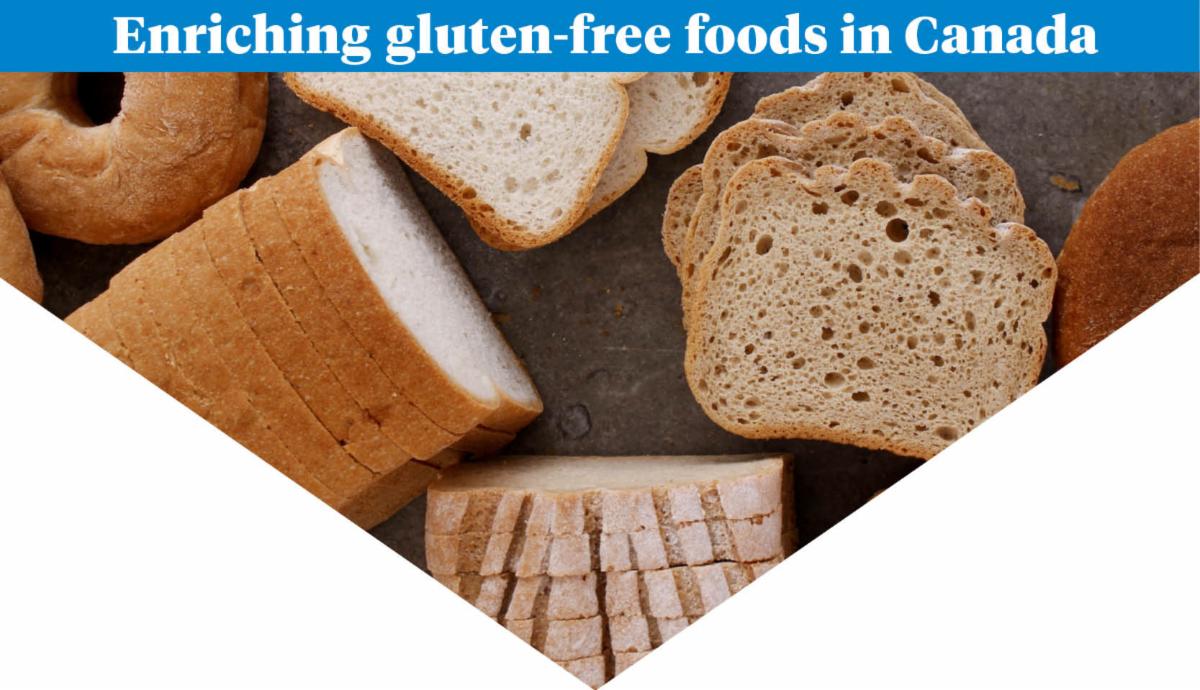
Most gluten-free flours, breads, pasta products, breakfast cereals and baked goods available on the Canadian market are much lower in vitamins, mineral nutrients and fibre than the gluten-containing products they replace. As a result, people with celiac disease, who must consume a strict gluten-free diet for life, may not be receiving optimum nutrition from their diets.
The Good News - Canada’s Food and Drug Regulations allow the enrichment of gluten-free foods sold in Canada.
Health Canada recommends that if cereal-based gluten-free foods are enriched, they should be enriched to the same levels as similar non-gluten-free products, e.g., gluten-free flours be enriched to the same levels as enriched flour; gluten-free breads to the same levels as enriched bread, etc. Bakery products and snack foods should have levels of enrichment corresponding to the amount of flour replaced.
|
|
Avoiding cross contact with gluten-containing food is a critical step in your home kitchen. Here are some tips from our PAC dietitians to keep you safe.
Purchase a toaster that will be only for gluten-free bread and waffles.
CCA continues to advocate for the use of separate toasters. While one study has questioned the need, more research is needed to verify if this practice should change.
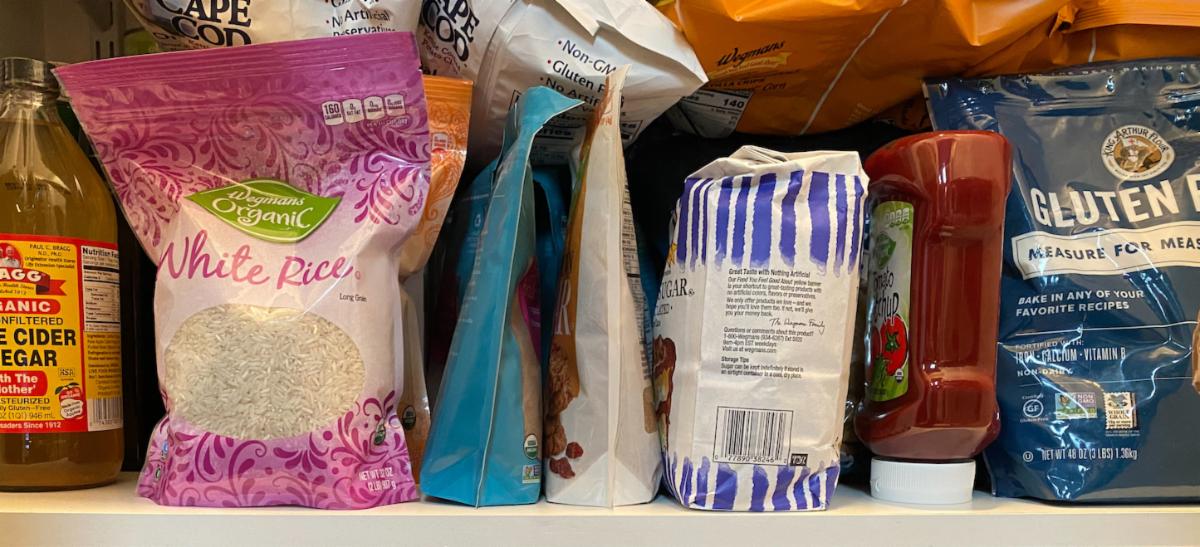
Storing gluten-free food items
If you choose to manage a kitchen with both gluten and gluten-free ingredients, opt to store gluten-free items above gluten ingredients especially flours and have them well-labelled. Consider a special cupboard or drawer to separate items.
Purchase ketchup and mustard in squeeze bottles.
Squeeze bottles stop the likelihood of food from becoming contaminated and allow you to have just one to share. While the squeeze bottles are a little less economical because the last few teaspoons are difficult to retrieve from the empty bottle, it can be worth the extra pennies and keeps people safe.
Butter or margarine
Purchase and clearly label a separate container for butter or a second tub of margarine for your gluten-free family members.
Keep the counter clean.
Wipe the counter with hot soapy water before preparing any food. Not only will this keep germs away, but it will also prevent possible cross-contamination from crumbs accidentally left behind.
Inspect your pots and pans – especially non-sticks – for grooves and places where gluten can be trapped.
Cast iron pans and pizza stones can absorb gluten, as can any ceramic or non-stick pans with scratched surfaces, so consider this when making your kitchen shopping list. Stainless steel and aluminum cookware can usually be cleaned well enough after each use, however; check the handle fasteners inside your pots and pans for possible food remnants.
Replace or repurchase some commonly used kitchen items.
|
|
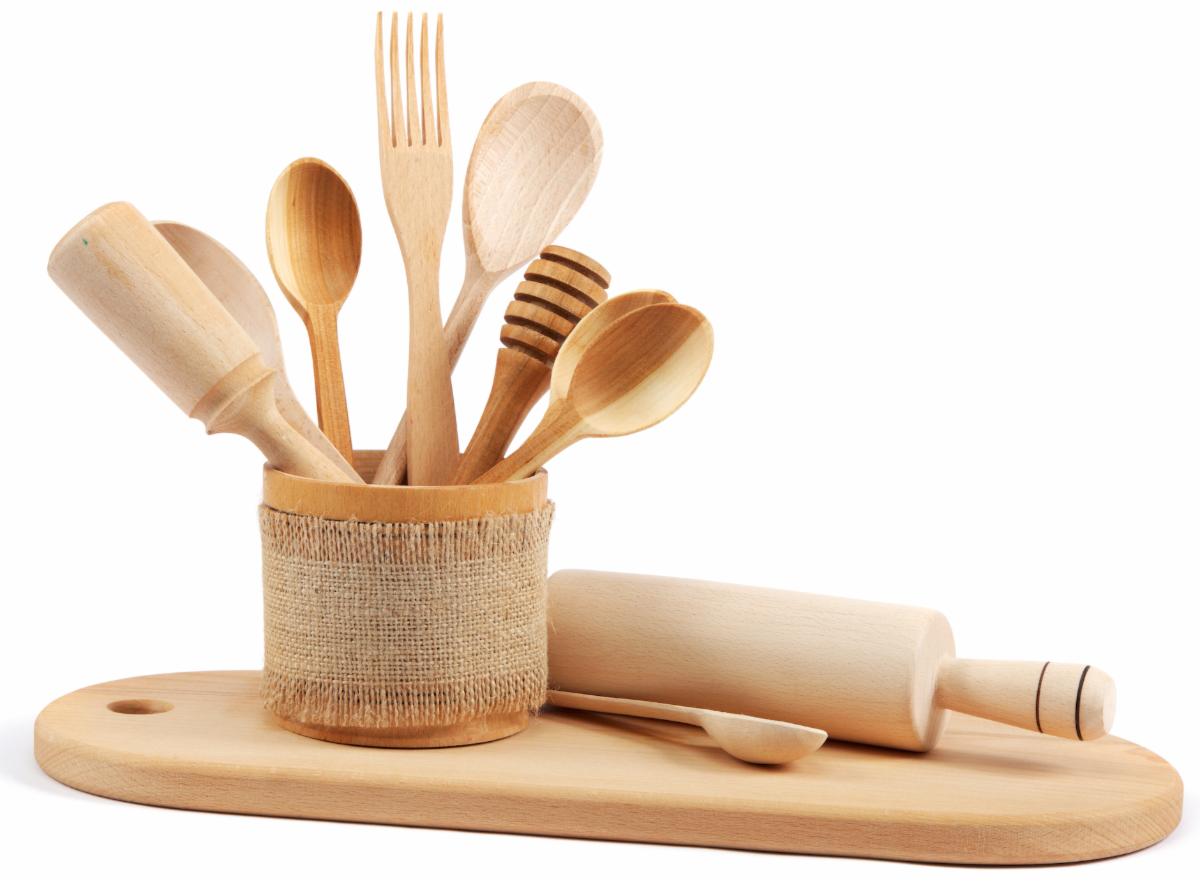
Avoid sharing utensils as wood is porous and tends to hold gluten. Gluten can leach into plastic, silicone and other porous materials, so you may need to replace or get a second set of the following items to keep your gluten-free cooking truly free of gluten:
• Cooking and eating utensils (made of anything that isn’t metal)
• Silicone spatulas, whisks, and baking sheets
• Cutting boards
• Strainers and sifters
• Storage containers (if all you have are plastic ones)
• Baking pans, sheets, and tins that have corners, grooves, etc.
• Wood rolling pins
• Hand or stand mixer beaters and other attachments (if you’re not willing or able to clean them completely)
Kitchen towels and sponges can be contaminators, too.
- Keep designated kitchen sponges and towels for gluten clean-ups. Paper towels are a good option.
Label spatulas or wooden stirring spoons or use a designated bright colour for gluten free.
For more tips visit Shelley Case's website
here.
|
|
TRY THESE NUTRIENT RICH RECIPES FROM OUR DIETETIC INTERN, DEBORAH CHOI
|
|
 |
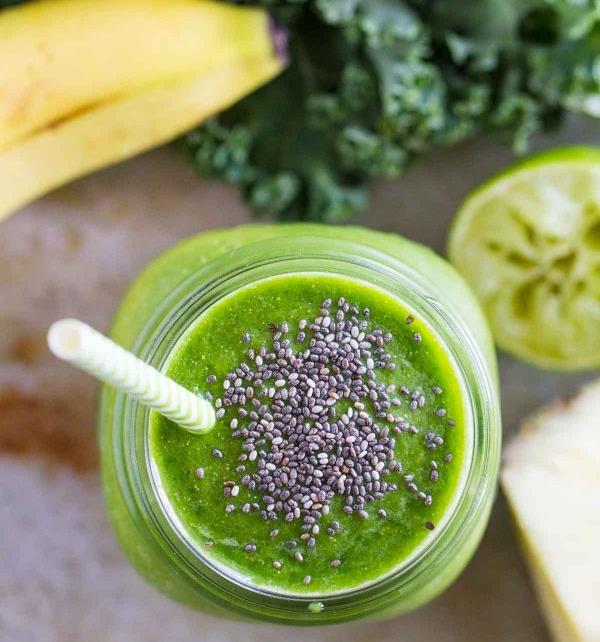
PINEAPPLE BANANA KALE SMOOTHIE
Boost your immune system with Vitamin C and iron.
|
|
|
|
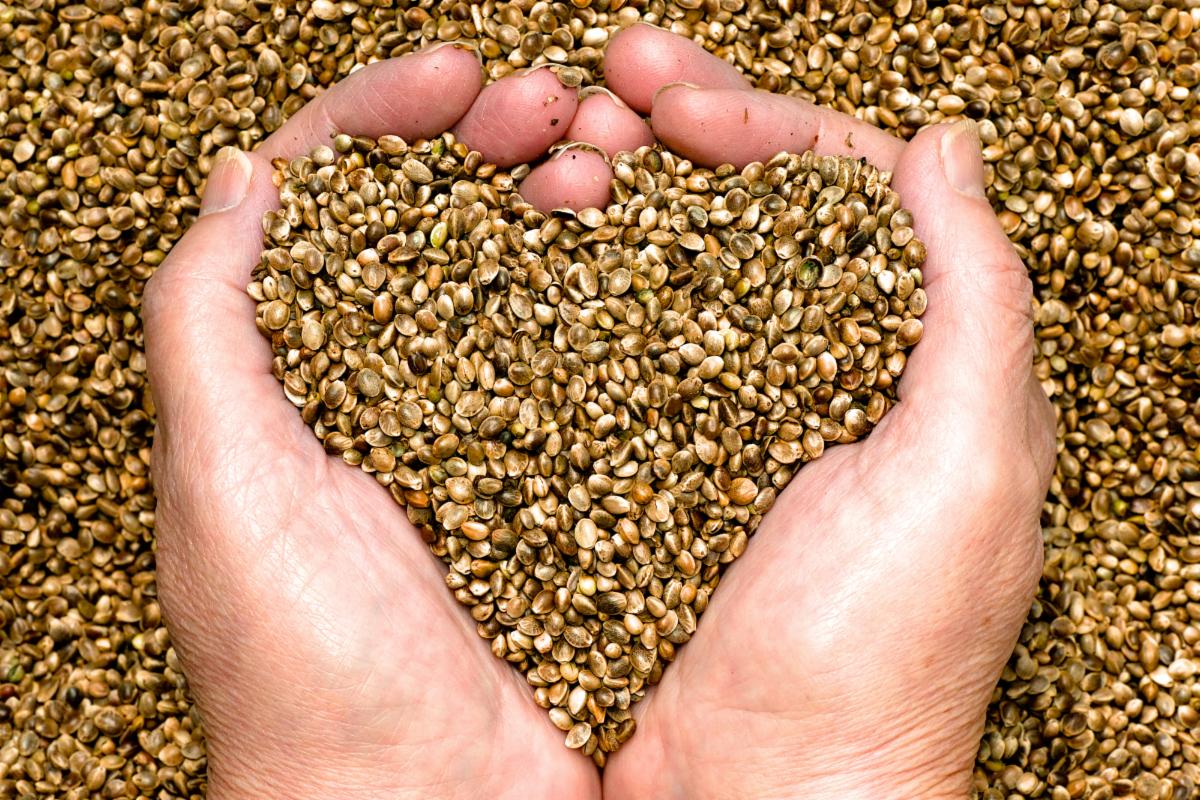
EASY BAKE HEMP SEED CHICKEN TENDERS
Look for certified gluten-free hemp seeds.
|
|
|
|
Help deliver more peer support, evidence-based information, expert education and advocacy for the Canadian gluten-free community.
|
|
CCA NATIONAL CONFERENCE
We are moving it online and it's going to be FREE!
Saturday, May 2, 2020
12 noon - 5:30 pm Eastern
Join us for world-class education.
Hourly amazing prizes.
Watch for details on how to register coming soon!
|
|
Better Living Gluten Free is a monthly electronic publication of the Canadian Celiac Association.
Copyright © Canadian Celiac Association
The contents of Better Living Gluten Free (BLGF) are provided in good faith, for information purposes only, and using the most current information available subject to amendment and should not be used as a substitute for the advice of a qualified health professional. The Professional Advisory Board of the Canadian Celiac Association (the “CCA”) has not reviewed the contents of BLGF. Use of the information is at your own risk. The CCA does not endorse any product referenced in BLGF. To the fullest extent permitted by law, the CCA, its local Chapters and all persons involved in compiling this publication disclaim any responsibility for, and make no representations or warranties regarding, the information provided. In no event will the CCA, its Chapters, or those persons involved in compiling this publication be liable for any damages of any kind resulting from the use of the information. Please review the CCA’s disclaimer policy on its website at
https://www.celiac.ca/privacy-policy/
|
|
|
|
|
|
|