When you or a loved one is diagnosed with celiac disease, dermatitis herpetiformis or gluten sensitivity, shopping for food becomes a whole new world. What is safe to consume? While labelling regulations of gluten-free food are some of the best in the world, we still have some challenges in Canada with precautionary labelling and the over or misuse of ‘May Contain.’
A small team of registered dietitians and volunteers led by Shelley Case of CCA’s Professional Advisory Council (PAC) worked diligently over the past six months to develop guidance to help gluten-free consumers in Canada.
This issue has been generously brought to you in part by Nairn’s.
|
|
WE MUST THANK CCA VOLUNTEERS MARION AND JAMES
Marion Zarkadas taught nutrition at university in Montreal and later worked at Consumer and Corporate Affairs in Ottawa. During that time, she met Dr. JA Campbell who was Director of Nutrition at Health Canada. This was the beginning of their collaboration on food allergen and gluten labelling issues. Ironically, shortly after that in 1989 Marion was diagnosed with celiac disease and she found herself at the Canadian Food Inspection Agency which was timely for the CCA community.
Both Marion and James became very involved in the celiac community sharing their expertise with the Ottawa chapter and the CCA’s then National Nutrition Advisory Board which is now its Professional Advisory Council.
Together they championed the gluten-free regulation that was passed in 1995. Their ongoing work about allergen and gluten labelling issues was published in various journals. Marion later played a key role in the new food allergen and gluten labelling regulations that were passed in February 2011 and came into force August 2012. As a result, all major allergens, gluten sources and sulphites must be declared on the label in the list of ingredients or Contains statement in pre-packaged foods.
|
|
FOOD LABELLING WEBINAR
To learn more about how to navigate labelling, check out CCA’s recent webinar recording.
|
|
FOOD LABELLING: GUIDELINES FOR INDIVIDUALS WITH CELIAC DISEASE FOLLOWING A GLUTEN-FREE DIET
|
|
In Canada, all priority allergens, gluten sources and/or added sulphites, whenever used as an ingredient or a component of a food product,
MUST be declared by their common name on the food label of a product. The priority allergens, gluten sources and/or added sulphites can be included in the
list of ingredients or in a “
Contains” statement, which immediately follows the list of ingredients.
A “
Contains” statement is
NOT the same as a
precautionary statement (also known as cross contamination or allergen advisory statements). Examples of precautionary statements include “may contain wheat”, “made in a facility that also processes wheat and soy” or “manufactured on equipment that also processes wheat.”
Precautionary statements are voluntary and are meant to inform the consumer about a potential source of an allergen. The Canadian Food Inspection Agency (CFIA) states: “A cross contamination statement is a declaration on the label of a prepackaged product that alerts consumers of the
possible presence of an allergen in the food. Cross contamination statements
may be declared by food manufacturers when despite all reasonable measures there is the unintended presence of food allergens in the food. Cross contamination statements are not a substitute for Good Manufacturing Practices.” When precautionary statements are used, they must, like all labelling statements, be truthful, clear and not ambiguous.
|
|
Risk Level Based on Labelling Claims
• Products with NO “gluten-free” claim AND a “Contains” statement for wheat, barley or rye
If the product does not have a gluten-free claim but there is a “Contains” statement for wheat, barley or rye it is NOT safe for people with celiac disease as the product contains a gluten source.
•
Products with NO “gluten-free claim”, NO gluten-containing ingredients BUT a precautionary statement for wheat
Health Canada strongly recommends that individuals with wheat allergies or celiac disease should AVOID products with a “May contain wheat” statement due to the possible presence of unintended wheat or other gluten sources. However, it is essential to understand that precautionary statements are not regulated and are done on a voluntary basis. Each manufacturer may or may not have their own criteria regarding whether a precautionary statement is used or not. Research has revealed that some products with and without any precautionary statements have been found to contain a gluten source. Clearly, there needs to be more research and criteria for the use of precautionary labelling statements so that consumers with gluten-related disorders or allergies have confidence in choosing safe foods.
•
Products WITH a “gluten-free” claim
Foods labelled with a “gluten-free” claim must not contain any intentionally added gluten sources and be less than 20 parts per million (ppm) of gluten from unavoidable cross contamination. Products with this claim are SAFE for those with celiac disease to consume.
•
Products WITH a “gluten-free” claim AND a precautionary statement for wheat
The CFIA published a recommendation for such cases:
“
The use of a ‘gluten-free’ claim in conjunction with a ‘may contain wheat’ statement, while possibly factual, should be done with caution. It is understood that ‘may contain wheat’ could alert individuals with a wheat allergy to the presence of low levels of wheat in a gluten-free food. However, manufacturers must ensure that the product contains no intentionally added gluten sources and less than 20 parts per million (ppm) of gluten as a result of cross contamination on a consistent basis, and that the other criteria for ‘gluten-free’ claims outlined above are also met. In this instance, manufacturers are encouraged to use the statement "may contain less than 20 ppm of wheat".
Wheat is identified both as a priority allergen and a gluten source by Health Canada, thus wheat must always be declared on food labels when intentionally added to a prepackaged food product. Wheat also can be unintentionally introduced in a food product during the manufacturing process as a result of cross contamination.
Products labelled “Gluten Free” can contain wheat gluten from unavoidable cross contamination at concentration levels below 20 ppm. They also can contain wheat proteins other than gluten that can be harmful to an individual with a wheat allergy.
While the cut off for this threshold is at 20 ppm, manufacturers should aim for no detectable gluten in their products. If the product is labelled “gluten free” AND also has a “may contain wheat” statement it is important to note that the gluten-free claim must be truthful, thus the product must be safe for consumption by individuals with celiac disease. However, such products could trigger allergic reactions in individuals with a wheat allergy and thus are NOT SAFE for them to consume.
|
|
Summary
Food manufacturers selling or making a product must declare priority food allergens, gluten sources and/or added sulphites when they are a part of, or a component of, an ingredient. Priority food allergens, gluten sources and/or added sulphites can be listed in either the ingredient list or in a “Contains” statement.
• A
“Contains” statement
is not the same as a Precautionary statement (e.g., “may contain”, “made in a facility that also processes wheat”, “made on shared equipment with wheat”).
• Products with a “
Contains” statement for a gluten source (as an ingredient or component of an ingredient) contain gluten proteins and must be avoided by individuals with celiac disease.
• Products with a
“May contain” statement for a gluten source are warning about possible cross contamination and allergen content. Products with a “May contain” statement must also be avoided unless there is a “Gluten-Free” claim as there is a risk, they could contain gluten proteins.
• In Canada, the use of a precautionary statement on a product label is voluntary. Although there are no specific regulations for the use of various precautionary statements, they must be truthful and not misleading. They should not be used as a substitute for Good Manufacturing Practices (GMP’s) and should express a real risk of cross contamination.
• When a precautionary statement is used, placement and legibility requirements do apply (these regulatory requirements will become fully effective in December 2021).
Food manufacturers are required to identify allergen/gluten-related risks and implement preventive control measures for prepackaged foods sold in Canada. Unfortunately, there is still great variation on the criteria used to decide whether products of concern should contain a precautionary statement. As such there needs to be more research and advocacy to guide criteria for the use of precautionary statements on food labels so that consumers with gluten-related disorders or allergies have confidence in choosing safe foods.
|
|
Levels of Risk for Various Foods and Food Products
There are numerous categories of foods and beverages that do not have any gluten-containing ingredients declared in the list of ingredients or “Contains” statement. Many of these products are safe to consume; however, there are some items that have a higher risk of being cross-contaminated with gluten-containing ingredients. The following discussion provides further background information about these products.
Grains, Pulses and Flours
Inherently gluten-free grains (e.g., amaranth, buckwheat, corn, oats, quinoa, sorghum), pulses (dried beans, peas and lentils) and flours made from these grains and pulses may have been in contact with wheat, rye and/or barley during seeding, harvest, storage, transportation, processing and/or packaging.
Oats
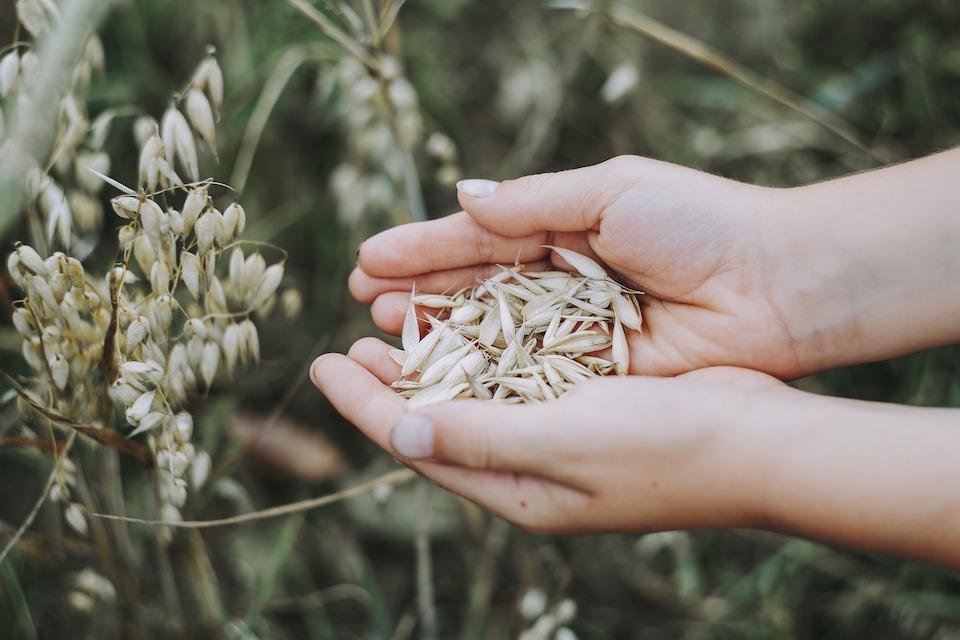
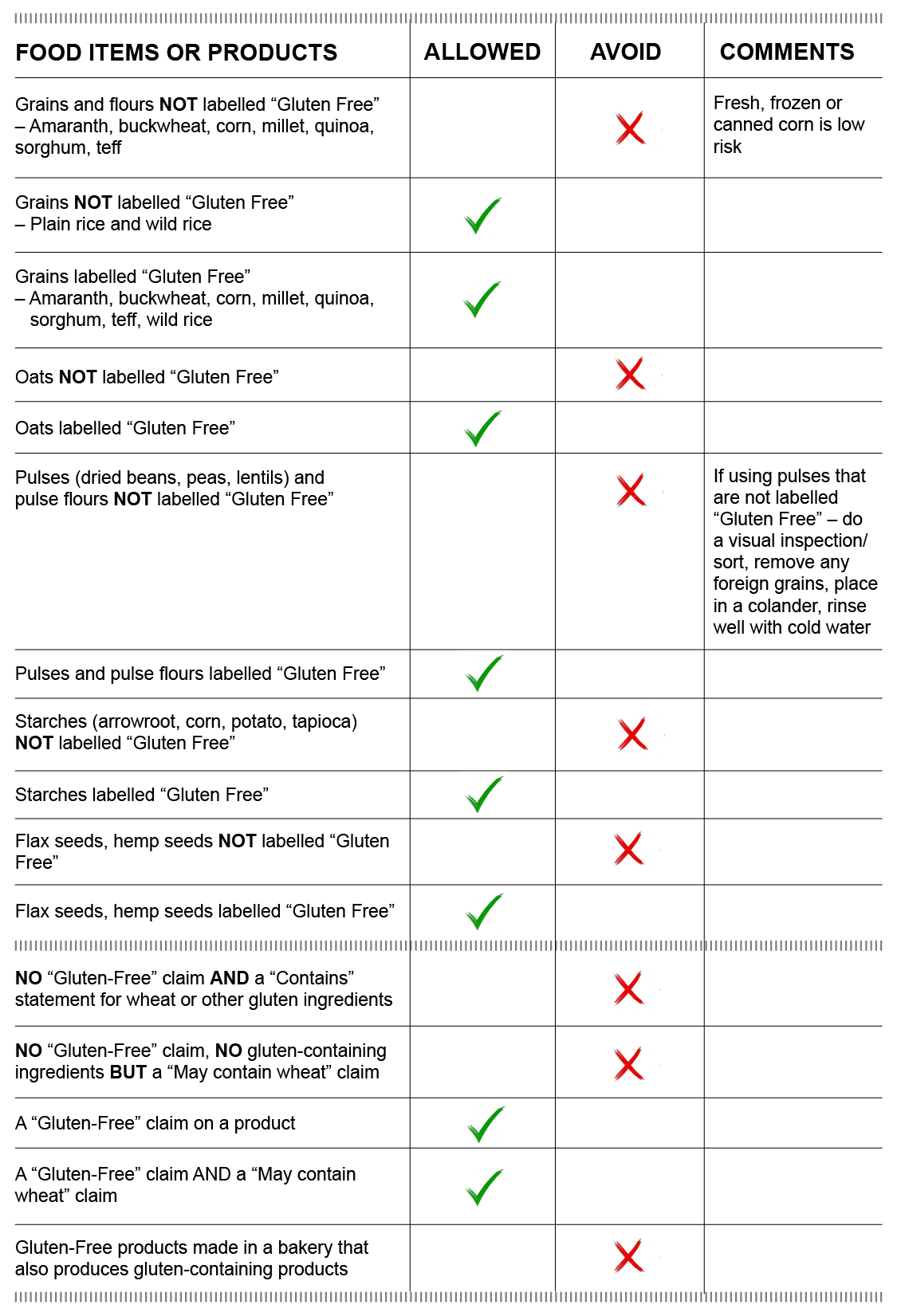
Regular oats are frequently contaminated with gluten-containing grains, especially barley. For this reason, it is essential to purchase oats and products made with oats that are labelled “gluten free”. Some manufacturers produce “gluten-free” oats under the “purity protocol” process while others use mechanical/optical sorters to clean contaminated conventional oats.
It should be noted that in Health Canada’s Food and Drug Regulations, the grains wheat, rye, triticale, barley and oats are included in the definition of gluten. The proteins in wheat, rye, triticale and barley are harmful to individuals with celiac disease and must strictly be avoided. Health Canada conducted a scientific review on the safety of uncontaminated oats for individuals with celiac disease. Their review concludes that “uncontaminated oats were safely ingested for several years by most patients with CD and that there is no conclusive evidence that the consumption of uncontaminated oats by patients with CD should be limited to a specific daily amount.” Therefore, Health Canada does permit specially processed oats to be labelled “gluten free” provided they meet the gluten-free regulation and are under 20 parts per million (ppm) gluten threshold.
The Canadian Celiac Association position statement on consumption of “gluten-free” oats by individuals with celiac disease can be found at this link:
https://www.celiac.ca/oats-statement/
Other Grains and Pulses
Because other grains and pulses (especially lentils) have been found to have cross contact with wheat, rye and/or barley, it is strongly recommended to purchase these products with a “gluten-free” claim. If it is not possible to purchase dried pulses with a gluten-free claim, it is recommended to place the pulses on a clean cookie sheet and visually inspect for foreign grain kernels. Discard any foreign grain kernels, rinse the pulses well with water using a clean colander/sieve and drain prior to preparation and consumption.
Plain rice and wild rice are not typically grown on land where wheat, rye and/or barley have previously been planted. Therefore, the risk of contamination in rice and wild rice is much lower compared to other gluten-free grains. It is possible that rice may be transported and packaged in facilities where gluten-containing grains are processed. Some brands of rice and wild rice include a “gluten-free” claim, but they are often more expensive and not always commonly available compared to those without a gluten-free claim. Given the low risk of contamination, individuals with celiac disease do not need to purchase rice and/or wild rice with a “gluten-free” claim.
Rice/wild rice mixes and pilafs often contain other ingredients that may include wheat and/or barley groats in addition to rice. Also, rice and wild rice mixes and pilafs may include seasoning blends or sauces that contain gluten. Always check the ingredient list to make sure there are no gluten-containing ingredients added to packaged rice blend products.
Starches
Various starches such as arrowroot, potato, tapioca and corn are inherently gluten free. However, some starches may be imported from other countries that may not have the same high standards for preventing contamination from allergens and gluten sources. It is recommended to purchase starches labelled “gluten free”.
|
|
Flax and Hemp Seeds
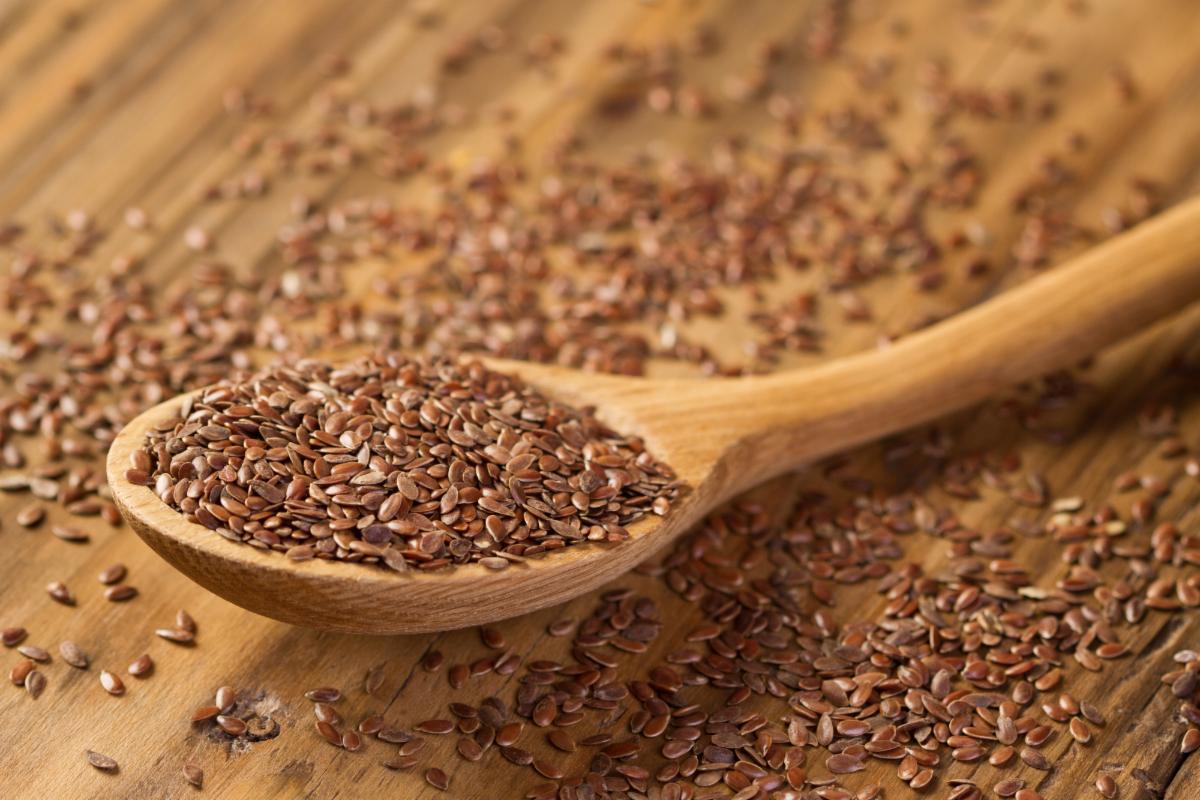
Flax and hemp seeds are inherently gluten free. However, they may have be grown on land where wheat, rye or barley had previously been grown and harvested. Also, flax and hemp seeds may be transported with and/or processed in a facility that handles gluten-containing grains. It is recommended to purchase flax and hemp seeds with a “gluten-free” claim.
Baked Products, Cereals and Pastas
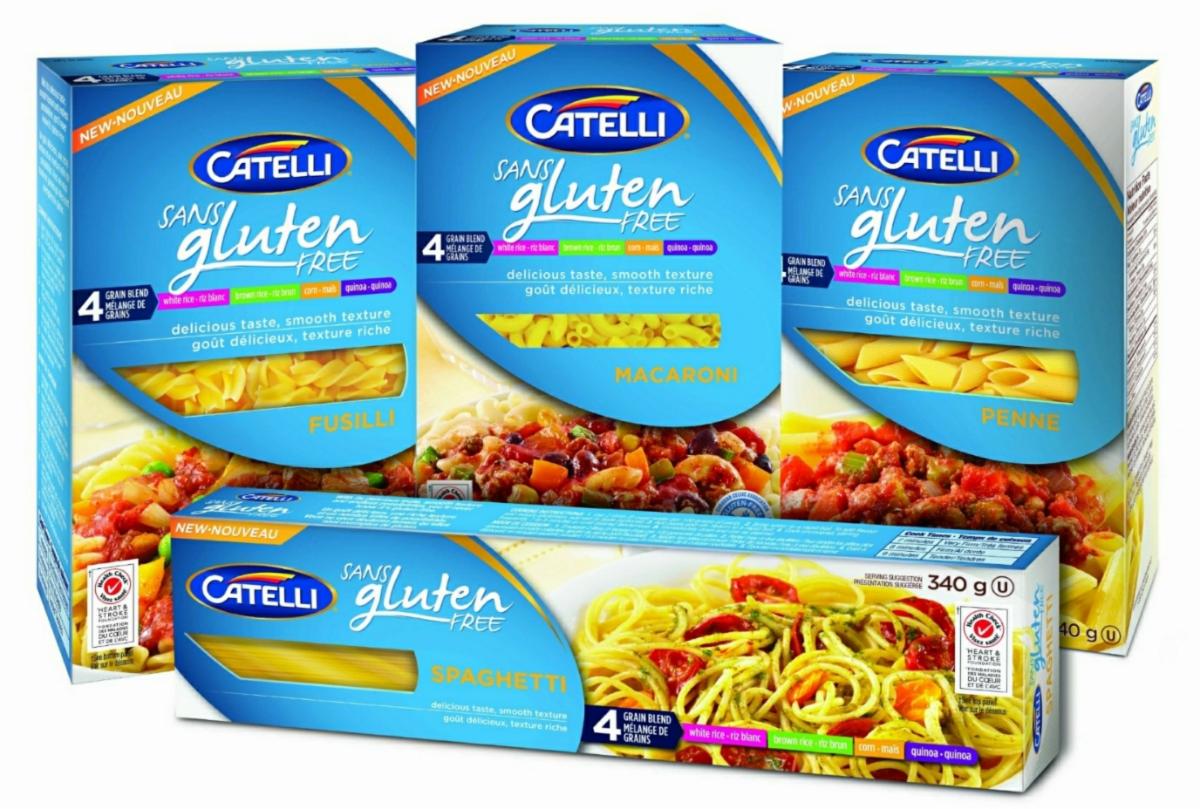
It is NOT recommended to purchase baked products, cereals and pastas made with naturally gluten-free grains and/or flours without a gluten-free claim (regardless if it does or does not include a may contain wheat statement) as these ingredients are high risk for cross contamination with wheat, rye and/or barley. Also, it is NOT recommended to purchase gluten free baked products from bakeries that also produce gluten-containing items, as the risk of cross contamination is very high due to airborne flour dust, dough sticking to equipment and baking pans.
|
|
GENERAL GUIDELINES FOR SELECTING PRODUCTS BASED ON
|
|
Primary Author:
Shelley Case, RD, Canadian Celiac Association Professional Advisory Council, February 20, 2020
References included in downloadable document.
|
|
Click the button below to download a PDF copy of the guideline for personal use.
Note: Permission must be granted by CCA for any reproductions or reposts.
|
|
CONTINUE THE ADVOCACY ON LABELLING
Individuals like you can help improve GF labelling in Canada.
Support the CCA’s efforts to make gluten-free shopping easier.
Donate today
|
|
REGISTRATION IS NOW OPEN!
Join us in the land of the living skies for some amazing
mid-western hospitality and world-class education.
Nine hours of education including ‘From Food to Fork', updates on research and the latest guidelines on diagnosis and management.
Welcome reception, breakfast, lunch and evening dinner panel session.
Gluten-free Vendor Fair
PLUS A FABULOUS GLUTEN-FREE GOODIE BAG
WITH EVERY CONFERENCE REGISTRATION
|
|
DELIVERING FREE EDUCATION TO HELP YOU
EMPOWERING YOUR BODY THROUGH NUTRITION
March is Nutrition Month! Join CCA Professional Advisory Council member Adrianna Smallwood to learn how to maximize your health through healthy eating. Learn how you can apply Canada's new food guide.
When: Wednesday, March 25
Time: 7:30-8:30pm Eastern
Speaker: Adrianna Smallwood, RD
GF 101: NAVIGATING THE GLUTEN-FREE DIET
Join CCA Registered Dietitian Gauri Bawa for our one-hour FREE webinar on how to navigate the gluten-free diet. Perfect for individuals or caregivers of people who are newly diagnosed or just need some extra help. Sessions are interactive. Have your questions ready!
When: Monday, Mar 23, 2020
Time: 7:00 – 8:00 PM Eastern Time
After registering, you will receive a confirmation email containing information about joining the webinar.
|
|
Better Living Gluten Free is a monthly electronic publication of the Canadian Celiac Association.
Copyright © Canadian Celiac Association
The contents of Better Living Gluten Free (BLGF) are provided in good faith, for information purposes only, and using the most current information available subject to amendment and should not be used as a substitute for the advice of a qualified health professional. The Professional Advisory Board of the Canadian Celiac Association (the “CCA”) has not reviewed the contents of BLGF. Use of the information is at your own risk. The CCA does not endorse any product referenced in BLGF. To the fullest extent permitted by law, the CCA, its local Chapters and all persons involved in compiling this publication disclaim any responsibility for, and make no representations or warranties regarding, the information provided. In no event will the CCA, its Chapters, or those persons involved in compiling this publication be liable for any damages of any kind resulting from the use of the information. Please review the CCA’s disclaimer policy on its website at
https://www.celiac.ca/privacy-policy/
|
|
|
|
|
|
|