|
Hadih and hello.
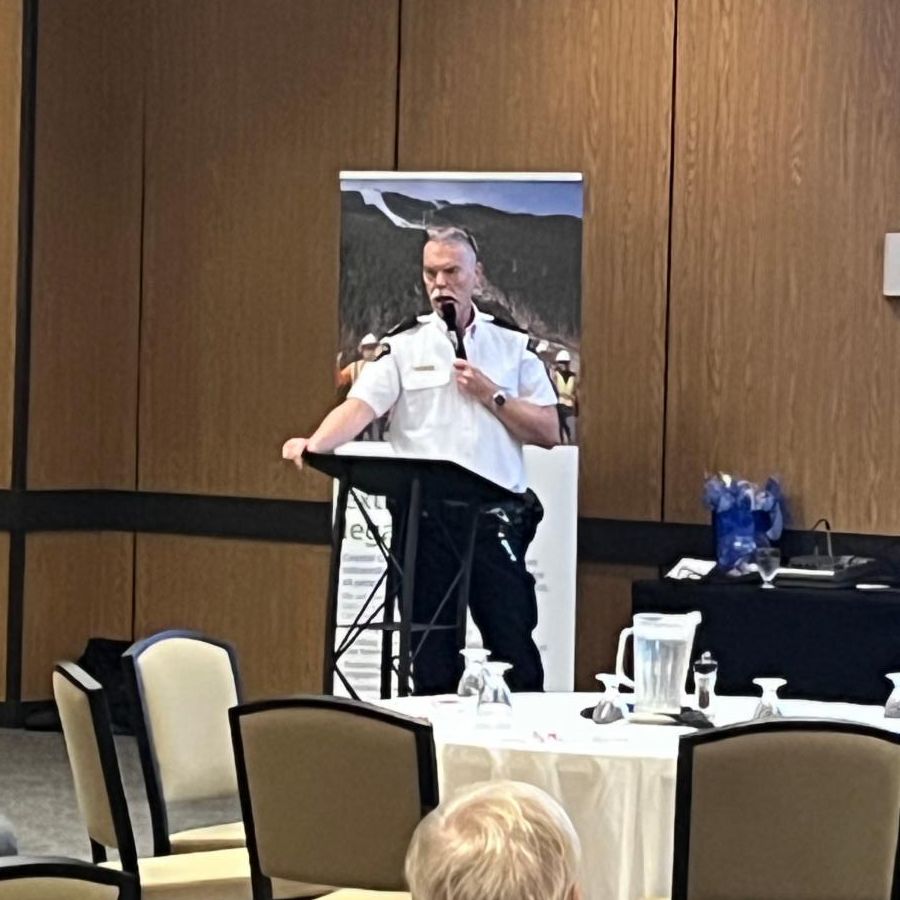
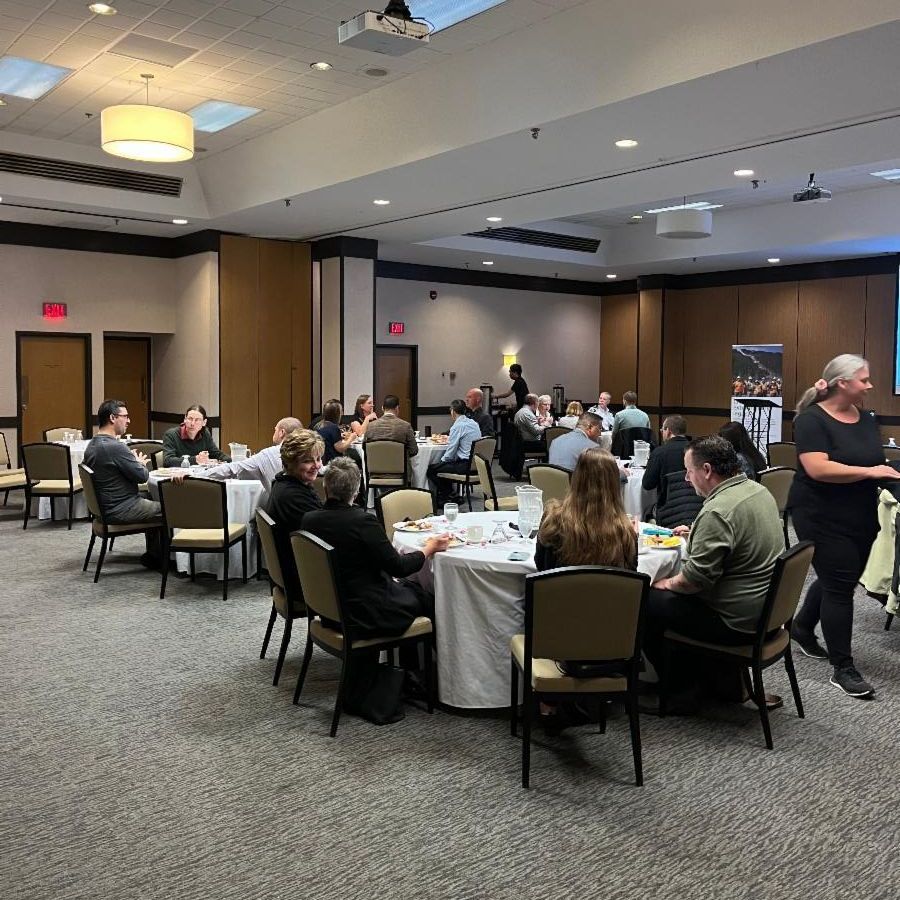
A BC Construction Safety Alliance breakfast event last week in Prince George about creating a “Recovery Informed Workplace” was a clear demonstration of the extent many employers are willing to go to take the lead on employee safety, rather than waiting for direction from government.
And it’s not just happening in BC. Ian Robb of the Building Trades of Alberta presented an overview of the industry group’s pioneering Building Resiliency Program, which focuses on workplace mental health and wellness. As part of his presentation, Robb talked about psychological safety on the job, meaning workers feeling safe enough to admit their mistakes, talk about their problems, and ask for help without undue fear of condemnation or being ignored.
This isn’t some hug-it-out, feel-good virtue signaling. Instead, it’s a simple value proposition to employers to invest and prioritize employee wellness and recovery because a safe workplace is a productive workplace and a productive workplace is a profitable one.
Put another way, the cost-benefit analysis is spend the time and money up front in employee wellness initiatives with a proven track record of higher retention, fewer injuries, and less sick time or pay far more later through increased absenteeism, lost productivity, and missed deadlines.
It’s pretty easy to see how this approach easily applies to all workplaces, not just ones where steel-toed boots and hard hats are required.
And the language is meaningful, too. Mental health and addictions clinicians often talk about their practice being “trauma informed,” meaning they focus on what’s wrong with people to treat their conditions. In contrast, the Recovery Informed Workplace strives for positive cultural change. That means taking the stigma out of addiction and mental illness, while actively respecting and accepting workers wherever they are on their recovery journey, from the first ask for information about employee assistance programs to workers who can now provide peer support to their colleagues.
Dr. Paul Farman from UBC’s Department of Family Practice emphasized that the impact of this work goes far beyond the job site. The social support provided by friends and family is an important part of an individual’s recovery but research shows that the essential ingredient is employment. Getting back on the job, even on a part-time basis with reduced duties, is a milestone on the recovery journey and a bright signal from the affected employee to coworkers, family, friends, and the broader community that things are slowly and surely getting better.
Short story: taking care of ourselves and each other is good for business.
All my best,
Neil
|