|
In a recent CO2 Coalition Climate Debrief podcast, environmental scientist and historian Dr. Bob Zybach (Ph.D., Oregon State University) shared insights from decades of research on Western Oregon forests, Indian burning practices, and wildfire patterns. His work underscores a critical reality: Today’s catastrophic wildfires stem from policy-driven fuel buildup and passive management – not human-caused climate change.
Dr. Zybach’s 500-year historical study shows that Indigenous peoples maintained vast cleared areas largely free of fuel through deliberate burning, creating savannas of grasslands and scattered trees, lowland meadows of lilies and other vegetation, and other openings in the landscape, all intended to limit the spread of fire.
However, modern policies reversed this. Afforestation, limitations on access into forests, and restrictions and litigation under the Endangered Species Act and National Environmental Policy Act halted active management, producing unprecedented fuel loads and fires far larger than historical norms.
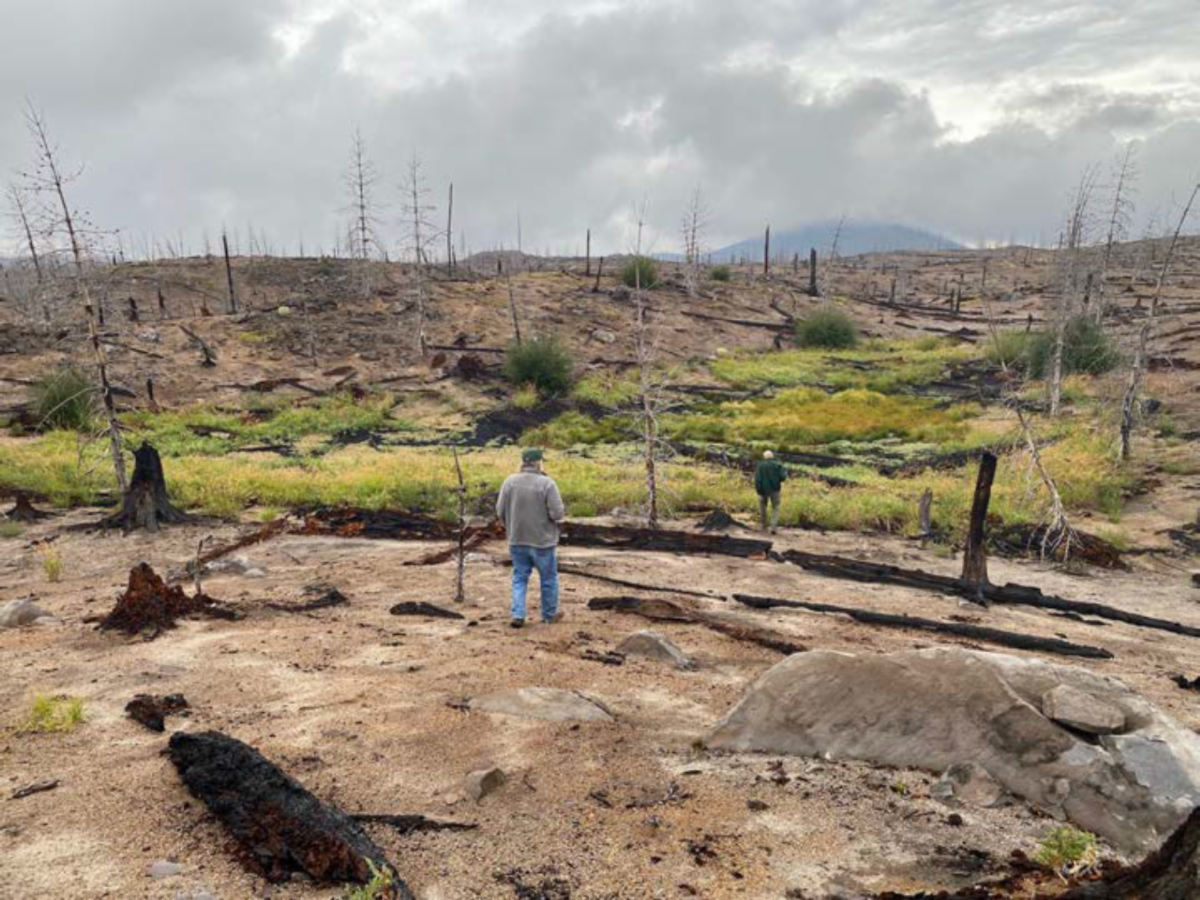
He documented predictions from the 1990s that warned of catastrophic wildfires resulting from ill-considered federal policies. Those fires arrived, including the 2002 B&B Complex Fire in Oregon, which was fed by unmanaged fuel created by beetle-kill and the collapse of timber harvests that resulted from spotted-owl litigation.
The fires had “nothing to do with climate,” said Dr. Zybach in the podcast interview. “The climate’s been about the same in western Oregon for 500 years.”
Rather, the explosion in large fires tracks with policy changes and litigation, not CO₂. He added that the climate narrative has enabled “tens of billions of dollars’ worth of damages, damaged thousands of lives, (and) killed millions of wildlife,” losses previously prevented by active forest management.
Practical fixes exist and have worked for generations, including:
· Keep roads and trails open for forest management.
· Control undergrowth and weeds.
· Plant diverse species with fuel-break openings.
· Maintain seedlings.
· Manage fuel loads through thinning.
Restoring local management, reducing litigation barriers, and treating dead wood as fuel rather than “habitat” would create forestry jobs, protect communities and wildlife, and end the cycle of megafires. “We’ve done it before,” said Dr. Zybach. “We know how to do it.”
Wildfires of the extreme variety are largely preventable. With leadership and a return to commonsense practices, the policy-induced damage of recent decades can be reversed quickly.
As the leading science-based organization dedicated to exposing the flaws in the climate-crisis narrative, the CO2 Coalition proudly amplifies experts like our member Dr. Zybach. Our commitment is to replace alarmism with evidence, historical perspective, and practical solutions that protect both people and the land.
|