In our latest thought leadership piece, Cory Duggin, PE, and Chad Griffith, PE, explore the financial, operational, and long-term impacts of electrification. They share key insights on which facilities can maximize these technologies today.


Check out the featured projects and top 10 list below, which touch on the benefits of electrification and click the link below to go beyond the basics and learn how electrified designs perform in the real world.

10 Benefits of Electrification

Lower operating costs: Electrification can reduce ongoing energy expenses by using high efficiency electric systems and heat recovery, rather than relying on fuel combustion for heating needs. Heat recovery integration can also support meaningful energy savings.

Reduced energy waste: Heat recovery systems capture heat that would otherwise be rejected outdoors and redirect it for reheat, domestic hot water preheating, or other facility needs. This allows the building to use energy more efficiently.

Stronger return on energy use: In warm, humid climates, heating demand is often driven by reheat rather than true winter heating, creating major opportunity to recover and reuse heat instead of generating it separately.

Tampa International Airport (TPA)

Airside D Terminal

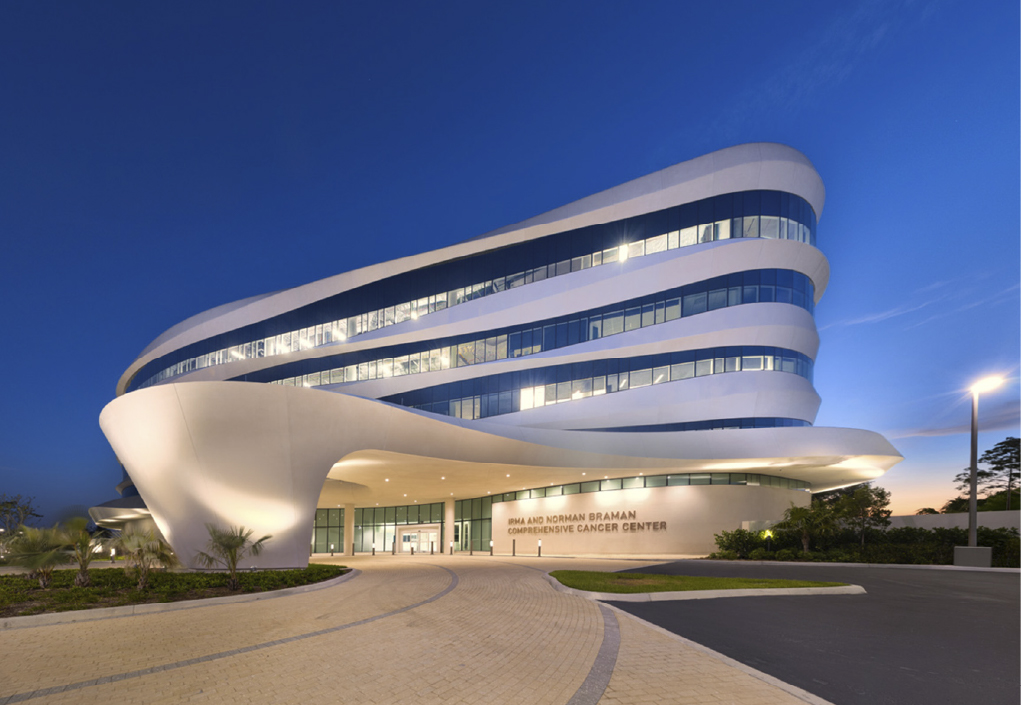
Mount Sinai Medical Center

Comprehensive Cancer Center

Higher system efficiency: Heat recovery chillers can produce heating and cooling simultaneously, supporting strong overall system performance.

Lower peak demand and utility cost potential: Thermal energy storage and smart plant operation can shift energy use to off peak periods, flatten afternoon demand peaks, and help reduce demand charges.

Better alignment with utility rates and incentives: Electrification friendly rate structures and available incentives can improve the financial case for heat pumps, storage, and efficiency upgrades when reviewed early in planning. 

Reduced exposure to gas price volatility: By reducing or eliminating reliance on gas for routine heating, electrification can help owners manage long term energy cost risk. 

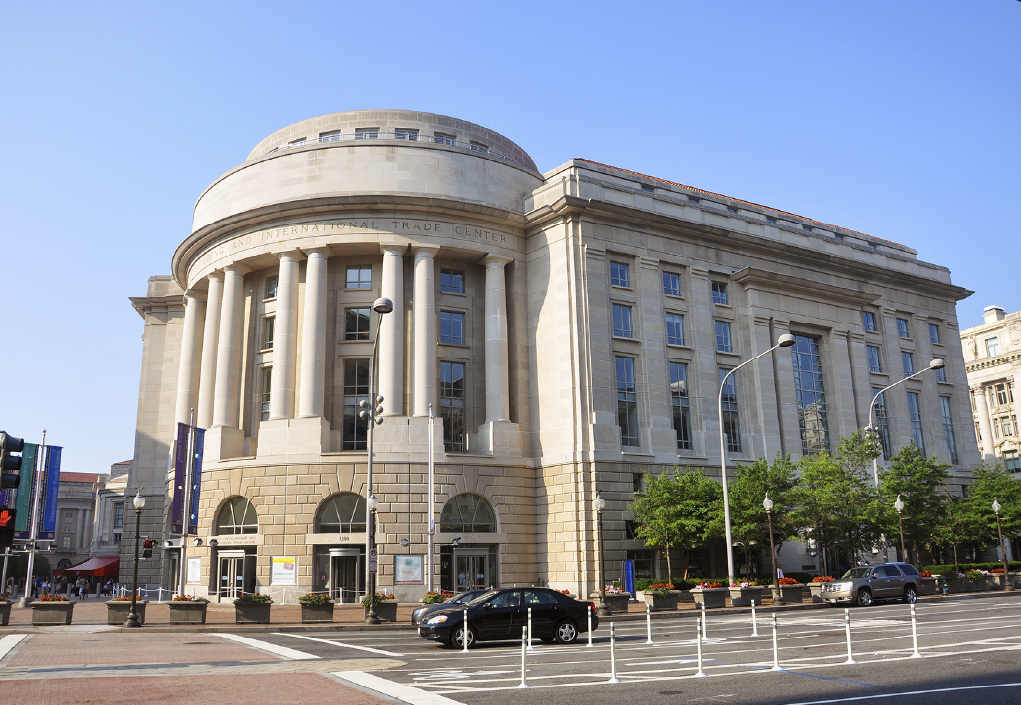
Ronald Reagan Building and

International Trade Center

Electrification

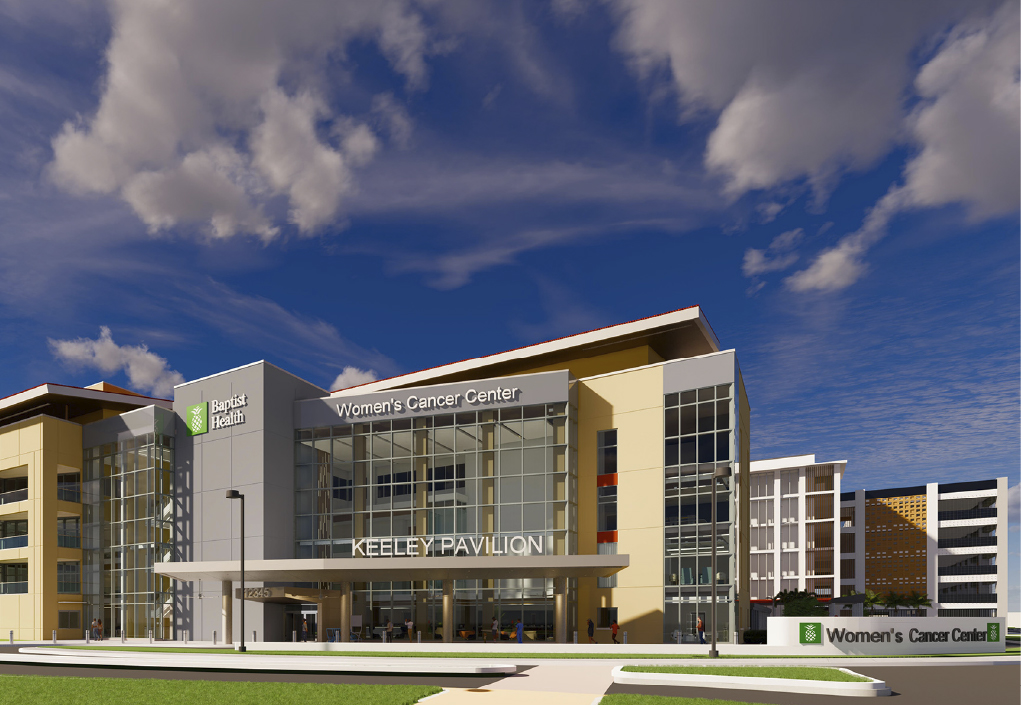
Baptist Hospital of Miami

Al and Jane Nahmad Women's Cancer

Center at the Keeley Pavilion

Lower emissions and future ready performance: All electric systems reduce on site combustion and allow facilities to become cleaner over time as the electric grid continues to decarbonize.

Improved resilience: Electrified plants can be designed with redundancy, backup power, thermal storage, and load shifting to support reliable operation during outages or grid events.

Long-term flexibility: Modular plant design, future tie ins, and scalable equipment strategies allow owners to expand or deepen electrification over time without needing to solve every future need upfront. 

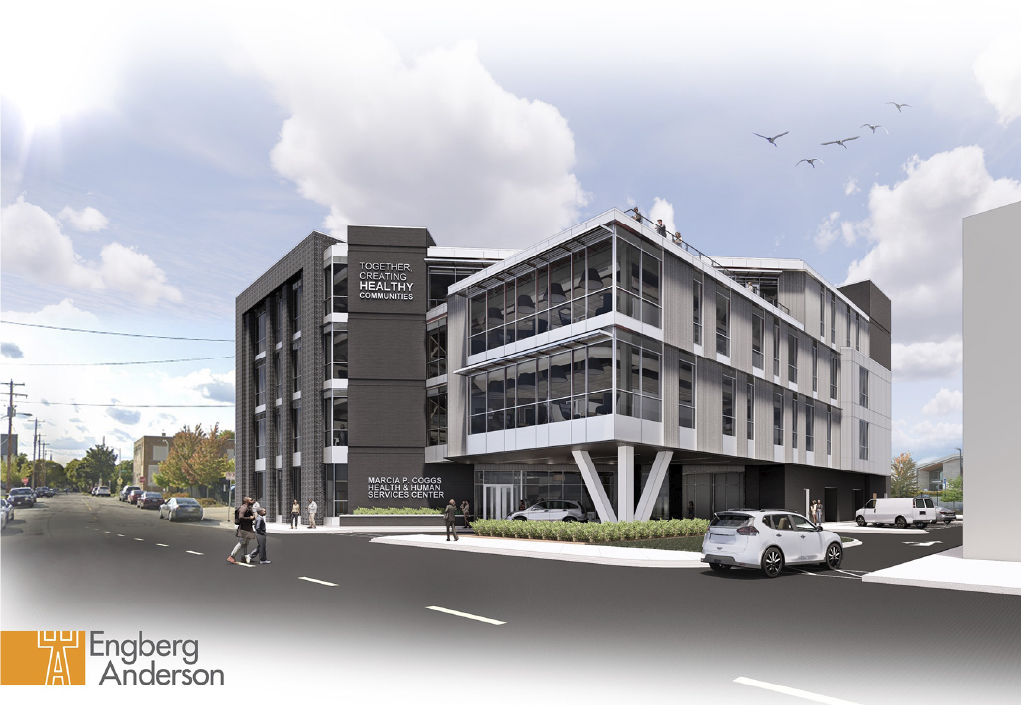
Milwaukee County Marcia P. Coggs

Health and Human Services Center

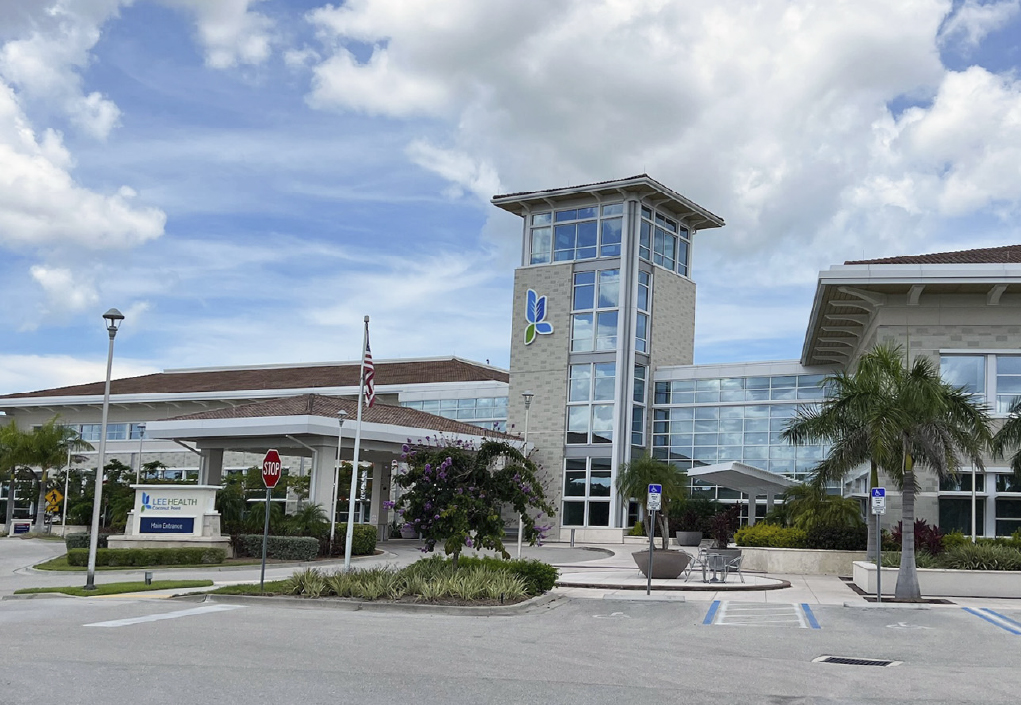
Lee Health Coconut Point

Click the project titles above to explore some of TLC's electrification stories.


THINK. LISTEN. CREATE.

Mechanical | Electrical | Plumbing | Fire Protection | Life Safety | Structural

Technology | Security | Acoustics | Sustainability | Commissioning | Medical Equipment Planning | Energy Engineering | Lighting Design | Master Utility Planning


www.tlc-engineers.com

LinkedIn  Instagram  Facebook  YouTube