|
There are destinations you visit, and then there are destinations that quietly change the way you see the world. Bhutan firmly belongs in the latter category.
I recently spent a week in the Kingdom of Bhutan, a country that for decades felt almost mythical to the outside world. And while Bhutan is slowly emerging from its “mysterious” reputation, it has done so entirely on its own terms... thoughtfully, deliberately, and with remarkable intention.
| | |
Bhutan welcomed its first airport only in 1980. Prior to that, the country was accessible to travelers beginning in 1974 solely via a land border crossing with India. Television and internet arrived as recently as 1999. These aren’t delays; they are decisions; choices made to protect culture, identity, and values while engaging with the modern world at a measured pace.
That balance is felt everywhere.
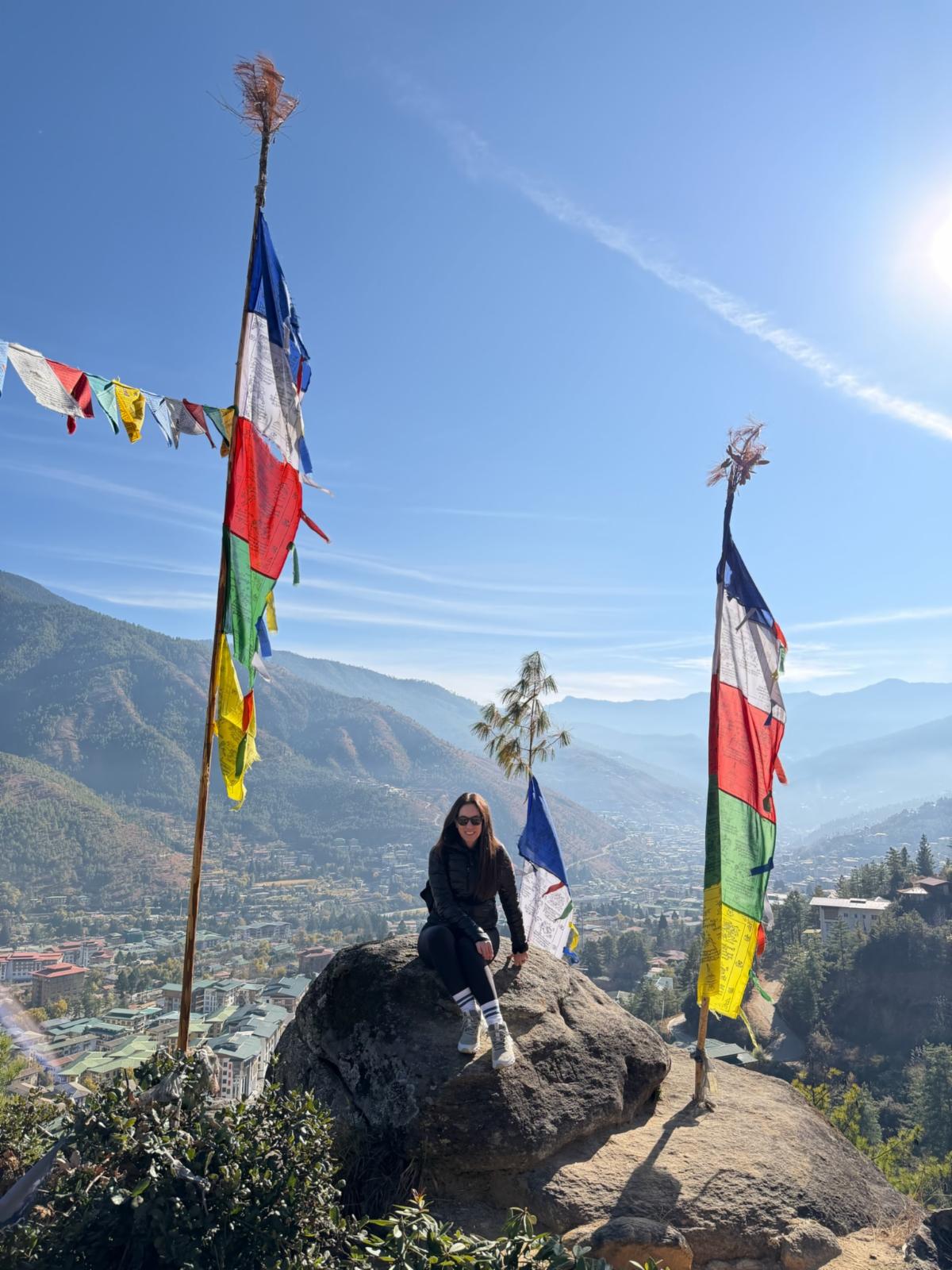
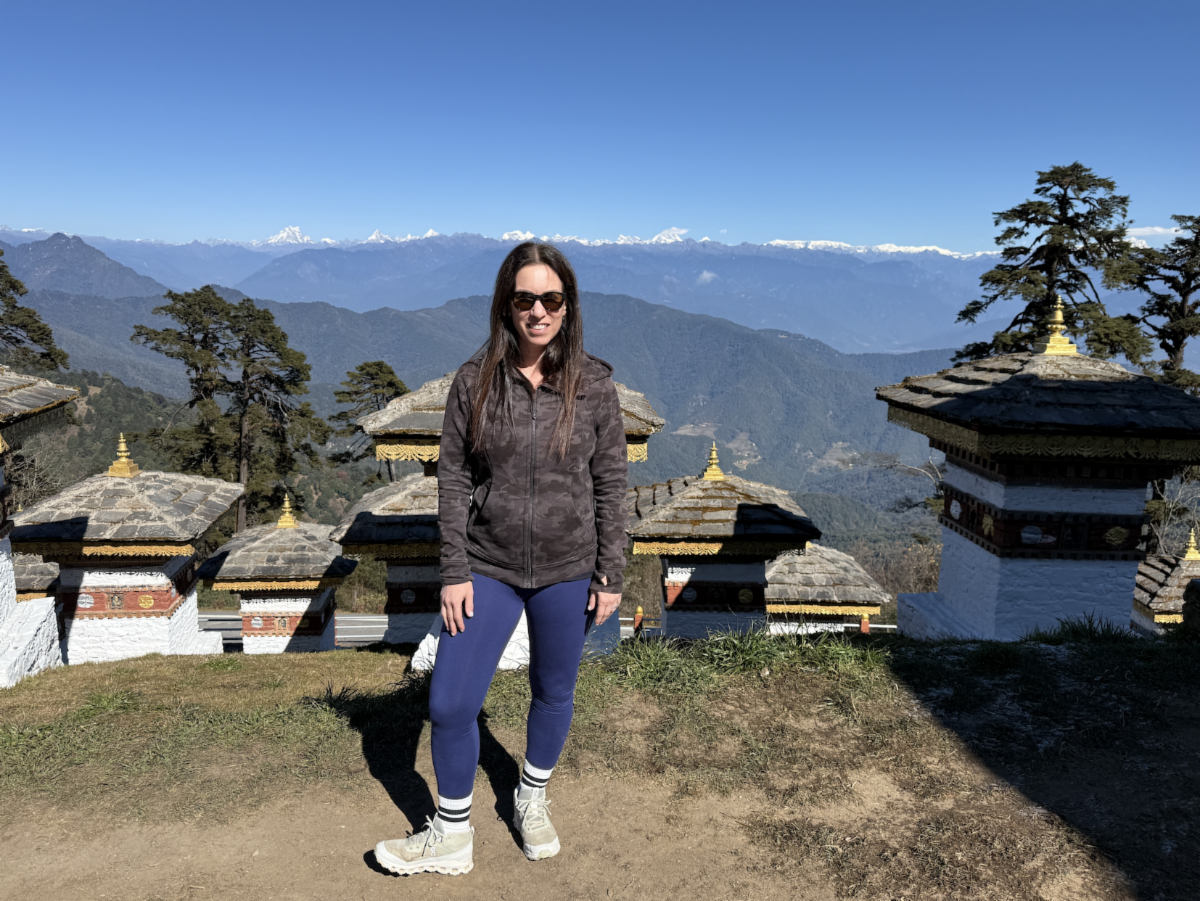
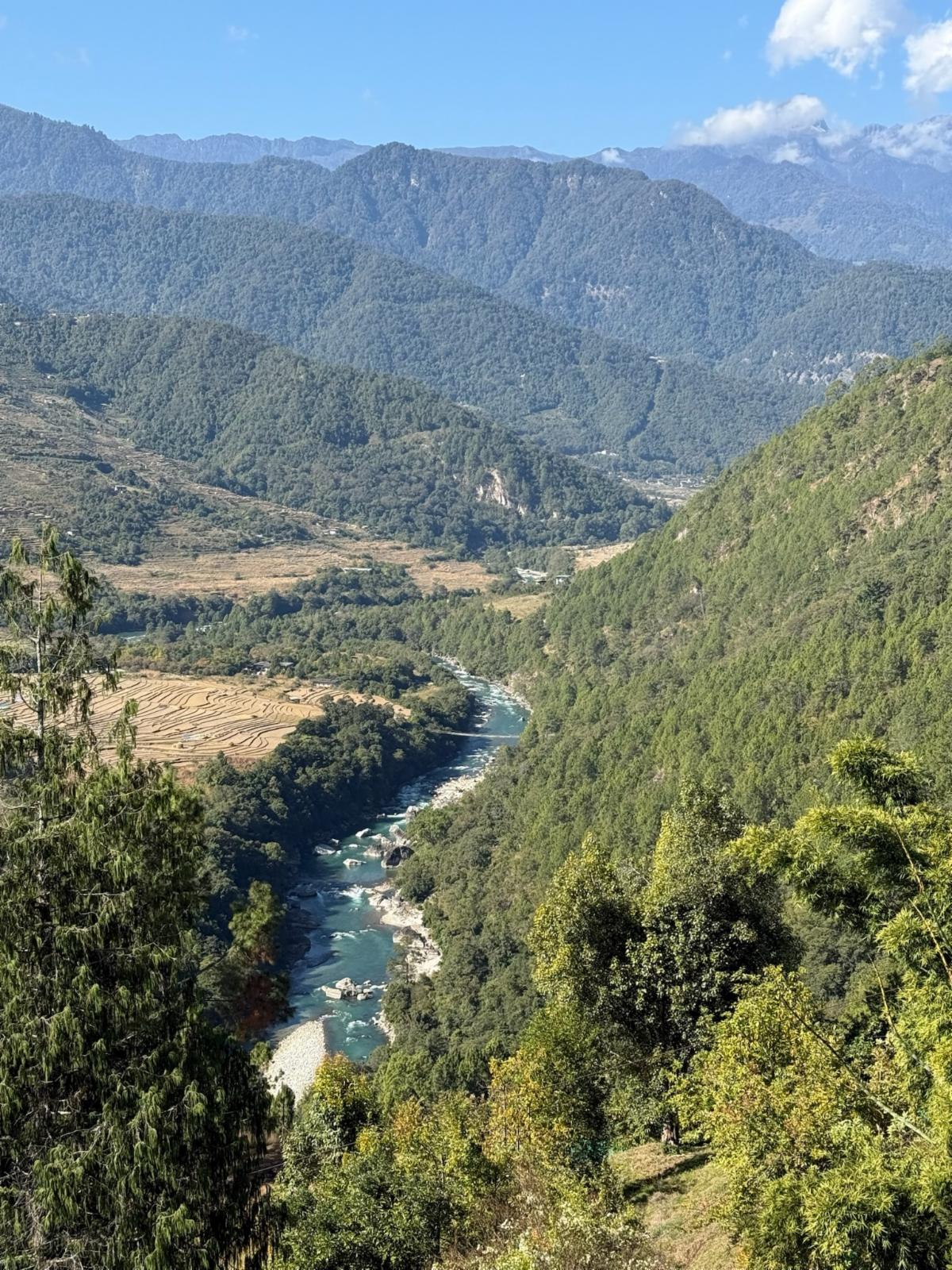
From the moment you land, the landscape announces itself. The Himalayas rise dramatically in the distance, while rolling hills, deep valleys, winding rivers, and misty mountain passes unfold at every turn. Prayer flags flutter above panoramic vistas, villages are tucked gently into hillsides, and even the drives between towns feel cinematic.
Nature doesn’t simply serve as a backdrop in Bhutan, it defines the experience. The landscape invites you to slow down, look outward, and reflect inward.
| | |
Bhutan is famously guided by Gross National Happiness (GNH) rather than Gross Domestic Product. The philosophy centers on holistic and sustainable development, balancing material progress with cultural preservation, environmental protection, and spiritual well-being.
This isn’t just a concept discussed in policy rooms — it’s visible in everyday life. Bhutan is also the world’s first carbon-negative country, a testament to how deeply conservation and stewardship are woven into national identity.
| | |
As extraordinary as the landscapes and monasteries are, it is the people who leave the deepest impression.
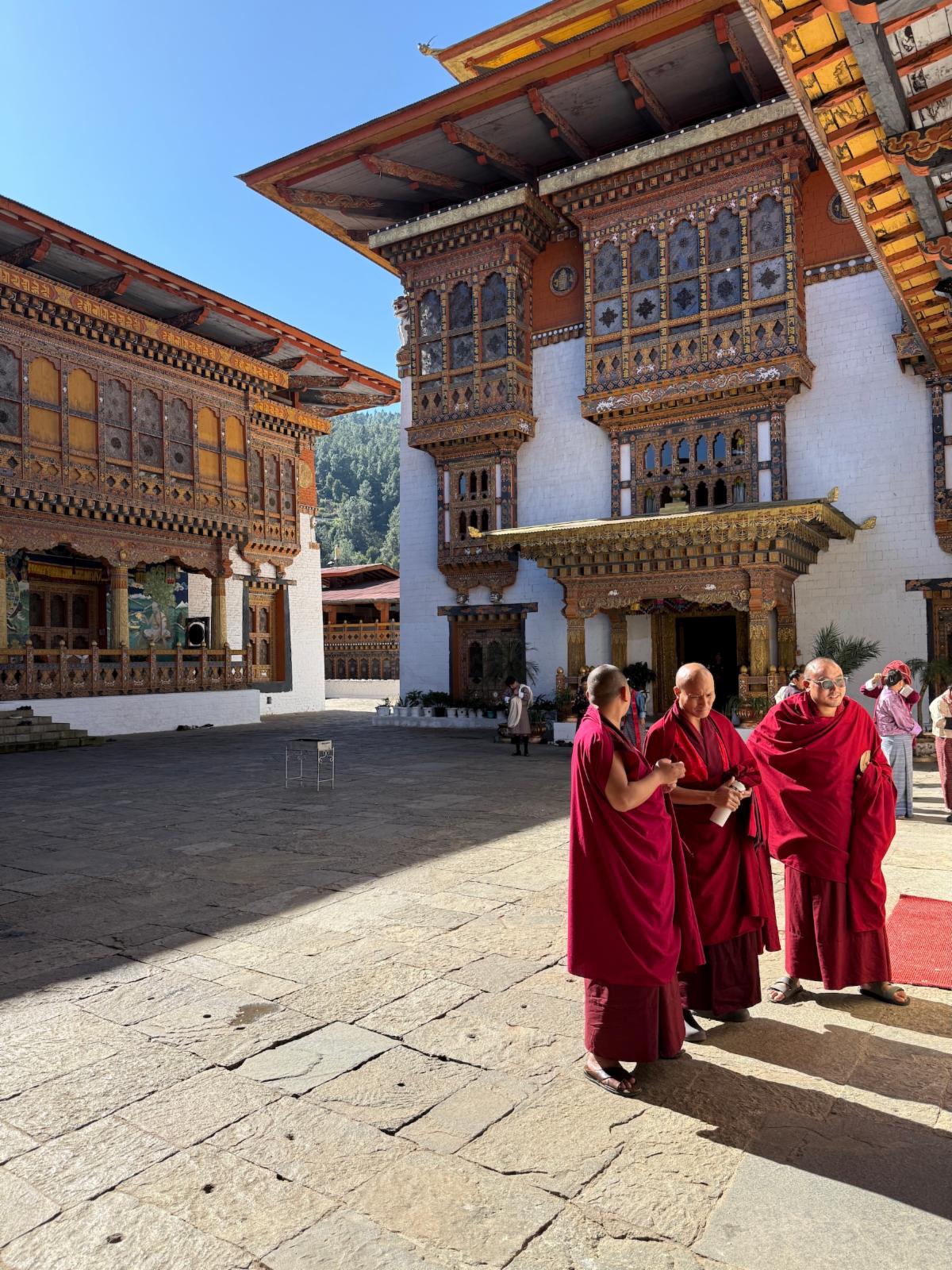
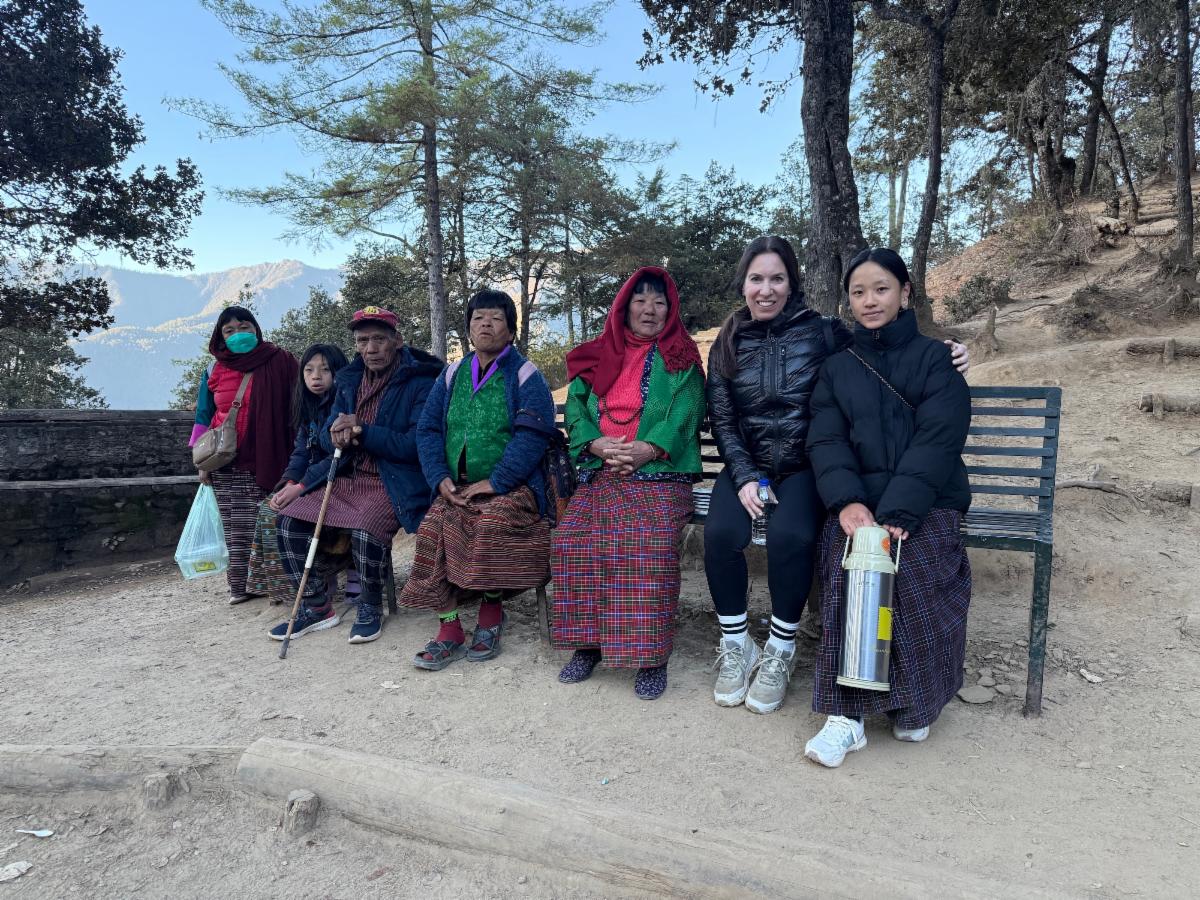
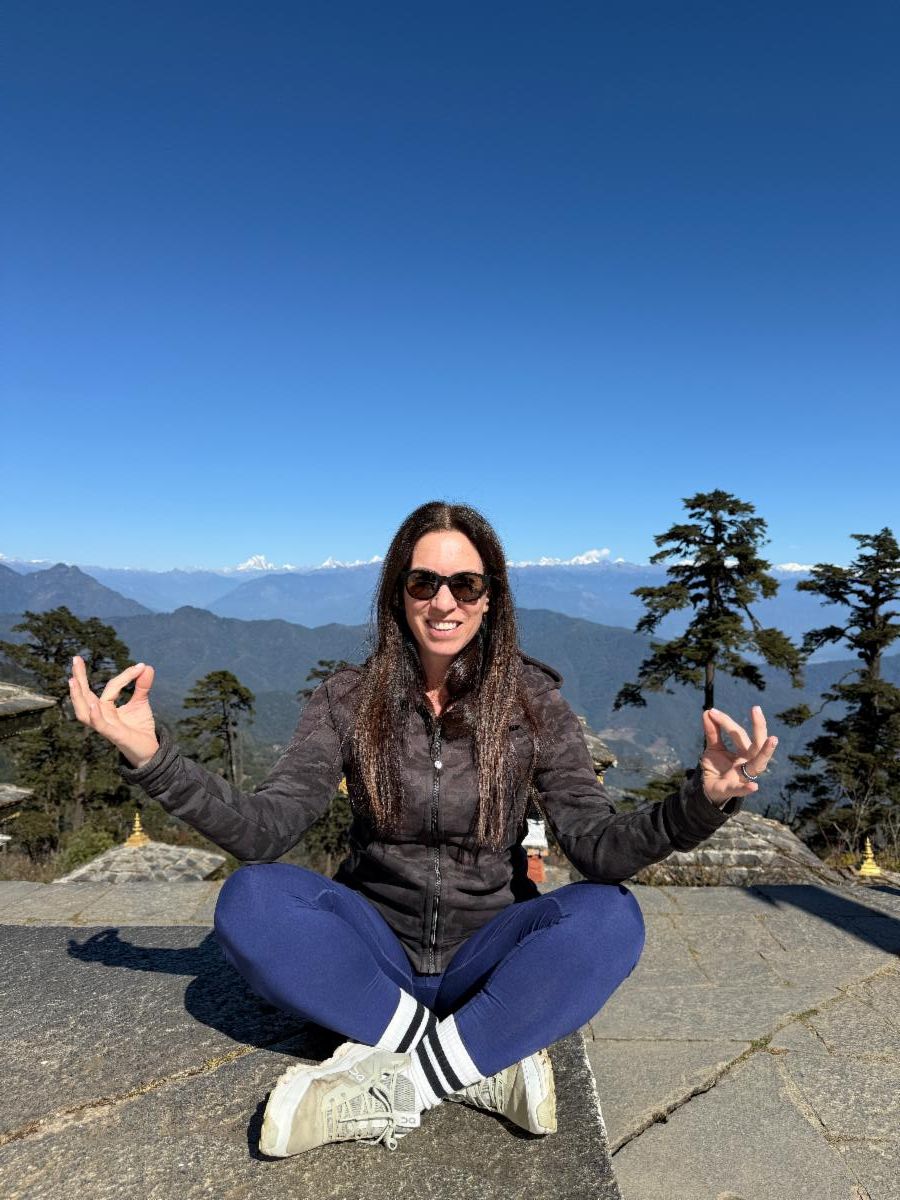
Bhutanese culture is shaped by humility, kindness, and presence. Smiles are unhurried. Conversations feel genuine. Buddhist values are not abstract philosophies here; they are lived quietly, daily, and with grace. Whether walking through a village, visiting a temple, or hiking a mountain trail, there is a warmth and openness that makes you feel truly welcomed.
| | |
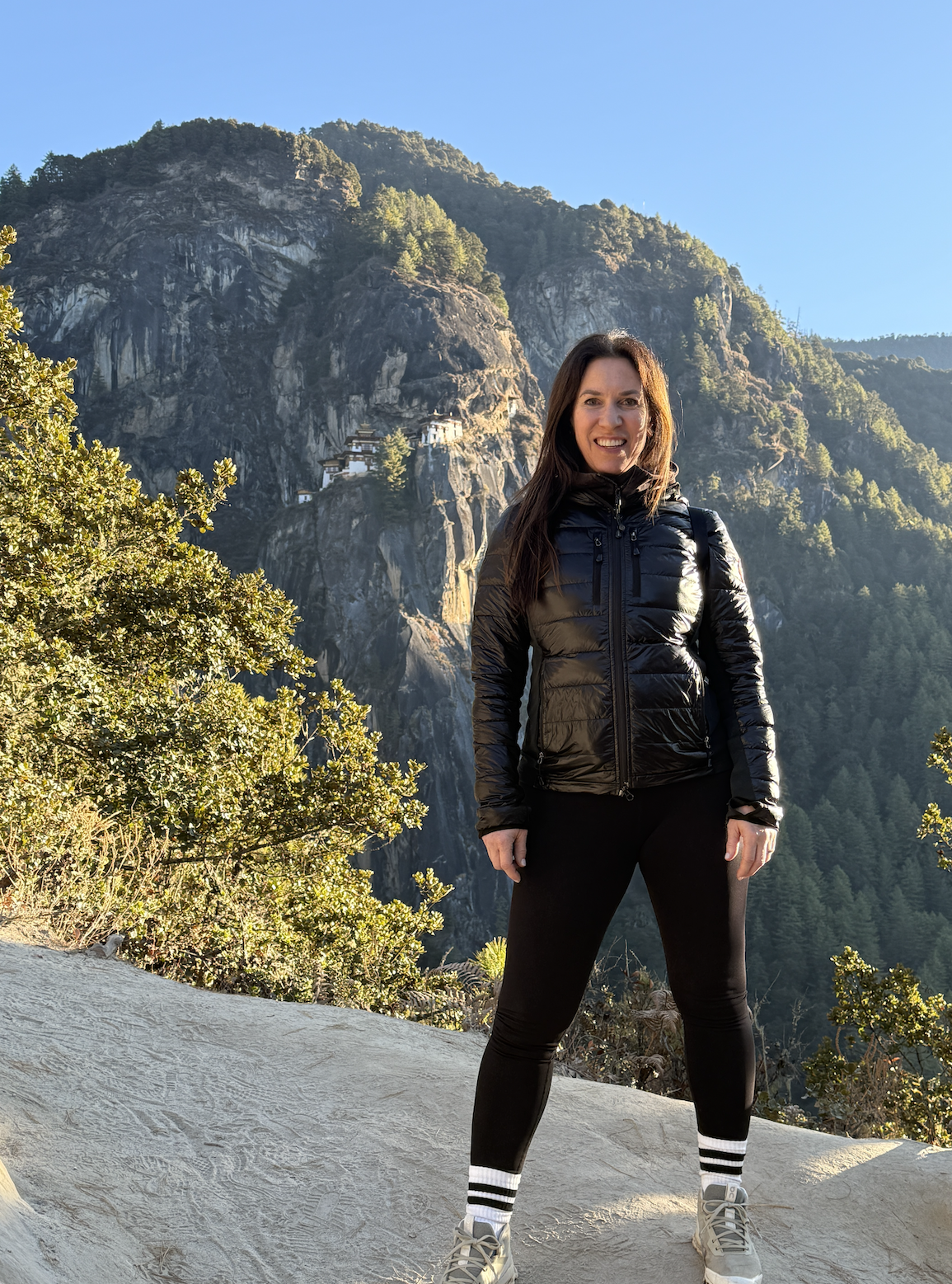
No journey to Bhutan is complete without visiting Tiger’s Nest (Paro Taktsang) - an exquisite monastery constructed impossibly on a sheer cliff face. The hike itself is meditative, challenging, and deeply rewarding, culminating in a moment that feels both humbling and awe-inspiring.
| |
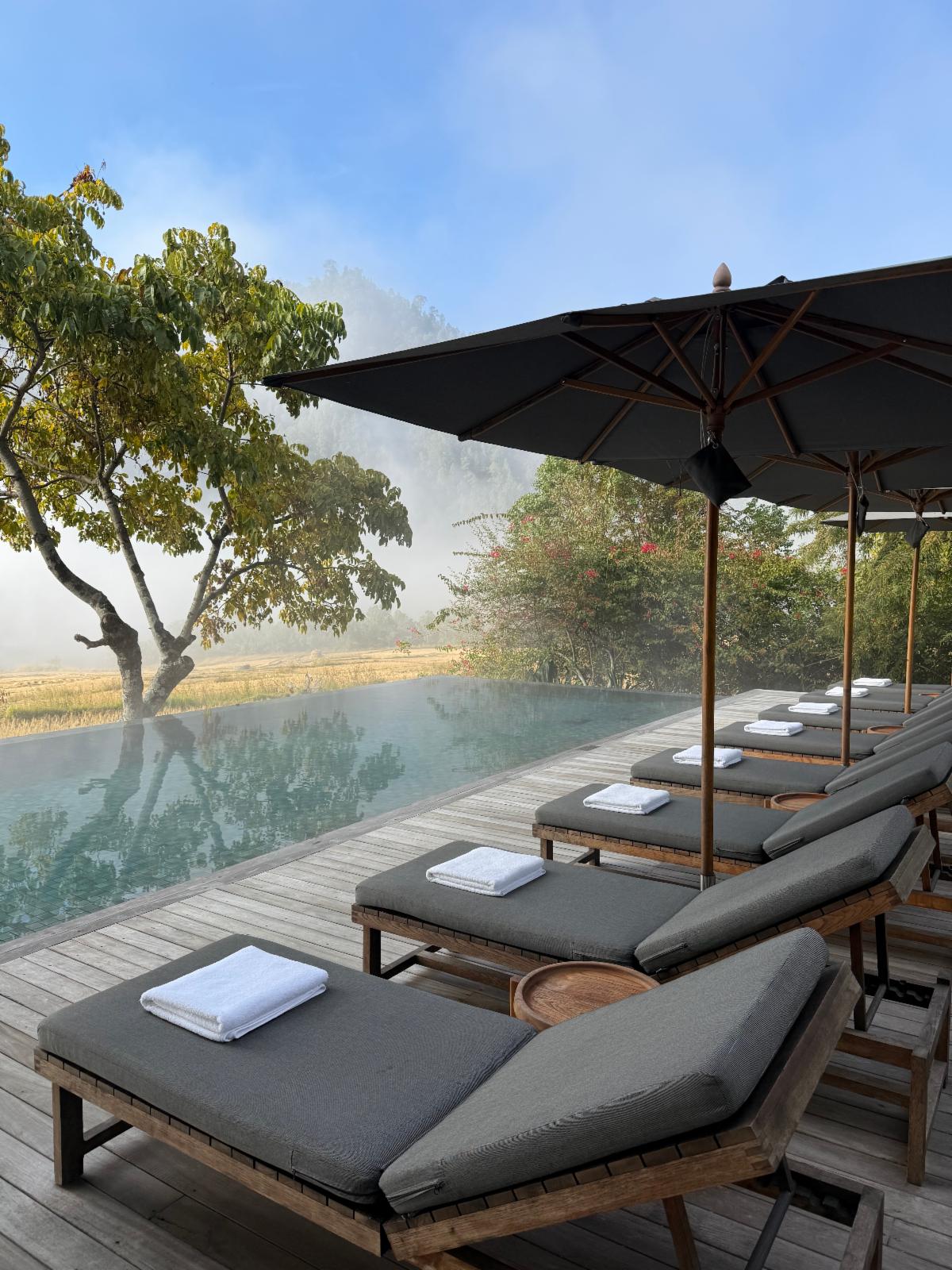
I was incredibly fortunate to be hosted by Amankora, Aman’s multi-lodge experience across Bhutan, and stayed at three of its five properties during my journey.
Rather than a single resort, Amankora is a collection of lodges thoughtfully placed in different valleys, allowing guests to experience Bhutan’s regional diversity while enjoying seamless transitions and an exceptional level of care. Each lodge reflects its surroundings: understated, serene, and deeply connected to nature and local culture.
What stood out most was how Amankora enhances, rather than distracts from, the destination. The service is intuitive, the guides are extraordinary, and every detail is designed to support a sense of calm, reflection, and immersion. It is luxury in its most meaningful form. Quiet, intentional, and profoundly respectful of place.
| | |
Bhutan is a rare place where technology and tradition coexist, where progress does not eclipse spirituality, and where development is guided by heart as much as by mind.
Bhutan is not a destination you rush through or casually check off a list. It is a journey that stays with you: grounding, perspective-shifting, and deeply moving. For travelers seeking meaning, beauty, and connection, Bhutan is, without question, a true bucket-list destination.
If Bhutan has been lingering on your list, consider this your sign.
| |
|
| |
Let’s start planning those WOW moments.
Reach out to me to plan Bhutan!
| | | | | | |