|
October 2026 Newsletter from the 30 Mile River Watershed Association
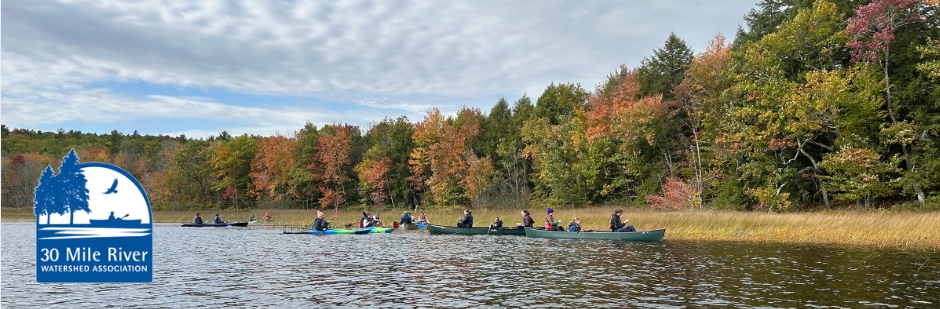
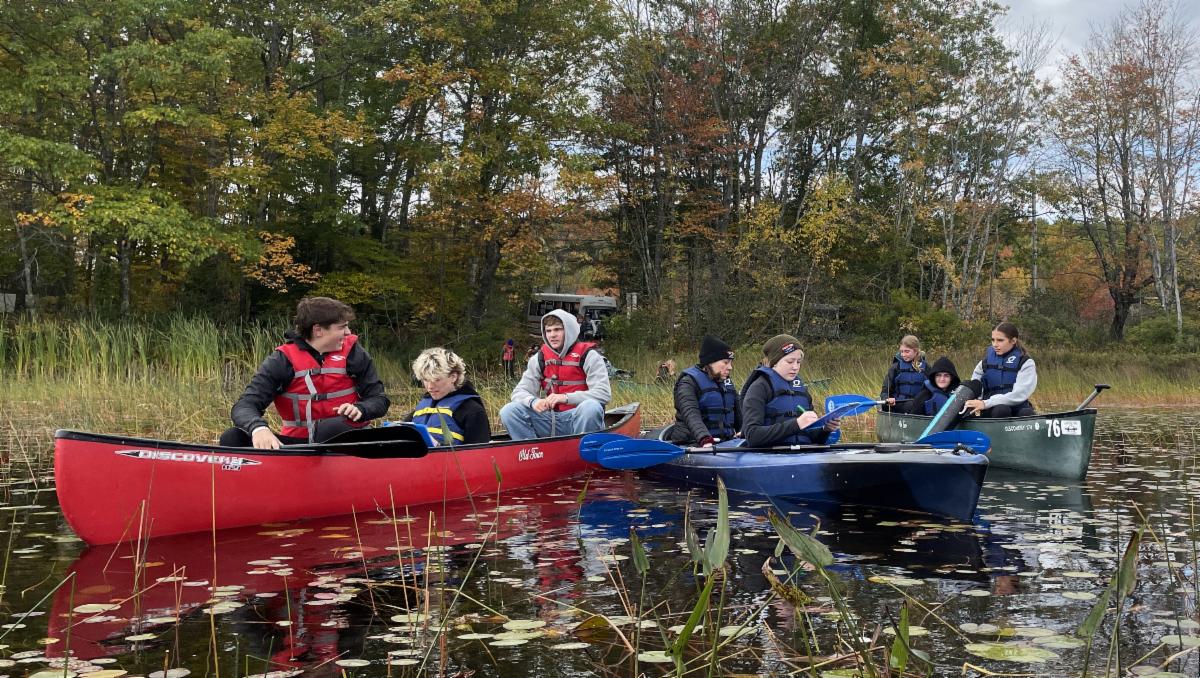
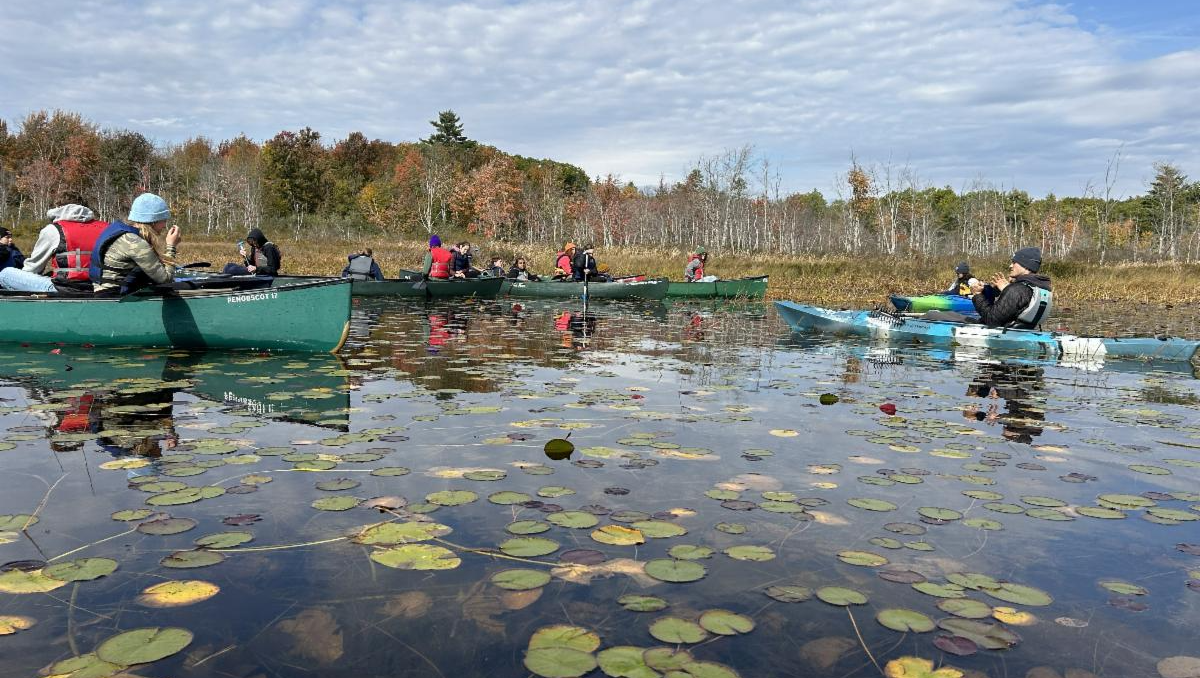
Photo: Students from Kents Hill School examining swollen bladderwort on Tilton Pond.
| | |
LakeSmart Tip:
Easy-to-do winter preparation
| | |
As the seasons change and the days grow shorter and colder, help prepare your property for winter with these lake-friendly practices!
- Remove debris from ditches and culverts
- Clean waterbars, rubber razors, open-top culverts, and other installed water diversion Best Management Practices (BMPs)
- Grade and crown your road
-
Leave the leaves. The easiest task of all, put down the rake!
To learn more about how these practices can help limit erosion that harms water quality, visit our full article here.
| | |
In late September, our environmental consultants joined our staff and several algal bloom project steering committee members on Androscoggin Lake to gain a better understanding of its unique qualities. The group also visited the Dead River pollution control device (PCD), or “Dead River Dam,” to provide additional insight into how the river could be impacting the lake.
On October 2nd, the lake reached Maine DEP’s standards for lake-wide algal bloom status, defined as clarity readings of 2m or less at the deep hole. The clarity reading was recorded as 1.8m (5.9ft). The clarity had improved to 2.34m (7.68ft) as of October 20th, ending the lake-wide algal bloom status, but the lake is still visibly green, and our monitoring buoy is still detecting high levels of cyanobacteria.
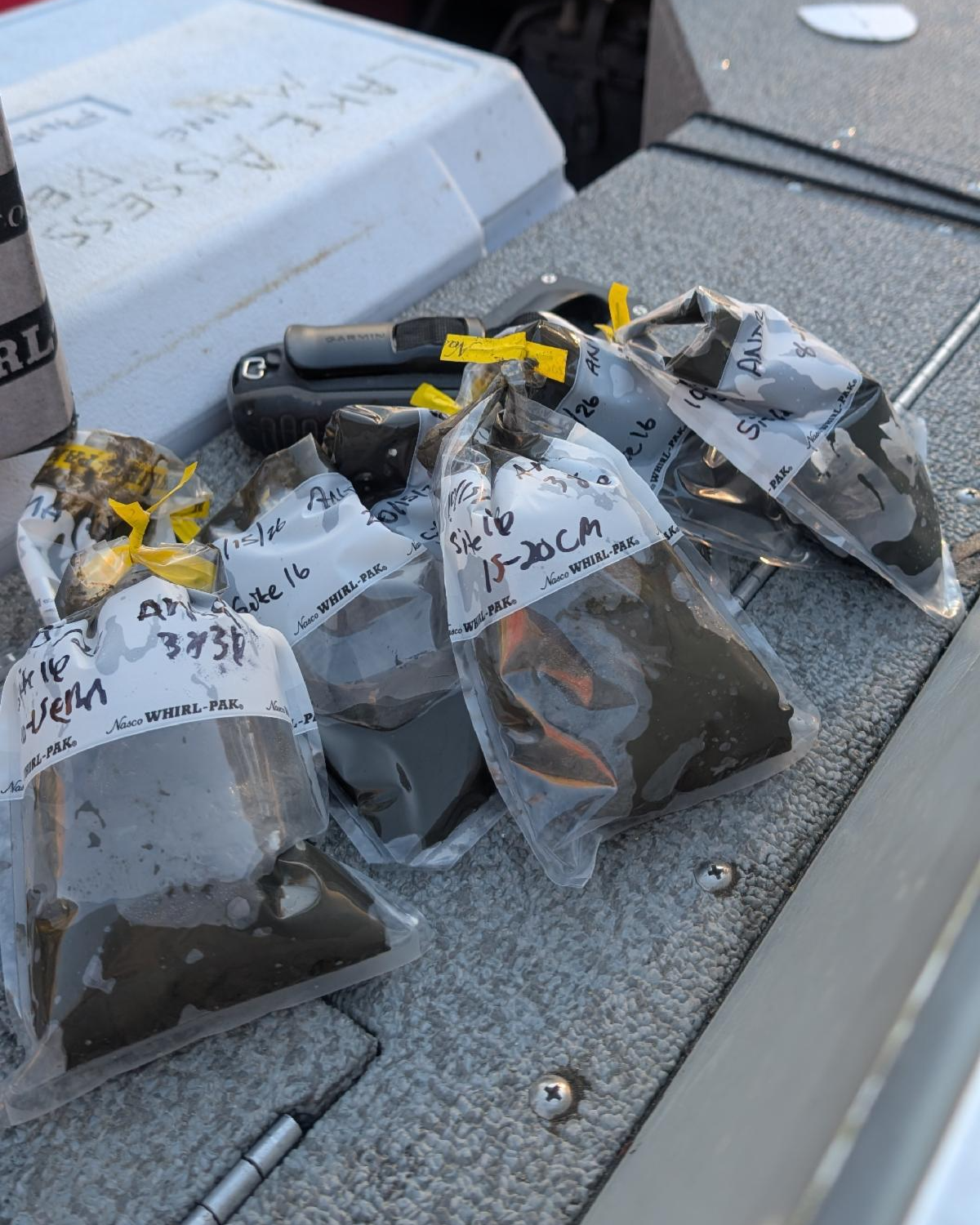
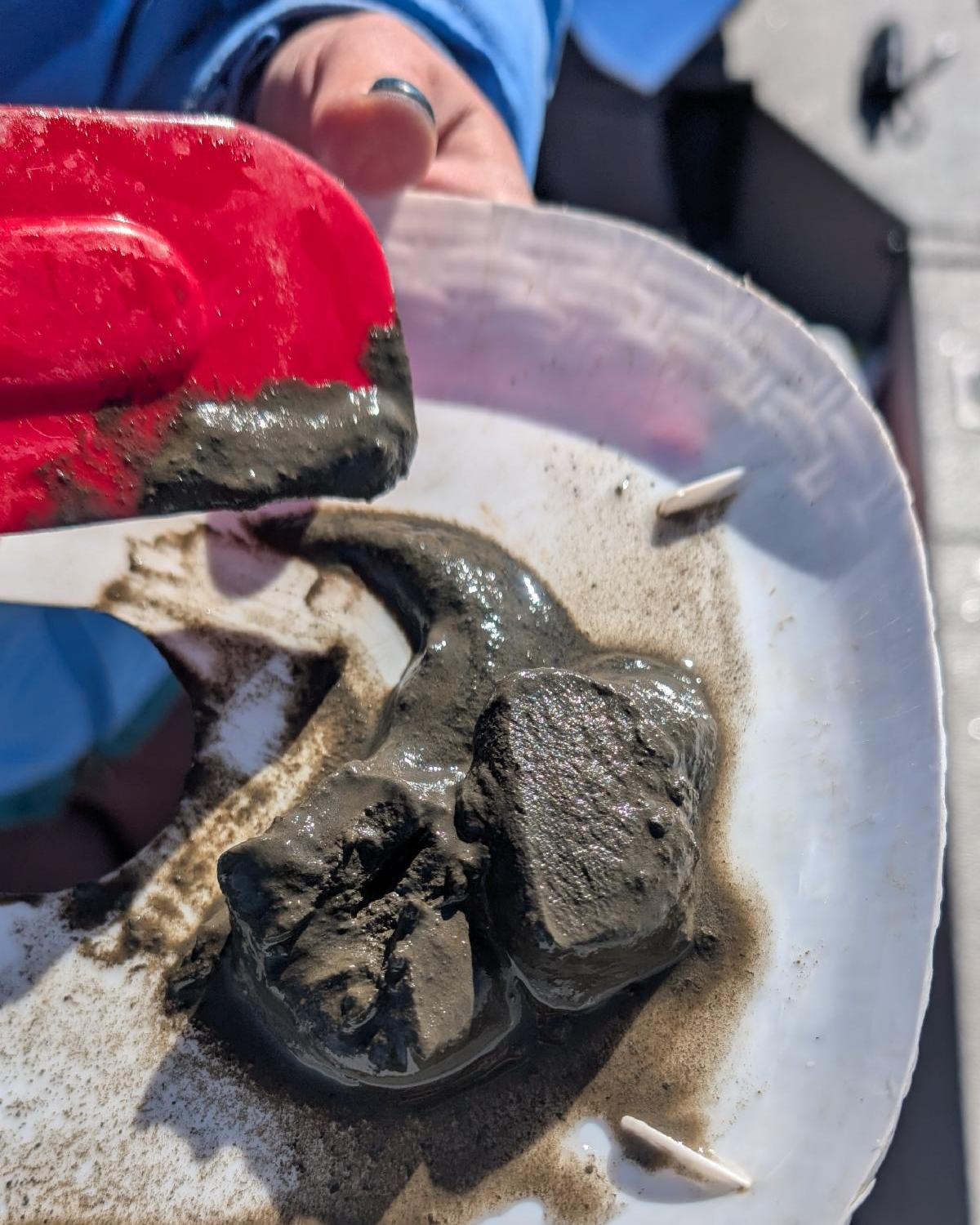
This month, sediment sampling was completed by Maine DEP with assistance from 30 Mile staff. This entailed collecting 5cm samples from 17 locations across varying lake depths and two 20cm samples from the deep hole station 1, where our bi-weekly monitoring takes place, and at a location near the Dead River’s connection to the lake. These samples will give us a better understanding of the lake’s sediment chemistry and its impact on internal phosphorus loading.
These sediment cores will be stored until they are analyzed later this winter. This is crucial data that—alongside the increased monitoring data collected this season—will help provide the needed information to complete our Watershed-based Management Plan.
Report Scum Sightings: If you notice scum accumulations along your shoreline, please notify Sara at sara@30mileriver.org with images that include the date, time, and location of the observation. We are looking to collect scum samples and utilize toxin test strips. Having more eyes on the water to notify us when these conditions occur is extremely helpful.
Please refer to this Maine DEP webpage for more information and follow their guidelines. Updates on conditions and monitoring can be found on the Androscoggin Bloom page.
| | Photos: (L) Collected sediment samples on Androscoggin Lake, (R) Sediment being removed from collection device. | | Tuesday, November 3rd - Get out and vote! | | |
As stewards of the lakes, ponds, and streams across our local communities, we know that engaged residents make a lasting impact. 30 Mile wants every eligible voter to have the opportunity to cast their ballot for the upcoming midterm election. Planning ahead can help ensure your participation in our democracy. Here is what you need to know to prepare and cast your ballot on Tuesday, November 3rd:
-
Vote Early In-Person: Want to skip the lines on Election Day? In-person absentee voting is available at your local town or city hall during standard municipal office hours.
-
Vote by Mail: You can request and track an absentee or accessible ballot online here.
-
Plan Your Election Day: If you intend to vote in-person on Election Day, verify your polling place location and double-check your registration status beforehand.
-
Same-Day Registration: Not registered yet? Maine offers same-day voter registration. Unregistered voters can register in-person at their town or city office prior to Election Day, or directly at their polling place on Election Day before polls close. Be sure to bring valid proof of identity and residency.
Additionally, ACLU Maine offers great resources to better understand your voting rights and connect you with information on registration and polling locations.
| | |
Question of the Month:
What is the 30 Mile River Watershed AIS Committee?
| | |
The recently formed 30 Mile River Watershed Aquatic Invasive Species (AIS) Committee held its first meeting last month! Established in response to feedback at our 2025 Lake Association Leadership Roundtable, the committee brings together representatives from 30 Mile’s staff and lakes across the watershed to regularly collaborate and share expertise in strengthening AIS prevention, early detection, and control.
Our watershed faces increasing threats from AIS, making collaboration more important than ever. The committee will help expand lake associations’ capacities to identify and respond to ongoing and emerging challenges. Committee members have already begun identifying priority areas and potential projects, which includes outreach and education, rapid response assistance, events, trainings, partnership development, and more!
If you have a question that you would like considered for our monthly newsletter, please send it to Miriam at miriam@30mileriver.org.
| | Thank you, Summer AIS Staff! | | |
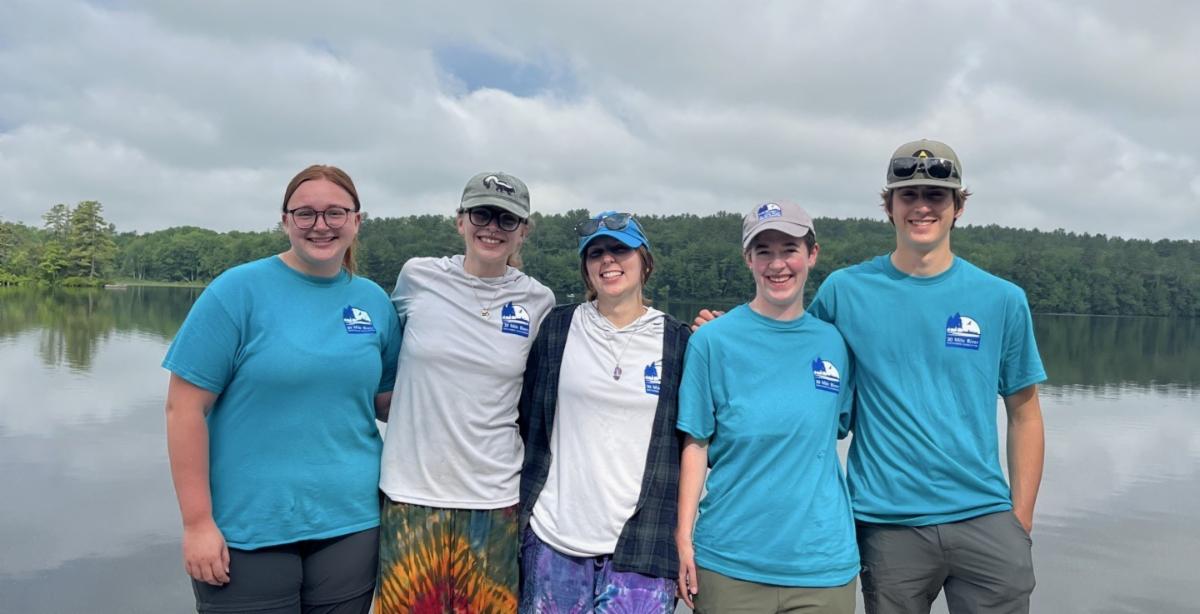
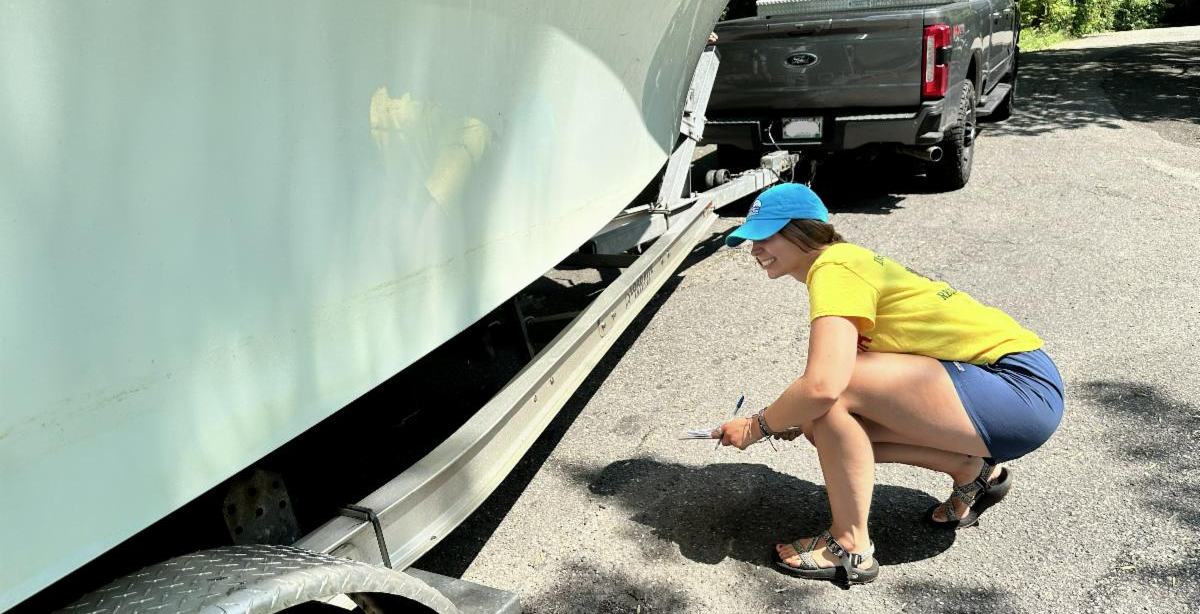
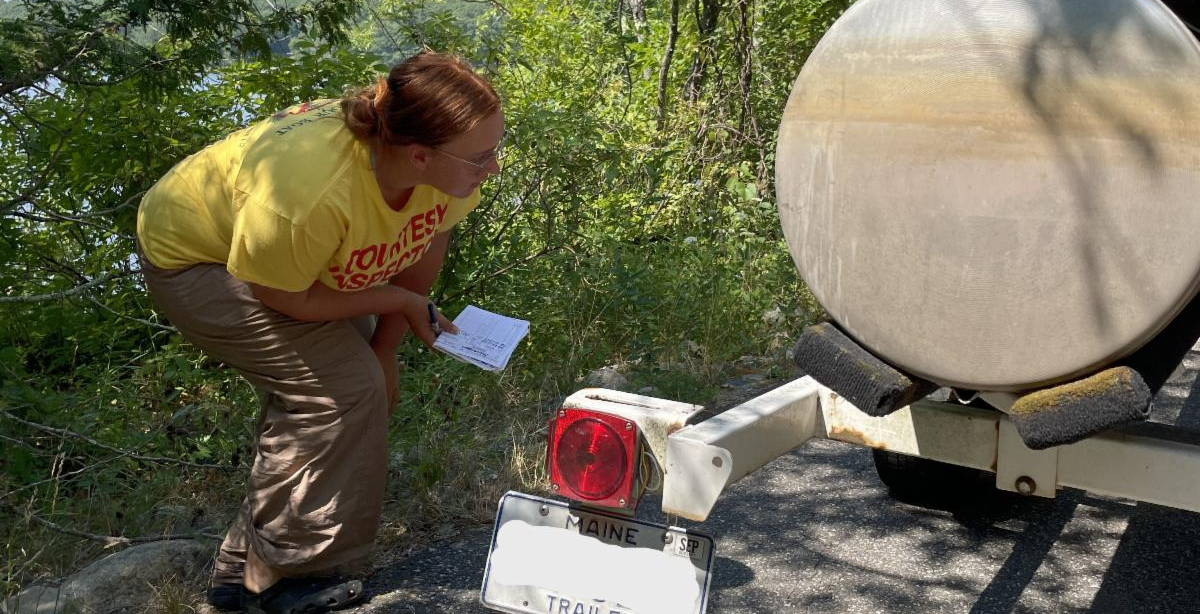
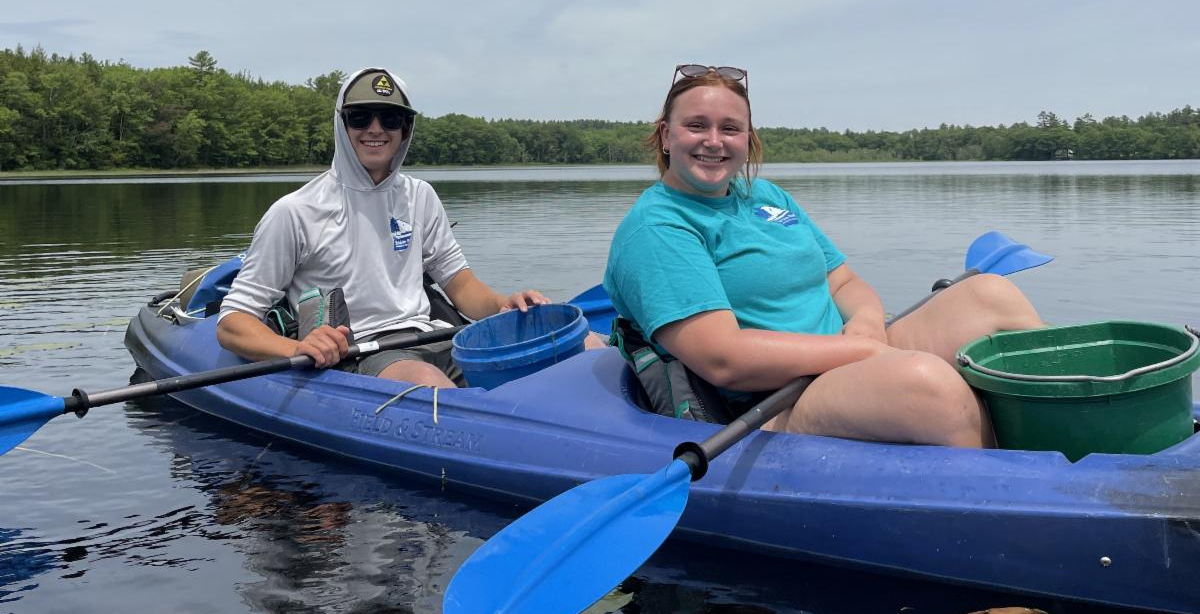
This summer, eight seasonal staff members joined our AIS Program to help carry out our mission. From preventing the spread of invasive species through courtesy boat inspections to surveying for and removing invasive plants, we’re grateful for all of the hard work they put into protecting our watershed.
Katie Cilley - AIS Program Assistant
Elias Barlettt - Courtesy Boat Inspector, Invasive Plant Surveyor
Phoebe Bell - Courtesy Boat Inspector
Denise Cilley - Courtesy Boat Inspector
Sabra Lorrimer - Courtesy Boat Inspector, Invasive Plant Surveyor
Kathleen Ramm - Courtesy Boat Inspector
Tamara Rusakovich - Courtesy Boat Inspector, Invasive Plant Surveyor
Ava Sucharzewski - Courtesy Boat Inspector, Invasive Plant Surveyor
| | Investigating Invasive Species on Tilton Pond with Kents Hill School | | |
On a chilly morning in early October, ninth grade honors biology students from Kents Hill School crowded around their canoes at the Tilton Pond boat launch to join our staff as they began their unit on invasive species. After diving into a discussion on canoe safety, watershed health, “Clean, Drain, Dry” protocol, and the threat of invasive swollen bladderwort, the students hauled their canoes down to the water's edge.
With lifejackets zipped and paddles, worksheets, and viewscopes in hand, they pushed off into the rippling waters of the pond. Guided by our Aquatic Invasive Species Program Director, Silas Mohlar, students learned how to identify invasive swollen bladderwort and distinguish it from native bladderwort species. As the students navigated around the pond, our staff helped them identify local wildlife and plant life, while discussing the long-term impacts invasive species can have on water quality and native ecosystems.
After visiting the fragment screens installed on Tilton Pond to see prevention methods in action, we battled a rising wind to return to shore. Students capped off the morning by putting their lessons into practice—thoroughly inspecting each canoe at the boat launch.
Hands-on learning like this is essential to protecting our lakes and preventing the spread of aquatic invasive species. A big thank you to Kents Hill School for a fantastic morning of exploration and stewardship!
| | |
Internship Highlight:
Mapping individual septic systems around Androscoggin Lake
| | |
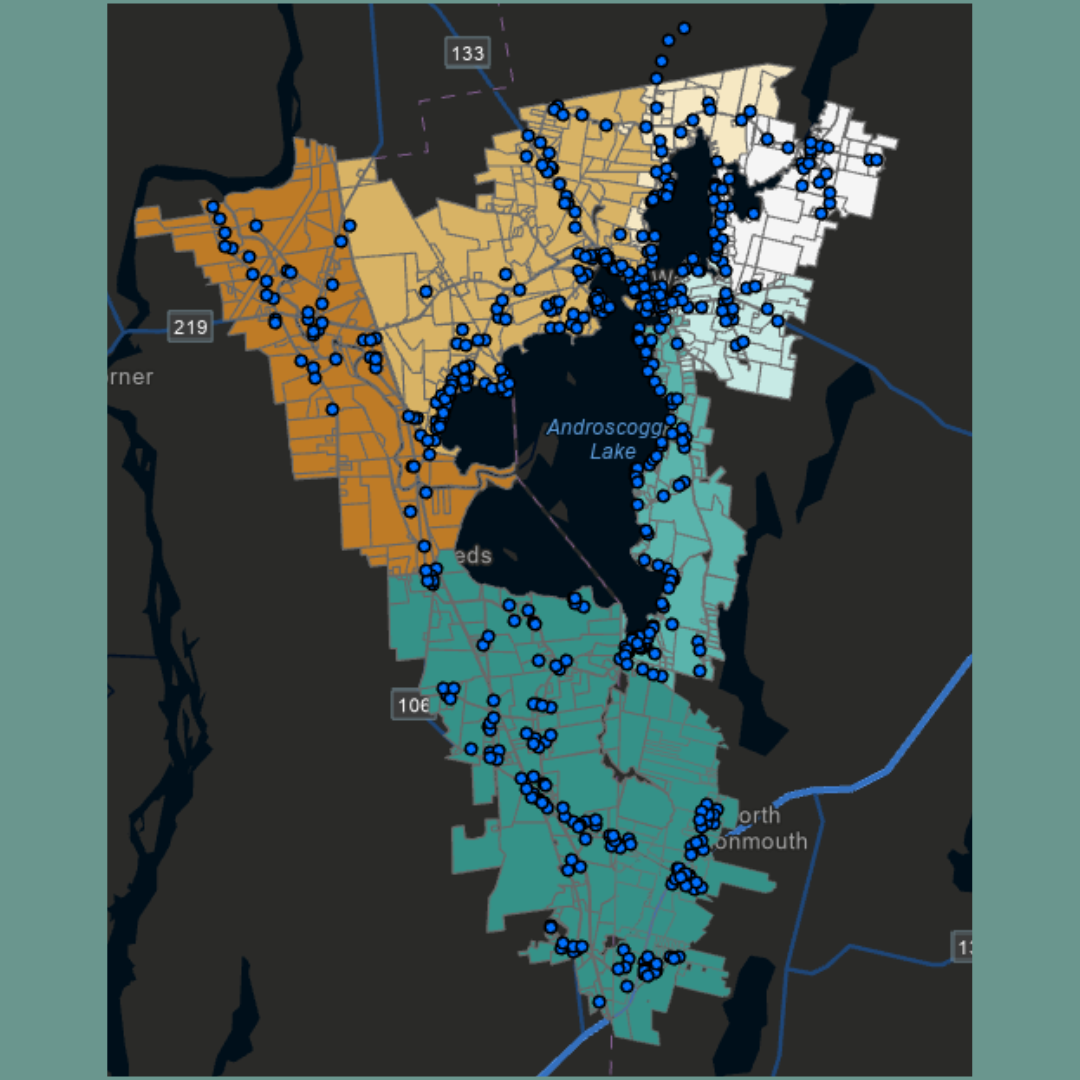
Chris Reed joined 30 Mile this summer as a GIS intern, in partnership with the Maine Geospatial Institute. The overarching goal of this internship was to analyze the distribution of septic systems across the Androscoggin Lake Watershed.
Chris successfully mapped the septic systems across the southern end of our watershed, pin-pointing each individual system. The original scope of the project focused solely on the Androscoggin Watershed, but as progress was made, we chose to include the Pocasset Lake and Pickerel Pond watersheds as well.
| | |
Each point mapped on ArcGIS Pro contains extensive information about the septic system, including: tax map/lot number, number of bedrooms in the residence, system design flow, system capacity, year installed, system type, disposal system components, and any additional notes for future work.
Looking ahead, the next steps for this project include running each point through an advanced plug-in to estimate potential nutrient loading into Androscoggin and the surrounding waterbodies via aging or poorly placed septic systems. This work builds upon our Septic System Vulnerability Study and we hope to have all of the data linked and available on our website in the coming months.
Chris will be volunteering his time with us throughout fall and winter to complete this project and assist in additional areas of interest. Thank you, Chris, for your work to protect our lakes, ponds, and streams!
| | |
319 Projects:
Check out this work to protect our lakes
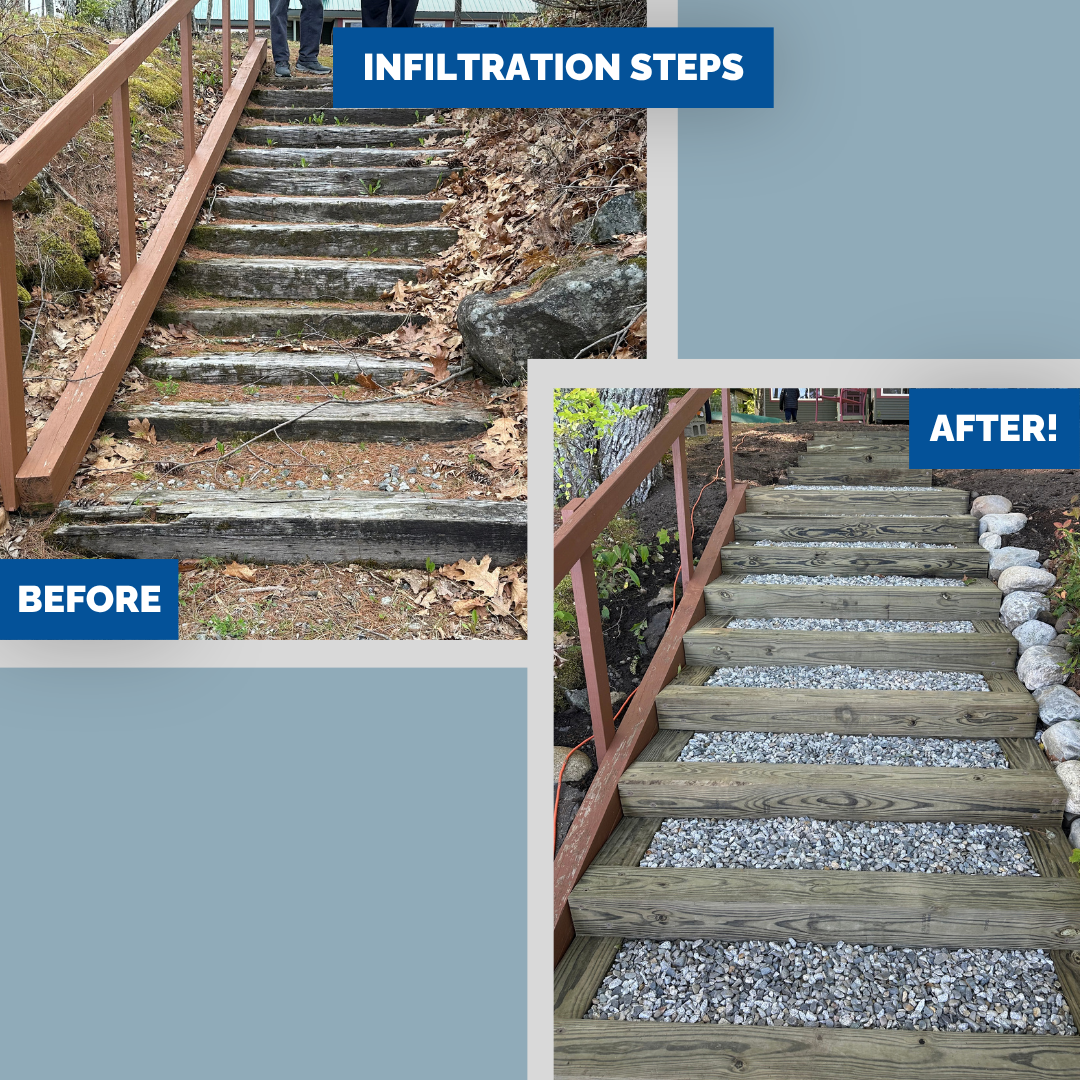
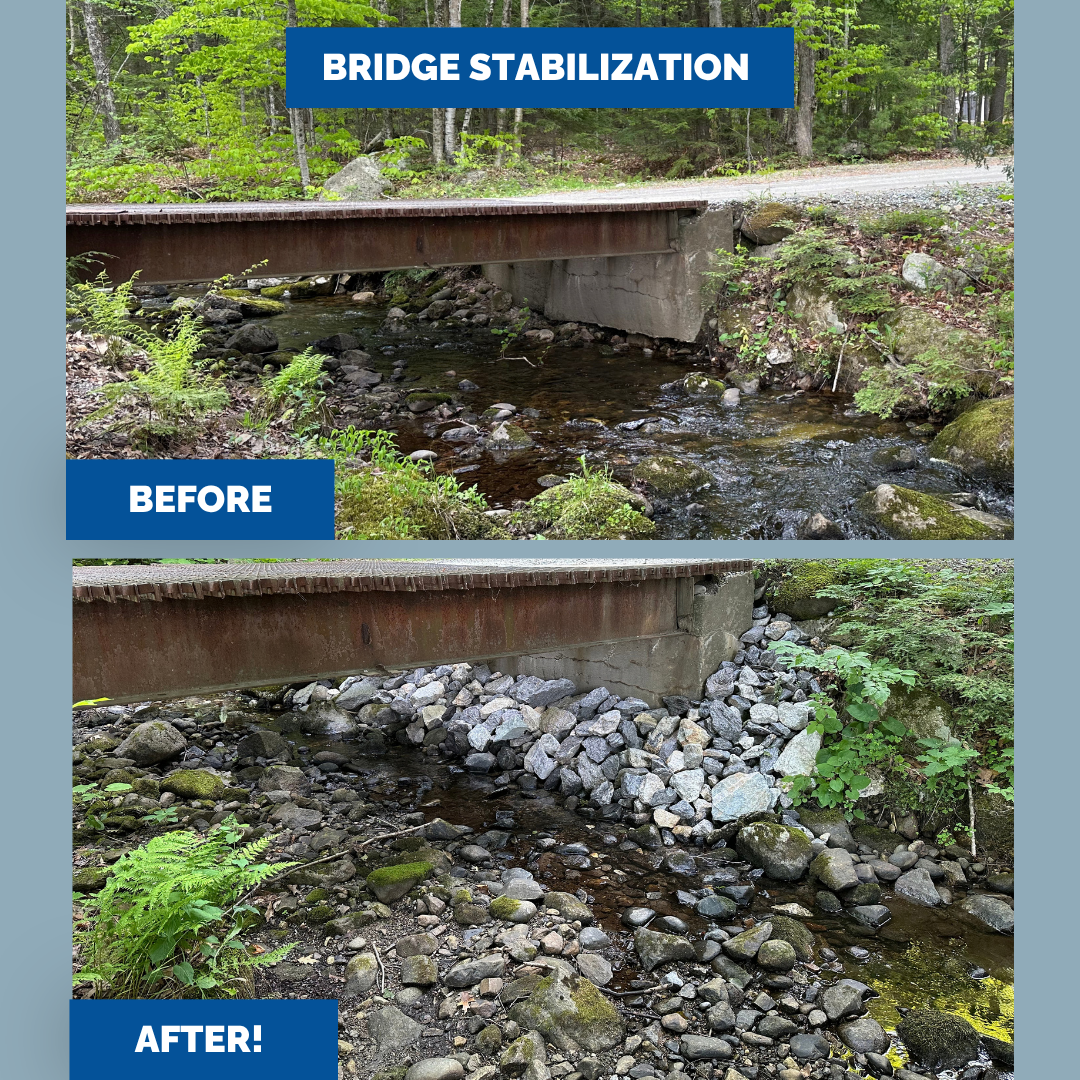
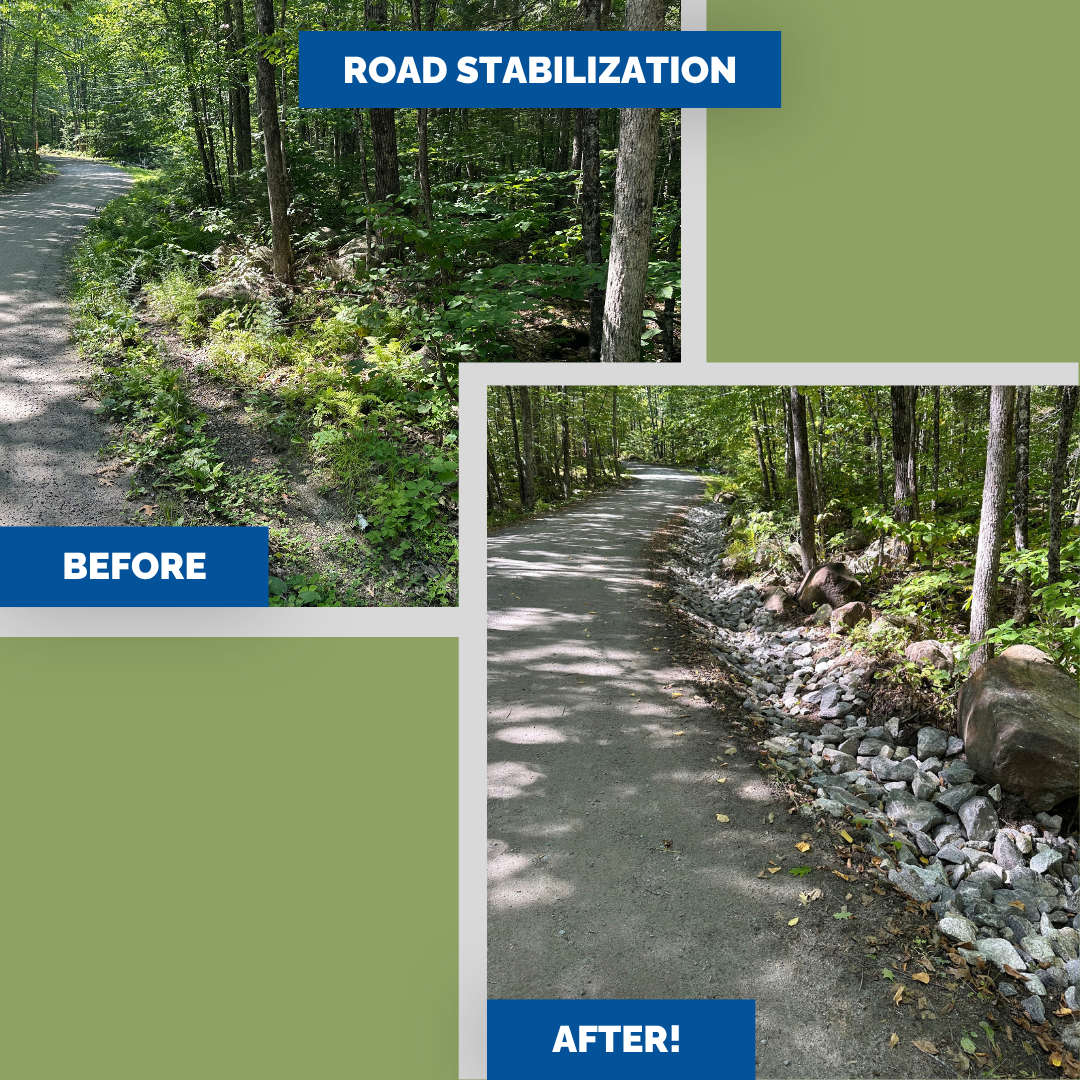
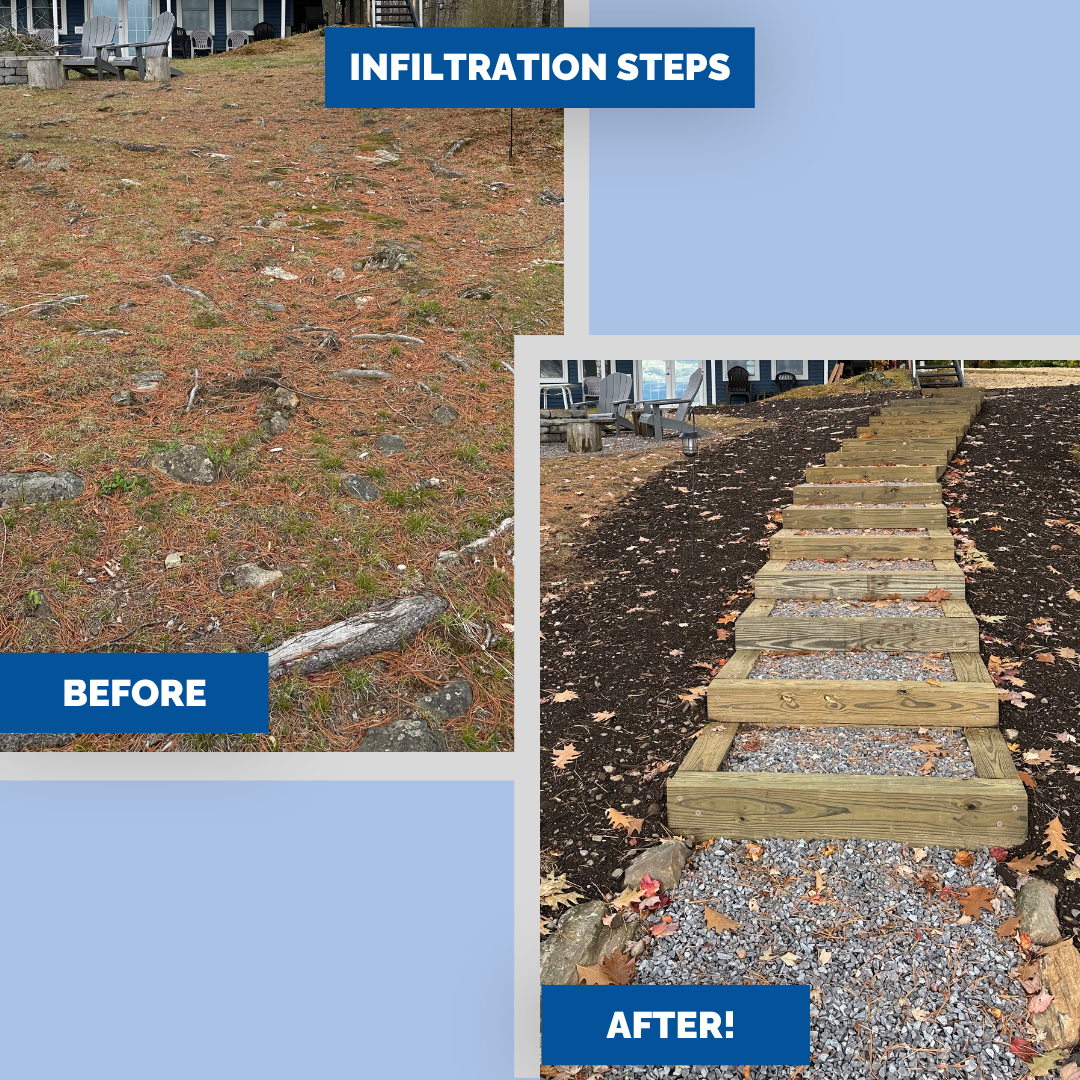
| | A busy season on land! With assistance from our active Clean Water Act grants*–contractors, landscapers, and landowners completed numerous soil stabilization projects around Androscoggin Lake and Parker Pond this season, reducing erosion and protecting our lakes. Below are a few project examples. | | *Funding for this project, in part, was provided by the U.S. Environmental Protection Agency under Section 319 of the Clean Water Act. The funding is administered by the Maine Department of Environmental Protection in partnership with EPA. EPA does not endorse any commercial products or services mentioned. | |
In Search of a Truck for 30 Mile | | |
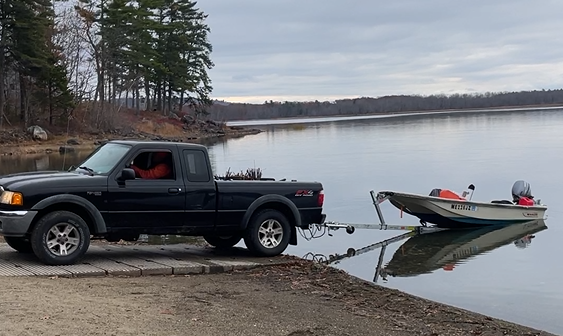
Generously donated in 2017, and used daily to conduct our field work, the 30 Mile work truck is reaching the end of its life. The truck has been an essential element of our day-to-day watershed work – from moving kayaks between invasive plant surveys, to traveling to water quality monitoring sites and property visits. In 2025 alone, we put over 2,000 miles on our truck!
As we’re continuing to scale up our efforts with a growing team and greater capacity, a new used work truck will allow us to better achieve our mission. If you have a truck that you might be interested in donating or giving a new life, please reach out to Miriam (miriam@30mileriver.org | 207-430-1518).
| | Support 30 Mile! Your gift today will make a difference in protecting our lakes from phosphorus pollution, invasive species, and other threats. Find the giving level that works for you. | | Follow us on Facebook and Instagram! | | | | |