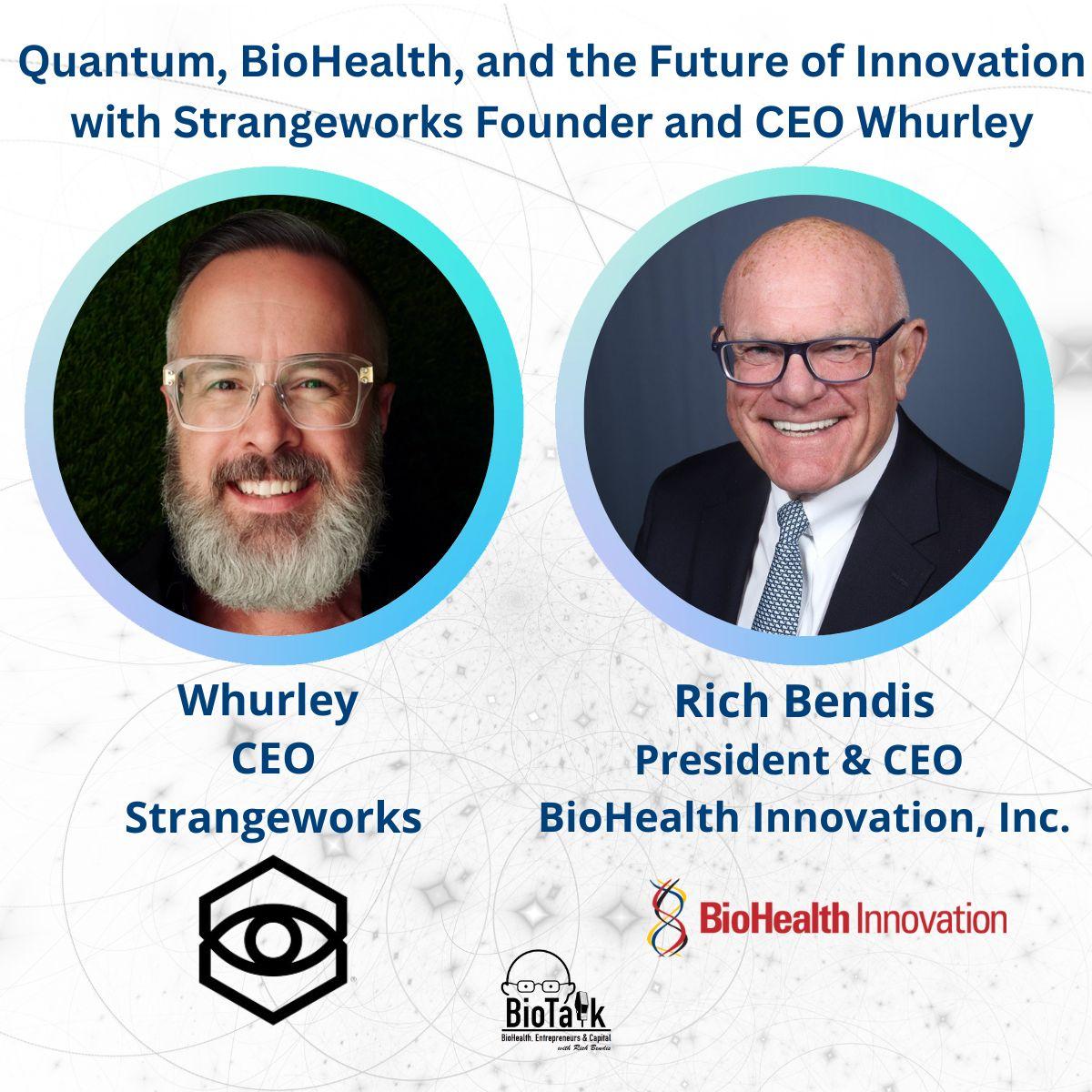
| | Quantum, Biohealth, and the Future of Innovation with Strangeworks Founder and CEO Whurley | William Hurley, known widely as Whurley, joins BioTalk for a deep look at how quantum computing is moving from theory into practical use across the biohealth landscape. He opens the conversation with an introduction to Strangeworks and explains why the company is focused on making quantum more accessible for real-world problem solving. The discussion explores how quantum could support breakthroughs in genomics and personalized medicine, improve the way clinical trials are modeled, and strengthen manufacturing and supply chain operations. | | ARPA-H Launches the BioStabilization Systems (BoSS) Program to Transform Cell Therapy Distribution | The Advanced Research Projects Agency for Health (ARPA-H) has announced a landmark Innovative Solutions Opening (ISO) for the BioStabilization Systems (BoSS) program, an ambitious effort to revolutionize how live cell-based therapies are stabilized, manufactured, and distributed. As outlined in the solicitation, BoSS aims to eliminate the field’s dependence on ultra-cold storage and transport, which currently constrains the accessibility, affordability, and scalability of advanced biologics such as cell and gene... | |  | GEN Editors Reflect on Six of the Biggest Stories of the Year | For the scientific enterprise, 2025 was marked by setbacks and challenges. But scientists are no strangers to adversity—the ability to overcome obstacles is built into our training. In turn, research labs across the country found ways to keep discovery moving forward. As a result, 2025 delivered some of the most influential science stories of the decade. In this special section, GEN editors look back at 2025 to highlight six of the biggest stories of the year—moments that not only reshaped fields but also demonstrated the resilience and determination driving scientific research. | | | Federal RFI Opens on Strengthening the U.S. Innovation System | |
The White House Office of Science and Technology Policy has opened a Request for Information on how to strengthen the nation’s scientific and technological enterprise. This comment period is an important moment for the tech transfer and commercialization community.
The RFI includes proposals that would dramatically reduce the resources universities and research organizations rely on to move discoveries into the market, including taking a significant share of patent royalties or applying march-in rights in ways that disrupt product development. These ideas would weaken startup formation and slow the progress that drives new therapies, tools, and technologies.
BHI encourages stakeholders across the BioHealth Capital Region and beyond to respond. Input grounded in real outcomes, data, and examples is essential for helping policymakers understand how the current system supports research translation, collaboration, and economic growth.
| | | Sessions and Maryland’s McClain Delaney Introduce Bill to Strengthen U.S. Biotechnology Leadership | |
WASHINGTON, D.C. – Congressman Pete Sessions (TX-17) has introduced the bipartisan Independence Investment Fund Act, legislation establishing a dedicated investment fund within the Department of the Treasury to support U.S. based companies developing critical and emerging technologies, including biotechnology. He is joined in this effort by Congresswoman Chrissy Houlahan as Co-lead, with Congressman Ro Khanna, Congresswoman April McClain Delaney, and Congresswoman Stephanie Bice serving as original cosponsors.
The bill creates a federal investment mechanism designed to bridge the funding “valley of death,” where promising early-stage technologies often fail to reach commercialization due to limited access to capital. By providing strategic seed to mid-stage equity...
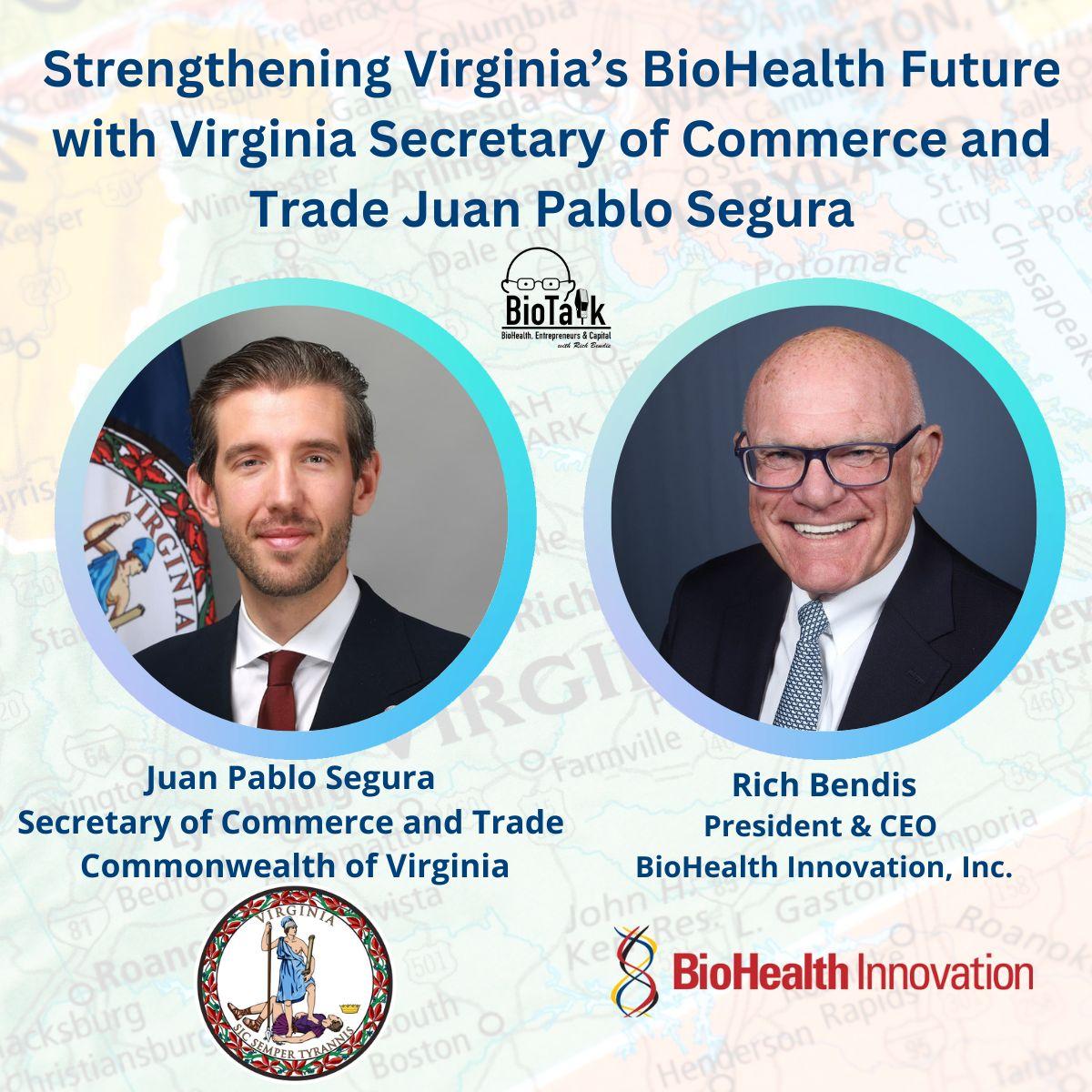
| | | Strengthening Virginia’s BioHealth Future with Secretary of Commerce and Trade Juan Pablo Segura on BioTalk | Secretary Juan Pablo Segura joins BioTalk for a conversation about Virginia’s growing position in the biohealth economy and the statewide strategy behind it. He outlines the significance of the new partnership with AstraZeneca, Lilly, and Merck, including up to $120 million in private investment to create a workforce development center and expand the Commonwealth’s life sciences capacity. Segura talks through how Virginia approaches company recruitment, what investors are responding to, and why the state is seeing increased interest from biomanufacturing and advanced R&D companies. He also discusses Virginia’s use of public-private partnerships to accelerate industry growth, strengthen the talent pipeline, and support emerging hubs across the Commonwealth. The conversation closes with a look at Virginia’s role in the BioHealth Capital Region and how the regional identity helps amplify the state’s message as it continues building a competitive biohealth ecosystem. | | | Secure Your 2026 BHCR Week Sponsorship | |
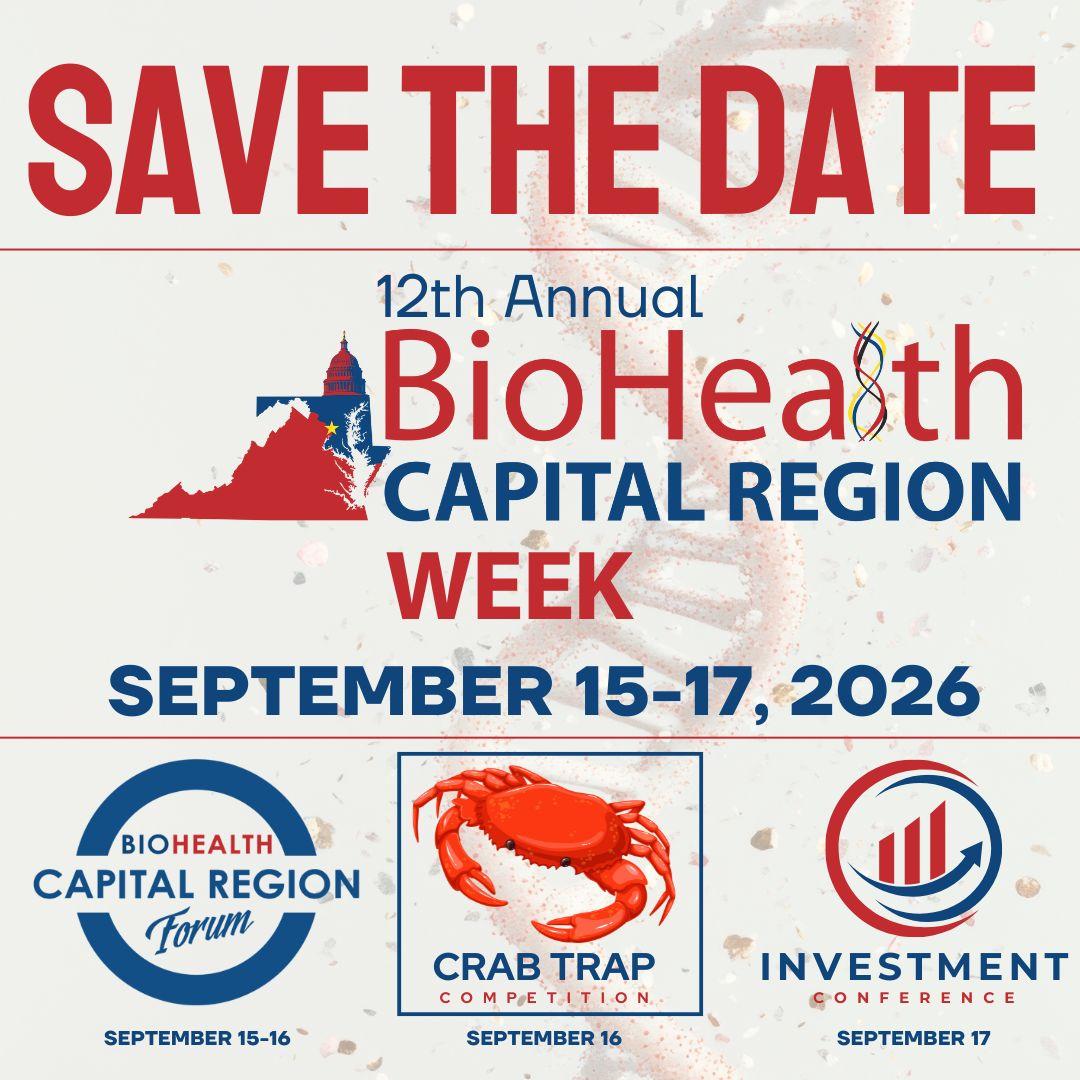
If your organization follows a calendar-year budget and has funds that need to be committed before the end of 2025, you can lock in your sponsorship for the 2026 BioHealth Capital Region Week now. Early confirmations help us plan next year’s program and allow you to reserve your place in advance.
We are already reviewing improvements for 2026, including moving table sponsors to a higher-traffic area and shifting the registration desk closer to the front entrance. Suggestions for speakers, panels, and themes are welcome.
To confirm your support or share ideas, email Rich Bendis at rbendis@biohealthinnovation.org and Andy Eckert at aeckert@biohealthinnovation.org
. We appreciate your partnership and look forward to building another strong BHCR Week together.
| | | Nanocrine Unveils First Real Time Tumor Monitoring Platform for Precision Oncology | |
Washington, D.C.—In a breakthrough that could reshape the future of cancer care, Nanocrine—a Maryland-based biotech startup—has unveiled its RT-Chip™ technology, a next-generation biosensor platform that enables real time observation of tumor activity at the cellular level.
“We have overcome a major obstacle in cancer treatment: the inability to monitor how tumor cells interact and respond to therapies in real time,” said Nanocrine President/Chief Science Officer Patrick Calhoun, Ph.D. “Compatible with standard lab microscopes, the RT-chip's ability to capture a tumor’s biologic signature means that therapies can be tailored with unprecedented precision.”
Nancorine’s biochip—initially developed by...
| | | New Paths for Neurotech Innovators | |
Applications are now open for the second annual Early Entrepreneurs Program. This three-month experience is designed for faculty, medical professionals, researchers, and emerging founders with early neurotechnology concepts. The program offers customized mentorship, hands-on training, and a collaborative environment built to help participants navigate commercialization and sharpen their ideas. Last year’s cohort represented a wide range of technologies and development stages, demonstrating the value of diverse perspectives at the earliest stages of innovation.
Training begins in early 2026 with a two-day in-person kickoff followed by weekly virtual workshops and guided work with domain experts. Participation is free for those accepted, and applications will be reviewed on a rolling basis through December 12. Interested applicants can learn more and submit materials through the link to the full announcement.
| | | Funding Alert: MSCRF Opens New Cycle | |
The Maryland Stem Cell Research Fund has launched its latest round of funding and released new RFAs for seven programs designed to advance stem cell research from early discovery through commercialization. The updates introduce revised submission fields and other adjustments that applicants should review before preparing materials. This cycle supports a wide range of scientific and translational work and remains one of the region’s key engines for advancing regenerative medicine.
Applications are due January 12, 2026.
Careful attention to the revised RFAs will help avoid delays in the submission process.
| | | | | |