View this email in your browser

Gaples Institute logo
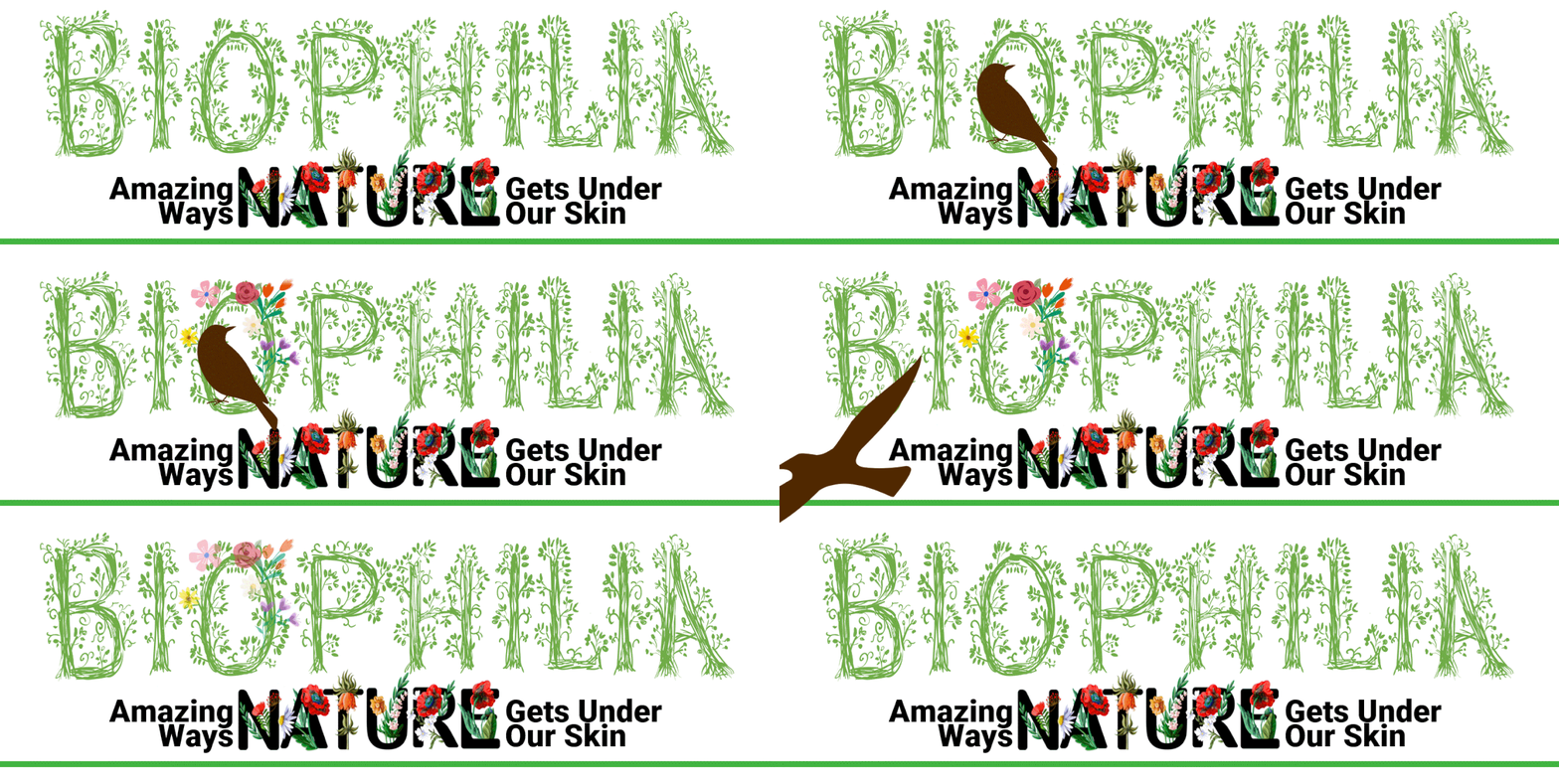
Vine-covered lines come together to make up the word "biophilia." A brown animated bird flies into view and lands on the letters, then flies off. A subheading reads "Amazing Ways Nature Gets Under Our Skin."

Five Surprising Examples of

Nature as Powerful Medicine

Biophilia is the concept that humans have an innate affinity for nature and the living world. 


That attraction may be more than a simple preference. It may be a built-in biological drive, guiding us toward environments and experiences that support health and wellbeing.


Let’s explore five remarkable ways nature quietly shapes our biology:  

Green leaf with a cutout shaped like the number 1.

Greenspaces Enrich Our Microbiome


Exposure to greenspaces—including gardens, parks, and forests—has been linked to greater diversity and healthier composition of the trillions of microbes that inhabit our gut. A more diverse gut microbiome is associated with lower levels of inflammation and numerous other health benefits. 


It makes intuitive sense: when we’re immersed in nature, nature becomes immersed in us!

A bushy tree with a cutout in its branches shaped like the number 2.

Forests Help Activate Our Immune Defenses


Trees may provide a natural form of aromatherapy by releasing a group of compounds called terpenes, some of which appear to enhance immune response. Several small studies show that after time spent in nature, there is an increase in bloodborne NK, or “natural killer” cells—immune defenders that seek out and destroy infected and abnormal cells. 


Forest air may do more than smell pleasant, it may enhance immune function in ways scientists are still working to understand. 

Brown and green feather with a cutout shaped like the number 3.

Birdsong Calms the Mind


Birdsong offers a unique way to experience nature: through sound alone. Studies suggest that even brief exposure can reduce anxiety and stress. In one study, just six minutes of listening to birdsong led to a measurable drop in anxiety levels.


One explanation is that birdsong may act as a subtle safety signal—a cue that the surrounding environment is alive and thriving. 


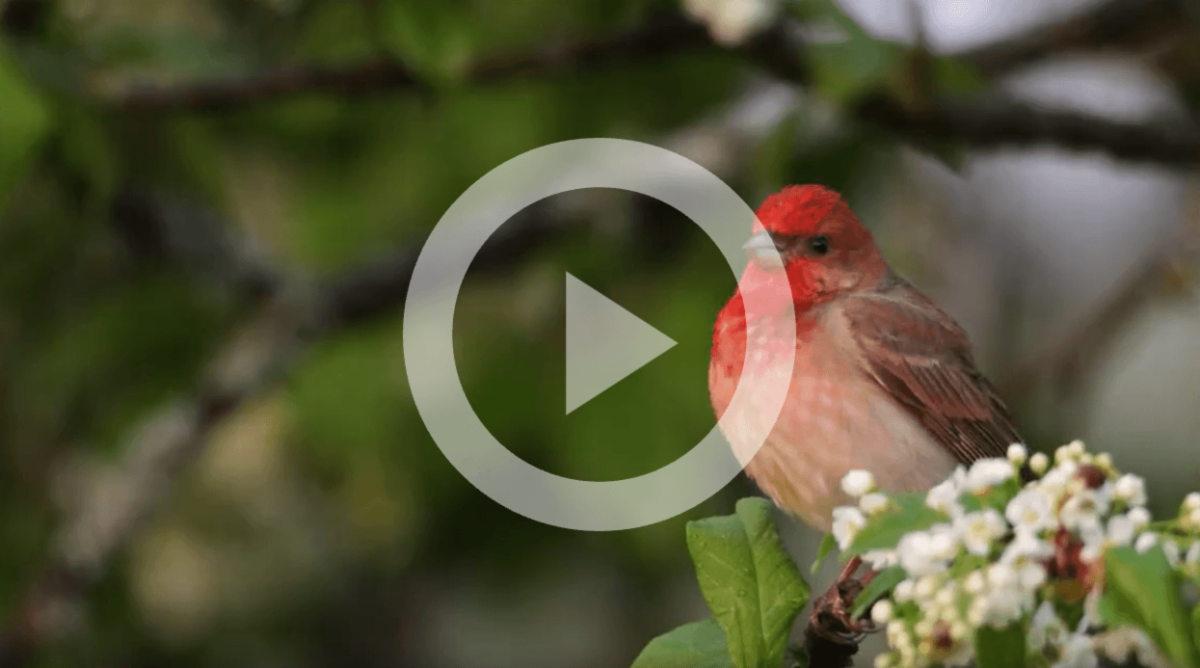
We invite you to partake of these benefits right here and now—click below to experience the allure of birdsong. 

Click here for a 19-second birdsong soundscape.
Magnifying glass showing a blue sky and clouds, with a cutout shaped like the number 4.

The Eye Needs the Sky: Time Spent Outdoors Helps Protect Vision


You might be surprised to learn that spending time outdoors appears to help protect against nearsightedness (myopia), especially in children.


The exact mechanism isn't fully understood, but one leading theory points to bright outdoor light. Sunlight triggers the retina to release dopamine, a signal that helps slow the elongation of the eyeball, the structural change that leads to nearsightedness. 


There's also a simple behavioral shift: when we're outside, we tend to look up and into the distance. This gives our eyes a break from the types of near-focus work (such as screens, reading, and close-up tasks) that are strongly linked to myopia.

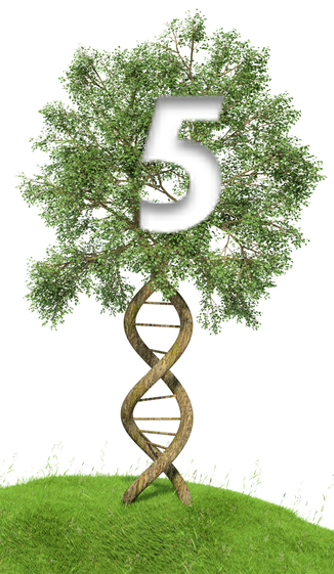
Tree with a trunk twisted to resemble a DNA helix, with a cutout shaped like the number 5 in its leafy branches.

Green Space Gets Into Your DNA and Supports Healthier Aging


Living near more green space has been linked to slower epigenetic aging, reflected in chemical “tags” on DNA that influence gene activity without changing the genetic code.


The closest greenery seemed to matter most, with associations often strongest within about 300 feet—roughly one block—of home. This suggests that the trees on your block, the view from your windows, and the everyday green spaces around your home may shape your biology in beneficial ways. 

Closing Note:


Enough reading… time to get outside! Do yourself a favor and step into nature. You’ll likely feel refreshed. And who knows, your microbiome, your eyesight, your immune system, and even your biological clock may thank you!

A NEW MILESTONE IN NUTRITION EDUCATION:

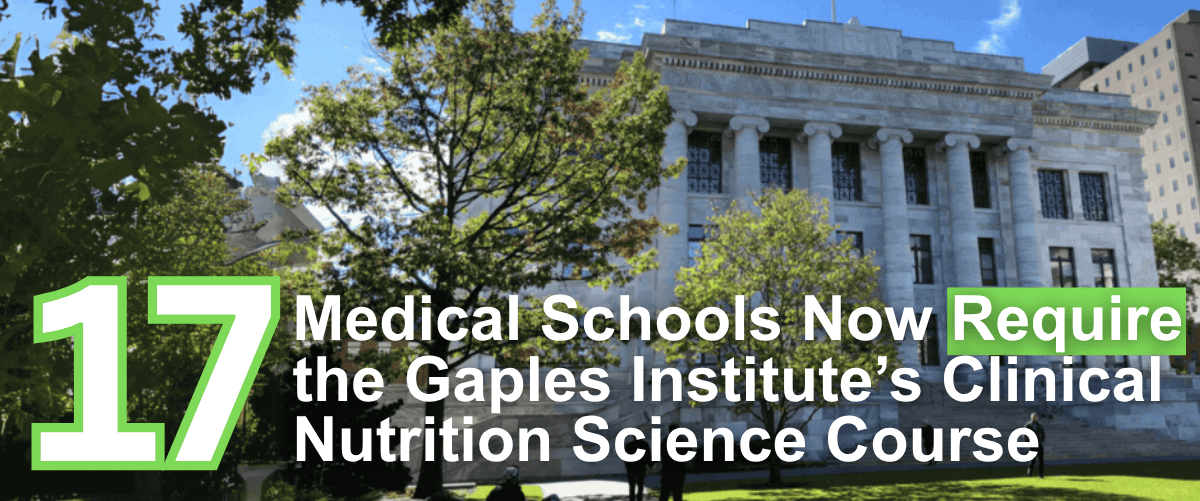
The heading "17 Medical Schools Now Require the Gaples Institute's Clinical Nutrition Science Course" overlaid on an image of Harvard Medical School

5 Schools Added in the Last 5 Months!

We're proud to share that five additional medical schools have recently made the Gaples Institute's nutrition course for health professionals a mandatory part of their clinician training. This brings our total to 17 schools where the course is now required!


See the full list of 17 medical schools here.


The impact is captured in a comment we received from a medical student just this month:


As a medical student, this activity has reshaped how I plan to approach lifestyle counseling in my future practice… Rather than simply instructing patients on what to eliminate, suggesting practical, high-quality food replacements creates an actionable plan that improves long-term adherence.


Now imagine that impact multiplied across students at 
17 medical schools — with even more schools expected to come onboard in the months ahead!


Follow us on social media for news and tips on healthy nutrition and lifestyle!

Facebook  LinkedIn
The Gaples Institute logo, alongside the words: "A physician-led educational nonprofit devoted to advancing the role of nutrition and lifestyle in healthcare."

Home | Donate | Contact Us