|
Please share this edition of Wildlife Highlights with other outdoor enthusiasts
and help our subscription list grow!
| |
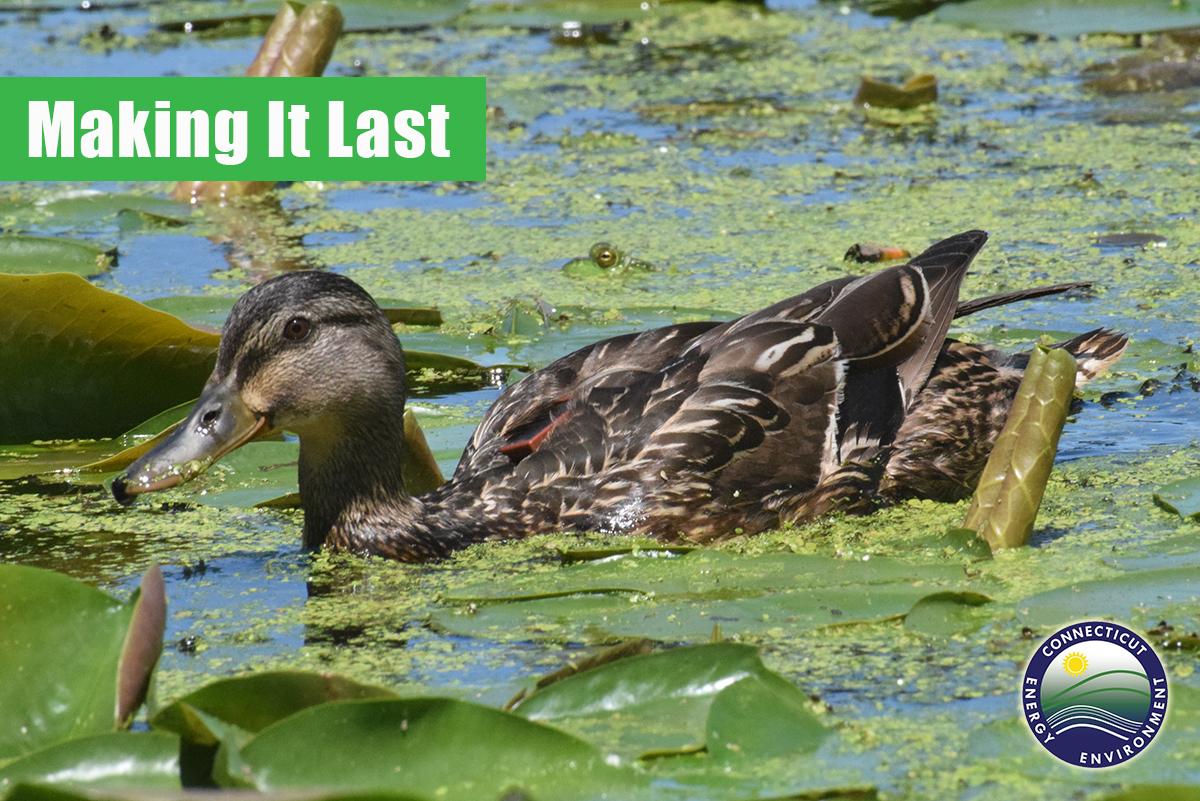
Earlier this year, DEEP Wildlife Division biologists began assessing nest habitat selection, nesting success, and brood movement of mallard ducks. This will help evaluate the impacts of three decades of change to Connecticut’s landscape—notably increased development and loss of wetland habitat. This hen is one of several that have been fitted with a very small, lightweight radio transmitter that helps biologists monitor their movements and collect data needed to understand long-term population trends. This study will help ensure that the mallards we enjoy seeing statewide are here for future generations to enjoy. | |
Stable Funding for All Wildlife | |
|
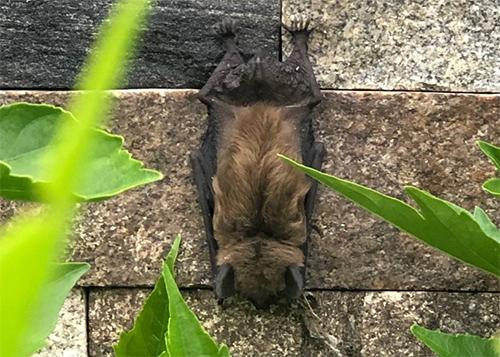
Although this big brown bat is easily visible during daylight hours, it is no cause for concern. He is behaving normally and enjoying a bit of a nap after a long night of eating insects. During the summer, male bats often roost alone or in very small groups with other males. Female bats seek out larger, hotter, and more protected roosting locations to give birth and raise their young.
Many of Connecticut’s bats have experienced dramatic population declines over the past decade due to white-nose syndrome. Stable funding is critical to helping our bat populations and Recovering America’s Wildlife Act (S. 2377; H.R. 2773) is an important part of those efforts. This bipartisan legislation will dedicate $1.3 billion annually to state fish and wildlife agencies to implement their science-based wildlife action plans and an additional $97.5 million for tribal fish and wildlife managers to conserve fish and wildlife on tribal lands and waters. These funds will help us proactively respond to emerging wildlife diseases, work toward finding solutions, and create jobs enhancing key habitats. Photo courtesy of Heather Florkowski. #RecoverWildlife
More on Connecticut's bats . . .
More on Recovering America's Wildlife Act . . .
| |
|
Work continues to identify the cause of the emerging illness affecting songbirds across the eastern United States. Although some known bird diseases have been ruled out, the cause remains unknown. While cases seem to be dropping in some states, we have not observed a similar trend in Connecticut. Three birds exhibiting symptoms consistent with the regional illness have been submitted to the Connecticut Veterinary Medical Diagnostic Laboratory at UConn for testing. All three tested negative for avian Influenza, and other analyses are still pending. Preliminary results suggest that these cases match what has been reported in the mid-Atlantic and Midwest regions.
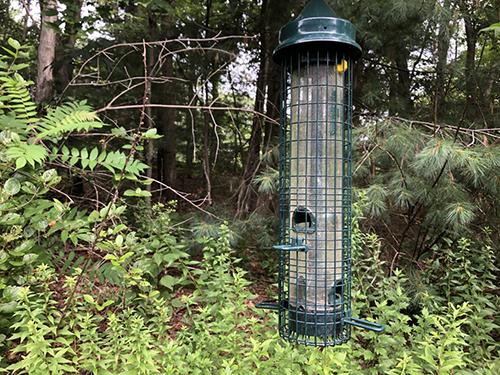
At this time, we do not have data to support a change in our recommendation on bird feeding. Please continue to refrain from feeding birds, including hummingbirds, and temporarily remove bird baths. Songbirds and hummingbirds have an abundant supply of natural sources of insects, seeds, fruit, and nectar at this time of year. DEEP biologists continue to work with other state agencies, universities, and laboratories to coordinate efforts and share information. We are also working with licensed wildlife rehabilitators to identify cases and collect samples. Thank you for helping to keep our songbirds safe.
More on wildlife diseases . . .
| |
Bobcat Research Project Seeks Public Participation | |
|
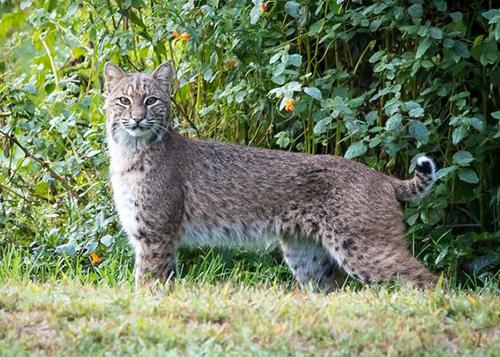
Would you like to assist in bobcat research? In 2017, the DEEP Wildlife Division, in collaboration with UConn, initiated a bobcat study to investigate bobcat habitat use in different housing densities in Connecticut. Biologists are preparing for the third and final live-trapping season beginning November of 2021. Willing landowners in the following 8 towns are being asked to allow permission for live traps to be set on their properties: Canton, Simsbury, Farmington, Avon, Bloomfield, Windsor, West Hartford, and Hartford. These are the ONLY towns in which DEEP is seeking assistance. Adult bobcats that are caught will be temporarily fitted with a GPS collar to allow biologists to track and better understand their movement patterns. Photo courtesy of Darrell Bumbala.
Have you seen a bobcat? Report your sightings HERE.
More on bobcat research efforts . . .
| |
Monitoring Purple Martin Colonies | |
|
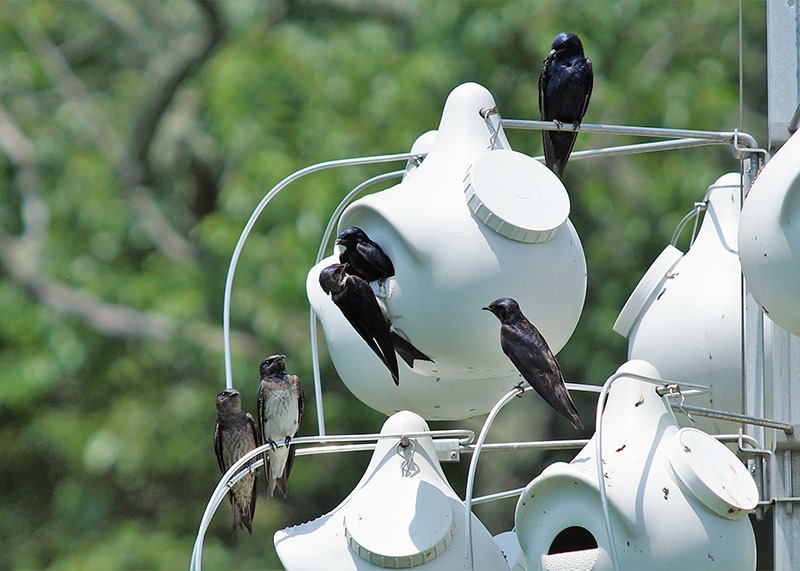
To learn more about the survival rates of purple martins, a Connecticut species of special concern, Wildlife Division biologists and partners have been visiting purple martin colonies to count nestlings and place identifying leg bands on young martins before they fledge from their nesting gourds. By re-sighting or recovering deceased banded birds, biologists can learn not only how old the birds are, but where these young birds travel after leaving the colony this summer. It is possible that in subsequent years, some of these nestlings will return to the region as adults and be re-sighted by bird watchers. Bird banding participants are properly trained and work under the required permitting.
More on purple martins . . .
| |
Rare Black-and-Gold Bumble Bee Sightings | |
|
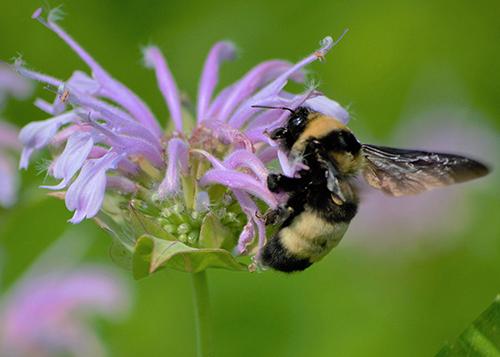
Before this year, the black-and-gold bumble bee had not been recorded in Connecticut for over 100 years! This year, thanks to community science efforts, three individuals were observed in three different parts of the state, including Belding Wildlife Management Area! The black-and-gold bumble bee is native to the eastern half of the United States. It is mostly found in prairies and grasslands but is now uncommon due to the re-growth of forests and loss of grassland habitat.
In Connecticut, there are about 15 species of bumble bees, including the federally-endangered rusty-patched bumble bee and the state-threatened yellow-banded bumble bee.
More on the black-and-gold bumble bee . . .
| |
Migratory Bird Hunting Guide Now Available | |
|
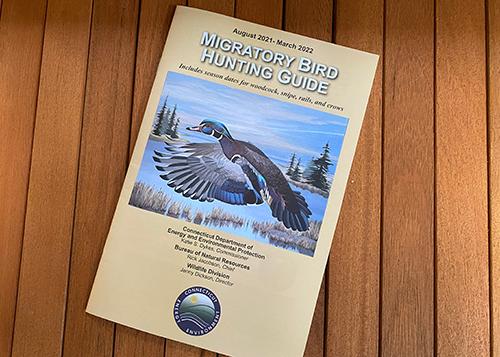
The 2021-2022 Migratory Bird Hunting Guide is now available online in an easy-to-use, mobile-friendly, e-book version. Printed copies can be obtained at town halls and select DEEP offices (Sessions Woods, Franklin WMA, Eastern District). The Migratory Bird Hunting Guide contains season dates and other important information pertaining to upcoming hunting seasons for waterfowl (including Canada geese), woodcock, snipe, rails, and crows.
View the 2021-2022 guide here . . .
| |
Connecticut's Interstate Fire Crew | |
|
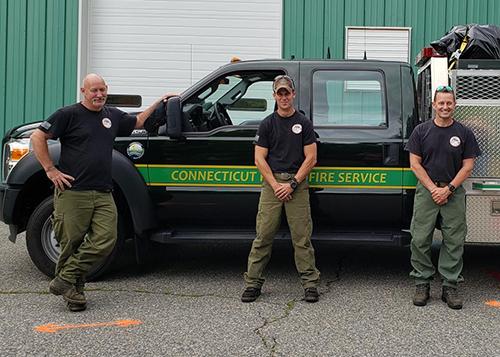
The DEEP Forestry Division has managed the Connecticut Interstate Fire Crew (CIFC) since the 1970s. Today’s fire crew is made up of both public and private sector personnel, trained to assist in fighting wildland fires nationwide as needed. The CIFC normally has about 60-80 trained personnel annually.
So far this year, Connecticut has mobilized a total of 33 people to fight wildfires in Arizona, Idaho, Minnesota, Montana, and Oregon. Connecticut maintains this firefighting capability to participate in a reciprocal aid program operated by the U.S. Forest Service. Under this program, trained personnel from other parts of the nation are available to assist Connecticut in the event of a fire emergency or other natural disaster in return for the support of Connecticut personnel when needed.
More on the CIFC . . .
| |
Report Mitten Crab Sightings | |
|
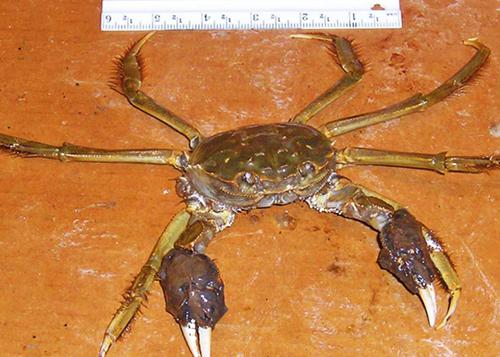
Please keep an eye out for this potential aquatic invader - the mitten crab. So far this year, several mitten crabs have been observed along Connecticut's western Long Island Sound shoreline. If you think you have found a mitten crab, please do not return it to the water. Instead, place it in a plastic bag and freeze it. Note the date and location of capture. Please report your finding within 48 hours to david.molnar@ct.gov or call 860-434-6043. You can also report mitten crabs to the Mitten Crab Watch.
More on aquatic invasive species . . .
| |
Species of the Month: Northern Diamondback Terrapin | |
|
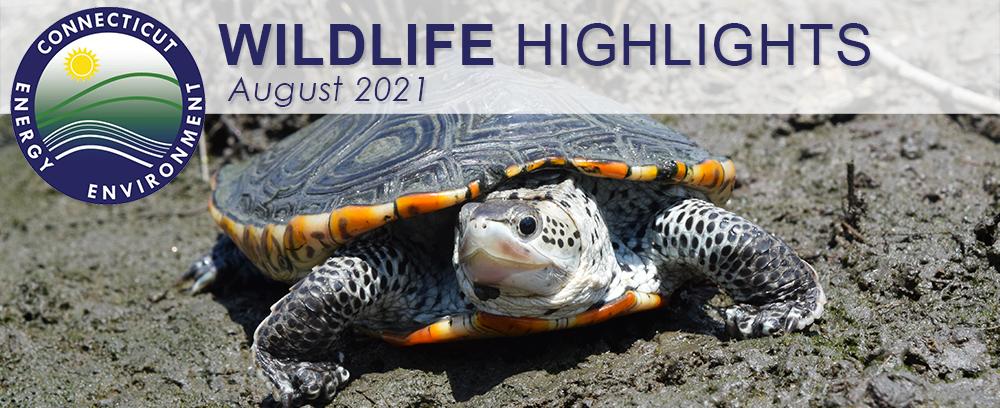
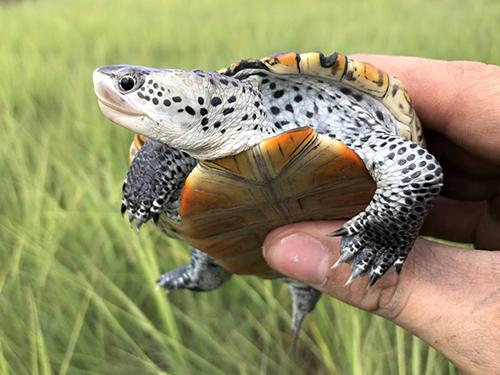
The Northern diamondback terrapin is the only species of turtle in North America, including Connecticut, that spends its life in brackish water (water that is less salty than sea water). Diamondback terrapins are most abundant in tidal estuaries west of the Connecticut River.
This summer, DEEP Wildlife Division biologists have been radio-tracking a small sample of northern diamondback terrapins, a state species of special concern, to better understand their seasonal movement patterns and habitat use. This research not only improves our understanding of terrapin ecology, but also helps to conserve these turtles and the coastal environment they share with many other species. It is easy to see why this turtle is known as the “jewel of the salt marsh”.
More on the diamondback terrapin . . .
| |
|
Stay Connected!
Follow us on Social Media
| |
|
-- Quick Links --
Your Feedback Is Important to Us!
Send your comments or suggestions to deep.ctwildlife@ct.gov
|  | The Connecticut Department of Energy and Environmental Protection is an Affirmative Action/Equal Opportunity Employer that is committed to complying with the requirements of the Americans with Disabilities Act. Please contact Barbara Viadella or Cenit Mirabal, DEEP Office of Diversity and Equity at 860-418-5910 or by email at deep.accommodations@ct.gov if you are requesting a communication aid or service, have limited proficiency in English, need some other type of accommodation, or if you wish to file an ADA or Title VI discrimination complaint. In order to facilitate efforts to provide an accommodation, please request all accommodations as soon as possible following notice of any agency hearing, meeting, program or event. | | | | |