McDonald Observatory SkyTips


News from the Observatory and StarDate


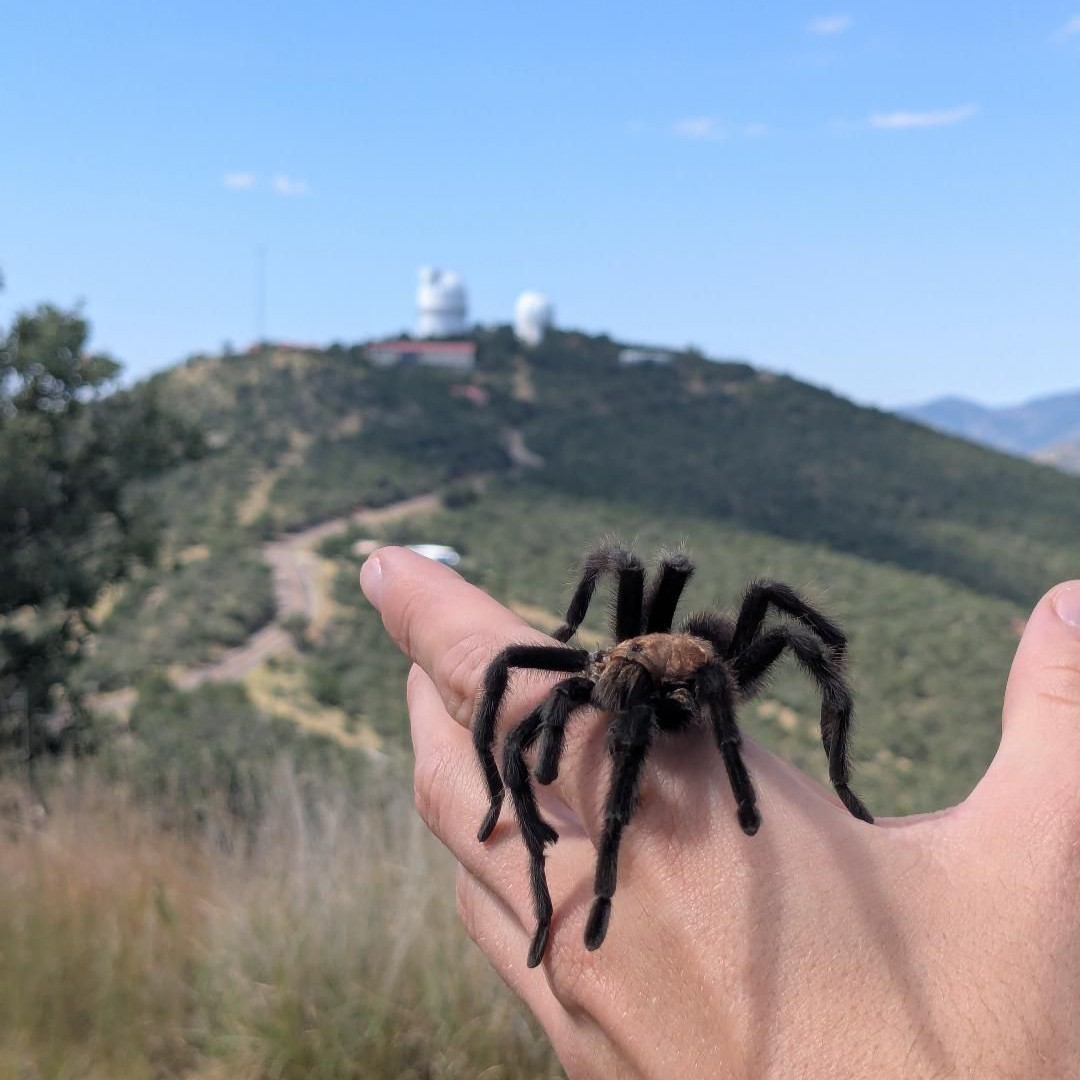
Creepy crawly image courtesy of Joshua B. Santana

Now on StarDate Radio


See what's on the air or get more information on the program.


October Skywatching


With the nights getting longer and cooler, October is one of the best months for skywatching. The evening offers such treats as Andromeda and her famous galaxy, M31, as well as several other constellations associated with her story. The Pleiades and Hyades star clusters, in Taurus, climb high overhead, and both are easy to see with the unaided eye.


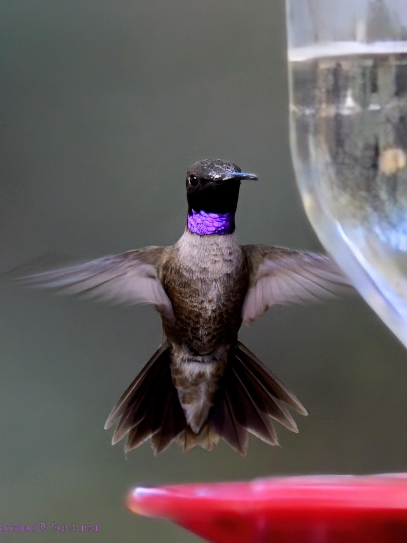
Black-chinned hummingbird captured in midflight.

The Fall Migration Is Here!


Each year, nearly two billion birds travel across the Lone Star State. And right now is the peak of the fall migration! This Black-Chinned Hummingbird was captured by McDonald's Joshua B. Santana during a pit stop at the Observatory.


Lights Out Texas encourages everyone to turn off their outdoor lights at night to support the migration. And if you'd like to implement bird-friendly lighting year round, check out our Dark Skies Initiative for recommendations on how to limit light pollution on your property.


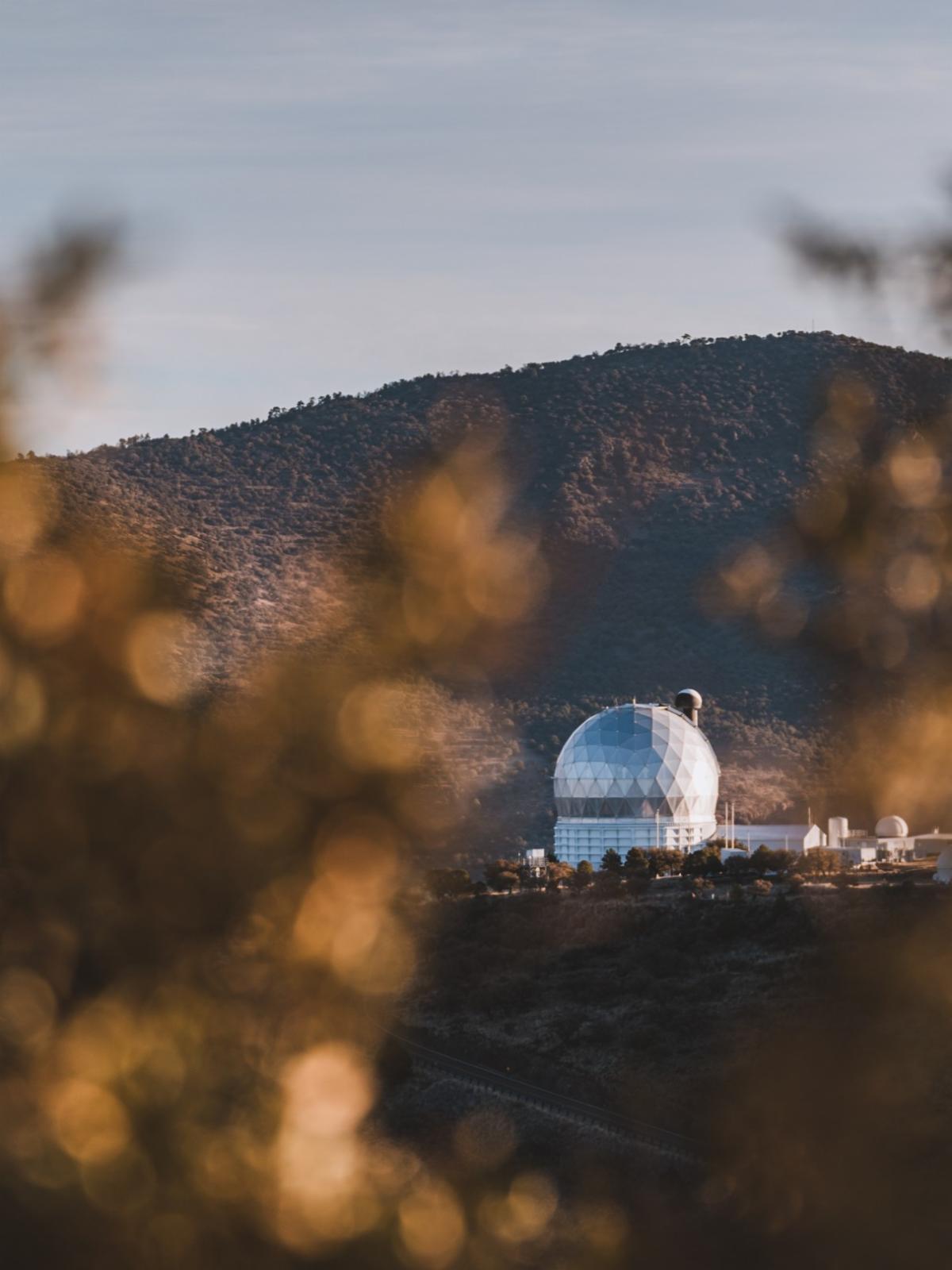
Image credit: Michael Ortiz

Making Your Own Fall Migration to McDonald?


Consider becoming a member to unlock perks!


All Friends of McDonald Observatory receive free Star Party passes (number depends on level), 10% off gift shop purchases, 20% off guided tours and special viewing nights, and access to the Astronomers Lodge for onsite accommodations.


If you're planning to buy Star Party passes for a family of four (two adult passes for $25 each and two student passes for $20 each), it's only $10 more to purchase a Family Membership ($100) and get fun extras for a full year!


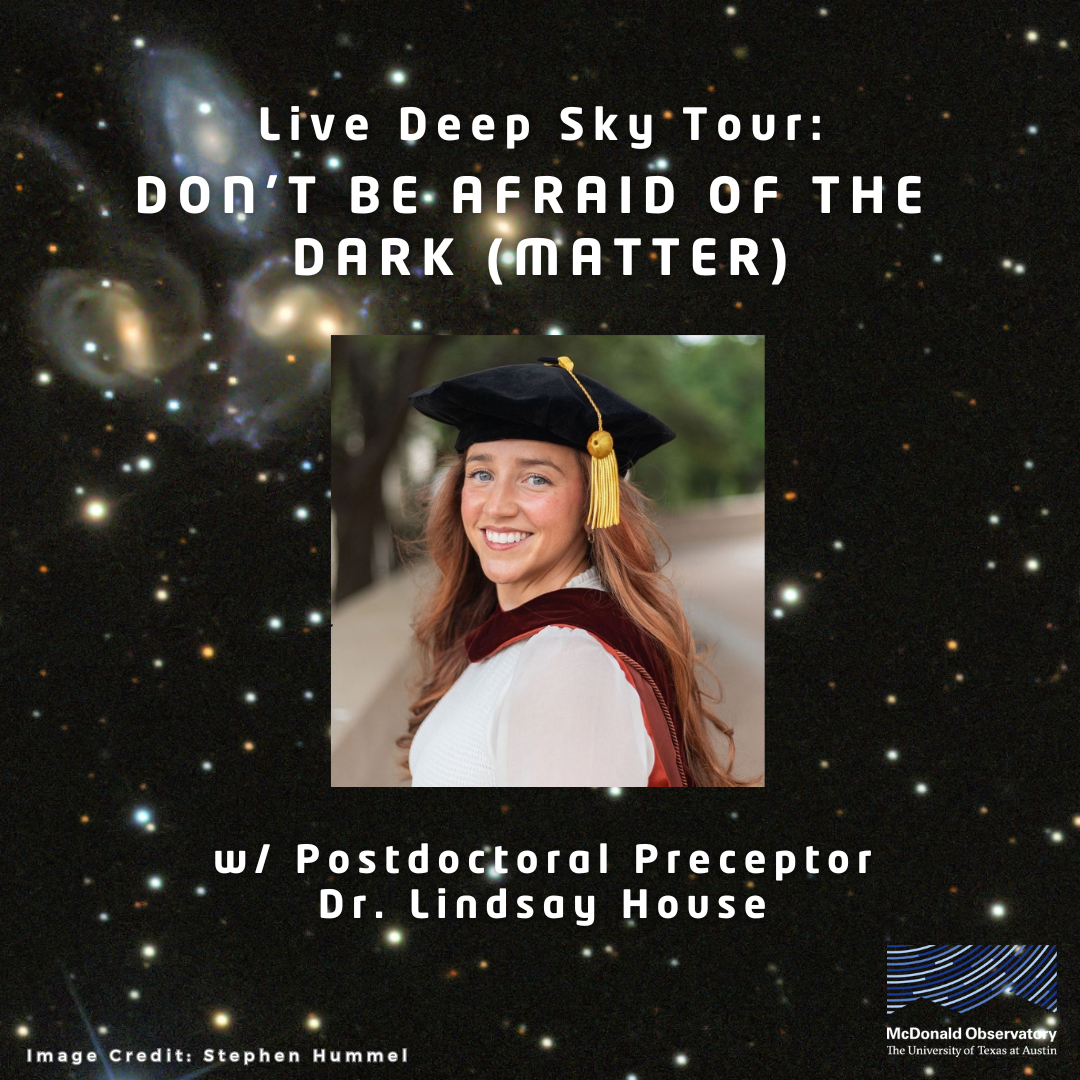
Livestream Oct 28: Don't Be Afraid of the Dark (Matter)


At 8:30 p.m. on Wednesday, October 28, join McDonald Observatory and astronomer Lindsay House to learn about dark matter and dark energy! Now at the University of Chicago, House earned her Ph.D. at UT Austin. During that time, she worked extensively on the Hobby-Eberly Telescope Dark Energy Experiment.


We will discuss the dark side of the universe, the work and research done by the Hobby-Eberly Telescope, and how you can take a glimpse at the data. Plus, we'll show live views of the cosmos from a 16-inch telescope at our Visitors Center (weather permitting).


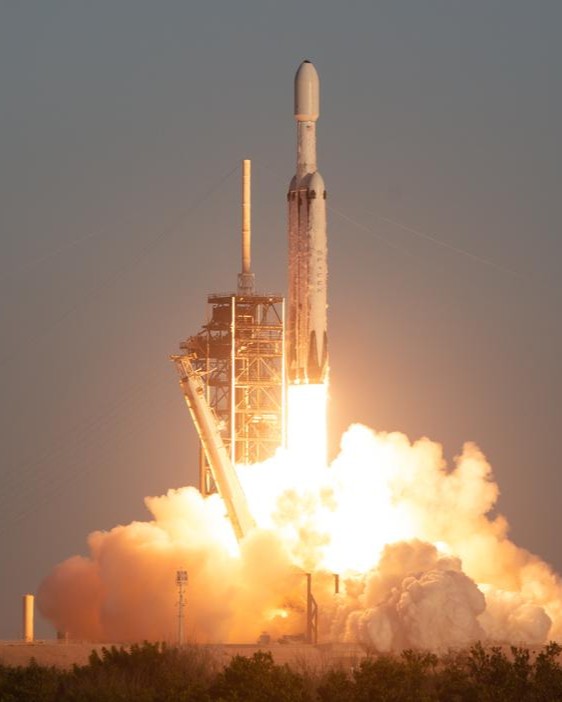
Nancy Grace Roman Space Telescope launch. Image Credit: NASA/Joel Kowsky.

UT Austin Astronomers to Play Leading Role in NASA’s Roman Space Telescope


On August 30, the Nancy Grace Roman Space Telescope lifted off from Kennedy Space Center. For its first years of observations, astronomers at The University of Texas at Austin won more resources to use the telescope than researchers at any other university in the country!


They'll use these resources to study planets outside our solar system, galaxies in the early universe, exploding stars, and more.


Galactic Archaeology: How Astronomers Study the History of Our Milky Way


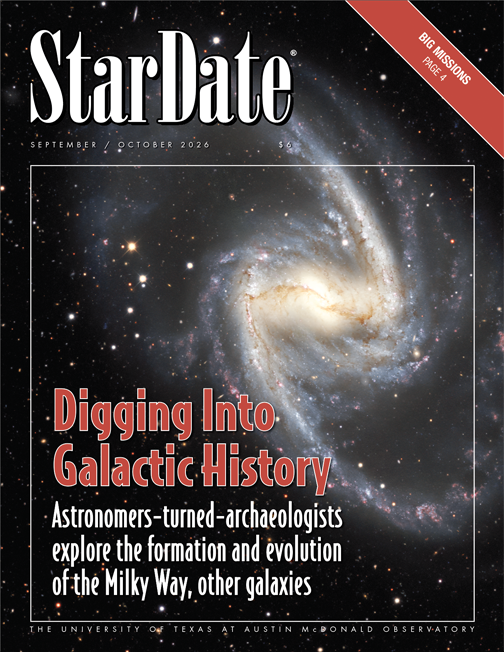
Space telescopes and other tools are helping astronomers become archaeologists, allowing them to dig into the histories of other galaxies. In the current issue of StarDate magazine, we cover some of their discoveries. We also discuss the recently launched Nancy Grace Roman Space Telescope and an upcoming expedition to investigate the moons of Mars.


Read more in the current issue of StarDate. Don't get the magazine yet? Subscribe today!


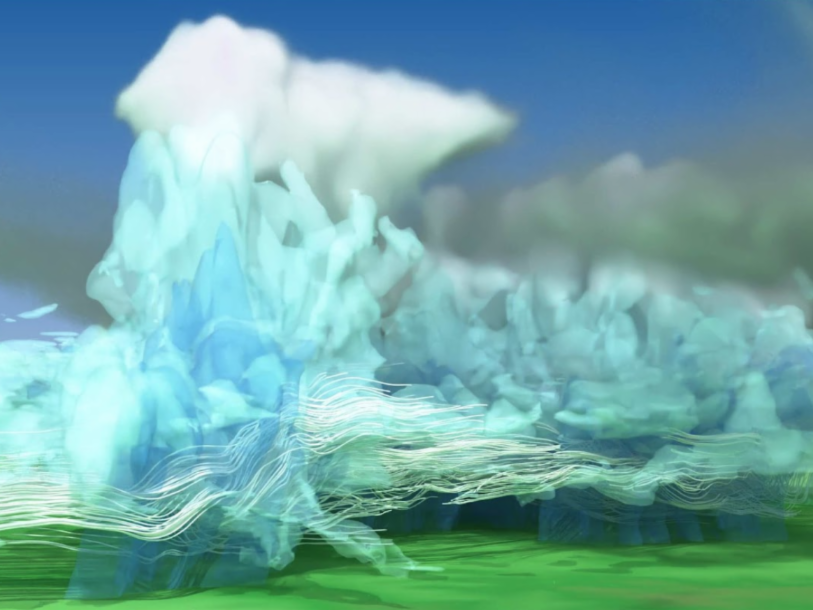
Visualization showing a snapshot of a simulated storm cloud in an ICON simulation at ~150m resolution. Courtesy: HD(CP)2 project, Max Planck Institute for Meteorology.

UT Astronomer Selected for Frontiers of Research Project


Caroline Morley, associate professor of astronomy at UT Austin, and her research team are among a dozen groups worldwide selected by the Simons Foundation for support. The project will involve studying multiscale physics of clouds across the atmospheres of planets beyond Earth.


By examining clouds on a wide range of planets outside the solar system and exploring physics in extreme environments, Morley and her team hope to deepen scientists’ understanding of fundamental atmospheric processes and apply those insights to improve climate science here on Earth.


💫🌟 On the Horizon 🌟💫


Oct 4: The twin stars of Gemini are close to the Moon at dawn, with Mars below the group.

Oct 8: Peak of the Draconid meteor shower. Under a dark sky, you might catch up to 10 meteors per hour.

Night of Oct 9: New Moon

Oct 22: Peak of the Orionid meteor shower. Unfortunately, a bright waxing gibbous Moon will interfere.

Oct 23 and 24: Bright Saturn is to the lower left/right of the Moon, respectively, at nightfall.

Night of Oct 25-26: Full Moon, known as the Hunter's Moon.


Skywatching news courtesy of StarDate's 2026 Sky Almanac.


Make a gift to support our education and outreach efforts.

Facebook  X  Instagram  Youtube  LinkedIn