The Institute for Health Equity Research, Evaluation & Policy | |
IHE Celebrates Black History Month | |
Leadership in Health Equity: February 2024 | |
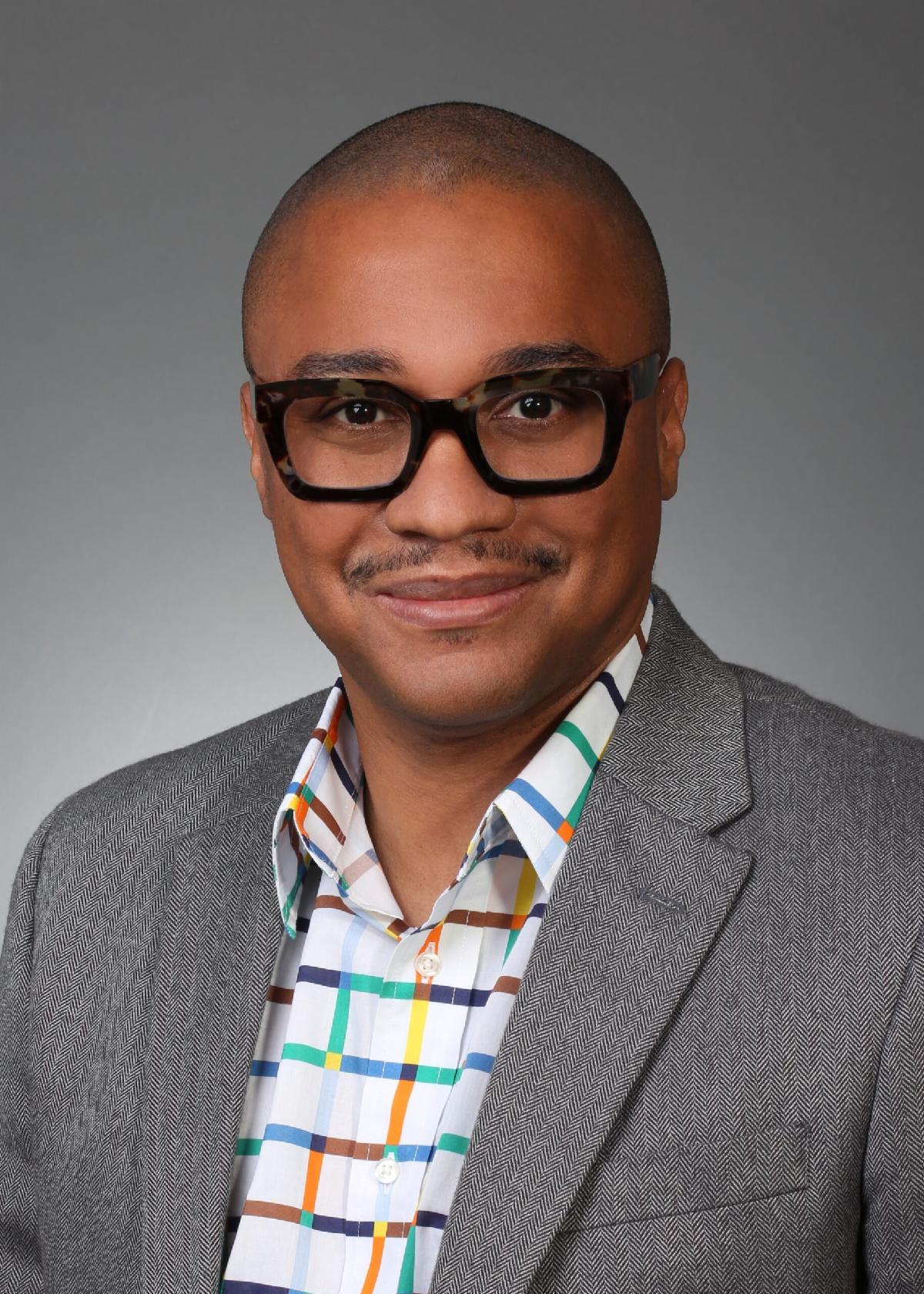
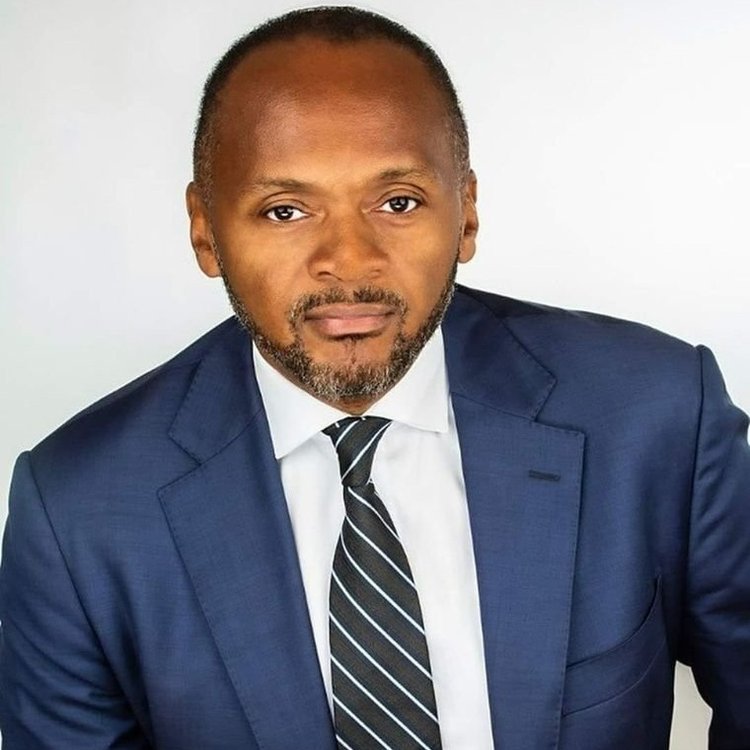
I think it is a privilege to be able to do this type of work because there’s no amount of money that would ever meet the satisfaction I get from feeling like I’m meeting my purpose every day.
-Damian Archer, MD
CEO, Outer Cape Health Services
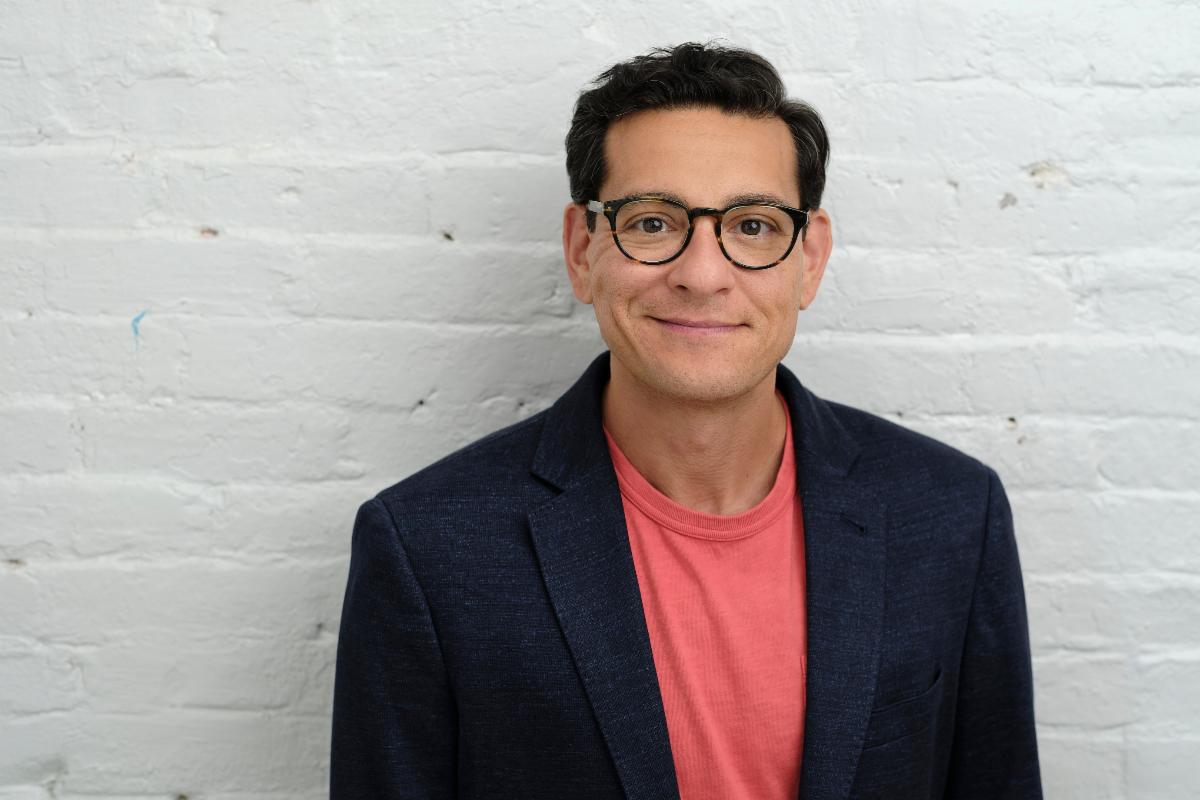
As 2024 marks 60 years since community organizers demonstrated across the southern United States to advocate for civil rights, including equitable health care. Dr. Damian Archer, Chief Executive Officer of Outer Cape Health Services, spoke with IHE during Black History Month to discuss leadership to achieve health equity, the ways that Community Health Centers serve diverse populations, sources of his inspiration, and more.
Read the full interview with Dr. Archer below.
| |
|
Black History Month
A time to reflect on the roots of the Community Health Center movement
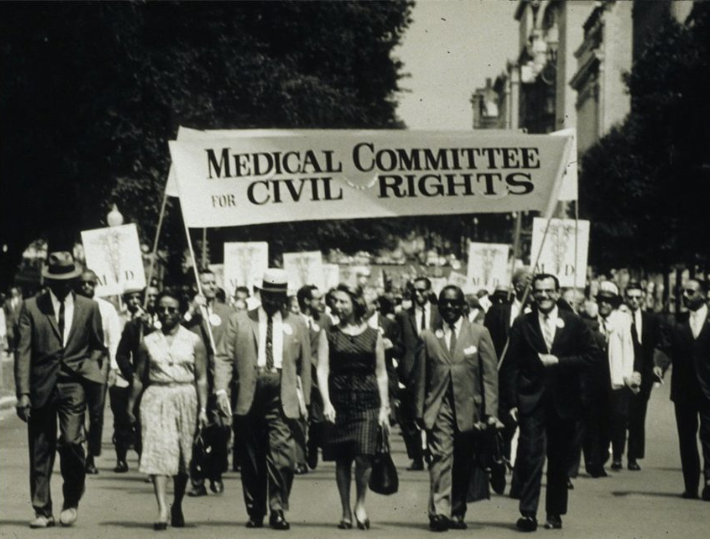
| Activists, medical students and doctors from the Medical Committee for Human Rights, led protests to advocate for voting rights and ending segregation during what became known as Freedom Summer. Physicians and health care professionals were active in demonstrations that led to the passage of the Civil Rights Act of 1964, and legislation that led to the founding of Community Health Centers, which serve more than 30 million people across the US. | |
An Interview with Dr. Damian Archer, MD, CEO of Outer Cape Health Services | |
IHE: As you reflect on the Civil Rights history of the Community Health Center movement, how do you think health care organizations, particularly community health centers, can be most effective in achieving health equity today?
DA: In addition to my role at Outer Cape Health Services, I am also the Assistant Dean for Multicultural Affairs at Tufts Medical School and do a lot of health equity, DEI, and social justice work there. I make this a part of how I help the next generation of physicians and healthcare professionals going through medical school understand the importance of concerning ourselves with the health of people. We have to think about who’s being left behind and who are the people that have the greatest barriers and obstruction to achieving equality in health care. Equity is the thing that fills the gap.
To answer your question more directly, I think we can continue to commit ourselves to health equity by constantly reminding folks that we are not here to be part of an exploitative system. We’re here to uplift people that have the greatest risk of being marginalized and left behind. That requires us to show up differently in the way we treat our patients and the way we set up our systems to care for patients. It also shows up in the way we treat each other as partners in care and health caregivers. We must continue to stay committed to health equity and live out the dreams of those people that started this movement 60 years ago during the Freedom Summer to advocate for civil rights, including equitable health care.
| |
IHE: As the CEO of a community health center, how do you think about leadership? What themes are needed for leaders to best respond to the needs of diverse populations in primary care?
DA: I believe there is a distinction between being a leader in position or title and being a leader in terms of having an influence on people that follow you. Being a leader does not necessarily mean that you are a CEO or that you have a management position or are an administrator.
| |
I see leadership every single day at all levels at Outer Cape Health Services. In fact, I think that most people connected to the movement of community health centers are leaders and are influencers in their communities, their place of worship, or their social gatherings. I've experienced that regardless of the role someone has at a community health center, people in the communities we serve often immediately respect and are influenced by the fact that CHC workers are people committed to a purpose and a mission - and that, is truly powerful.
I believe that there are a lot of opportunities for people in positions of power to commit themselves to the mission of community health centers and be compassionate leaders and managers. That is a constant focus of mine: maximizing the potential as a CEO to be a positive influence on the communities we serve. It’s a great experience to be in community health centers every day and be a servant leader in these spaces. And if there are supportive management and leadership structures that are robust in their capacity to leverage influence and motivation for our staff then we will have an even greater ability to improve the health of our patients and communities.
I think it is a privilege to be able to lead because there’s no amount of money that would ever meet the satisfaction I get from feeling like I’m meeting my purpose every day which is to inspire others to maximize their own potential. I think the challenge as a CEO of a community health center is understanding how to engage with so many different parties: staff, community members, other stakeholders, and our board of directors. I have to constantly remind myself to serve as a source of energy and motivation to others to achieve our mission of equitable and comprehensive healthcare for all.
| |
IHE: Was there an experience that led your commitment to develop a career in medicine and Diversity, Equity, Inclusion, Social Justice leadership that you could share?
DA: I have been fortunate to have really great role models in my parents, who have always been community-focused, community-centered people with my mom being an early childhood educator and administrator and my father who is an Episcopalian priest. They did everything together through a faith-based organization. Our home is a place where people constantly came in and out of for support. There was lots of community building and togetherness and uplifting people to meet their potential through challenging times.
So, it is not unfamiliar to me the type of constant dedication and availability that is needed to support people in their daily lives. I was just able to pursue a profession that allowed me to take that into health care and leverage the leadership I saw in my parents. That’s what probably led to me being a CEO today. The apple did not fall far from the tree, I just chose a different profession.
IHE: As you reflect on heroes currently and historically, are there leaders who have inspired you or your work?
DA: I am constantly inspired by Martin Luther King, Jr. When I think about things I am doing on my hardest day at that intersection of DEI and health care, overcoming challenges and struggles, I reflect back to what it was like for him to lead the civil rights movement and make a breakthrough in the consciousness of America. This kind of circles back to what we have talked about, the concept of leaders as influencers and people who inspire and motivate. He is an iconic person in the history of America, racial justice, and justice more broadly. I look at him as a true inspiration.
In the more immediate and localized way, I gain inspiration every day from the people of color around me in my immediate circles. I see them and I honor them and I uplift them in their day-to-day work from all levels of the organization and all different functions. It’s truly inspiring. Some of the greatest work that I have seen has been observing people who show up to work in places like community health centers every day for decades. That is no small feat. It is just as inspiring to me in some ways as Dr. King. The names are too many to call out here but for all my brothers and sisters in community health centers who have been doing it for years and years, I’m inspired by you every single day.
|
|
The Massachusetts League of Community Health Centers celebrates
The Enduring Legacy of Black History:
Transforming Community Health and Healthcare in Massachusetts
| |
"The Community Health Center movement is a key example of how people have come together to overcome discrimination, and in so doing, created a system to care for everyone." | |  |
"[Community Health Workers] are conduits in the health care system as they provide a bridge from the community to patient care and health outcomes across the state, while transforming primary care." | | |
|
MLCHC Black History Month presentation: Quantum Leap
Wednesday, February 21 | 11:30am-1pm | Virtual
In this presentation, Dr. Michael Curry, Esq., President & CEO of the Massachusetts League of Community Health Centers, aims to provide the audience with a walk through of Anti-Black Racism in America – from 1619 to 2024 with the goal of connecting the dots between present day racial inequities and those experienced in our society in the past.
Named after Quantum Leap, the 1980s/90s television show where Dr. Sam Beckett travels through time, leaping into the bodies of different people under various circumstances to “put right what once went wrong,” this presentation will take a similar approach and will ask the audience to travel through time to learn more about different key moments in our nation’s past.
Questions? Contact Kirby Valentin at kvalentin@massleague.org.
Learn more and register.
| |
The Institute for Health Equity Research, Evaluation, and Policy | |
|
IHE November feature:
Transgender Day of Remembrance
Exclusive interview with Dr. Sari Reisner an Affiliated Investigator at Fenway Health's Fenway Institute and Director of Transgender Health Research, and faculty at Harvard University.
Gender diversity is something to be celebrated, not pathologized.
-Dr. Reisner
Read the article on LinkedIn.
| |
Dr. Sari Reisner, an Affiliated Investigator at Fenway Health's Fenway Institute and Director of Transgender Health Research, and faculty at Harvard University. | | | | |