|
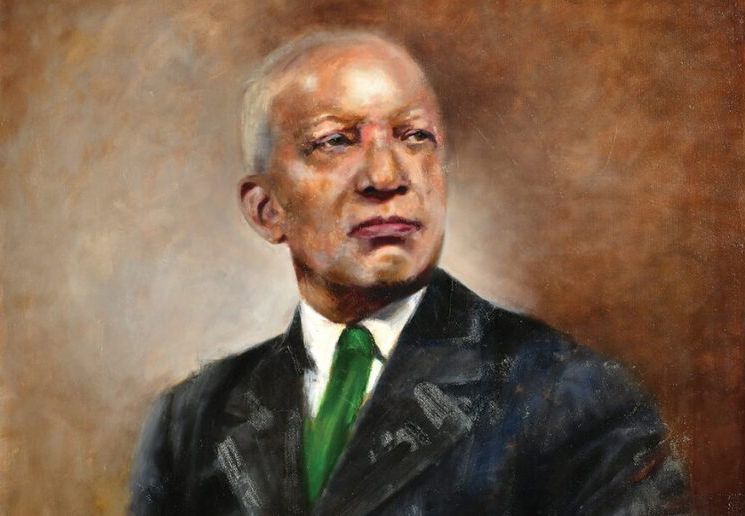
In 1926, the "Father of Black History" Dr. Carter G. Woodson helped launch Black History Week, with February chosen to coincide with the birthdays of Abraham Lincoln and Frederick Douglass, two influential figures in Black history.
This week-long observance aimed to encourage schools and communities to teach Black history, a topic that was largely overlooked at the time. Over the decades, the celebration gained momentum and expanded beyond a week, to an entire month as awareness and support grew nationwide.
In 1976, during the United States Bicentennial, President Gerald Ford officially recognized Black History Month, urging Americans to honor the vast contributions of Black citizens in all areas of society. Since then, Black History Month has been observed each February as a time to reflect on Black History, culture, resilience and the lasting impact on our nation.
|