The Science History Institute invites you to join us on Wednesday, May 11, 2022, for our 18th annual Heritage Day Awards ceremony , a virtual celebration of the exceptional achievements in chemistry, chemical engineering, the life sciences, and allied fields and industries. Register now for this free event, which includes the presentation of the Othmer Gold Medal to Jay Keasling, Philomathia Professor of Alternative Energy at the University of California, Berkeley and CEO of the Joint BioEnergy Institute; the Richard J. Bolte Sr. Award for Supporting Industries to Barry Siadat, cofounder and managing director of SK Capital Partners; and the American Institute of Chemists Gold Medal to Brian Hoffman, the Charles E. and Emma H. Morrison Professor of Chemistry at Northwestern University.
|
|
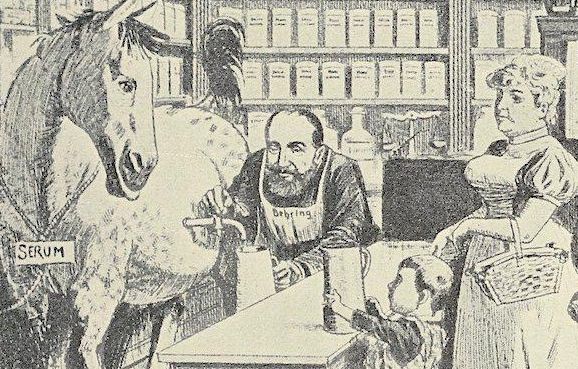
Animals and the Making of Human Vaccines, one of the Science History Institute’s most popular digital exhibitions, has been selected to be a featured story on Google Arts & Culture’s “A Brief History of Vaccination” project. This high-visibility, global initiative explores “centuries of life-saving science” through “discoveries, eradication, and ongoing research.” Curated by former fellow and staff member Rebecca Kaplan, the exhibition highlights the vital role animals have played in the production of vaccines and the prevention of diseases such as smallpox, rabies, and diphtheria.
|
|
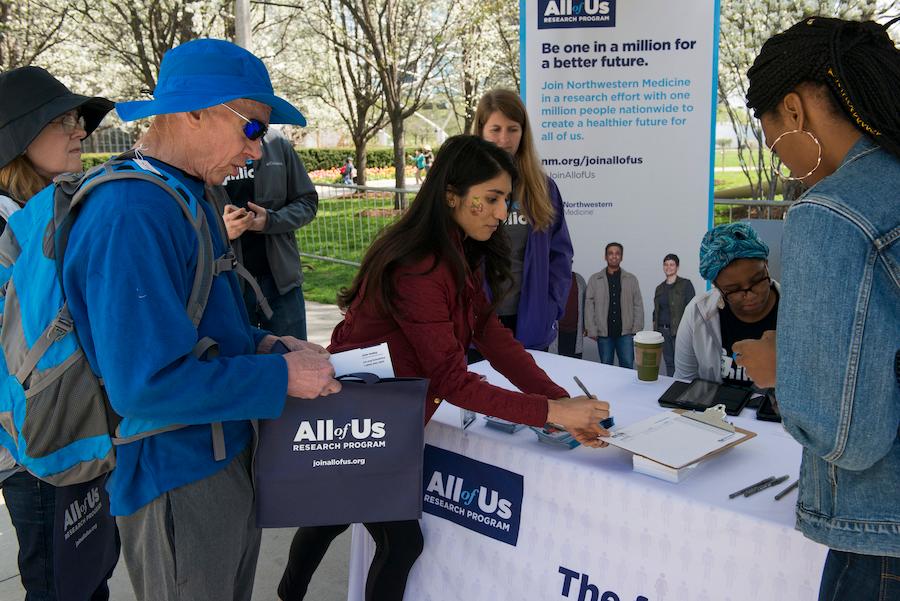
Community members come together to raise awareness about the All of Us Research Program. 📷 National Institutes of Health
|
|
Thursday, February 10, 2022
1:00 p.m.–2:00 p.m. EST
|
|
|
February’s JPS virtual talk features Sheri Schully, acting chief medical and scientific officer of the National Institutes of Health-led All of Us Research Program, whose mission is to accelerate health research and medical breakthroughs, enabling individualized prevention, treatment, and care for all of us.
|
|
Saturday, February 12, 2022
Saturday, February 26, 2022
2:00 p.m. EST
|
|
|
Our Science and Activism “drop-in” tours explore the vital impacts made by engaged communities on scientific discovery, environmental justice, and public health. Guided Tours take place twice a month on Saturdays through February 2022. Admission is free and no reservations are necessary.
|
|
Monday, February 14, 2022
6:00 p.m.–7:00 p.m. EST
|
|
|
February’s Science on Tap virtual talk features Alexis Schulman, Dolan Fellow for Innovation in Water Research at the Academy of Natural Sciences of Drexel University, who will discuss the “Green City, Clean Waters” initiative.
|
|
Saturday, February 19, 2022
11:00 a.m. EST
|
|
|
Dive into a day of family-friendly, water-related activities! Family Swim takes place once a month on Saturdays through February 2022. Admission is free and no reservations are necessary.
|
|
Friday, March 4, 2022
2:00 p.m. EST
|
|
|
Take a deep dive into our museum with our Gallery Guides, who will lead visitors through an interactive water journey using objects from our handling collection. Collections Deep Dives take place on First Fridays through May 2022. Admission is free and no reservations are necessary.
|
|
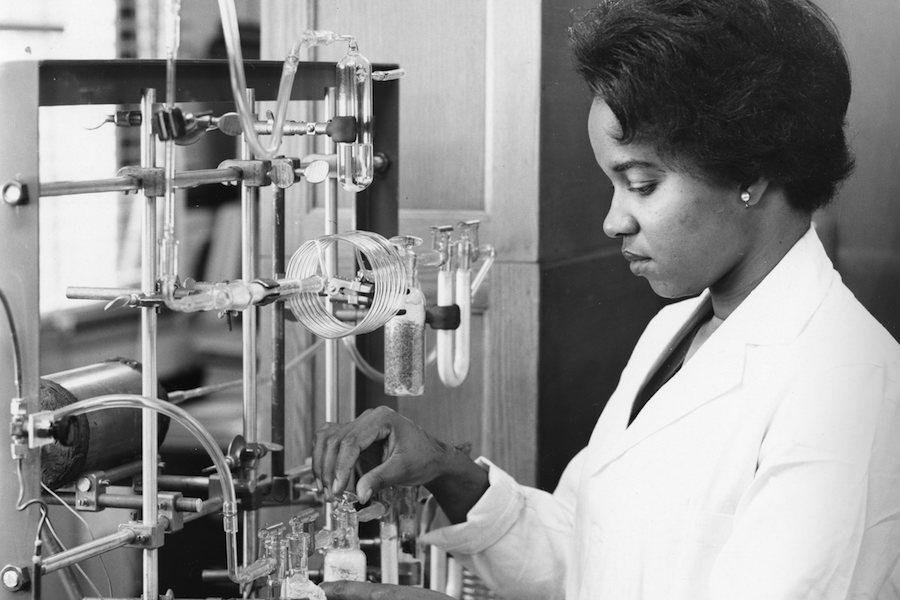
Reatha Clark King in a lab, circa 1960s. 📷 National Institute of Standards and Technology
|
|
Reatha Clark King wanted to be a research chemist, so she made the journey from the segregated South to Illinois. At the University of Chicago her dreams came true.
|
|
For brothers William and Lawrence Knox, earning PhDs in chemistry was not enough to overcome discrimination.
|
|
How ancient (and not so ancient) cultures thought about water purity and contamination.
|
|
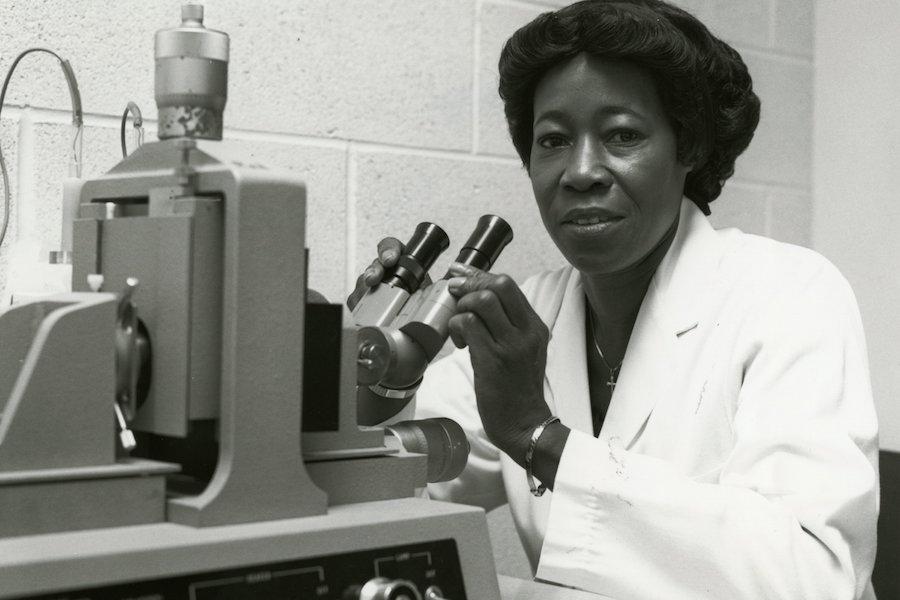
Undated photograph of Dr. Bettye Washington Greene, believed to be the first African American female chemist employed to work in a professional position at the Dow Chemical Company. 📷 Science History Institute
|
|
Our digital collections include numerous materials that showcase the experiences and contributions of African Americans in science, including the photo above of Bettye Greene, which has been the most-viewed item in our collections for the past four years in a row :
-
Letter from Percy L. Julian to John C. Warner, letter from the chemist to the American Chemical Society president expressing his disapproval of a list of “Hotels for Colored Persons” being included in a meeting announcement, 1956
-
Hi-Hat Jockey Club Face Powder, “Teezum Brown” face powder manufactured by Keystone Laboratories, one of the first companies to produce cosmetics for the African American market, 1945
-
Electron Structures of Organic Molecules, textbook written by former Howard University chemistry chair Lloyd N. Ferguson, founder of the first doctoral program in chemistry at a Historically Black College or University, 1952
|
|
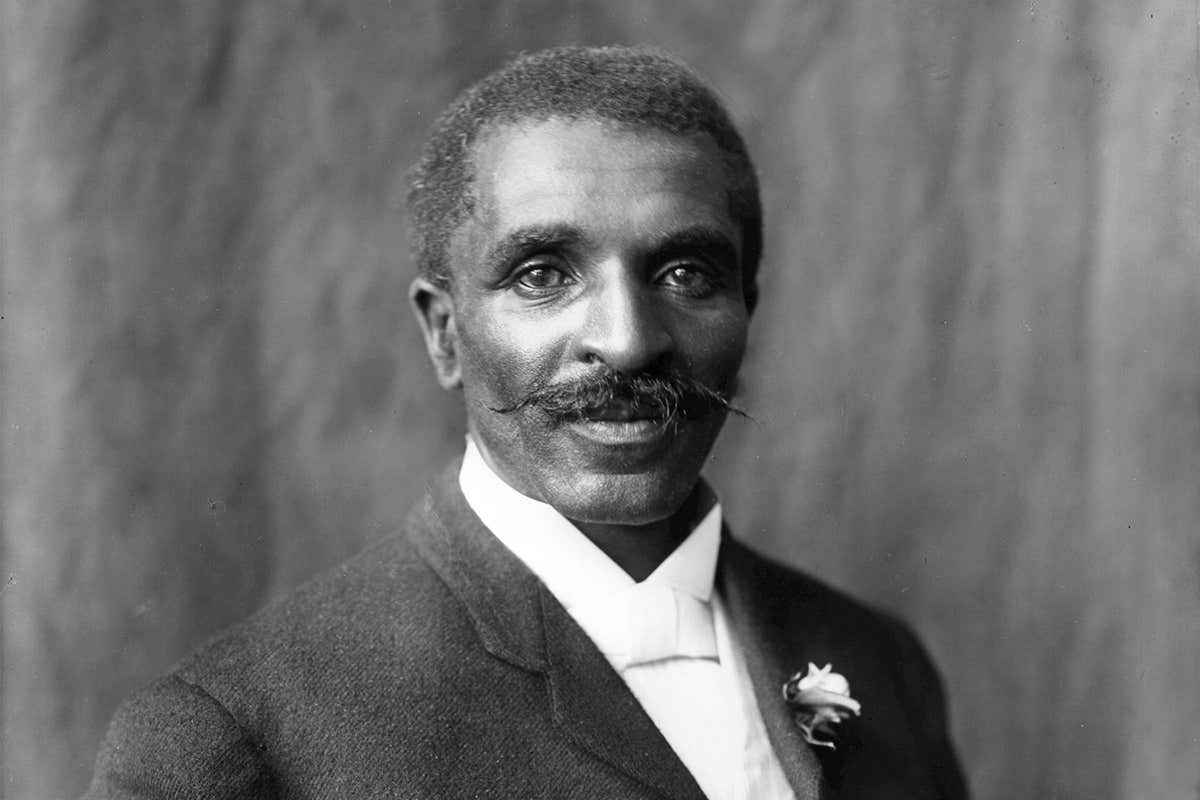
George Washington Carver, Tuskegee Institute, 1906. 📷 Library of Congress Prints and Photographs Division, LC-J601-302/Frances Benjamin Johnston
|
|
George Washington Carver (ca. 1864–1943) was born enslaved in Missouri during the Civil War. He made it his mission to use agricultural chemistry and scientific methodology to improve the lives of impoverished farmers in the post–war South. His work developing hundreds of new products from peanuts, a soil-enriching legume, earned him the nickname the Peanut Man. Carver joined the faculty of the Tuskegee Normal and Industrial Institute in Alabama in 1896 and stayed there for the rest of his life. He was both a teacher and a prolific researcher, heading up Tuskegee’s Agricultural Experiment Station.
|
|
Now more than ever it’s important to tell the stories of science. Help us continue this work by supporting the Science History Institute.
You can also support the Institute while shopping on Amazon at smile.amazon.com or by asking Alexa to donate to the Science History Institute.
|
|
|
|
|
|
|