CARTER G. WOODSON:

THE FATHER OF BLACK HISTORY

Continuing our exploration of Black History Month, we are delighted to shine a spotlight on Carter G. Woodson, a distinguished figure whose influence on African American history and education reverberates through time. Carter G. Woodson emerged as a trailblazer, leaving an indelible mark on scholarship, historical research, and the recognition of Black contributions to the fabric of American society.


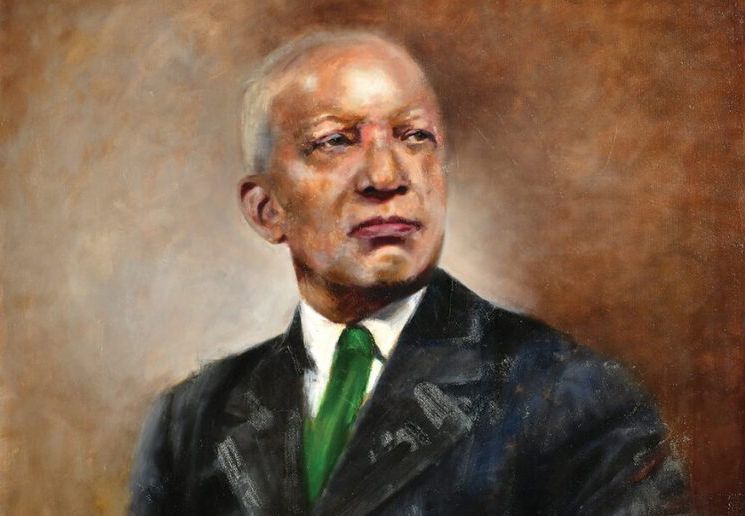
Color image of Carter G. Woodson above, courtesy of Huntington Quarterly.


STRONG TIES TO WEST VIRGINIA:


Carter G. Woodson's ties to West Virginia are deeply rooted in the state's history, and his impact resonates within its educational landscape. Woodson, a native of New Canton, Virginia, spent a significant portion of his early life in West Virginia. His educational journey included obtaining a Bachelor's degree from Berea College in Kentucky and a Master's degree from the University of Chicago before returning to West Virginia to teach at Douglass High School in Huntington. Woodson's time in West Virginia not only marked the beginning of his illustrious career in education but also laid the groundwork for his groundbreaking contributions to the study and recognition of African American history.


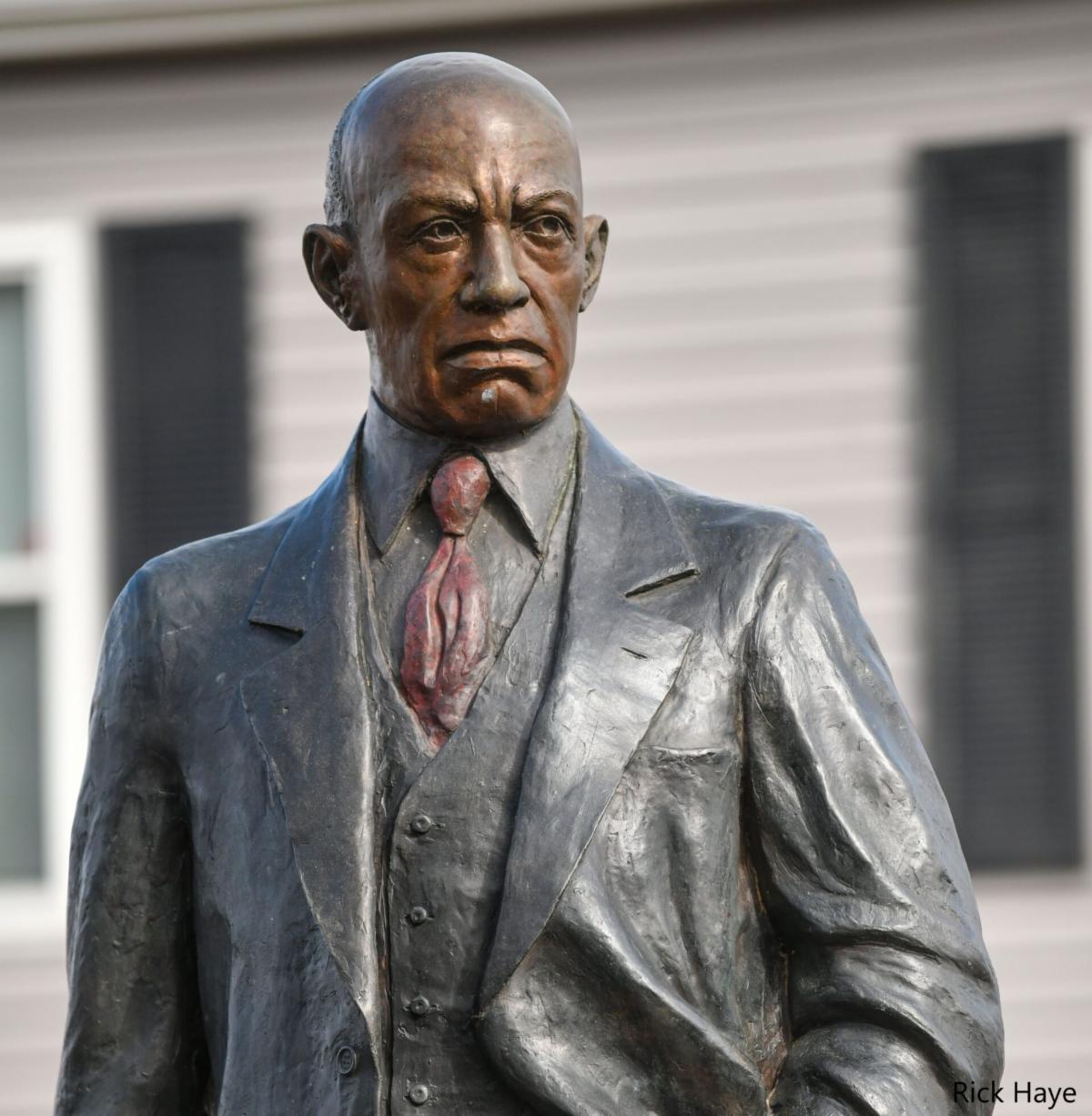
Pictured above, the Carter G. Woodson statue in Huntington, WV,

courtesy of the Cabell-Huntington CVB

CLICK HERE TO LEARN MORE ABOUT WOODSON'S LEGACY IN HUNTINGTON, WV

A PIONEERING SCHOLAR:


Born in 1875, Carter G. Woodson dedicated his life to illuminating the rich tapestry of African American history. His pioneering work laid the foundation for the establishment of Black History Month, initially as "Negro History Week" in 1926. Woodson's commitment to highlighting the achievements and struggles of the Black community in America played a pivotal role in fostering a deeper understanding of their contributions to the nation's development.


ARCHITECT OF BLACK HISTORY MONTH:


Woodson's vision for a designated period to celebrate and recognize Black history was a groundbreaking concept that aimed to address the historical omissions of African American achievements. Black History Month, now observed nationwide in February, stands as a testament to his enduring legacy and commitment to inclusivity in historical narratives.


Photo courtesy of West Virginia State University.


THE FATHER OF BLACK HISTORY:


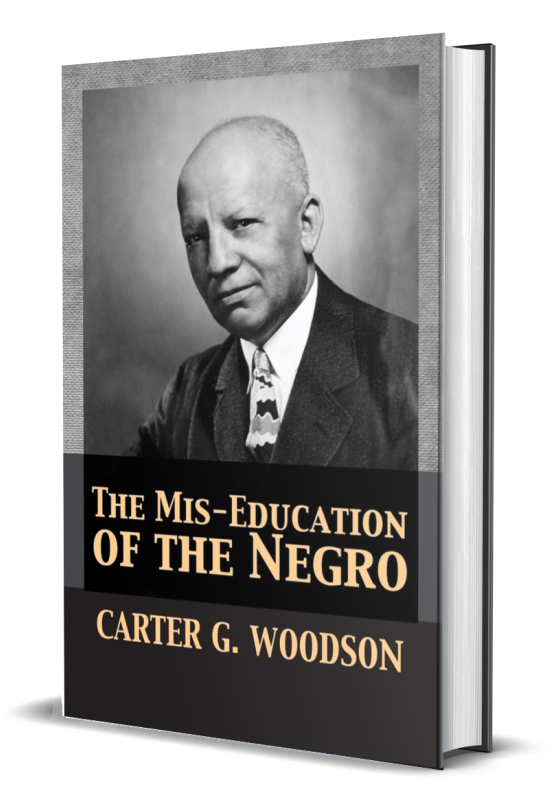
Often referred to as the "Father of Black History," Carter G. Woodson authored numerous books, including the seminal work "The Mis-Education of the Negro." His scholarly contributions challenged prevailing narratives, highlighting the importance of understanding the full scope of African American experiences and accomplishments.


EDUCATIONAL IMPACT:


Woodson's influence extends beyond the pages of his books. His advocacy for the inclusion of Black history in educational curriculum has left an enduring legacy. Today, schools and institutions across the country incorporate African American history into their programs, ensuring a more comprehensive understanding of the nation's past.


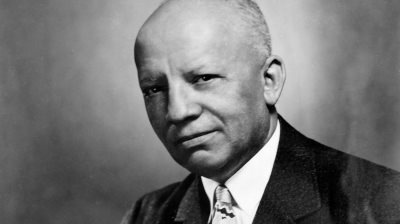
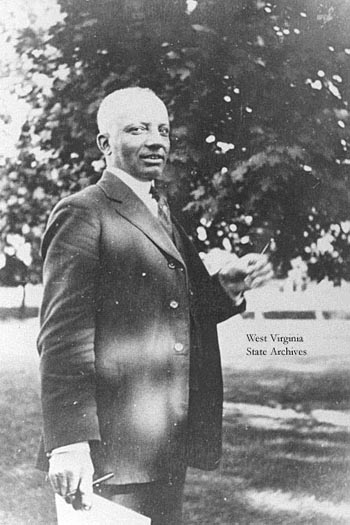
Pictured above on the right is Carter G. Woodson, photo courtesy of the West Virginia State Archives.

LITERARY LEGACY:


Woodson's written works, including the creation of the Journal of Negro History in 1916, remain pivotal in the academic study of African American history. His commitment to rigorous research laid the groundwork for future generations of scholars, encouraging them to explore and contribute to the ongoing narrative of Black history.


By commemorating the legacy of Carter G. Woodson, we pay homage to a visionary who dedicated his life to advancing the understanding of African American history.

CARTER G. WOODSON LYCEUM AT MARSHALL UNIVERSITY

At Marshall, The Lyceum reflects influences of Woodson and Aristotle – while addressing critical issues involving education, freedom of expression and race/ethnicity. The lyceum supports scholarships for minorities and disadvantaged students and encourage full participation of all groups and individuals seeking the American dream.


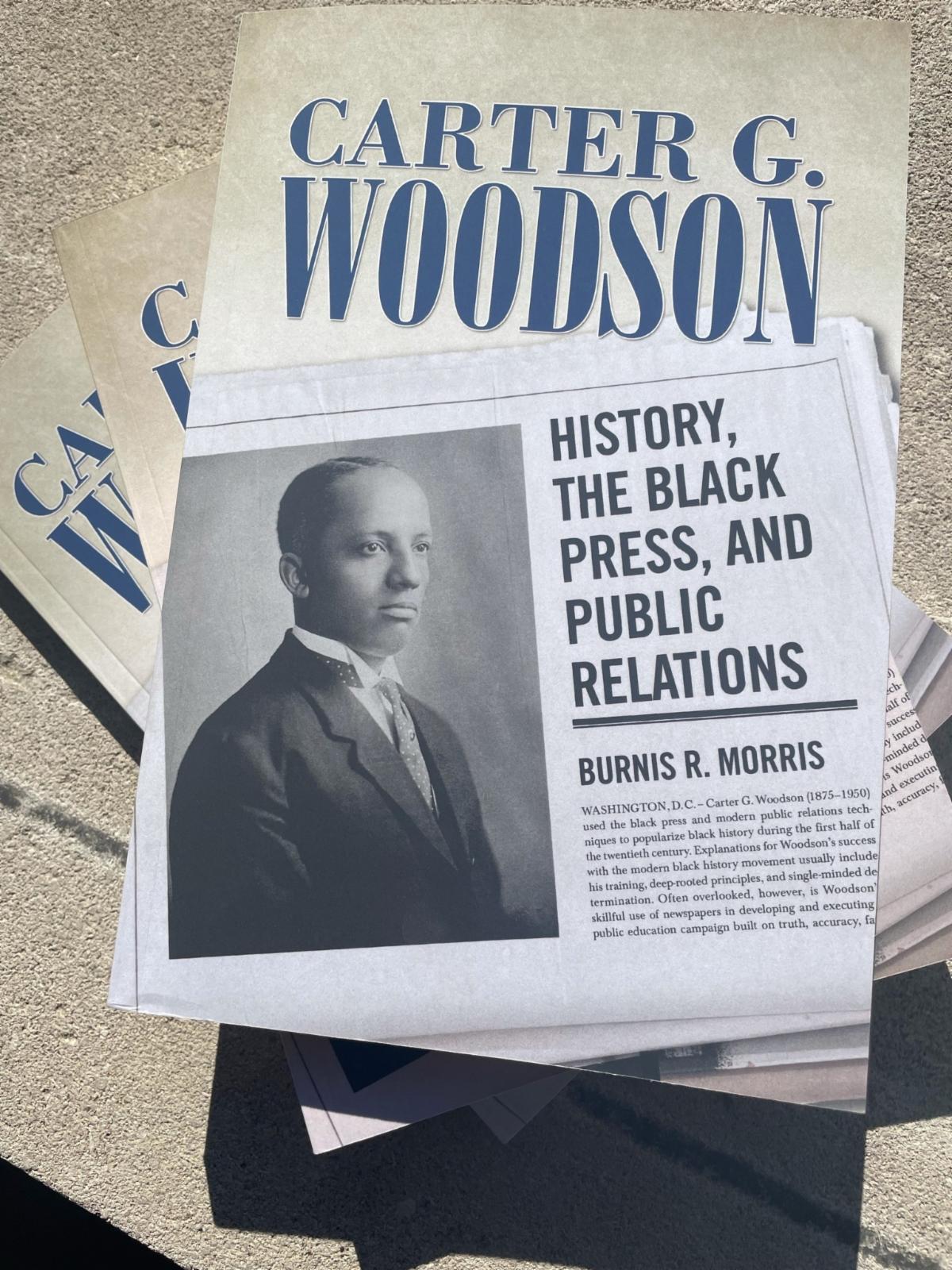
Photo: Written by Marshall University Professor Burnis R. Morris, "Carter G. Woodson: History, the Black Press, and Public Relations" illuminates the life and achievements of the 'Father of Black History' and how Woodson used the press to popularize Black history during the first half of the twentieth century.

Hear More About Carter G. Woodson From Professor Morris Here

Carter G. Woodson's enduring impact on West Virginia is evident in the continued emphasis on African American history in the state's educational institutions and the broader cultural appreciation for the diverse contributions of Black individuals to West Virginian heritage.

CLICK HERE TO LEARN MORE ABOUT CARTER G. WOODSON
Facebook  X  Instagram  YouTube