Black doctor debunks COVID-19 myths on TikTok to reach Black Americans |
|
By Paula Penebaker, Guest Columnist, New Orleans Agenda |
|
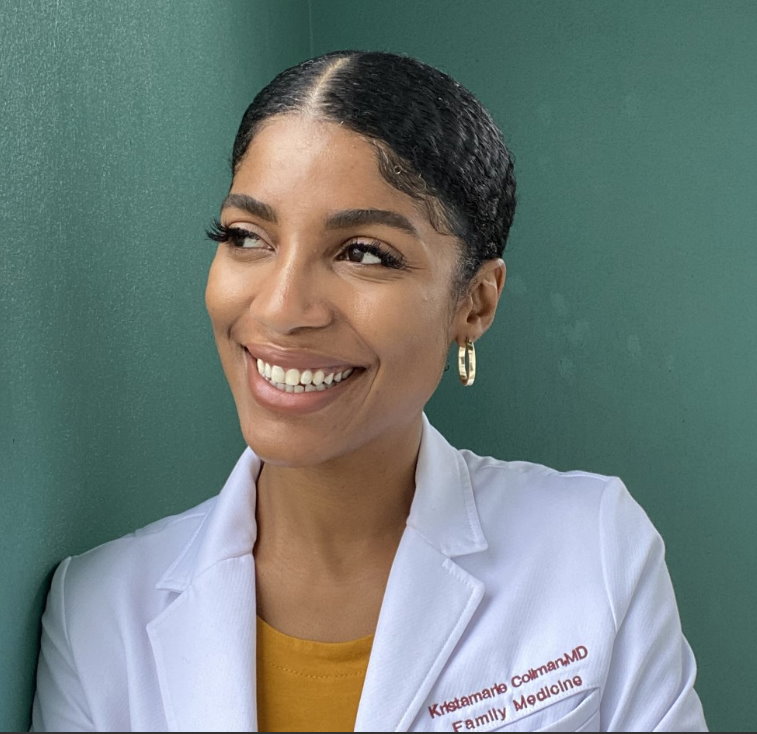
Jan. 14, 2023 - A growing number of Black doctors are using social media to reach vaccine-wary members of their communities. Dr. Kristamarie Collman (pictured left), a family medicine physician in Orlando, is one of them.
A TikTok sensation, Dr. Collman has reached more than 500,000 people with trendy videos, in which she pokes holes in common misconceptions about the COVID-19 vaccine.
“I felt as though it was my responsibility as a physician to make sure that I was spreading correct information, especially on social media,” Dr. Collman said in a recent interview. “I want people to know that as a Black woman, as a Black physician, that I hear them, and I understand their hesitancy. I understand their concerns.”
Black Americans are more likely than whites to report poor interactions with their physicians. These personal experiences — rather than wrongs of the past — tend to heighten their distrust of the health care system and lead to skepticism about COVID vaccines.
One in 275 Black Americans have died of COVID. Compared to other racial and ethnic groups in the U.S., Black Americans have been contracting COVID, becoming severely ill, and dying at a higher rate.
“We can’t control a lot of things, but we can control our decision to get the vaccine,” Dr. Collman said.
Her commitment to trusted, science-based information on COVID vaccines has landed her in Bustle, NBC, Popsugar, NPR, and Women’s Health Magazine.
Dr. Collman also has a blog called “The Glow Up” and wrote a book titled, “Glow Up Your Life: The Rx for Looking and Feeling Good from the Inside Out.” Health care heroes like Dr. Collman and others are helping to bridge the gap for Black communities nationwide.
Updated COVID vaccines are currently free and widely available. To find a vaccine location, visit vaccines.gov. For more information about Dr. Collman, follow her on TikTok @rkristamarie or visit her website at drkristamariecollman.com.
------
|
|
Paula Penebaker is a writer at CMRignite, a strategic marketing agency and a partner of the U.S. Department of Health and Human Services “We Can Do This” COVID-19 Public Education Campaign.
|
|
COVID-19 grief: four ways to cope with
loss during holidays
|
|
By Paula Penebaker, Guest Columnist, New Orleans Agenda |
|
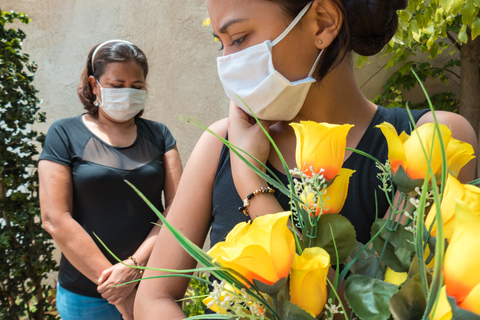
Dec 21, 2022 - The holiday season is touted as the most wonderful time of the year, but for so many, it’s painful to endure after losing loved ones to COVID-19.
The Centers for Disease Control and Prevention reports that more than 1 million people have died of COVID-19 since 2020. Among them are more than 56,000 Black people who have lost their lives.
How can you celebrate when cherished traditions feel tainted? Grief may cloud your emotions, making you feel anything but wonderful this season. And that’s okay. In fact, it’s expected. As you walk the winding road of loss, remember to create space to care for yourself.
There are many trusted resources with helpful advice and ideas on how to cope with loss during a season of togetherness. Many experts say that understanding how grief affects your mental and physical health is crucial to healing. Below are a few tips for coping with grief and loss this holiday season:
Seek Support: One free, in-person option is speaking with a pastor or other clergy member, who can provide a listening ear and spiritual guidance. You can also join a grief support group, as you may find it easier to talk with strangers than family. For those with health insurance, mental health counseling may be covered.
Change is good: Beloved family traditions can become painful reminders of an incomplete family unit. You have the power to amend your traditions, old and new, such as Christmas morning breakfast or doing the latest dance craze for social media. Part of coping with the holidays is learning to navigate traditions, determining which ones you’ll keep, change and leave behind.
Offer Grace and Space: It’s important to realize that people cope with loss in different ways. Be willing to give yourself and your loved ones the grace and space to process their emotions. If you need support dealing with loss, these CDC resources can help.
Give the Gift of Protection: For those who have lost loved ones to as the result of the COVID virus, giving the gift of protection can provide much-needed peace of mind. Updated COVID vaccines can give the gift of a boost in protection against severe illness, hospitalization, and death from COVID. Health fairs in Black communities such as the Stay Well Health fairs bring easy accessibility to Black families during the pandemic such as health screenings and any COVID-19 needs. Visit the Stay Well Health Hub for more information.
For those who are struggling, the holiday season can be a season of hope and healing. Healing is a process, everyone heals differently. We're stronger when we proactively process our grief.
Together, we can do this.
------
|
|
Paula Penebaker is a writer at CMRignite, a strategic marketing agency and a partner of the U.S. Department of Health and Human Services “We Can Do This” COVID-19 Public Education Campaign.
|
|
Protect Your Students & Staff |
|
COVID Hurt Student Learning: Key Findings from A Year of Research |
|
By Sarah Schwartz, EducationWeek — November 30, 2022 |
|
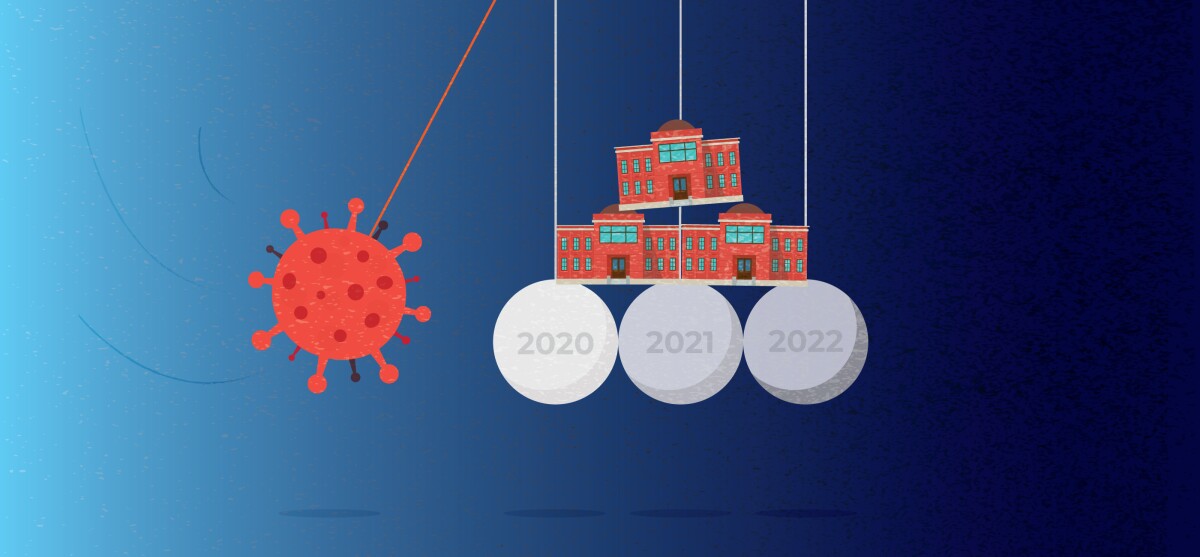
Dozens of studies have come out over the past months concluding that the pandemic had a negative—and uneven—effect on student learning.
National analyses have shown that students who were already struggling fell further behind than their peers, and that Black and Latino students experienced greater declines in test scores than their peers.
But taken together, what implications do they have for school and district leaders looking for a path forward?
Here are four questions and answers, based on what we’ve learned from the most salient studies, that dig into the evidence.
Did students who stayed in remote learning longer fare worse than those who learned in person?
Generally, yes—but not in every single instance.
School buildings shut down in spring 2020. By fall 2021, most students were back learning in person. But schools took a variety of different approaches in the middle, during the 2020-21 school year.
Several studies have attempted to examine the effects of the choices that districts made during that time period. And they found that students who were mostly in-person fared better than students who were mostly remote.
An analysis of 2021 spring state test data across 12 states found that districts that offered more access to in-person options saw smaller declines in math and reading scores than districts that offered less access. In reading, the effect was much larger in districts with a higher share of Black and Hispanic students.
Assessment experts, as well as the researchers, have urged caution about these results, noting that it’s hard to draw conclusions from results on spring 2021 state tests, given low rates of participation and other factors that affected how the tests were administered.
But it wasn’t just state test scores that were affected. Interim test scores—the more-frequent assessments that schools give throughout the year—saw declines too.
Another study examined scores on the Measures of Academic Progress assessment, or MAP, an interim test developed by NWEA, a nonprofit assessment provider. Researchers at NWEA, the American Institutes for Research, and Harvard examined data from 2.1 million students during the 2020-21 school year.
Students in districts that were remote during this period had lower achievement growth than students in districts that offered in-person learning. The effects were most substantial for high-poverty schools in remote learning districts.
Still, other research introduces some caveats.
The Education Recovery Scorecard, a collaboration between researchers at Stanford and Harvard, analyzed states’ scores on the 2022 National Assessment of Educational Progress. They compared these scores to the average amount of time that a district in the state spent in remote learning.
For the most part, this analysis confirmed the findings of previous research: In states where districts were remote longer, student achievement was worse. But there were also some outliers, like California. There, students saw smaller declines in math than average, even though the state had the highest closure rates on average. The researchers also noted that even among districts that spent the same amount of time in 2020-21 in remote learning, there were differences in achievement declines.
Are there other factors that could have contributed to these declines?
It’s probable. Remote learning didn’t take place in a vacuum, as educators and experts have repeatedly pointed out. But there’s not a lot of empirical evidence on this question just yet.
Children switched to virtual instruction as the pandemic unfolded around them—parents lost jobs, family members fell sick and died. In many cases, the school districts that chose remote learning served communities that also suffered some of the highest mortality rates from COVID.
The NWEA, AIR, and Harvard researchers—the group that looked at interim test data—note this. “It is possible that the relationships we have observed are not entirely causal, that family stress in the districts that remained remote both caused the decline in achievement and drove school officials to keep school buildings closed,” they wrote.
The Education Recovery Scorecard team plans to investigate the effects of other factors in future research, “such as COVID death rates, broadband connectivity, the predominant industries of employment and occupations for parents in the school district.”
Most of this data is from the 2020-21 school year. What’s happening now? Are students making progress?
They are—but it’s unevenly distributed.
NWEA, the interim assessment provider, recently analyzed test data from spring 2022. They found that student academic progress during the 2021-22 school did start to rebound.
But even though students at both ends of the distribution are making academic progress, lower-scoring students are making gains at a slower rate than higher-scoring students.
“It’s kind of a double whammy. Lower-achieving students were harder hit in that initial phase of the pandemic, and they’re not achieving as steadily,” Karyn Lewis, the lead author of the brief, said earlier in November.
What should schools do in response? How can they know where to focus their efforts?
That depends on what your own data show—though it’s a good bet that focusing on math, especially for kids who were already struggling, is a good place to start.
Test results across the board, from the NAEP to interim assessment data, show that declines have been larger in math than in reading. And kids who were already struggling fell further behind than their peers, widening gaps with higher-achieving students.
But these sweeping analyses don’t tell individual teachers, or even districts, what their specific students need. That may look different from school to school.
“One of the things we found is that even within a district, there is variability,” Sean Reardon, a professor of poverty and inequality in education at Stanford University and a researcher on the Education Recovery Scorecard, said in a statement.
“School districts are the first line of action to help children catch up. The better they know about the patterns of learning loss, the more they’re going to be able to target their resources effectively to reduce educational inequality of opportunity and help children and communities thrive,” he said.
Experts have emphasized two main suggestions in interviews with Education Week.
- Figure out where students are. Teachers and school leaders can examine interim test data from classrooms or, for a more real-time analysis, samples of student work. These classroom-level data are more useful for targeting instruction than top-line state test results or NAEP scores, experts say.
- Districts should make sure that the students who have been disproportionately affected by pandemic disruptions are prioritized for support.
“The implication for district leaders isn’t just, ‘am I offering the right kinds of opportunities [for academic recovery]?’” Lewis said earlier this month. “But also, ‘am I offering them to the students who have been harmed most?’”
Read the full article here
|
|
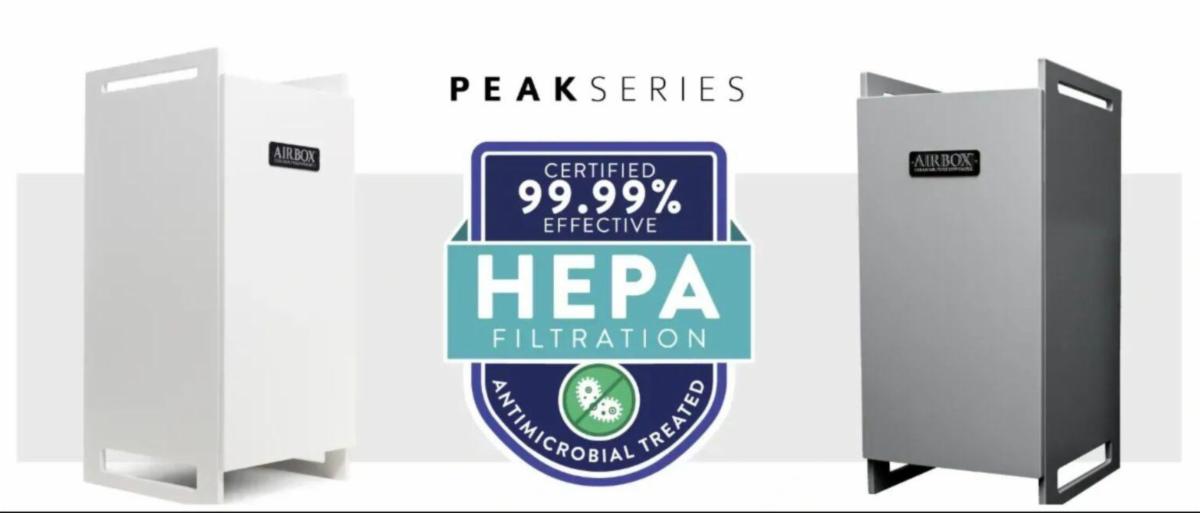
AIRBOX is the ONLY HEPA Approved Air Purification System on the State of Louisiana Contract List |
|
NOVEMBER 1, 2022 - Airbox is pleased to announce that it has received official notification from the Louisiana Office of State Procurement (OSP) that its Airbox BN Air Purification Systems has been placed on the state's approved contract list.
AirBox is America’s top provider of commercial-grade safe air solutions. With a range of commercial air purifier options designed by the leader in cleanroom technology, AirBox has the experience to create safe air solutions for any kind of commercial space.
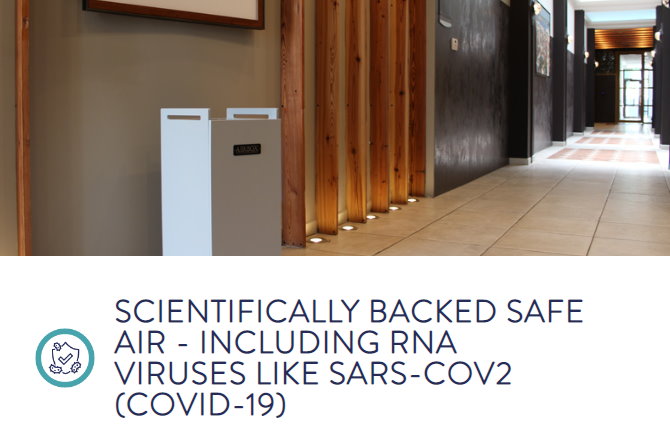
Our commercial HEPA filters have been proven via third-party bioaerosol testing to remove >99.99% of all particles, including SARS-COV-2 (COVID-19).
According to the US Centers for Disease Control and Prevention (CDC), tiny airborne particles lingering in the air can contain bacteria, viruses, and other pathogens that spread diseases like SARS-CoV-2 (COVID-19).
The Environmental Protection Agency (EPA) estimates that the indoor air we breathe contains two to five times more pollutants than outdoor air — things like allergens, odors, chemicals, dust, and dander as well as disease-spreading pathogens.
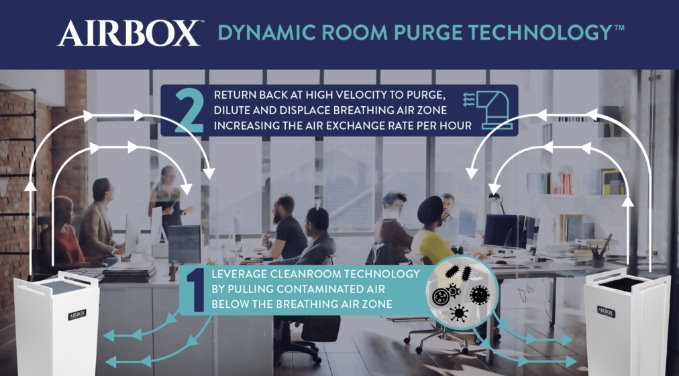
Clean air technologies can be deployed to circulate and filter the indoor air we breathe, disrupting, displacing, and removing airborne particulates from the breathing zone.
AirBox, founded by a leader in cleanroom technology, has solved the problem of how to clean air efficiently and reliably in commercial and educational spaces, providing safe air solutions based on proven scientific research. AirBox air purifiers use certified HEPA air filtration to mitigate the spread of airborne pathogens effectively, regardless of composition.
Our commercial HEPA filters have been proven via third-party bioaerosol testing to remove >99.99% of all particles, including SARS-COV-2 (COVID-19).
|
|
The Science Is Behind Us:
More Reasons To Choose Airbox
|
|
- Our products are FDA-compliant for use during COVID-19.
- Our products have completed independent lab testing resulting in 99.99% (4-log reduction) efficiency at removing viruses, pathogens, and harmful particles.
- Our products are manufactured in an EPA-registered establishment.
- Our solutions use HEPA filtration certified by the Institute of Environmental Science and Technology (IEST).
- Our products are UL-listed, meeting critical product compliance and safety requirements.
- Our products provide high-capacity airflow ranging from 375 CFM to 1500 CFM, exceeding ASHRAE recommendations for indoor air exchange rates of standard room ventilation systems.
- As Indoor Air Quality Experts we can provide engineering support employing Computational Fluid Dynamics (CFD) to model Room Airflow Dynamics and work alongside our HVAC partners to ensure proper testing & balancing to ensure clean air is sweeping through the area.
|
|
Safe Air At Your School:
Students And Staff Can Breathe Easier
|
|
Now more than ever, providing safe air for students, faculty, and staff is critical for educational environments — from early childhood to K-12 schools to higher education. And AirBox is here to do just that.
We’ll put together a Safe Air Plan that’s engineered for your facilities and guaranteed to improve your indoor air quality (IAQ), helping to prevent the spread of airborne infections like COVID-19.
AirBox air purifiers work to keep kids and teachers safe from not only COVID, but also the flu, colds, and asthma concerns. Our controlled ventilation cleans the air, removing things such as bacteria and mold.
Safer air leads to fewer sick days, higher test scores, and increased cognitive brain function. Our air purifiers mitigate the risk of all airborne disease transmission, allowing kids to breathe in clean air to create the long-term healthy life they deserve.
You want to protect the halls of learning for your students and staff because you believe the best education happens in person. You also want to give peace of mind to parents and visitors. If you’re ready to be proactive about your school’s air quality, our team can begin building your Safe Air Plan today, showing you exactly how to implement AirBox air purifiers for schools so that you gain clean, safe air throughout your facilities.
|
|
Start Your Safe Air Plan Now! |
|
Our team at SylvainSolutions.com is eager to start building your custom Safe Air Plan, which will show you exactly what to do to ensure safe, reliable air throughout your facility or campus. But before we can get started, we need a little information from you. This information simply allows us to prepare for an initial call with you or your team so we can get your Safe Air Plan built as quickly as possible.
Please send us a note at Vincent@SylvainSolution.com expressing your interest in learning more about Airbox as well as a little information on the nature of the space you are trying to address. We thank you for your interest and consideration.
Vincent T. Sylvain
Airbox Distributor
|
|
Investing in indoor air quality improvements in schools will reduce COVID transmission and help students learn |
|
Patricia Fabian, Associate Professor of Environmental Health, Boston University
Jonathan Levy, Professor and Chair, Department of Environmental Health, Boston University
|
|
Fall 2022 marks the start of the fourth school year affected by the COVID-19 pandemic, which has spotlighted the importance of indoor air quality in schools. Ideally, all school buildings would have adequate ventilation, filtered air in each classroom and windows that open. Sadly, this is not the case – and indoor air quality in many schools is poor as a result. This is especially problematic in the wake of the U.S. Centers for Disease Control and Prevention’s August 2022 COVID-19 guidance for schools, which scales back other measures for limiting transmission, such as masking, testing and quarantining.
Beyond minimizing COVID-19 transmission, indoor air quality also matters for student academic performance. This is especially important given the learning losses that many children experienced in the first two years of the pandemic. Hot, stuffy classrooms make it harder for students to learn. So do cold classrooms.
Our research focuses on indoor environments and health – an area that has received increased attention during the pandemic, since most COVID-19 transmission occurs through shared air indoors. There is ample evidence that smart investments in school buildings can reduce transmission of infectious disease, while also improving learning and increasing well-being for students, teachers and administrators.
|
|
What can you do to improve the air quality and lower COVID-19 transmission in your school? |
|
by Jennifer Beam Dowd, PhD |
|
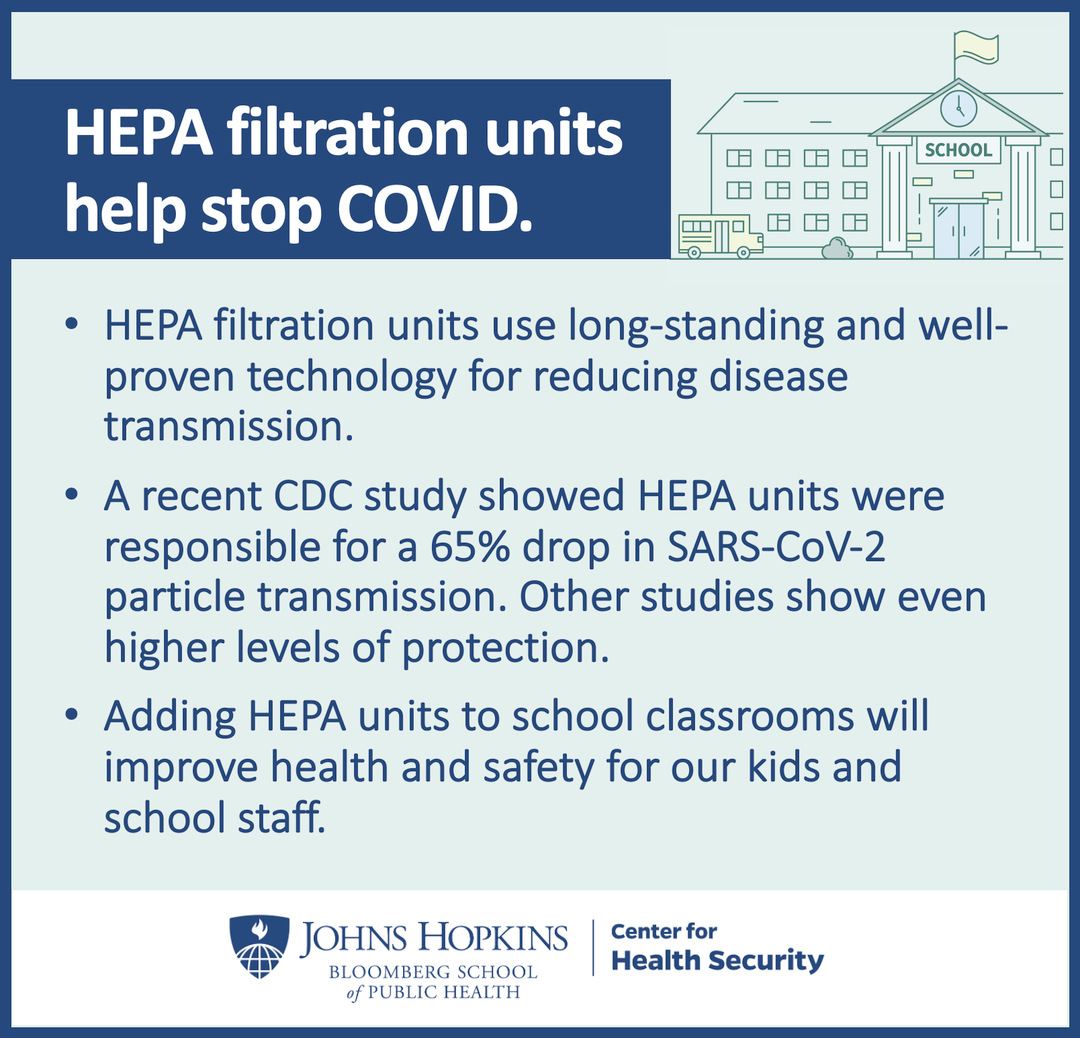
A: HEPA filtration units are one good option.
See below for some helpful guidance put together by Johns Hopkins Bloomberg School of Public Health and Johns Hopkins Center for Health Security:
“Parents are facing hard decisions right now about in-person schooling. They may not know, for instance, that HEPA filtration units help reduce COVID-19 spread in the classroom or that the Johns Hopkins Center for Health Security has released detailed recommendations for improving air in schools.
Ask your child’s school today what they have done to improve air quality and lower risk. If your child’s school is not able to meet updated COVID-19 air filtration guidance (including MERV-13 filters and 6 air changes per hour), urge them to add individual HEPA filtration units to their classrooms. Schools can use their American Rescue Plan funds to help cover these costs.”
|
|
Better air in classrooms matters beyond COVID. Here's why schools aren't there yet |
|
Open windows and portable air cleaners can help improve ventilation, but many schools in the U.S. are more than 45 years old and need a complete overhaul of their HVAC systems.
Michael Loccisano/Getty Images
|
|
by Maria Godoy
Senior Editor/Correspondent, NPR Science Desk
Originally published March 14, 2022
|
|
September 6, 2022 - Not many people can say the pandemic has made their jobs easier. But in some ways, Tracy Enger can.
"You know, it is such a hallelujah moment, absolutely," says Enger, who works at the Environmental Protection Agency's Indoor Environments Division. For more than 25 years, she's been fighting to improve the air quality inside of America's schools.
But there are lots of competing demands for limited school budgets. And in the past, getting school districts to prioritize indoor air quality hasn't been easy. Often, she says, it took some kind of crisis to get schools to focus on the issue – "when they found the mold problem, when their asthma rates were kind of going through the roof."
Then came the COVID-19 pandemic — spread by virus particles that can build up in indoor air and linger, sometimes for hours. Key to clearing out those infectious particles: good ventilation and filtration. For example, one study of Georgia schools linked improved ventilation strategies, combined with HEPA filtration, to a 48% lower rate of COVID.
"It matters more to people right now," says Heming. "COVID is this immediate threat that has made air quality immediately relevant."
That's why she and other indoor air-quality experts say the Biden administration's new National COVID-19 Preparedness Plan is a step in the right direction: It specifically highlights the need to help schools upgrade their ventilation systems for the long term, using funding from the American Rescue Plan Act.
Heming says in the past, it's been hard to make a health case for improving air quality in schools, because the health impacts tend to be longer term. But a whole body of research shows the health and academic benefits are substantial — and go beyond COVID. When a room is better ventilated, influenza rates, asthma attacks and absenteeism go down, reading and math test scores go up. Less carbon dioxide builds up in a room, which helps students think more clearly.
"It's well documented across all different countries and all different ages," says Joseph Allen, director of the Healthy Buildings program at Harvard University. "We see benefits in kindergarteners, we see benefits in high school, we see benefits in college students and middle schoolers — every age group."
Allen says understanding these long-term benefits of upgrading ventilation is vital, "because an investment right now is not just a short-term investment for COVID. If a school does this right, they can expect not only years, but decades of benefits to health beyond reductions in infectious disease transmission."
And experts say those investments are desperately needed, because most U.S. schools are poorly ventilated to begin with. The average American school is over 45 years old, and many have HVAC systems that are outdated or need repairs, according to a 2020 report from the Government Accountability Office. Some schools are so old, they don't even have mechanical ventilation systems.
"I don't think a lot of people recognize that the design standards [that govern ventilation rates in schools and other buildings] are bare minimums. They were never actually set for health," says Allen.
Carl Thurnau knows all too well just how bad deferred school maintenance can get. Several years ago, a classroom ceiling actually collapsed at a school in the City School District of New Rochelle, N.Y. That's when the district recruited Thurnau, an engineer, to become its director of facilities to oversee a $106 million overhaul of buildings — a process that was already funded and in motion when COVID struck. That money meant the school district could quickly pivot to implement ventilation upgrades in response to COVID.
Having funding in place "is why we were able to get ahead of this — and in my opinion, stay ahead," Thurnau says. But "there's no doubt that districts with less financial resources are struggling to find the money to solve some of these problems."
Ventilation and green building experts have been offering schools guidance on how to improve their air quality to reduce COVID risk since the early days of the pandemic, even before the Centers for Disease Control and Prevention acknowledged the virus could spread through the air. Broadly speaking, Allen says, the advice boils down to three major things: increasing the amount of outdoor air in a classroom; using higher-efficiency MERV filters in HVAC systems; and supplementing these measures with portable air cleaners with HEPA filters.
But two years in, it's unclear how many schools have actually made these changes. That information isn't tracked at the federal level, though some reports hint at the challenges schools have faced. What's clear, says Allen, is that while a lot of schools have taken steps to improve ventilation, many others haven't. "Some haven't done the basic measures, the stopgap measures," Allen says.
Heming says schools have been able to tap federal funds for ventilation upgrades since late December 2020, and the American Rescue Plan Act, passed in March 2021, made a lot more money — $122 billion — available to schools for this and other pandemic-related purposes.
So why have many schools been slow to act when it comes to indoor air quality? Last year, the Center for Green Schools published a survey of more than 47 school districts representing 2.5 million students in 24 states. The vast majority of them said they prefer to invest in long-term solutions rooted in revamping or replacing their HVAC systems.
But with so many old and outdated school buildings, Heming says "these strategies that schools need to use require that they do pretty major renovations."
That kind of work takes many months to plan and contract. In many cases, she says, those plans are only being firmed up now. And a recent survey found many school districts are worried that they won't be able to complete the work by a September 2024 deadline under the law, especially because of supply chain issues and labor and material shortages.
Stopgap measures like opening windows or using portable air cleaners really do work to improve indoor air quality, Heming says, but they can only take schools so far. For example, open windows aren't realistic when outdoor temperatures are freezing, she says, and in humid regions, they can pull in more humidity, promoting the growth of mold.
|
|
And while many school districts have invested in stand-alone portable air cleaners, they come with their own headaches, says Heming: The units can be disruptively noisy and they need to be stored and maintained over time.
In general, she says, the school districts that were able to move quickest to improve their air ventilation and filtration in response to the pandemic were those that already had money available to upgrade their facilities, and in many cases, they'd already assessed their buildings and knew which ones needed work.
But there are some encouraging signs that more schools may be catching up soon. An analysis released in February by FutureEd, a think tank at Georgetown University, found that school districts already had plans in place to spend about $4.4 billion on HVAC updates, and if trends continue, that could reach nearly $10 billion. Another FutureEd analysis found that high-poverty districts are more likely to plan to use federal funds to upgrade aging ventilation systems.
The EPA's Enger says interest in the agency's guidance on indoor air quality for school has skyrocketed over the last year. "What we are seeing is this moment turning into a movement for improving indoor air quality in schools and creating healthier learning spaces," she says.
Heming says she's also optimistic, but her enthusiasm is tempered. She notes that the $122 billion of American Rescue Plan funds designated for schools has to pay for a host of pandemic-related needs — from hiring more staff to summer school programs — not just ventilation upgrades.
Even if every last dime of the American Rescue Plan funds for schools were spent on facilities, "it's still a big gap between that and what's actually needed," Heming says. A 2021 report found that each year, districts spend $85 billion less than what's needed to get schools into good condition.
------
Maria Godoy is a senior science and health editor and correspondent with NPR News. Her reporting can be heard across NPR's news shows and podcasts. She is also one of the hosts of NPR's Life Kit.
|
|
50 Years of Financing Moments that Frame Freedom |
|
It’s Complicated: Understanding the Complexities of COVID, Motherhood, and Mental Health in the Black Community |
|
By Josephine McNeal, Guest Columnist
New Orleans Agenda
JULY 29, 2022 - Creating life and starting or growing a family can bring pure joy to a woman’s life. It can also be a source of anxiety and hidden fear. In addition to the physical changes that occur during pregnancy and post-delivery, approximately 20% of Black women may experience mental health challenges. Unfortunately, the rates worsened during the COVID-19 pandemic as Black communities, including pregnant women, have been disproportionately impacted by the disease.
The disparity has resurfaced as a pressing issue for both lawmakers and health care providers after multiple bills to combat the crisis were introduced in Congress in 2021. Data also show that Black women continue to face a greater risk of childbirth complications than white women.
Regardless of factors such as lifestyle and socioeconomic status, Black women have historically had higher rates of medical complications, including hypertension and hemorrhaging, poorer practitioner-patient advocacy and communication, and less postpartum mental and physical health care support. These inequities put Black mothers at a higher risk for perinatal and postnatal mood and anxiety disorders (PMADs) such as depression, anxiety, obsessive compulsive disorder, and post-traumatic stress disorder. It is estimated that Black mothers' risks for PMADs is twice that of the general population.
All too often, the insufficient access to quality and culturally sensitive physical and mental health care discourages Black mothers from seeking appropriate prenatal care. There is a direct correlation between higher infant mortality and lower levels of postnatal care for both the mother and baby.
While bringing more awareness to maternal mental health needs has led to various national efforts to improve maternal health care, Black mothers disproportionately face disparities in accessing and receiving appropriate health services. In the United States, Black women are three times more likely to die from childbirth, and Black infants are two times more likely to die before their first birthday.
Available Resources
In addition, health fairs in Black communities are critical for preventive care, such as the Stay Well Health Fairs that are part of the We Can Do This Public Education Campaign. These events provide more accessible health screenings, in-person access to Black healthcare professionals, and COVID-19 testing, vaccinations, and boosters to Black communities, including moms.
Screenings and preventive care, especially for Black women entering motherhood, are valuable for overall health. The Stay Well events are an innovative way to reach the Black community by creating a space for health access and equity where the need is greatest.
“I made the decision to get myself and my children both vaccinated and boosted to protect their health,” said Josette Brown, a mom of two and panelist at the Stay Well Health Fair in Washington, D.C.
The Stay Well Health Fairs take place across the country, and the latest locations can be found here. Stay Well Health Fairs will make stops in Florida and South Carolina in the coming months.
Stay Well Tallahassee | July 23, 2022 | 10am – 2pm
Florida A & M University
2101 Wahnish Way
Tallahassee, Fl 32310
Stay Well Myrtle Beach | August 13, 2022 | 10am - 2pm
Smith Jones Recreation Center
1700 Smith Jones St. Conway, SC 29527
The health screenings offered are just one way to keep Black moms and their loved ones happy and healthy.
------
|
|
Josephine McNeal is a Public Relations Specialist at CMRignite, a strategic communications agency that specializes in developing cause and behavior change marketing for major nonprofits and government agencies. CMRignite, a subcontractor for Fors Marsh Group, works directly on the Health and Human Services’ COVID-19 public education campaign, We Can Do This, a national initiative to increase public confidence in and uptake of COVID-19 vaccines while reinforcing basic prevention measures
|
|
Operational Guidance for K-12 Schools and Early Care and Education Programs to Support Safe In-Person Learning |
|
Center for Disease Control and Prevention, MAY 27, 2022 |
|
Introduction
Schools and early care and education (ECE) programs are an important part of the infrastructure of communities as they provide safe, supportive learning environments for students and children and enable parents and caregivers to be at work. Schools and ECE programs like Head Start also provide critical services that help to mitigate health disparities, such as school lunch programs, and social, physical, behavioral, and mental health services. This guidance can help K-12 school and ECE program administrators support safe, in-person learning for K-12 schools, and keep ECE programs open, while managing the spread of COVID-19. Based on the COVID-19 Community Levels, this guidance provides flexibility so schools and ECE programs can adapt to changing local situations, including periods of increased community health impacts from COVID-19.
K-12 schools and ECE programs (e.g., center-based child care, family child care, Head Start, or other early learning, early intervention and preschool/pre-kindergarten programs delivered in schools, homes, or other settings) should put in place a core set of infectious disease prevention strategies as part of their normal operations. The addition and layering of COVID-19-specific prevention strategies should be tied to COVID-19 Community Levels. This CDC guidance is meant to supplement—not replace—any federal, state, tribal, local, or territorial health and safety laws, rules, and regulations with which schools and ECE programs must comply.
Schools and ECE programs play critical roles in promoting equity in learning and health, particularly for groups disproportionately affected by COVID-19. People living in rural areas, people with disabilities, immigrants, and people who identify as American Indian/Alaska Native, Black or African American, and Hispanic or Latino have been disproportionately affected by COVID-19. These disparities have also emerged among children. School and ECE administrators and public health officials can promote equity in learning and health by demonstrating to families, teachers, and staff that comprehensive prevention strategies are in place to keep students, staff, families, and school communities safe and provide supportive environments for in-person learning.
Though this guidance is written for COVID-19 prevention, many of the layered prevention strategies described in this guidance can help prevent the spread of other infectious diseases, such as influenza (flu), respiratory syncytial virus (RSV), and norovirus, and support healthy learning environments for all. The next section describes everyday preventive actions that schools and ECE programs can take.
|
|
For more information on CDC COVID-19 Community Levels, visit:
|
|
Strategies for Everyday Operations
Schools and ECE programs can take a variety of actions every day to prevent the spread of infectious diseases, including the virus that causes COVID-19. The following set of strategies for everyday operations should be in place at all COVID-19 Community Levels, including low levels.
Staying Up To Date on Vaccinations
Staying up to date on routine vaccinations is essential to prevent illness from many different infections. Vaccines reduce the risk of infection by working with the body’s natural defenses to help safely develop immunity to disease. For COVID-19, staying up to date with COVID-19 vaccinations is the leading public health strategy to prevent severe disease. Not only does it provide individual-level protection, but high vaccination coverage reduces the burden of COVID-19 on people, schools, healthcare systems, communities, and individuals who are not vaccinated or may not develop a strong immune response from the vaccines. Schools, ECE programs, and health departments can promote vaccination in many ways:
- Provide information about COVID-19 vaccines and other recommended vaccines taking into account the needs of persons with limited English proficiency who require language services, and individuals with disabilities who require accessible formats.
- Encourage evidence-based trust and confidence in vaccines.
- Establish supportive policies and practices that make getting vaccinated easy and convenient, for example a workplace vaccination program or providing paid time off for individuals to get vaccinated or assist family members receiving vaccinations.
- Make vaccinations available on-site by hosting school-located vaccination clinics, or connect eligible children, students, teachers, staff, and families to off-site vaccination locations.
Staying Home When Sick
People with symptoms of infectious diseases, including COVID-19, influenza, respiratory syncytial virus (RSV), and gastrointestinal infections should stay home and get tested for COVID-19. People who are at risk for getting very sick with COVID-19 who test positive should consult with a healthcare provider right away for possible treatment, even if their symptoms are mild. Staying home when sick can lower the risk of spreading infectious diseases, including the virus that causes COVID-19, to other people. For more information on staying home when sick with COVID-19, including recommendations for mask use for people experiencing symptoms consistent with COVID-19, see Quarantine and Isolation.
In accordance with applicable laws and regulations, schools and ECE programs should allow flexible, non-punitive, and supportive paid sick leave policies and practices. These policies should encourage sick workers to stay home without fear of retaliation, loss of pay, loss of employment, or other negative impacts. Schools should also provide excused absences for students who are sick, avoid policies that incentivize coming to school while sick, and support children who are learning at home if they are sick or in quarantine. Schools and ECE programs should ensure that employees are aware of and understand these policies and avoid language that penalizes or stigmatizes staying home when sick.
|
|
Hand Hygiene and Respiratory Etiquette
Washing hands can prevent the spread of infectious diseases. Schools and ECE programs should teach and reinforce proper handwashing to lower the risk of spreading viruses, including the virus that causes COVID-19. Schools and ECE programs should monitor and reinforce these behaviors, especially during key times in the day (for example, before and after eating and after recess) and should also provide adequate handwashing supplies, including soap and water. If washing hands is not possible, schools and ECE programs should provide hand sanitizer containing at least 60% alcohol. Hand sanitizers should be stored up, away, and out of sight of younger children and should be used only with adult supervision for children ages 5 years and younger.
Schools and ECE programs should teach and reinforce covering coughs and sneezes to help keep individuals from getting and spreading infectious diseases, including COVID-19.
Cleaning and Disinfection
Schools and ECE programs should clean surfaces at least once a day to reduce the risk of germs spreading by touching surfaces. If a facility has had a sick person or someone who tested positive for COVID-19 within the last 24 hours, the space should be cleaned and disinfected. For more information, see Cleaning and Disinfecting Your Facility. Additionally, ECE programs should follow recommended procedures for cleaning, sanitizing, and disinfection in their setting such as after diapering, feeding, and exposure to bodily fluids. See Caring for Our Children... |
|
"State of The Air" Report Finds People of Color are 61% More Likely to Live in Areas With Poor Air Quality |
|
NATIONWIDE - The 2022 “State of the Air” report, released earlier this month by the American Lung Association, finds that despite progress, an unacceptable number of Americans are still living in areas with poor air quality that could impact their health. Nearly 9 million more Americans are affected by deadly particle pollution than last year’s report; and the burden of air pollution is unevenly shared as communities of color continue to be disproportionately exposed to unhealthy air.
The Lung Association’s 23rd annual air quality “report card” tracks and grades Americans’ exposure to unhealthy levels of short-term spikes in particle pollution (also known as soot), annual particle pollution, and ground-level ozone air pollution (also known as smog) over a three-year period.
“This year’s ‘State of the Air’ report shows an alarming number of people are living in areas with poor air quality that could impact their health. As a pulmonologist living in Southern California, I see first-hand the impacts of air pollution, and specifically particle pollution from wildfires, on my patients,” said Cedric "Jamie" Rutland, M.D., national volunteer medical spokesperson for the American Lung Association. “In addition, communities of color are disproportionately exposed to unhealthy air. The report found that people of color were 61% more likely than white people to live in a county with a failing grade for at least one pollutant, and 3.6 times as likely to live in a county with a failing grade for all three pollutants, which means more asthma that can be life-threatening in children and adults.”
The report continues to show long-term improvement in the nation’s air quality thanks to decades of work to reduce emissions. However, this has been partially offset by the negative impacts of hotter, drier conditions caused by climate change. Wildfires in the western U.S. were responsible for a sharp rise in particle pollution spikes in several states. Overall, the report finds that 2.1 million more Americans live in counties with unhealthy air than in last year’s report, and exposure to deadly particle pollution has worsened. And people of color are also more likely to be living with one or more chronic conditions that make them more vulnerable to the health impact of air pollution, including asthma, diabetes, and heart disease.
For the first time, the 2022 “State of the Air” report lists pregnant people as a population at high risk for health impacts from air pollution. More than 1.5 million pregnancies were recorded in 2020 in counties that received at least one F for particle pollution. Of those, 210,000 were in counties that received failing grades for all three measures. Adverse impacts from air pollution have been shown both for those who are pregnant as well as for the developing fetus. Exposure to both ozone and particle pollution during pregnancy is strongly associated with premature birth, low birth weight, and stillbirth. These risks are amplified in pregnancies where the mother is already at higher risk, such as in people of color and those with chronic conditions, especially asthma.
The addition of 2020 data to the 2022 “State of the Air” report gives a first look at air quality trends during the COVID-19 pandemic. Regardless of the shutdowns in early 2020, there was no obvious improvement. It found more days with “very unhealthy” and “hazardous” air quality than ever before in the two-decade history of this report.
The American Lung Association calls on the Biden administration to strengthen the national limits on short-term and year-round particulate matter air pollution. Stronger standards will educate the public about air pollution levels that threaten their health and drive the cleanup of polluting sources in communities across the country. The full report covers 2018-2020 and is available at Lung.org/SOTA. |
|
About the American Lung Association
The American Lung Association is the leading organization working to save lives by improving lung health and preventing lung disease through education, advocacy and research. The work of the Ameri-can Lung Association is focused on four strategic imperatives: to defeat lung cancer; to champion clean air for all; to improve the quality of life for those with lung disease and their families; and to create a tobacco-free future. For more information about the American Lung Association, a holder of the coveted 4-star rating from Charity Navigator and a Gold-Level GuideStar Member, or to support the work it does, call 1-800-LUNGUSA (1-800-586-4872) or visit Lung.org. |
|
Apply for an account online
At Liberty Bank, we're passionate about helping more people achieve more freedom.
There's real freedom here-the freedom you have as an individual to attain your goals, as a business to achieve your idea of success or even as a community that is gathering strength to reach its full potential.
By investing in the development of personal goals, business objectives and communities, we're making a difference by making the word "bank" a verb rather than a noun, using our resources to get things done.
We work hard. Play hard. Invest where our heart lives. And pursue freedom for all.
Trust Liberty Bank. There's freedom here.
|
|
The National Urban League
The mission of the National Urban League movement is to enable African Americans to secure economic self-reliance, parity, power and civil rights.
|
|
Marc H. Morial, President & CEO |
|
EXCELLENCE INNOVATION RESPONSIVENESS
Metro Service Group, located in New Orleans, Louisiana is a multi-faceted corporation with specific expertise and certifications in the areas of Environmental Services, Construction/Demolition and Disaster Response and Recovery. Metro Service Group is a licensed Contractor, certified in Building Construction; Heavy Construction; Highway, Street and Bridge Construction; Municipal and Public Works Construction and Solid Waste Management.
|
|
Stephanie Jordan
"Lady Jazz!"
"Every so often a new voice stands up and proclaims itself, but few do so
with such supreme depth and understated soul."
- Ted Panken, Jazz at Lincoln Center Playbill
|
|
Jazz Vocalist Stephanie Jordan is a proud user of Audix Microphones!
Available for Bookings:
Vincent Sylvain
504-232-3499
Vincent@SylvainSolutions.com
|
|
Pick It Up New Orleans!
An Anti-Litter Campaign by
The New Orleans Agenda and Metro Service Group
|
|
Your Alternative Newsletter - News, Arts, Culture & Entertainment |
|
Newswire Service
The New Orleans Agenda newsletter is the leading local alternative for information on New Orleans and the Gulf Coast Region. A provider of turnkey Web-Based Internet Marketing Services, we specialize in servicing community and faith-based entities, corporate and professional organizations, and arts & cultural interest events.
The New Orleans Agenda newsletter has received more than 12 Million Page Views!
Let us introduce you to our audience.
#TheNewOrleansAgenda
|
|
Public Relations
The Internet has fundamentally changed the way we do business with our customers. As such, 21st Century promotion requires a balance of e-technology with the art of persuasion. Using years of Web experience; the latest best-practice approaches; a responsive support system; and a proven database; market share is optimized.
We implement creative customized communication campaigns designed to impact our clients' specific goals. We have a history which is unmatched and unparalleled! Let us introduce you to our audience.
Vincent T. Sylvain, President
The New Orleans Agenda
Expert Solutions for Your Communication Needs!
|
|
Opinions expressed on this mailing are not necessarily the views of The New Orleans Agenda, POLICAMP, Inc., or Vincent Sylvain unless explicitly stated.
Copyright © 2015. All Rights Reserved.
|
|
The New Orleans Agenda | 5627 Paris Avenue, New Orleans, LA 70122 |
Email: Vincent@SylvainSolutions.com
|
|
|
|
|
|
|