|
Address
212 N Weigle Ave
Watonga, OK 73772
Phone
(580) 623-5195
Email
Hagen Puentes
hagen.puentes@okstate.edu
Social Media
Facebook:
Blaine County OSU Extension
|
Ag News
June 2026 Edition
| |  |
Selecting the Right Calving Season
for Your Ranch
David Lalman, Oklahoma State University Extension Beef Cattle Nutrition Specialist
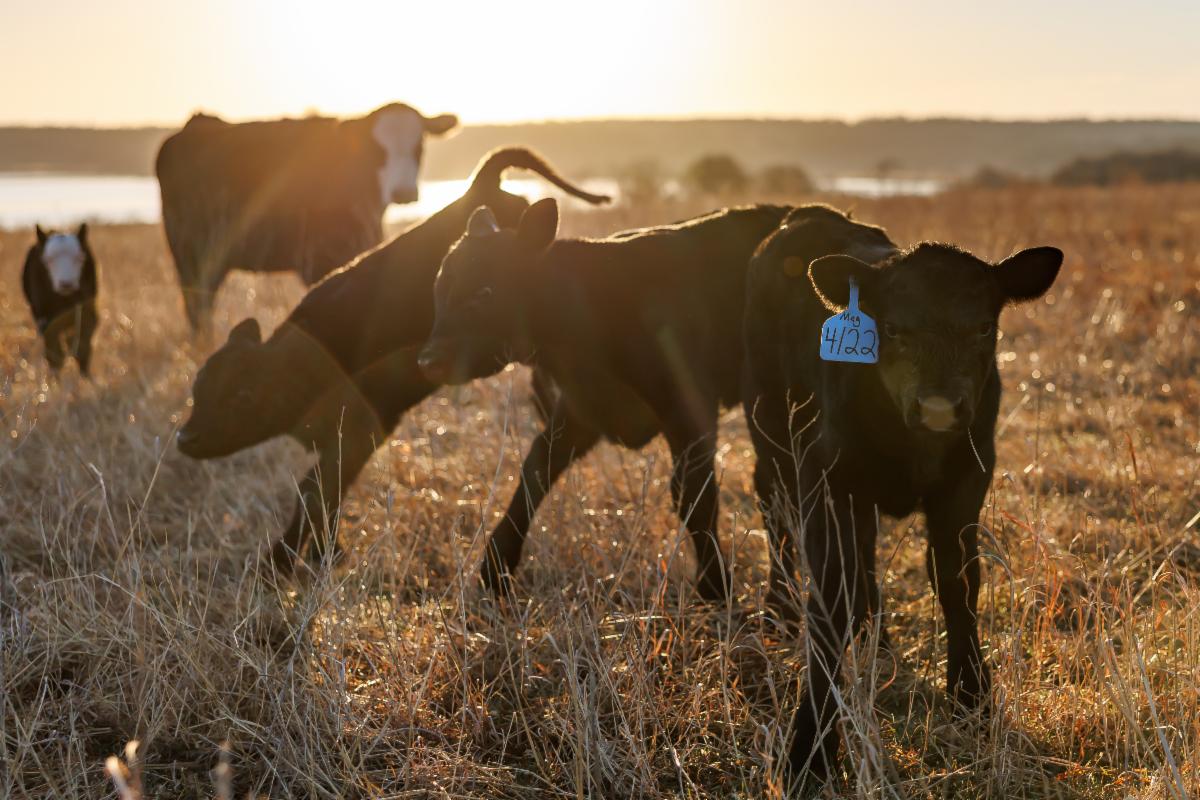
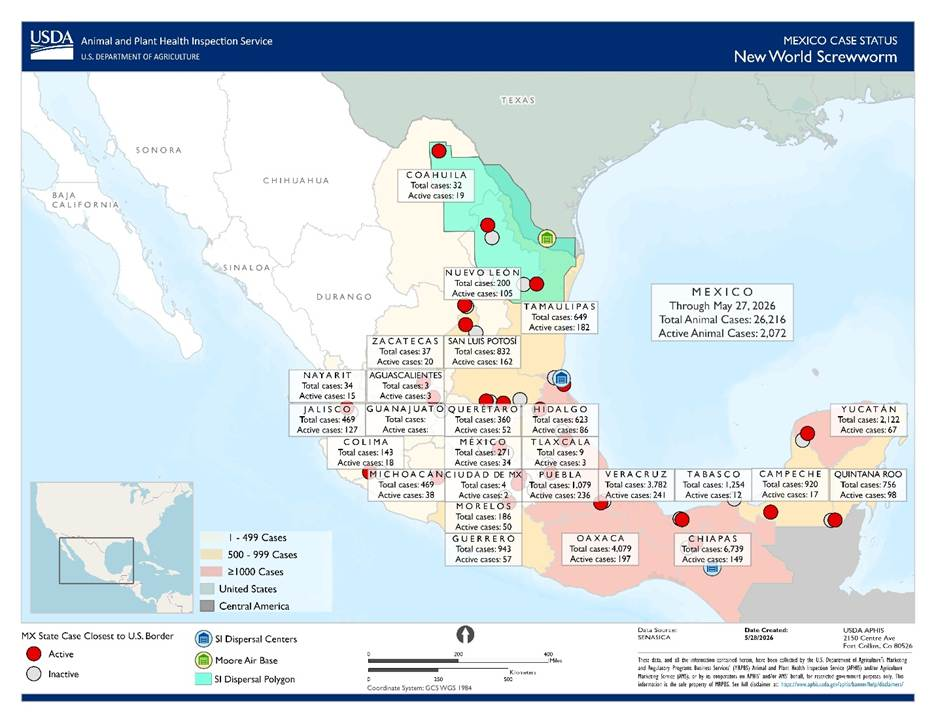
| One of the most important management decisions in a cow/calf operation is determining when cows should calve. Yet, there is no single “best” calving season for every ranch. | | | Resources Available for New World Screwworm Information | | Paul Beck, Oklahoma State Beef Cattle Nutrition Specialist | |
U.S. Beef Packing Industry Structure
Derrell S. Peel, Oklahoma State University Extension Livestock Marketing Specialist
| In 2025, total cattle slaughter was 29.252 million head, down 6.4 percent year over year and down 13.1 percent from the recent cyclical peak in 2022. Cattle slaughter in 2025 was at the lowest level since 2015. | | |
Evolving Thoughts on Summer Mineral Intake
Dana Zook, NW OK Area
Livestock Specialist
| I would say, “Summer’s here!” but as I write this article on May 6th, morning temps were barely 50 degrees. I’m in my flannel shirt this morning but pushing back on the unseasonably cold temperatures to write about a summer topic dealing with mineral intake. | |
Cow-Calf Corner: The key to stronger bermudagrass starts with nitrogen
Nitrogen management plays a critical role in bermudagrass pasture productivity. In this segment, Mark Johnson explains how cattle producers can make the most of their fertilizer applications for stronger forage performance.
| | | |
From Classroom to Cab: Youth Explore Tractor Training
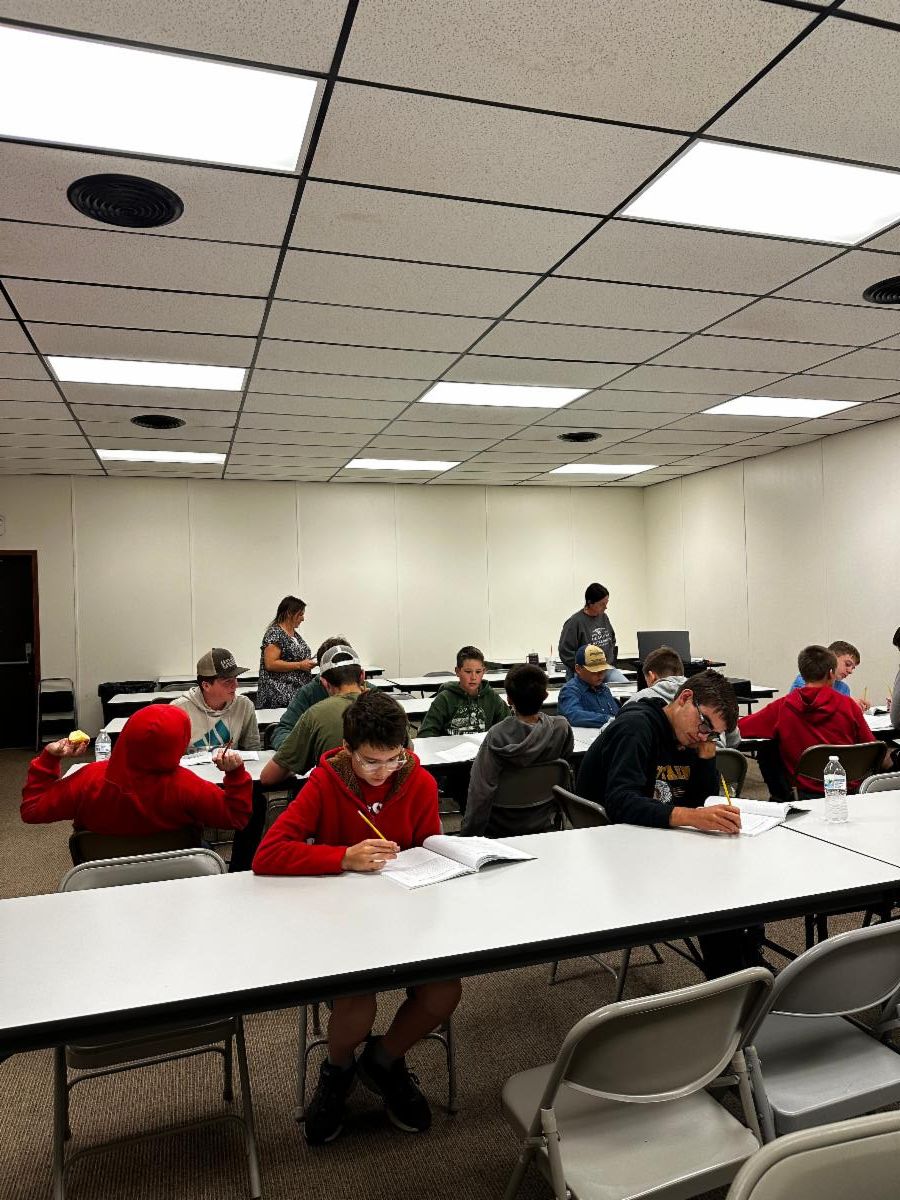
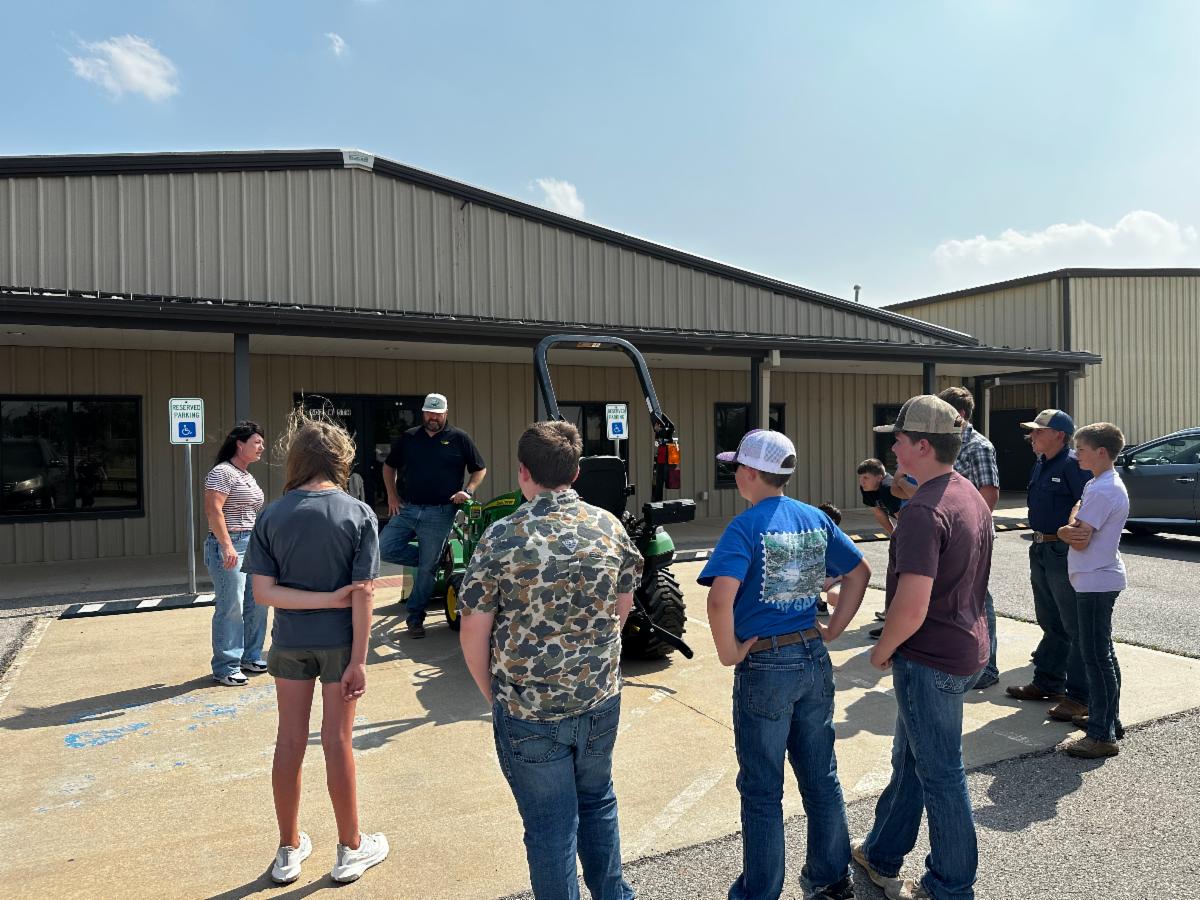
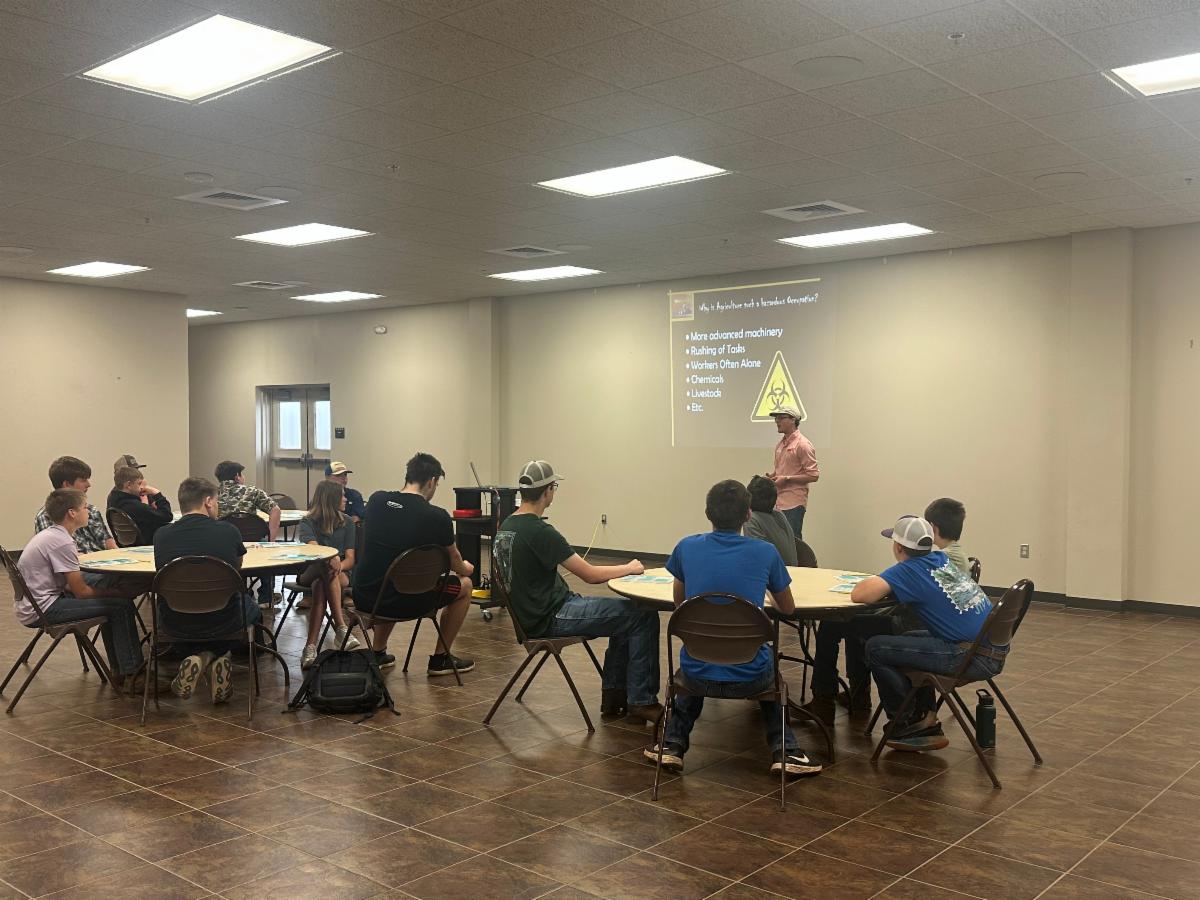
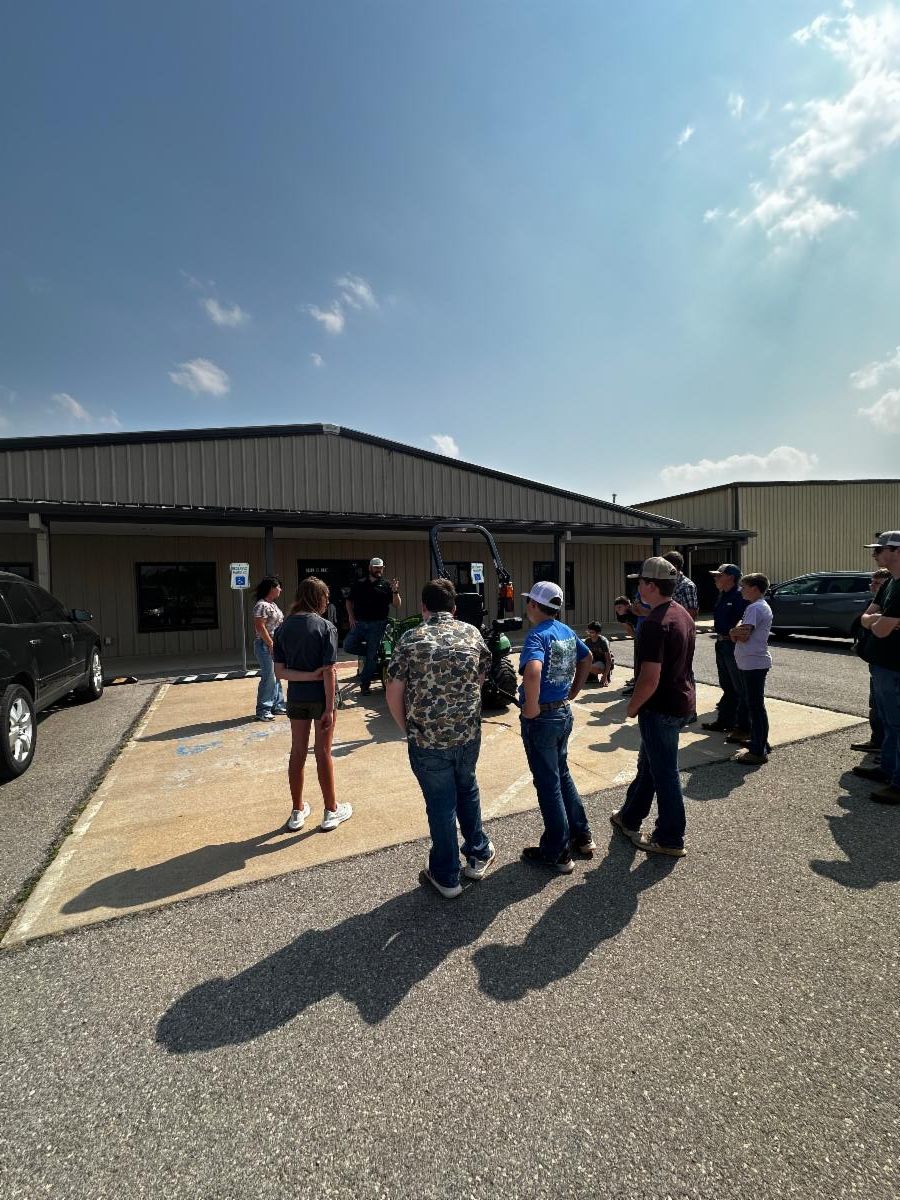
Agriculture and 4-H Educator Hagen Puentes traveled to Alfalfa County to assist in teaching a Tractor Certification course for youth ages 14 and older. This certification is required for youth who plan to operate heavy machinery under employment for anyone other than their parents, making it an important step for those entering the agricultural workforce.
A total of 14 students participated in the training. Throughout the course, they received instruction on essential tractor safety practices, proper operation, and the responsibilities that come with handling large equipment. Emphasis was placed on real-world scenarios to ensure participants understand both the risks and best practices associated with tractor use.
To complete the course, each student was required to pass both a written exam and a hands-on skills assessment. These evaluations ensured that participants not only understood the material but could also safely and effectively apply what they learned in a practical setting.
This training helps equip local youth with the knowledge and certification needed to work safely and confidently in agricultural operations, supporting both workforce readiness and farm safety in our communities.
| | |
June Ag Insights
Navigating a Challenging Season in Oklahoma Agriculture
| | |
Oklahoma producers are facing a season defined by drought, rising input costs, and uneven crop conditions—but also opportunities for proactive management and planning.
This month’s Ag Insights brings timely updates on wheat harvest progress, forage production trends, cattle market pressures, and emerging livestock health concerns. From managing pests and weeds in a short wheat crop to adjusting grazing strategies and protecting herd health, these expert insights from OSU Extension can help you make informed decisions as summer begins.
| | | |
|
Winterkill Is More Than Just Cold Temperatures
Mingying Xiang, PhD, Professor of Turfgrass Science / Turf Extension Specialist and Dennis Martin, PhD, Professor of Turfgrass Science / Turf Extension Specialist
At this time of year, county Extension offices often receive questions about brown turf areas that have not greened up, and many homeowners begin to wonder what happened to their lawns.
| | |
Is Storing Wheat Profitable
Alberto Amador, West Area Ag
Economics Specialist
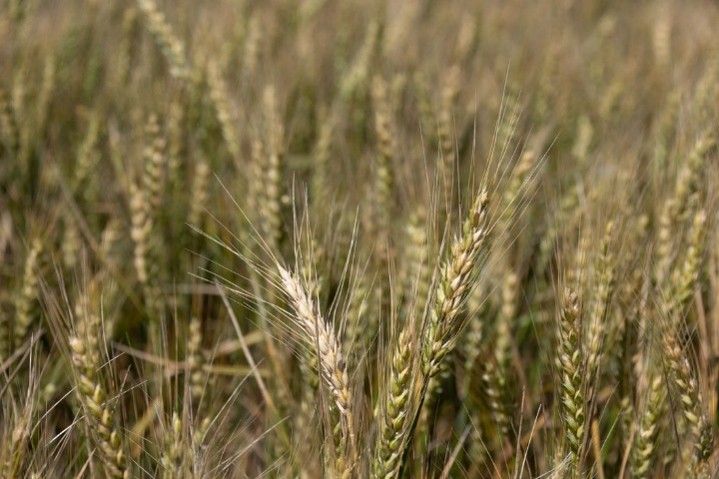
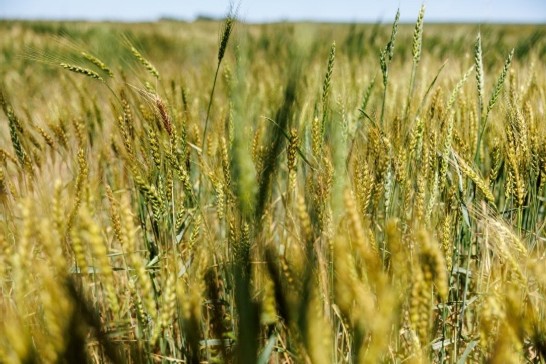
A mandatory question for someone without a wheat contract is: “Should I store or sell my wheat?” Without forward commitment, everyone is looking for the most profitable deal.
| | |
Garden Tips for Mid to Late-May
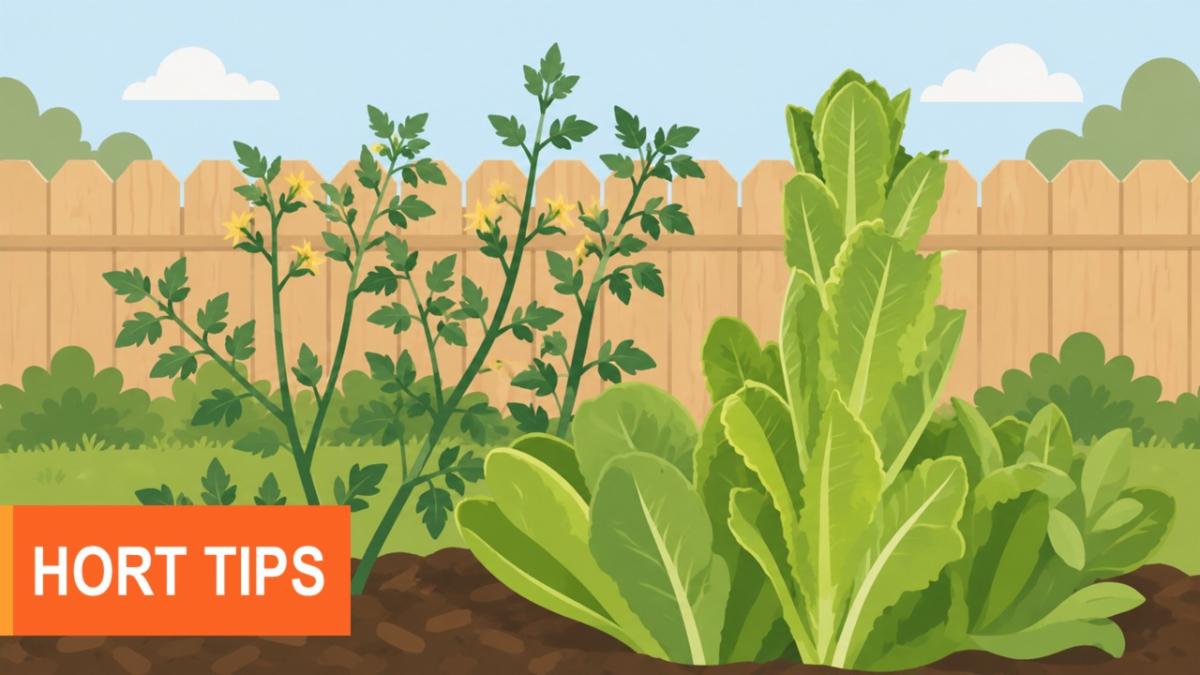
As we move into warmer days, it’s the perfect time to transition your landscape and garden for summer success. Key reminders include planting warm-season vegetables like peppers, cucumbers, and melons, setting out summer annuals and bulbs, and ensuring newly planted trees and shrubs stay well-watered.
| | |
Gardeners should also stay alert for common insect pests such as bagworms, lace bugs, and spider mites, and continue monitoring plant health to catch issues early.
For lawns, May is an important month for fertilizing both cool- and warm-season grasses, seeding warm-season varieties, and watching for early signs of disease or weeds like nutsedge.
Consistent irrigation, proper spacing of plants, and ongoing maintenance will help your garden and landscape thrive as temperatures rise.
Click below to read the full article for detailed tips and expert guidance.
| | | |
|
Dates to Remember:
June 19: Juneteenth, Blaine County Courthouse and Extension Office Closed
June 21: Father's Day
July 3: 4th of July Holiday (observed), Blaine County Courthouse and Extension Office Closed
| | |
Persons with disabilities who require alternative means for communication or program information or reasonable accommodation need to contact Hagen Puentes at (580) 623-5195 or hagen.puentes@okstate.edu at least two weeks prior to the event.
OSU is an Equal Employment Opportunity, E-Verify Employer.
| | |
| |
Blaine County OSU Extension
Courthouse Basement
212 N Weigle Ave.
Watonga, OK 73772
(580) 623-5195
| | | | |