Caption: Family traditions are important because they provide opportunities for parents and children to interact, and they help create lasting memories for all family members. (Photo by Adobe Stock Images) |
Why family rituals are important
Family rituals are more than activities families do regularly. They are special routines, events or traditions that share meaning for the whole family. Rituals can be simple or elaborate, planned or spontaneous, and may occur daily, weekly or annually. What makes an activity a ritual is the meaning attached to it and the sense that it is important and distinctive to the family.
Family rituals provide valuable opportunities for parents and children to interact, communicate and spend meaningful time together, said Jana Payne, Oklahoma State University Extension program coordinator.
“Whether sharing a family meal, reading before bedtime, taking an annual vacation or celebrating a birthday in a special way, these traditions can deepen relationships and create lasting memories,” she said.
Rituals also reflect a family’s culture, history, beliefs and values. They communicate what family members consider important and can help pass those values from one generation to the next. Some traditions preserve cultural or religious practices or teach children about their family’s history. Others become meaningful through repeated participation. Even small or seemingly silly traditions can help create a family’s unique sense of identity.
Family rituals can take many forms, including family meals, bedtime routines, weekend activities, vacations, holiday celebrations, religious practices, cultural traditions and family reading and recreation. Families may also establish traditions around important milestones or create their own unique routines. Over time, these experiences build a shared family history and reinforce a sense of belonging.
“Family rituals give children opportunities to practice important relationship skills in a safe and familiar environment,” Payne said. “Through regular interactions with family members, children can learn to talk and listen, share, cooperate, express emotions, resolve minor disagreements and give and receive support. Family rituals provide repeated opportunities for children to feel listened to, included, supported, respected and valued.”
Parents can strengthen a child’s sense of belonging with rituals. Participating in shared traditions creates memories and a sense of “we.” It communicates that children are important members of the family and have a meaningful place within it. Celebrating a child's birthday, for example, is about more than the occasion itself; it sends a message that the child is valued and worthy of celebration.
Meaningful family rituals should remain important as children grow older. Payne said that although adolescents naturally become more independent and increasingly turn to peers for social support, family relationships continue to matter.
It’s easy for family life to become centered on schedules, responsibilities, work, school and household management.
“Rituals create intentional opportunities to pause those demands and prioritize connection,” Payne said. “When traditions feel meaningful rather than burdensome, they can provide parents with a sense of purpose, enjoyment and connection.”
Shared rituals can strengthen relationships by fostering togetherness and reinforcing a shared identity. They can also provide stability, continuity and emotional support during stressful or uncertain times, reminding family members that they belong to and support one another.
“It’s important to remember that rituals can change as families change,” she said. “The value comes from the meaning and connection that rituals create, not from following a tradition perfectly. Adapting a tradition does not mean losing its meaning.”
Also, keep in mind that traditions don’t have to be elaborate or expensive for the family to benefit. A short, predictable activity that family members genuinely enjoy can be just as meaningful as a large annual celebration.
“There is no such thing as a perfect family ritual,” Payne said. “What matters most is creating opportunities for family members to connect, communicate, feel valued and reinforce what is important to their family. Ordinary moments can become meaningful traditions when families intentionally make them their own.”
| | Blaine County Fair Sees Growth, Community Spirit, and Excitement for the Future | | |
The 2026 Blaine County Fair, held August 28-29, brought together families, exhibitors, vendors, and community members for two days of fun, friendly competition, and celebration. This year's fair saw a noticeable increase in attendance and participation, demonstrating that the Blaine County Fair continues to be a valued tradition and an important showcase of local talent and community pride.
One of the highlights of this year's fair was the tremendous growth in exhibit entries. Through fair workshops offered earlier in the year and increased promotion throughout the county, more residents than ever chose to share their talents and creativity through exhibits. From crafts and photography to agriculture and 4-H/FFA projects, the exhibit halls were filled with an impressive display of skills and accomplishments.
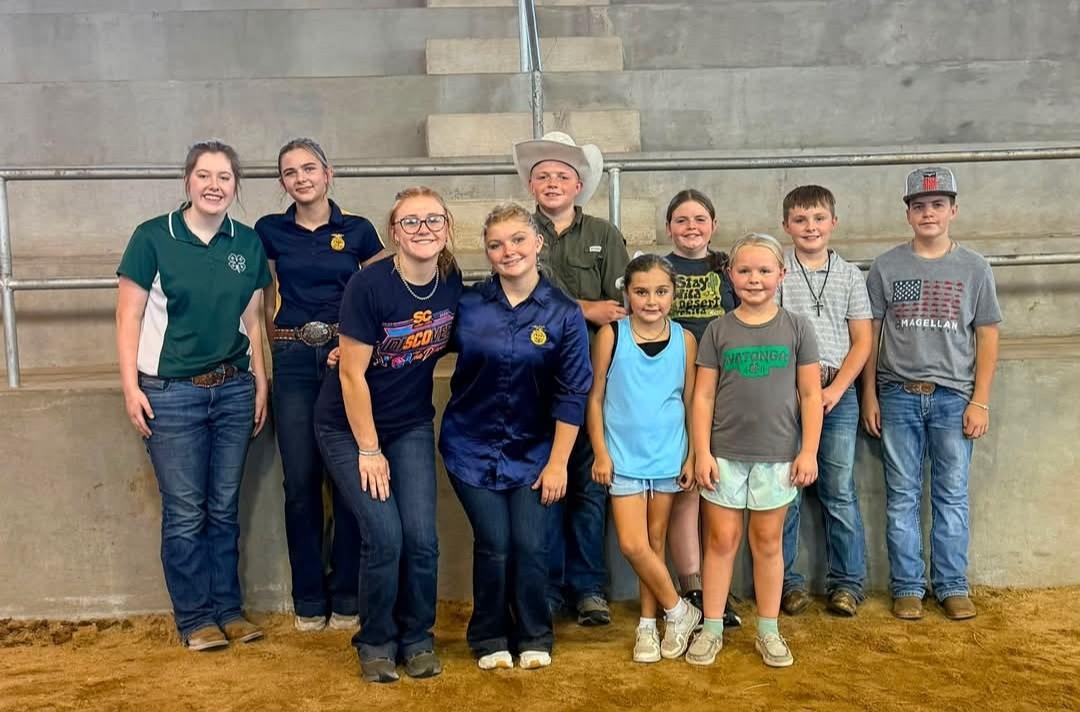
Blaine County 4-H members were especially successful this year, with 38 exhibits earning the opportunity to advance to the Oklahoma State Fair. This achievement reflects the dedication and hard work of our local youth and the support they receive from their families, volunteers, and club leaders throughout the year.
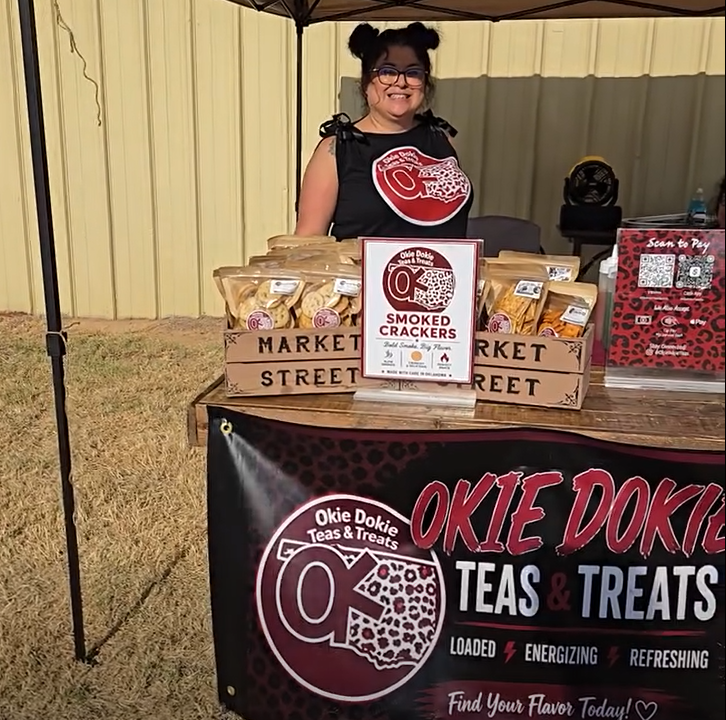
The fairgrounds were also buzzing with activity thanks to the participation of 20 commercial booth vendors, offering visitors opportunities to shop, learn about local businesses and organizations, and connect with community resources. Food vendors helped keep fairgoers fueled with delicious treats throughout the event, including favorites from Brews with Drews, Okie Dokie Teas & Treats, Sipn' Treats, and Shaved Ice on Wheels and Concessions.
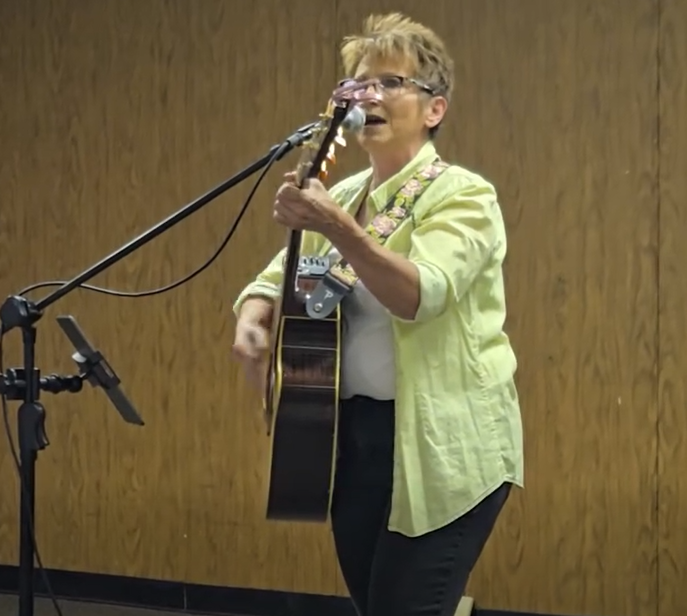
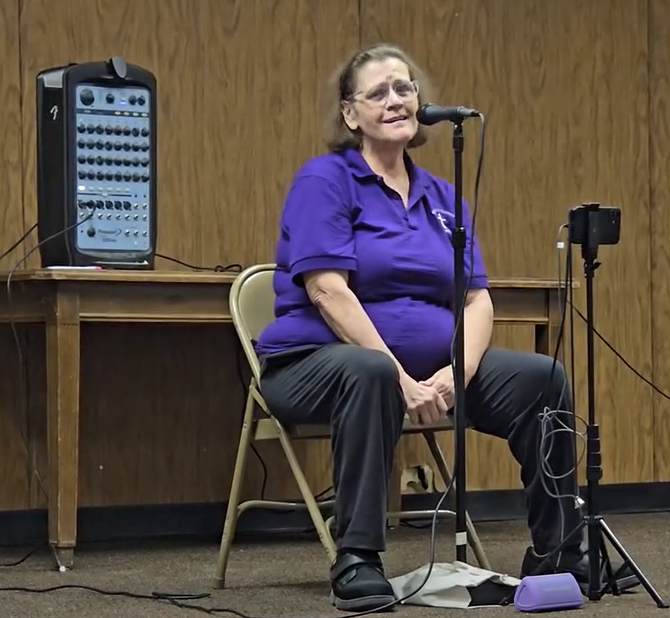
Families enjoyed plenty of entertainment as well. Leslie McElroy of Fancy Faces Face Painting delighted children with colorful and creative face-painting designs, transforming young fairgoers in creative imagination. Live entertainment was also a big draw with singers Ashley Crews, Sharon Cochran, and Katie Ballew.
The increased participation and enthusiasm seen throughout this year's fair have organizers excited about what's ahead. Planning has already begun for next year, and several new family-friendly activities are being explored, including a possible eating contest, a Little Tikes bicycle obstacle course, a pet parade, and other interactive attractions designed to make the fair even more memorable.
The success of the Blaine County Fair is driven by community involvement. Every exhibit entered, booth reserved, volunteer hour given, and family that attends helps strengthen and grow this longstanding tradition. As participation continues to increase, so does the opportunity to create an even bigger and better event for everyone.
The Blaine County Fair Board would like to thank all exhibitors, sponsors, vendors, volunteers, entertainers, and attendees who contributed to this year's success. We are excited to build on this momentum and invite everyone to join us again next year as we work toward making the 2027 Blaine County Fair the best one yet.
Mark your calendars now, start planning your exhibits, and help us continue growing this great community tradition!
| |
For Livestock Judging Contest results, click here
For Livestock Show results, click here
For Poultry results, click here
For Exhibit results, click here
| |
We Appreciate Your Patience
Blaine County OSU Extension is open and here to serve you, but we are currently operating with one staff member. This means there may be times when the office is temporarily unattended or responses take a little longer than normal.
Please know we are doing everything we can to assist our clients and connect them with the resources they need. We are grateful for the support of our Interim County Director, Bryan Kennedy, out of Kingfisher County. We also have Extension educators and specialists across Oklahoma who are helping us continue to provide services during this transition.
Thank you for your understanding, patience, and continued support of OSU Extension in Blaine County.
We look forward to continuing to serve our community!
| | Spoonful of Goodness: This Month's Featured Recipe | |
Save the Date and Say Cheese!
The Watonga Cheese Festival returns October 9-10, 2026, celebrating 50 years of cheese, community, and tradition. Mark your calendars now and start getting excited for a weekend of hometown fun!
And for all the bakers, cooks, and food enthusiasts out there... the ever-popular Food Contest will be back as part of the celebration! More details on contest categories, rules, and entry information will be coming soon.
Stay tuned and start thinking about what delicious creations you might enter!
| |
It's Too Hot to Think About Christmas...
Or is it?
| |
Yep, summer has been like an unwanted houseguest, but December magic is already on the horizon!
Join us for the 2026 Blaine County OHCE Holiday Bazaar & Santa's Village on December 5 from 9 AM to 4 PM at the Foley Building, Blaine County Fairgrounds.
Christmas shopping
Kids' craft workshops
Christmas story time
Photos with Santa & Mrs. Claus
Local crafters and vendors
Want to be a vendor? Booth spaces are available for $30.
Application & payment deadline: November 13th
Vendor applications available through the QR code on the flyer below, visit https://forms.cloud.microsoft/r/nNJ2EYrgiQ, or apply in person at the Blaine County OSU Extension Office
Payments must be made in-office or mailed.
No online payments accepted!
Let's trade the summer heat for Christmas cheer and make this year's Holiday Bazaar one to remember!
| |
Garden Tips for Early to Mid-September
Trees and Shrubs
- Resume planting trees and shrubs as temperatures begin to cool from the heat of summer. Fall planting allows roots to establish before the following summer, but newly planted material will still require consistent watering.
- Continue watering newly planted and recently established trees and shrubs during dry periods. Do not assume cooler temperatures eliminate the need for supplemental irrigation.
- Avoid late-season fertilization of woody plants. Tender new growth stimulated late in the season may be more susceptible to winter injury.
- Inspect trees and shrubs for dead, damaged, or diseased branches. These can be removed as needed, but major pruning of healthy growth can generally wait until the appropriate season for the species.
- Watch for and control any late infestations of tree webworms.
- Twig girdler insects should be controlled if large numbers of small branches of elms, pecans, or persimmons are uniformly girdled from the tree and fall to the ground.
Flower Beds
- Begin planning locations for spring-flowering bulbs. Purchase healthy, firm bulbs when selections are good, even if planting will occur later in fall.
- Watch for fall specials at garden centers and nurseries since fall is a great time to plant many ornamentals.
- Collect seeds from favorite open-pollinated annuals and perennials as seed heads mature and dry.
- Divide and transplant spring- and early-summer-blooming perennials as temperatures cool off. Water newly divided plants thoroughly during establishment.
- Continue monitoring flowers and ornamentals for spider mites, aphids, caterpillars, and other late-season pests. Treat only when populations or damage justify control.
Vegetables
- Continue planting appropriate cool-season vegetables according to HLA-6009. Lettuce, spinach, radishes, mustard, turnips, and other quick-maturing crops can provide fall harvests.
- Keep newly seeded fall vegetable beds consistently moist during germination. Warm, dry soil can cause rapid drying of the upper soil surface.
- Place advance orders for garlic early to secure desired varieties. Begin preparing planting areas for garlic even though planting is generally delayed until later in fall. Select a sunny, well-drained site and incorporate needed amendments based on a soil test.
- Continue harvesting peppers, tomatoes, eggplants, okra, and other warm-season vegetables regularly while plants remain productive.
- Remove declining or diseased vegetable plants as production ends. Do not compost plant material heavily affected by disease.
- Scout fall brassicas for caterpillars such as imported cabbageworm, cabbage looper, and diamondback moth larvae. Small larvae are generally easier to manage than established populations.
- Prepare unused garden areas for fall cover crops where appropriate. Cover crops can protect bare soil, suppress weeds, and add organic matter.
Lawn and Turf
- Last nitrogen fertilizer application of the year on warm-season grasses should be applied no later than September 15th. (HLA-6420)
- Winter broadleaf weeds like dandelion will begin to emerge in late September, which is also the best time to control them with a 2, 4-D type herbicide.
- If pre-emergent control of winter-annual weeds (henbit, chickweed, annual bluegrass, etc.) is desired in lawns, the application should be completed by the 2nd week of September. (HLA-6421) Note: Do not treat areas that will be seeded in the fall.
- Continue bermudagrass spray program with glyphosate products for areas being converted over to tall fescue this fall. (HLA-6421)
- Plan to seed bluegrass, fescue, or ryegrass as needed in shady areas in mid- to late-September. Fall is the best time to establish cool-season lawns (HLA-6419).
- White grub damage can become visible this month. Apply appropriate soil insecticide if white grubs are a problem (EPP-7306). Water products into soil.
Fruit and Nuts
- Harvest apples, pears, grapes, and other fall-ripening fruit as they reach the appropriate stage of maturity.
- Continue watering fruit and nut trees during extended dry periods. Adequate moisture remains important after harvest and as perennial plants prepare for dormancy.
- Remove fallen, damaged, or mummified fruit from around trees and vines to reduce overwintering sites for insects and disease organisms.
- Avoid late-season nitrogen fertilization of fruit trees, which may encourage tender growth going into winter.
General
- Fall is an excellent time for soil testing. Results can help guide fertilizer, sulfur, lime, and other soil amendment decisions before the next growing season.
- Continue maintaining compost piles by keeping them as moist as a wrung-out sponge and turning them periodically to maintain decomposition.
- Evaluate this year’s garden while successes and challenges are still easy to remember. Record cultivars, planting dates, pest problems, and other observations that may be useful next season.
| |
Blaine County OSU Extension "Through Your Lens"
Photo Contest Winner - August 2026
|
"Perfect Skies"
Showcasing our August 2026 winner of the monthly Blaine County "Through Your Lens" photo contest. Photo by Victor Hood, taken East of Watonga, OK.
| | | |
September 7: Labor Day - Blaine County Courthouse and
Extension Office Closed
September 17-27: Oklahoma State Fair
September 30: Watonga Lions Club Circus at the Fairgrounds
October 1-11: Tulsa State Fair
October 9-10: Watonga Cheese Festival
October 12: Columbus Day - Blaine County Courthouse and
Extension Office Closed
November 11: Veteran's Day - Blaine County Courthouse and
Extension Office Closed
November 13: Vendor/Crafter Applications Due for Holiday Bazaar
November 26-27: Thanksgiving Holidays - Blaine County Courthouse and
Extension Office Closed
December 5: Holiday Bazaar & Santa's Village at the Foley Building
December 24-25: Christmas Holidays - Blaine County Courthouse and
Extension Office Closed
| | |
Persons with disabilities who require alternative means for communication or program information or reasonable accommodation need to contact Ally Fuqua at (580) 623-5243 or ally.fuqua@okstate.edu at least two weeks prior to the event.
OSU is an Equal Employment Opportunity, E-Verify Employer.
| | | | |
Blaine County OSU Extension
Courthouse Basement
212 N Weigle Ave
Watonga, OK 73772
(580) 623-5195
| | | | |