Our Mission


Ignatians West is a community of mature adults rooted in Ignatian Spirituality. We share our skills, talents, experience, and hearts as part-time volunteers in nonprofit agencies. We assist and companion poor and marginalized persons, making real the transformative power of God’s love in both those who serve and those who are served.

Zephaniah 2;3; 3:12-13 1 Corinthians 1:26-31 Matthew 5:1-12a


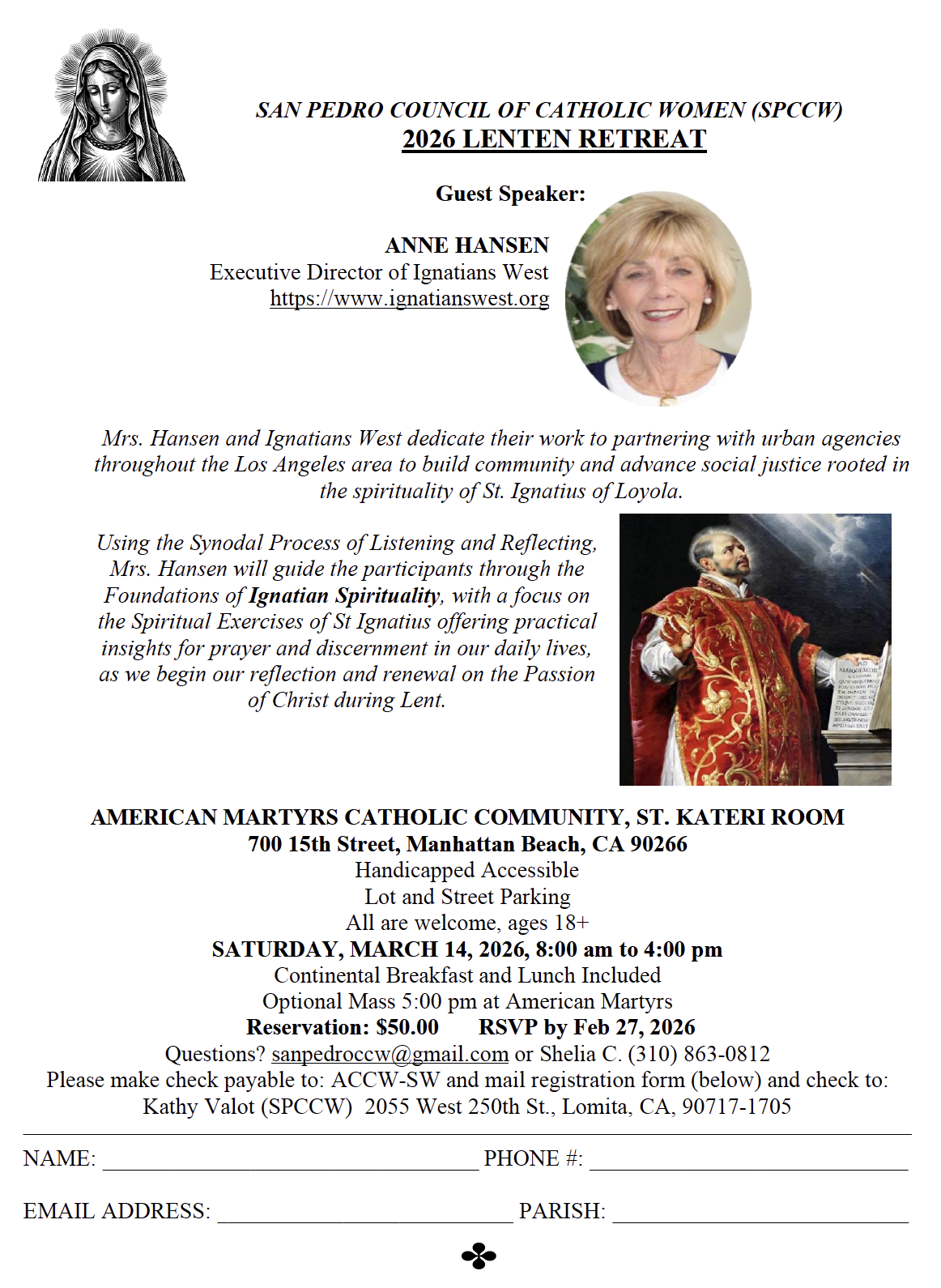
What is your coping mechanism these days? This is a question I have posed before so forgive me but with almost daily shockwaves of news surrounding us the question remains relevant. How do you stay grounded, positive and hopeful for the future?


Are you a knitter or quilter, a gardener or reader? Maybe you golf, bake, take long walks, or sweat it out at the gym. Your coping mechanism in these days of confusion and chaos may be to join prayer vigils and protests. Or you may be one who has tuned out the ways of the world and are moving gracefully through each day with a sense of peace. If so, many of us envy you.


Reflecting on today’s readings I found wisdom and comfort. They are not complicated. They are straightforward and could be printed out and taped to the bathroom mirror or the refrigerator as daily reminder of what matters.


Zephaniah tells us to “Seek the Lord…seek justice and seek humility.” His words from ancient times to seek justice and humility could be written in a New York Times editorial. It is truth we know in our hearts.


Paul, in the second reading, asks us to consider our calling and realize that God “chose the foolish …to shame the wise…the weak to shame the strong and ultimately chose the lowly…those who count for nothing.” He is reminding us that human standards of power are different from God’s standards.


And then we hear Jesus beautifully present attitudes that can lead to a life of peace. He calls blessed those who are poor in spirit, those who mourn, the meek, those who seek righteousness and those who are merciful and strive for peace. He commends as blessed those who stand up to insult and persecution for following him. He invites us to "rejoice and be glad" as we embrace the ways of God.


In this time of head spinning societal upheaval our best coping mechanism may be to carefully reflect on what is important using these readings as guidelines. Things around us can feel harsh and negative. We feel powerless and at times angry at the injustice and violence we read about and see with our own eyes. To be merciful and humble while seeking justice may seem passive but it is an attitude that can lead to the healing needed today.


Peace, 

Anne                                                                                        

Injustice and In Justice


What, in justice, is the better way for us to deal with injustice when we see it? From ongoing wars of aggression to cheating people of their rightful possessions, we can find examples of injustice that hurt, injure, demean, and even kill people every day, both globally and in almost any locality where we might live. The distinction between doing something in justice and acting against injustice in an unjust manner makes a huge difference. Before we decide to relate to some of the major injustices which we perceive almost everywhere we look, our best interests and those of everyone else depend upon our reflection before we commit to any action.


Since it is so easy and often disheartening to think first about injustices, we might find it more helpful to consider first what we mean by acting in justice. There is more to the use of those two words than will appear in a dictionary. When we enter anything, even as ordinary as a conversation, we come in as we are, including with our faith and values. So, when we are determined to act in justice, we will rely primarily on the experience we have accumulated about being fair, honest, and unprejudiced in whatever we say and do. Most of us have no legal training, but we recognize injustice when we see it. If we have reflected and prayed with our thoughts and feelings about the injustices we have suffered, we develop a capacity for acting, in justice, according to our present understanding of specific unjust situations.


When we consciously bring our faith with us when considering how to act, we do well to recall that God’s justice is mercy. If God were to punish all injustices, none of us would go free. We tend to hide our own failings from ourselves while readily perceiving injustice in others. God sees all but also loves all. We are not God, but as children of God, we do our best work dealing with injustice by approaching our proposed actions with mercy. It does not mean that we deny the truth of wrongdoing, but that we accept God’s love for the people involved and desire their discovery of the truth rather than only their correction or punishment.


Acting in justice is holy work, for it requires honesty about our own weaknesses and failings as well as a clear recognition of the disorders that we feel called to address. When we start with ourselves in God’s loving presence, the fear and anger that might have been heavy on our hearts is always lessened, and we become open to perceiving how we might, in justice, deal with injustice.


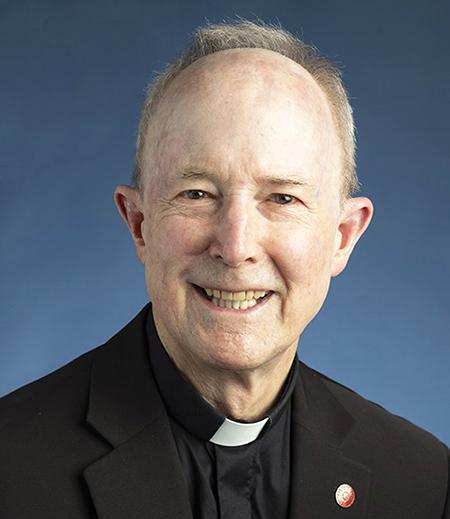
Randy


Randy Roche, SJ

University Chaplain

Loyola Marymount University

MAILING ADDRESS

8601 Lincoln Blvd., Suite 180-306 • Los Angeles, CA 90045


ADMINISTRATIVE OFFICE

Center for Catholic Education • University Hall, LMU


PHONE

805-443-0812 (C)

Facebook  Instagram  YouTube