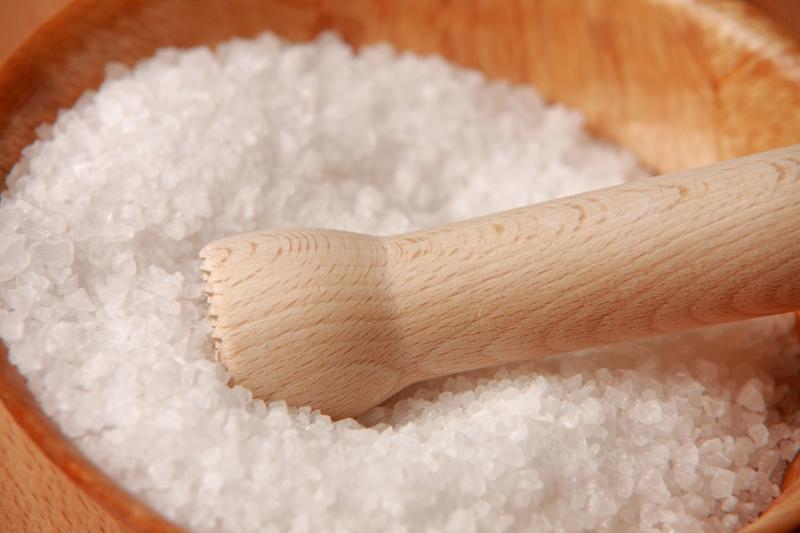
What Is Salt?
Salt is a seasoning that can flavor food and act as a preservative. It’s about 60% chloride and about 40% sodium. Nearly all unprocessed foods -- think veggies, fruits, nuts, meats, whole grains, and dairy foods -- are low in sodium. The salt that we do eat helps relax and contract muscles, lends a hand with nerve impulses, and balances the minerals and water we take in.
How Much Salt Do You Need?
Our body needs only a small amount of sodium. We should get about 1,500 milligrams of it every day. But the average American takes in about 3,400. Too much salt can lead to a stroke, heart disease, and high blood pressure. But how do you know if you take in too much salt?
You’re Bloated
Bloating -- when your stomach feels swollen or tight -- is one of the most common short-term effects of having too much salt. It helps your body retain water, so extra fluid builds up. Foods don’t have to taste salty for them to be high in sodium. Sandwiches, pizza, bagels, and canned soup can be sneaky sources for salt.
Your Blood Pressure Is High
There are lots of reasons you might have high blood pressure, but one could be too much sodium. The change in blood pressure happens through your kidneys. Too much salt makes it harder for them to get rid of fluid that you don't need. As a result, your blood pressure goes up.
You’re Puffy
Swelling can be a sign of too much sodium in your body. Body parts like your face, hands, feet, and ankles are most likely to swell. If you’re more puffy than usual, take a look at how much salt you’re eating.
|