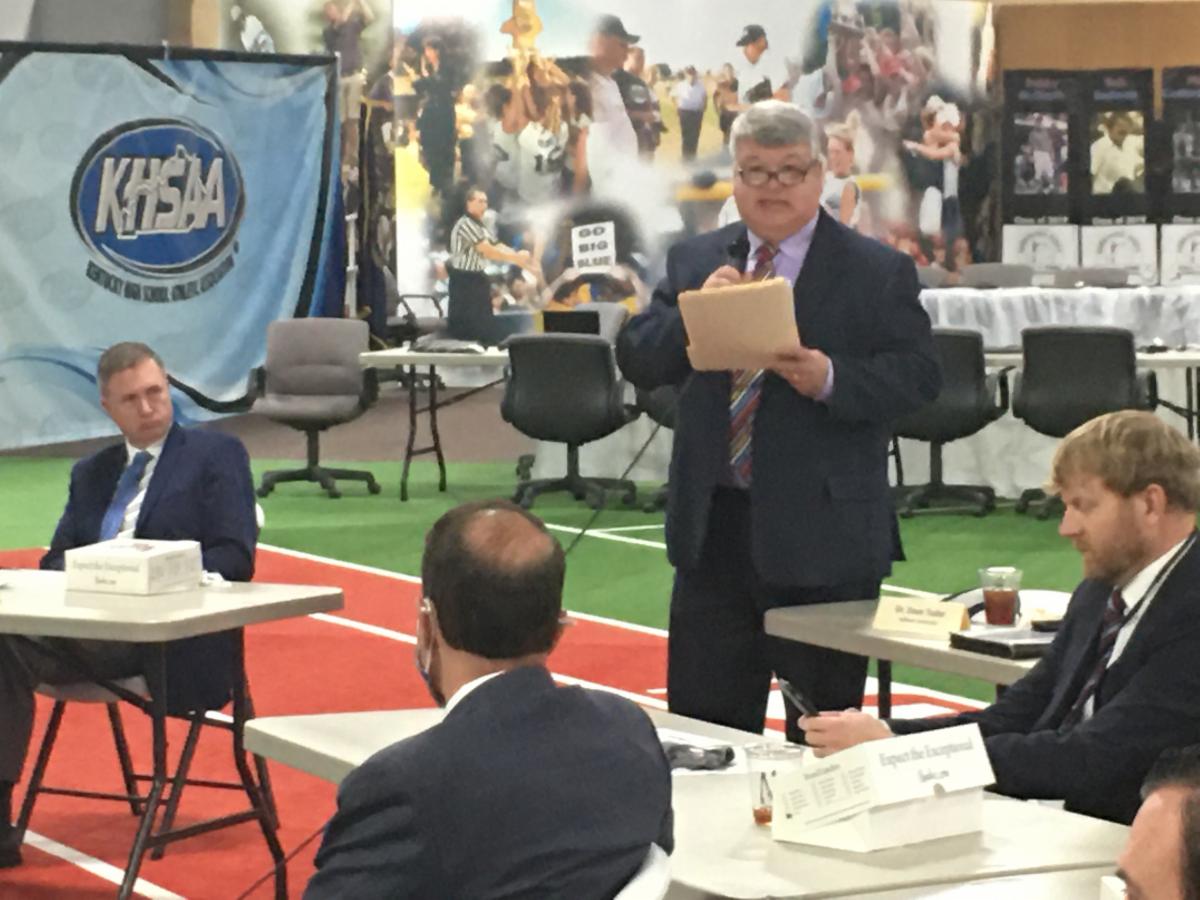
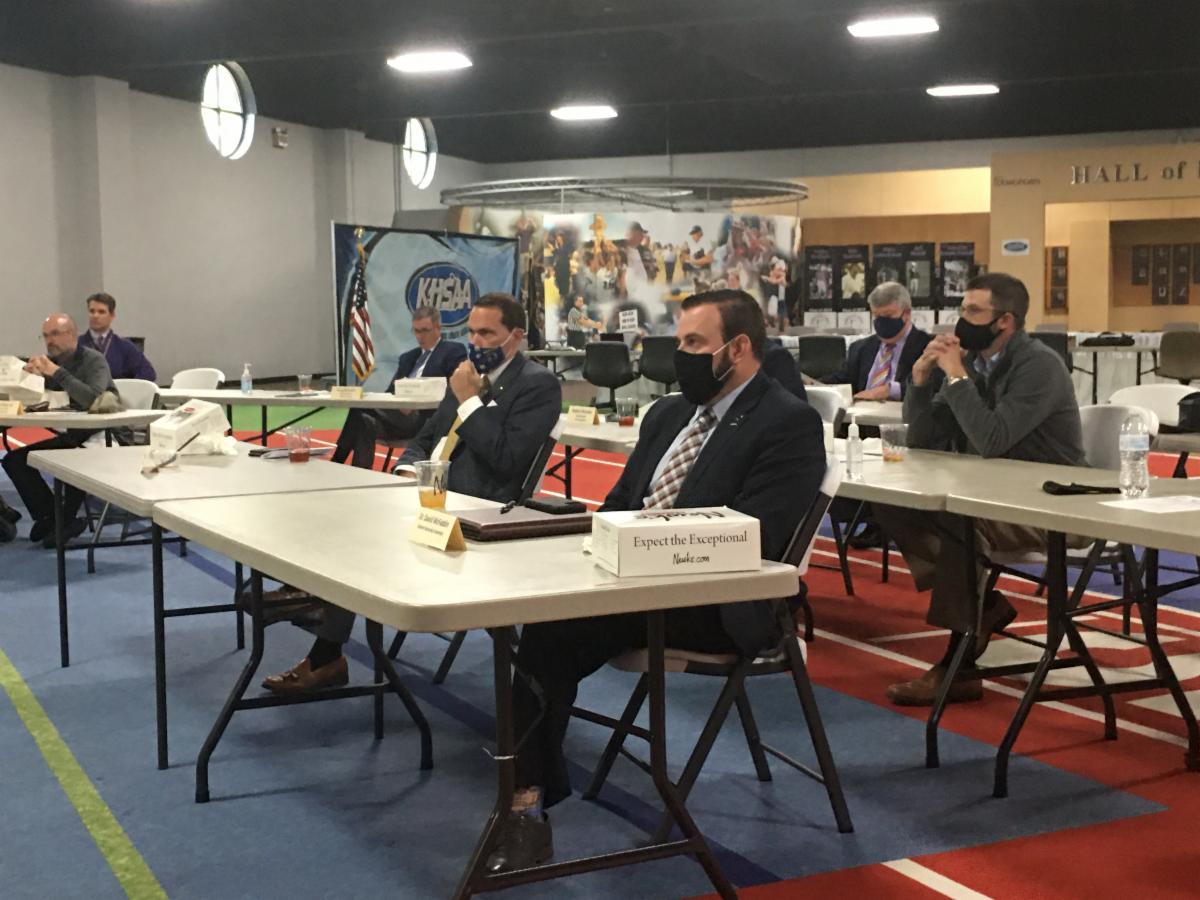
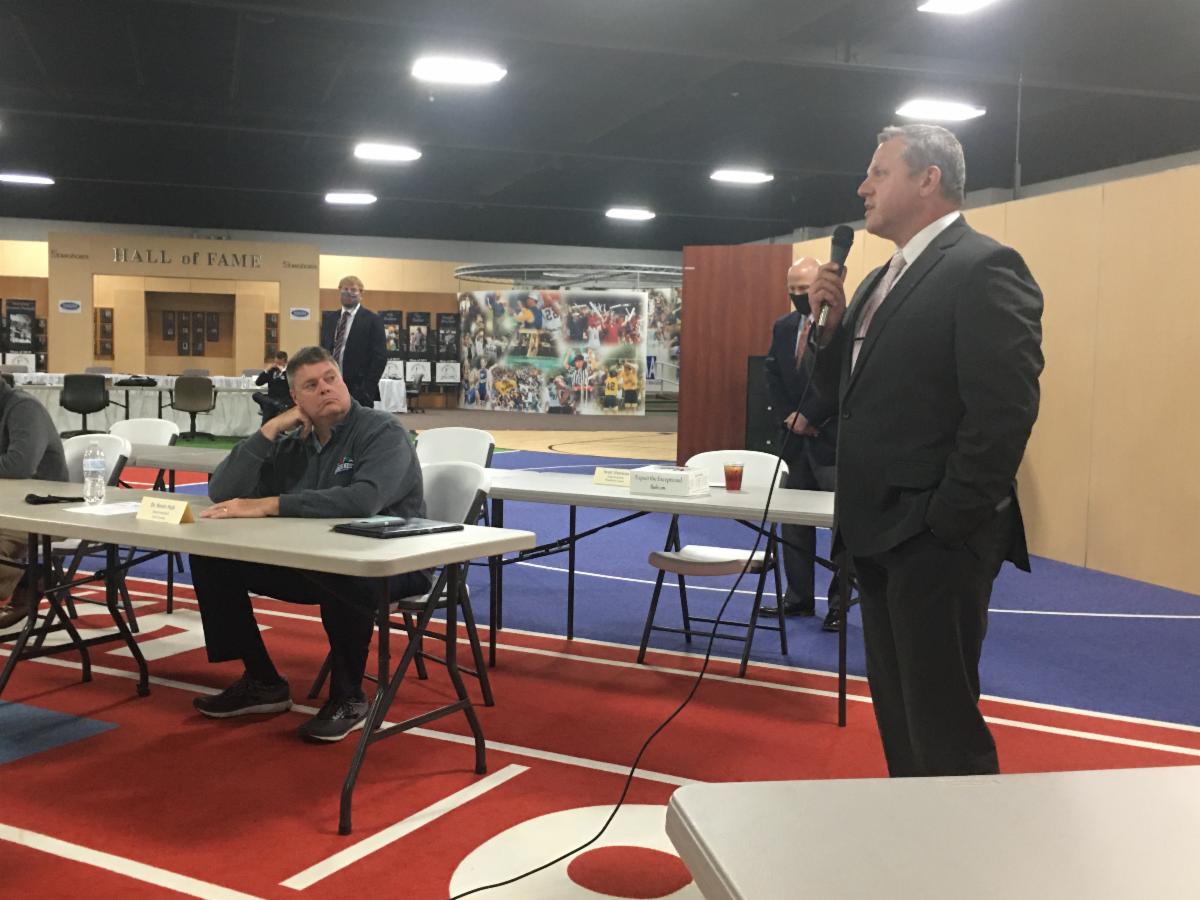
LEXINGTON, Kentucky--The word “crisis” in describing the state of education in Kentucky, was used on numerous occasions at the first Presidents-Superintendents Summit, hosted by the Bluegrass Higher Education Consortium and the Central Kentucky Educational Cooperative on April 21 at the KHSAA headquarters in Lexington.
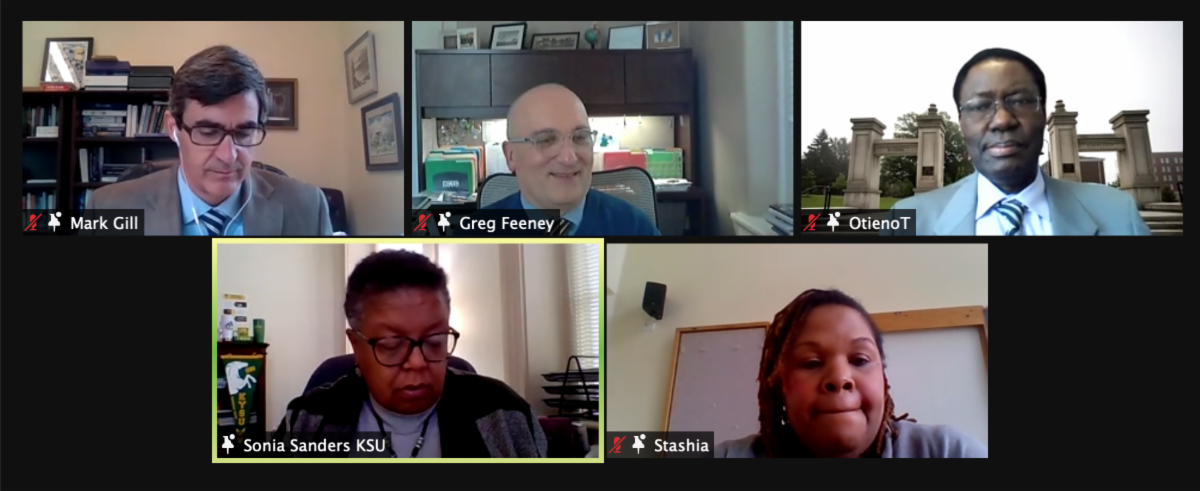
The group of 15 superintendents, eight university presidents/three vice presidents in the Central Kentucky region were “motivated and encouraged” by the discussion and agreed to begin meeting on a quarterly basis to find solutions and opportunities to the challenges largely brought on by the Covid pandemic.
Commissioner of the Kentucky Department of Education Jason Glass summarized the discussion by saying we need to address the “crisis and solutions interchangeably” to be able to restore educational systems we had in place before the pandemic began and provide more equitable access to early post-secondary education opportunities such as early college and dual credit. All agreed.
This education crisis discussed was couched in the fact that there seems to be more apathy from high school students about obtaining two or four-year advanced degrees, that FAFSA applications (Free Application for Federal Student Aid) are significantly down as are percentages of students applying for college. Furthermore, more subject failures and “do overs,” and mental and psychological issues have also resulted. The “lost year” of on-line, virtual instruction being one root cause of the crisis.
“We have to get back to that personal connection we had with students and parents,” said Scott Hawkins, superintendent of Woodford County School District. “Even though we have made important adjustments to on-line delivery during the pandemic we can never lose sight of the fact that virtual education is just not as effective.”
President David McFaddin of Eastern Kentucky University also added that there is a “crisis” in attainment of education degrees, noting that state policy on accreditation and other issues need to be addressed at the General Assembly. “We are losing, and we have lost a host of good teachers,” he said, “due to the pandemic, early retirement and other reasons. We need to find solutions for creating a new capable competent workforce of teachers; and that’s a challenge to all of us assembled here. A required restoration in education is upon us, the crisis is here.”
Commissioner Glass suggested several ideas to encourage more early post-secondary access, such as refunding a year of tuition for certain levels of attainment, lowering tuition costs, tuition & cost refunds, and new scholarship processes and granting opportunities.
Several university presidents confirmed that many colleges are moving away from ACT/SAT test scores as a major consideration for aid and scholarship awards. President Jay Morgan of Morehead State University noted that his institution has thrown out the old model for scholarship awards. While GPA and rank in class is still important, they have elevated the history of extracurricular activities of the student and dual credit courses as an indication that they are capable of achieving at a high level in a college curriculum. He noted that the creation of a student resume is very important. Transylvania President Brien Lewis concurred adding that the ACT/SAT test is optional at Transy and “we’re more concerned about the student being fully challenged, did they stretch and expand themselves at the high school level?”
Superintendent Kevin Hub of Scott County Schools also addressed the issue of admissions departments receiving high school student transcripts in a timely manner, a problem noted by several presidents, adding that he would personally make sure transcripts were made available immediately in Scott County regardless of what needed to be done. All other superintendents agreed. An Idaho state-wide transcript portal model was also discussed for Kentucky.
A number of dual credit and collaborative success stories with high school districts were also shared including: Sullivan Culinary Arts, diesel mechanics program at BCTC, new summer programs at Centre, a strong dual credit program with Frankfort Independent Schools and Kentucky State, an inventive EKU/ Scott County dual credit relationship, a MSU dual credit program that supported 2,500 students this year and included the MSU Craft Academy, the University of Kentucky STEAM early college academy, 10 dual credit partner schools around the state, and Next Generation program, among them.
The bottom line was that all agreed that continuing discussions is extremely important in finding solutions to the “crisis” and that grant funding opportunities and legislative policy changes stemming from diverse partners with common goals and values is “a natural crosswalk for change and collaboration.”
The following goals were agreed upon as the beginning of a strategic plan:
- 1. BHEC & CKEC will create a committee made up of staff, superintendents and presidents/presidents’ liaisons, to advance this partnership and to plan regular quarterly meetings, the next meeting to be scheduled this fall.
- Create a directory of key contacts (who can navigate the institution/school district) for all school districts and higher ed institutions for ease of communication and early college/dual credit opportunities and other collaborations.
- Build Access for more opportunities for live campus visits at all levels to higher education institutions and high school districts.
- Research & Development an Educational Web-based Portal at the state level, similar to the Idaho model, for ease of releasing transcripts and other information on high school students.
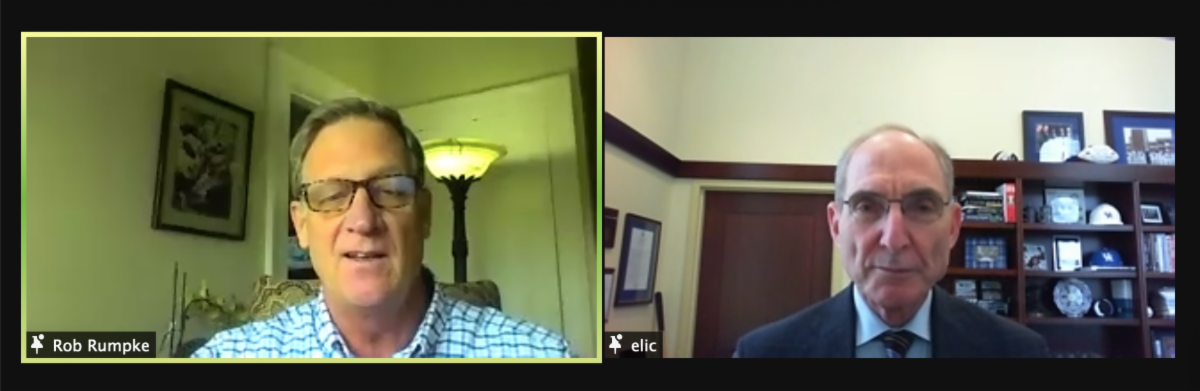
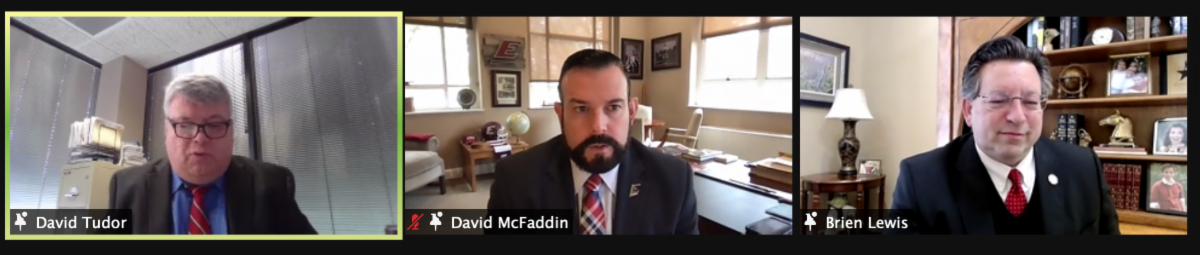
Participating Bluegrass Higher Education Consortium Presidents included: Eli Capilouto U.K., Jay Morgan MSU, David McFaddin EKU, Koffi Akakpo BCTC, Brien Lewis Transylvania, David Tudor Sullivan, Milton Moreland Centre, Kevin Brown Asbury. Vice Presidents: John Davis Georgetown, Beverly Schneller Kentucky State, and Carrie Christensen Midway.