|
WHITNEY WHITE
President
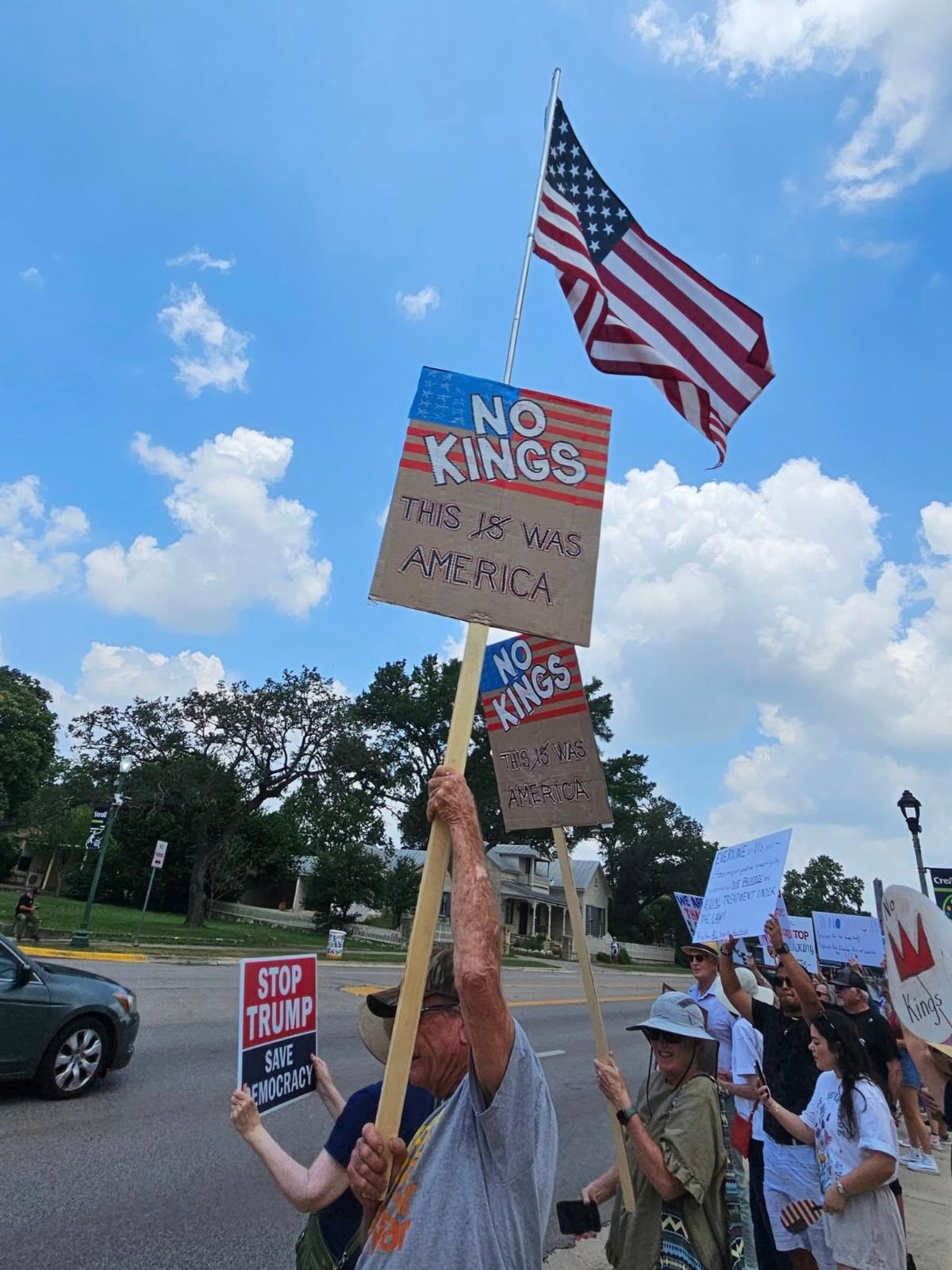
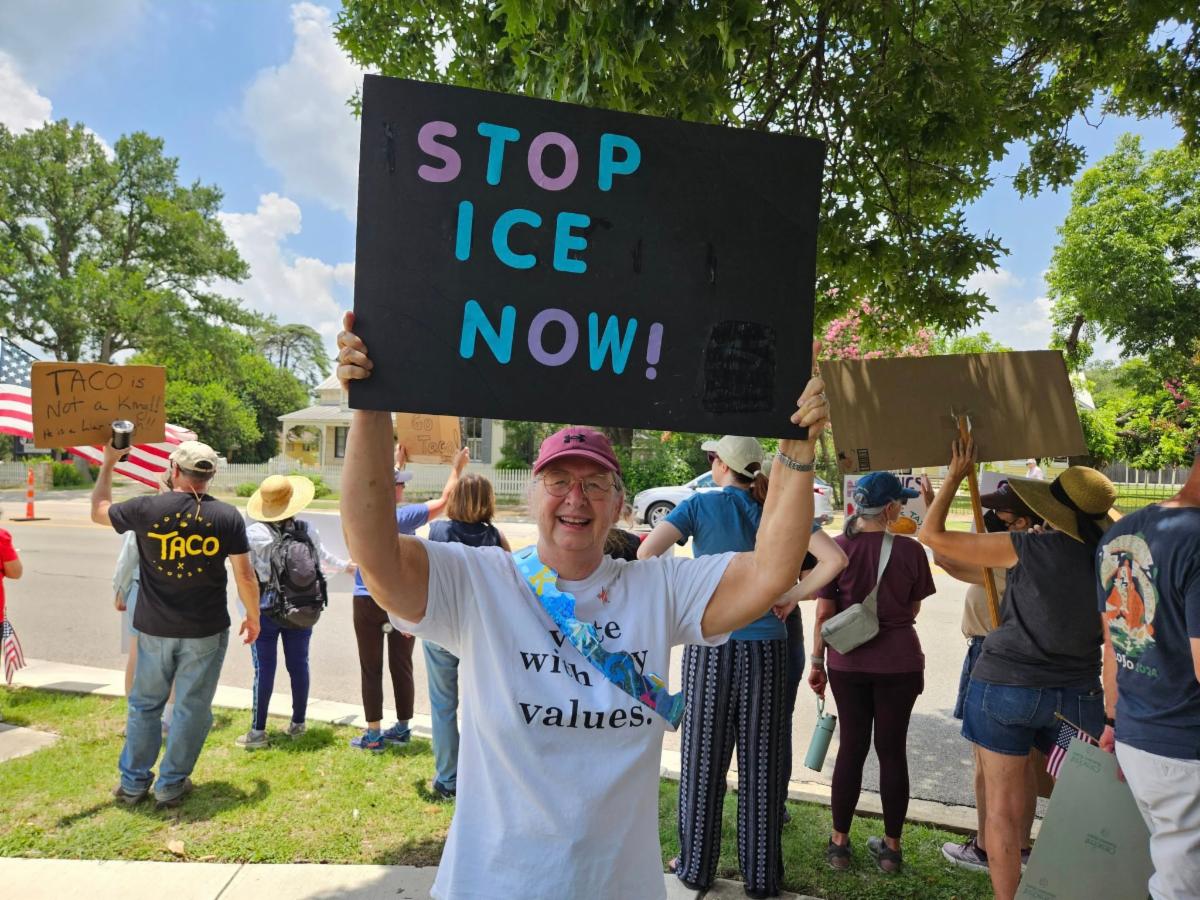
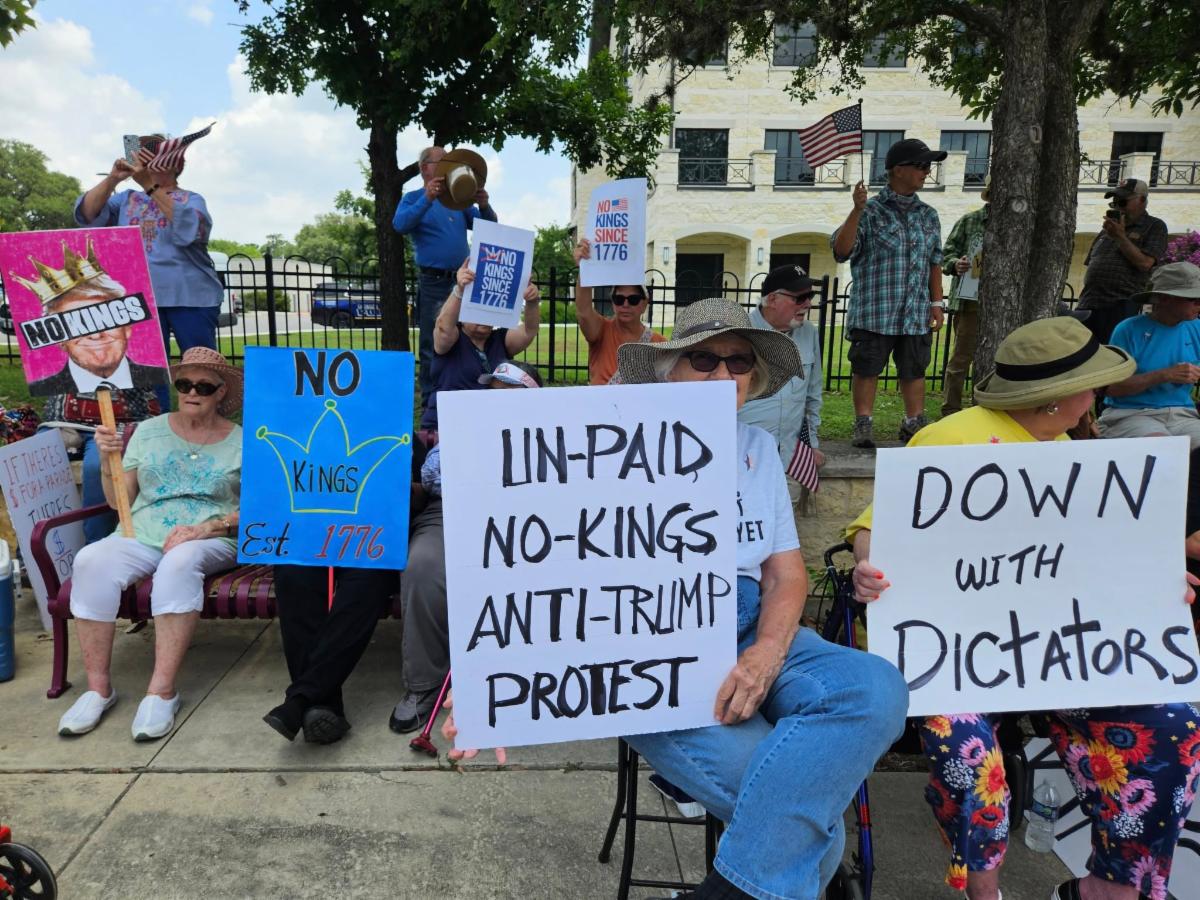
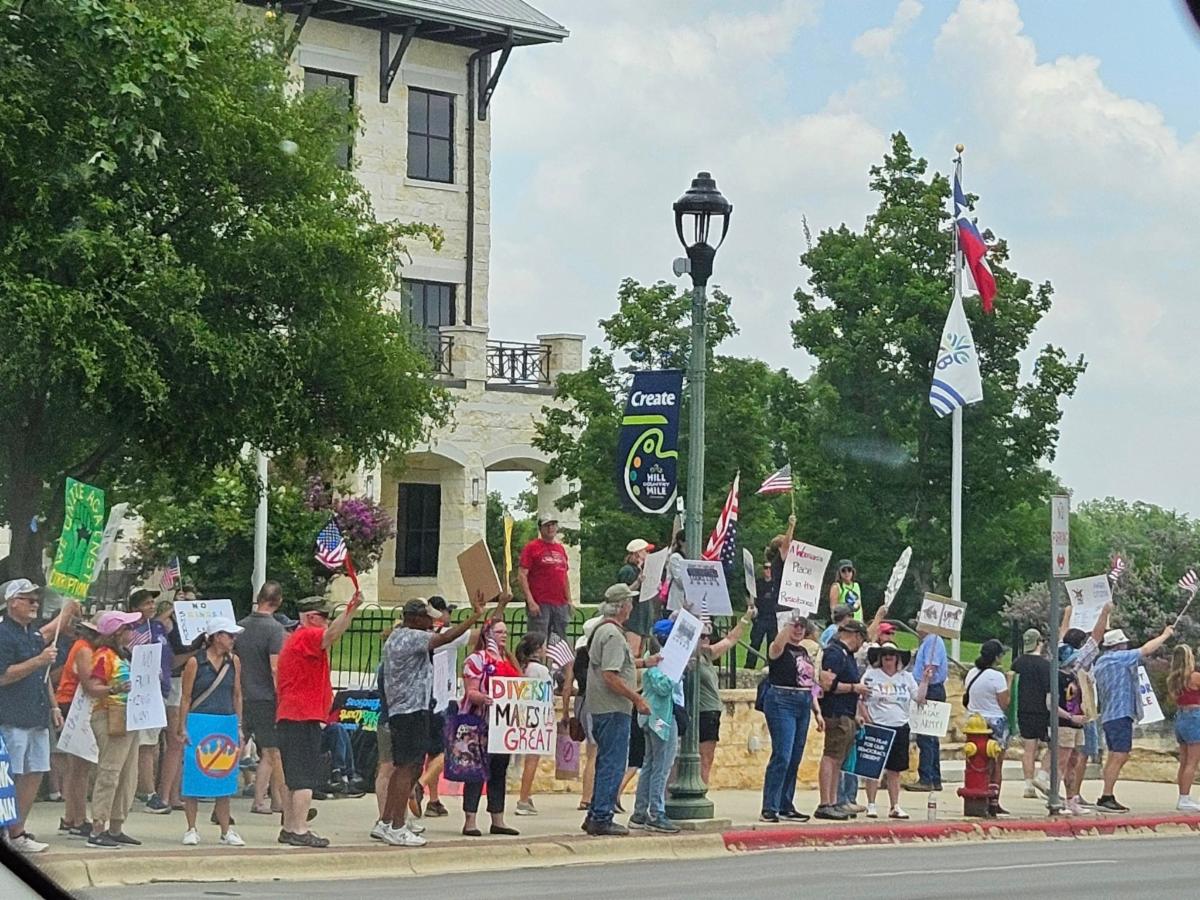
Rather than trying to write something inspiring, I want to remember someone who has likely inspired each of us. A reminder that the fight is long, so we continue to stand up, speak up and show up.
What Did John Lewis Believe In?
Raymond Arsenault, Yale University Press—
John Robert Lewis (1940–2020) traveled a great distance during his eighty years, moving from poverty to protest to politics. It is little wonder that his extraordinary journey from the cotton fields of Alabama’s Black Belt to the front lines of the civil rights movement to the halls of Congress became the stuff of legend. Considering his beginnings in a static rural society seemingly impervious to change and mobility, the arc of his life had an almost surreal trajectory, even though the obstacles he encountered along the way were all too real. In this regard, Lewis merits comparison with the great nineteenth-century figure Frederick Douglass, who went from an enslaved laborer to a “radical outsider” as an abolitionist to a near “political insider” after the Civil War. Like Douglass, he transcended his humble origins with a fierce determination to change the world through activism and ceaseless struggle, ultimately finding a path to greatness that took him well beyond the limited horizons of Jim Crow culture.
During his years as a protest leader, from 1960 to 1966, Lewis evolved from student sit-in participant to Freedom Rider to one of the nation’s most visible voting rights advocates. By 1963, “the boy from Troy,” as he was often called, had become chairman of the Student Nonviolent Coordinating Committee (SNCC) and the youngest member of the civil rights movement’s so-called Big Six, joining A. Philip Randolph of the March on Washington movement, Roy Wilkins of the NAACP, Martin Luther King Jr. of the Southern Christian Leadership Conference (SCLC), James Farmer of the Congress of Racial Equality (CORE), and Whitney Young of the National Urban League. Among these leaders, Lewis stood out as the one most likely to put his body on the line, to have a bandage on his head, or to find himself behind bars. Within movement circles, he earned an unrivaled reputation for physical courage, enduring more than forty arrests and nearly as many assaults. Decades later as a congressman, he would urge his followers to make what he called “good trouble,” a fitting rallying cry for a leader who as a young man repeatedly demonstrated his willingness to shed “a little blood to help redeem the soul of America.” That he did so without expressing a hint of self-pity and without relinquishing hope of reconciliation with those who beat or imprisoned him made him something of an “enigma,” as the Nashville-based journalist John Egerton put it in 1970. “How could anybody who’s been through what that guy’s been through,” one fellow activist marveled, “really be that free of bitterness and hate?”
Lewis’s status as a fearless nonviolent warrior was a major source of his fame. But he also drew considerable acclaim for his steadfast commitment to the moral elevation of humanity. Many observers, both inside and outside the movement, characterized him as “saintly,” particularly during his years as a congressman, when moral and spiritual pronouncements punctuated his public speeches. His pleas for mercy, peace, love, forgiveness, and reconciliation stood out in a political system dominated by partisan rhetoric, intense competition, and interest-group politics. In Washington, where talk of civil rights was often shallow and abstract, he took full advantage of his experiences as a freedom fighter, bringing into play the spirit of a nonviolent movement enveloped in Christian and Gandhian ideals. Invoking powerful historical images of communal responsibility and common decency, he spoke with authority about rising above self-interest and doing the right thing, especially on matters of racial inequality and discrimination. Eventually, he won recognition as “the conscience of Congress,” a scrupulous champion of honesty and moral rectitude.
Lewis had many things going for him, from an endearing personality and disarming modesty to a strong work ethic and an indomitable will. But if there was one element that set him apart from his peers—one indispensable secret to his success—it was his incomparably strong sense of mission. Grounded in an unshakable faith in the human potential for moral improvement and divinely inspired redemption, he focused on one overarching goal: to bring about a heavenly community on earth. He knew, of course, that the chance of even approaching this goal was slim, but that did not stop him from encouraging everyone around him to cultivate, as Abraham Lincoln once counseled, “the better angels of our nature.” For Lewis, this call to action was a sacred responsibility, a cry from the heart on behalf of moral and ethical regeneration. This was a heavy burden to assume, one that would involve a lifetime of commitment and struggle as well as the mass mobilization of what Gandhi called satyagraha, or “soul force.” But Lewis did not shrink from the task, which he identified as movement toward a “Beloved Community,” a society of equity and justice freed from the deep wounds inflicted by centuries of exclusion, prejudice, and discrimination.
With this in mind, Lewis devoted six decades—virtually his entire adult life—to the search for a Beloved Community. From his first encounters with formal philosophy and political activism as a seventeen-year-old student at Nashville’s American Baptist Theological Seminary, he embraced this simple two-word phrase as his chosen social and moral ideal. Coined by the philosopher and theologian Josiah Royce in 1913, it later became a shorthand expression of the goals and aspirations of the Fellowship of Reconciliation (FOR), an international pacifist organization founded in England in 1914. Royce characterized the Beloved Community as “a perfectly lived unity of men joined in one divine chorus.” For him, fostering this ideal was “the principle of principles,” the only path to “infinite atonement” or, as one Royce scholar put it, “a human community based on love.” Anticipating the theme of unmerited suffering in the thought of Gandhi and other proponents of nonviolence as a way of life, he stressed the importance of “self-sacrifice” and “union with others.”
During a long political career, Lewis’s approach to reform, like his ideology, was ecumenical and expansive. As a congressman, he became involved in the full array of causes embraced by the progressive wing of his party: the elimination of poverty and economic inequality; universal health care; opposition to war and militarism; feminism and reproductive freedom; environmentalism; immigrants’ rights; multiculturalism; equity for Hispanics, Asian Americans, Native Americans, and homosexuals; the protection of civil liberties; criminal justice reform; concern for the special needs of the disabled; and expanded educational opportunities for all. Lewis addressed all of these matters on numerous occasions and took each one seriously. A strong supporter of the American Civil Liberties Union (ACLU), the National Organization for Women (NOW), and organized labor, he was also one of the leading figures in Americans for Democratic Action (ADA), the organization founded by Eleanor Roosevelt and other New Deal liberals in 1947, and even served as president of the ADA from 1993 to 1995.
Despite his eclectic reform agenda, Lewis’s entry point in politics—and the core of his personal world view—were both closely tied to his passionate commitment to civil rights activism. His primary target was always the destructive and debilitating legacies of slavery and Jim Crow. Throughout his years in Washington, he viewed politics through the lens of a nonviolent movement organized to combat racial discrimination and injustice. Even after several decades in Congress, he was still the same John Lewis—an older version of the student radical who boarded a freedom bus in 1961 and the SNCC leader who bravely faced the forces of white supremacy on the Edmund Pettus Bridge in Selma four years later. While his devotion to democracy and inclusion now called for service and sacrifice on behalf of a wide range of disadvantaged or dispossessed groups, his politics still rested on a foundation of belief that the extension of America’s unrealized ideal of equal justice and freedom for all to African Americans was crucial to any advancement toward the Beloved Community.
Lewis was not, however, a classic “race man.” While he embraced many aspects of African American culture—from its folklore to its foodways—he exhibited little interest in Black nationalism, race-based ideologies such as Black Power, or what eventually became known as “identity politics.” Among the civil rights movement’s leading figures, he was, as the historian Sean Wilentz argued in a perceptive 1996 essay, “The Last integrationist.” Though proud of his African American heritage, Lewis never forgot his fundamental commitment to the broader interests of humanity. Most obviously, his longstanding concern for the plight of the poor of all colors tempered his racial loyalty. Acutely aware of the connections between race and class, he extended his belief in equity and even-handed treatment to all classes and races.
Indeed, in the spirit of Gandhian and Kingian nonviolence, he expressed his concern for the well-being of all human actors, including the privileged individuals whom he challenged as agents of oppression and inequality. Like Gandhi and King, he professed to love his enemies as much as he loved his friends, an expansive embrace that set him apart from the vast majority of his political colleagues as well as from much of the civil rights community. When Lewis took the high road, he was often alone. But that did not deter him from his quest or shake his faith in the transcendent power of love and forgiveness.
|