|
From internships to continuing education, Measure HH is investing in the people behind tomorrow’s projects.
The more time I spend on our Measure HH projects, the more I've come to see that what gets built isn't only classrooms and instructional space - it's careers and opportunities. This month, we look at two stories that capture this in a way no construction progress photo could.
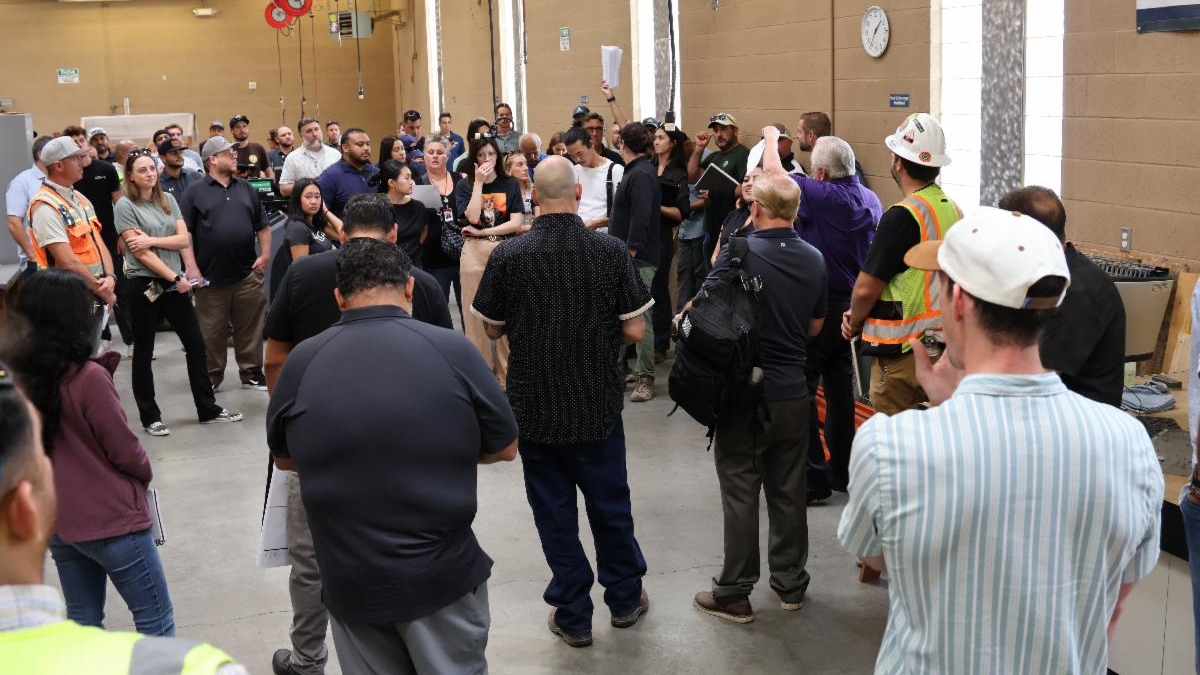
This summer, our program management organization (PMO) partners hosted interns on the Measure HH program. Some spent a week with us, visiting job sites, meeting project team members, and learning about potential career opportunities. Another is with us for the full summer, offering more opportunities for hands-on work. It’s a great way to move from observing design and construction opportunities to actually being a part of the team.
You'll also hear from members of our own project management team who, through our Bond Workforce Education Program, returned to being students themselves this year, enrolling in classes that can advance their skill sets or support personal enrichment and hobbies.
Neither story shows up in a construction schedule, but both matter for the same reason. Nationally, the construction industry needs to attract nearly 350,000 net new workers in 2026 alone, according to a workforce shortage analysis released by the Associated Builders and Contractors - a gap driven in large part by retirements outpacing the number of people entering the field.
It’s also worth noting: as AI reshapes so much of the modern workplace, construction and the skilled trades are increasingly cited as some of the fields most resistant to automation - a hands-on job site isn’t something AI can replace. That makes the shortage less of a warning and more of an opportunity, and it's part of why the exposure and training happening in this issue's stories matters.
The need for new employees in the field doesn’t have to be met from somewhere else - it’s already being taught on our own campuses.
City College’s Engineering & Advanced Manufacturing programs pair hands-on labs with real projects in electricity, HVAC/R, and machine technology, alongside a full slate of apprenticeship pathways.
Mesa College students can earn a degree or certificate in Building Construction Technology, or pursue one of several Architecture and Construction Management pathways that lead to many of the same kinds of job sites Measure HH is building.
At Miramar College, students can begin down a similar path through the Pre-Engineering Studies degree, building the technical foundation for careers in the same fields.
At College of Continuing Education, an Apprenticeship Readiness Program and skilled trades courses give students an on-ramp into the field before they ever set foot on a job site. Measure HH isn’t just adjacent to that pipeline - many of the facilities it’s building will be the very classrooms and labs where the next generation of this workforce trains.
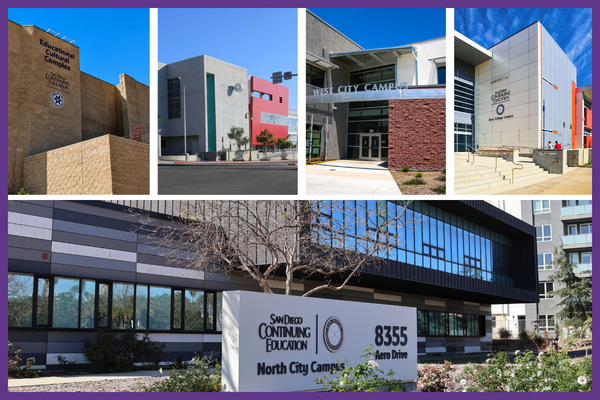
Measure HH was approved to build and modernize facilities across our four colleges. It’s also, in ways the ballot language never spelled out, building the workforce that will keep San Diego growing long after these projects are complete.
I hope the stories in this issue leave you thinking about Measure HH a little differently - not just as bricks and mortar, but as an investment in the people making it happen.
Thank you for your continued engagement and support.
Sincerely,
Joel L. A. Peterson, PhD, MBA, MA
Vice Chancellor & Executive Operations Officer
San Diego Community College District
|