|
Since the start of the semester, we have shared with you that our teams have been deep in the programming phase of the Measure HH bond program - listening closely to faculty, staff, and students – understanding how campus facilities are used today and looking ahead at what they will need in the years ahead. This work is essential and foundational, and it depends on the voices of the people who teach, learn, and work in these facilities.
Programming is the part of the process where we ask many questions: How do students use this space? What’s missing? What would make their experience better? It’s essentially the blueprint for the blueprint, as the input gathered during this phase becomes the framework for the activities that follow.
We are now entering the design phase, and it is important to understand what that means – and what it does not mean.
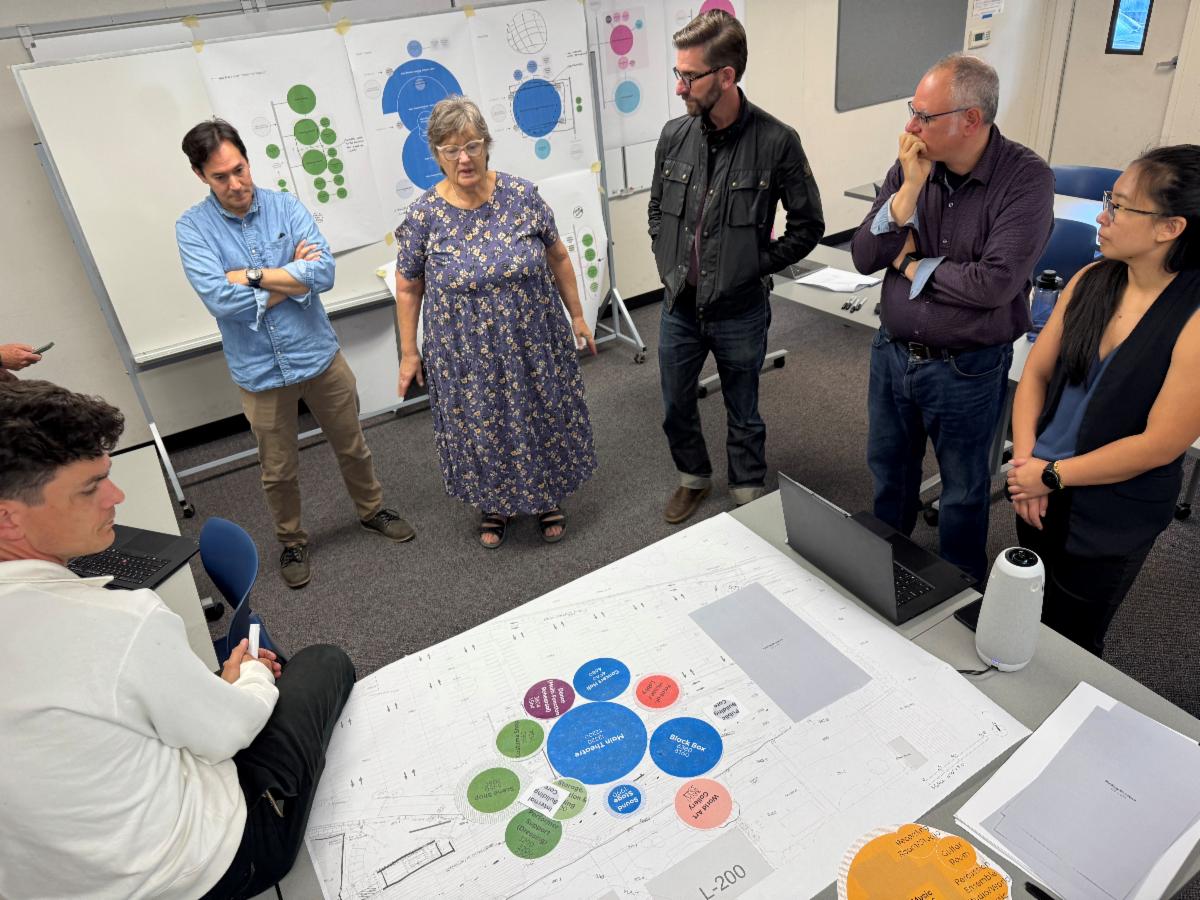
During design, the ideas and priorities shared by faculty, staff, and students during programming are taken up by skilled architects, planners, and engineers who specialize in translating articulated needs and vision into physical spaces. Conceptual designs rendered into sketches, layouts, and massing concepts begin to emerge, allowing stakeholders to see how their ideas might come together in a real, usable form.
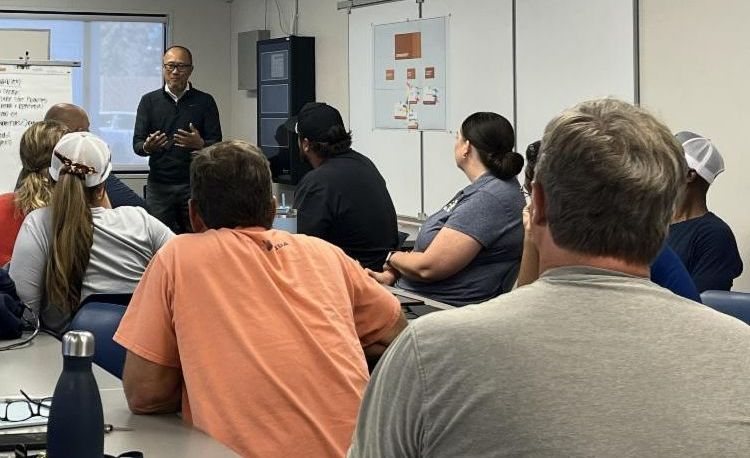
This phase is still very much in need of college voices. Faculty, staff, and students will continue to review concepts, ask questions, and provide feedback as design ideas are developed and refined.
Just as important, projects will not move beyond schematic design (think blueprint) until there is shared agreement on the layout, look, and fundamental design. This is to ensure designs reflect real needs, practical priorities, and how our campuses actually function.
Once a project advances past schematic design, the focus shifts. Design teams move into more technical detail - things like mechanical systems, ducting and piping, electrical infrastructure, structural systems, and constructability. At that point, the functional and aesthetic design has already been set through collective input, and the work becomes all about technical systems, functioning, and constructability.
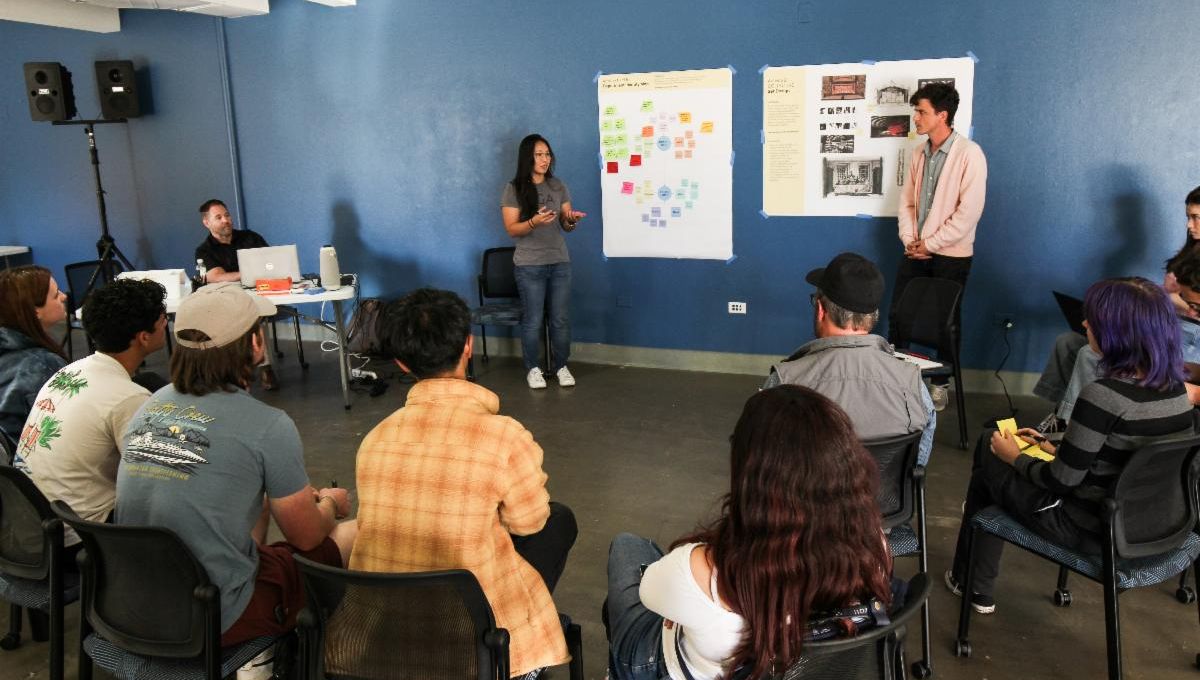
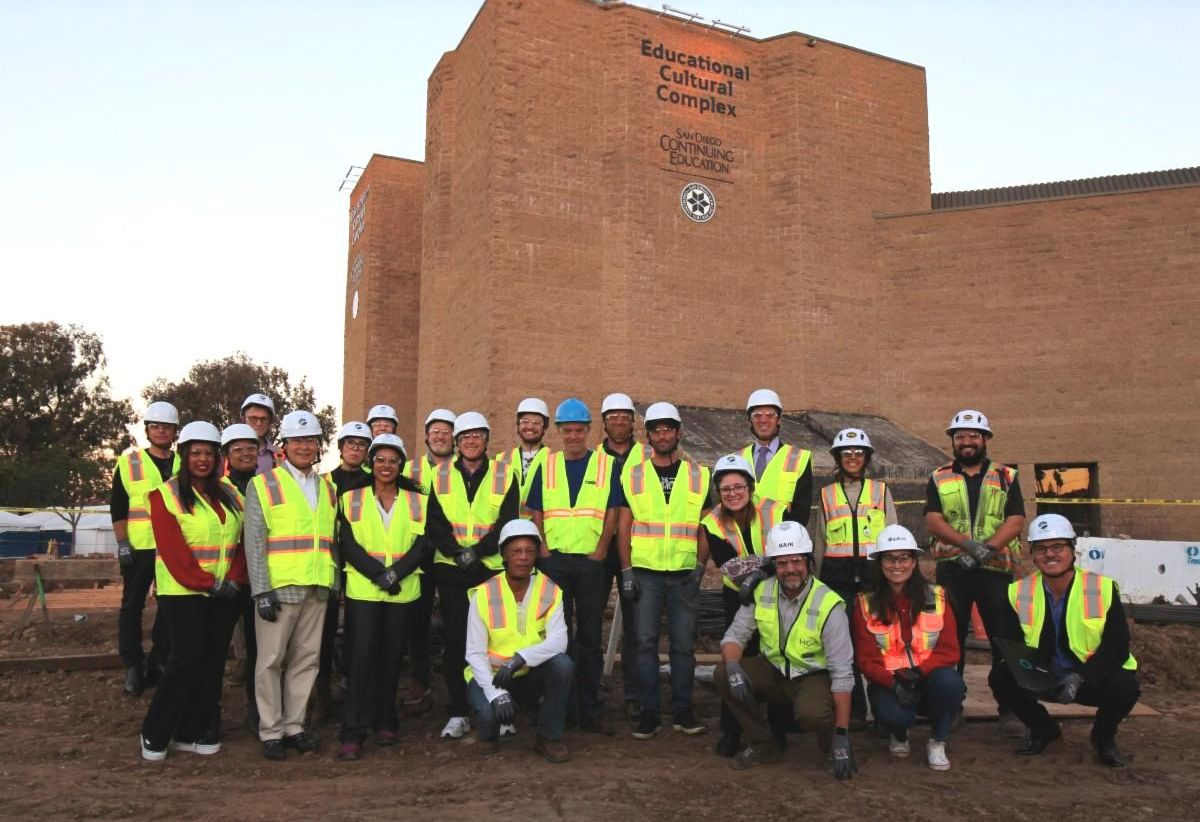
You can already see this transition taking place. Stakeholder teams are returning from design safaris, site walks, and benchmarking visits to other campuses and districts with practical ideas and observations. Workshops are helping shape early design concepts that respond to each college's specific needs and identity as initial layouts and options begin to coalesce.
The feedback you’ve given, the needs you’ve identified, and the vision you have for your spaces all begin to take form now. I appreciate everyone who’s taken the time to lean in. There’s a lot of work ahead, but we’re building the future of SDCCD’s campuses – together.
Joel L. A. Peterson, PhD, MBA, MA
Vice Chancellor & Executive Operations Officer
San Diego Community College District
|