BOND MEASURE HH NEWS AND UPDATES | | SAN DIEGO MIRAMAR COLLEGE | |
A MESSAGE FROM VICE CHANCELLOR
DR. JOEL PETERSON
| | Building Measure HH together: Balancing vision, planning, and stewardship | | |
As we progress further into the planning and early design stages of the Measure HH bond program, I want to sincerely thank our college faculty, classified professionals, students, administrators, and presidents for their thoughtful involvement.
Throughout the District, project teams are regularly meeting with campus stakeholders to ensure each project addresses instructional needs, respects college identity, and positions our facilities to serve students effectively well into the future. These collaborative discussions are vital for creating modern, student-focused environments that support each college’s vision and mission.
In some instances, this engagement has led to new ideas and requests for improvements, reflecting a welcome sign of an invested community. Measure HH was collaboratively planned in accordance with each college’s Facilities Master Plan and the priorities identified through years of campus-led planning and consensus building. We have received some requests not included in the original program scope that significantly raise costs and complexity. These ideas all have merit but require balancing them with the reality that the bond program - spread across four colleges, 10 campuses, and more than twenty years - has its limits.
The Board of Trustees, anticipating this situation, established a process to evaluate these requests responsibly. As part of this process, the Board established a Bond Program Executive Review Committee. This committee - composed of Chancellor Gregory Smith, Vice Chancellor Dan Troy, and me - will review requests that increase project scope by 20 percent or more, expand budgets by $5 million or more, or propose new projects, allowed but not specified in the voter-approved project list. The process ensures appropriate due diligence, assesses districtwide impacts, and allows well-reasoned campus recommendations while ensuring transparency, fiscal responsibility, and alignment with commitments made to voters.
I want to emphasize that this process is not about limiting creativity or ignoring the needs of our colleges; it is about stewardship and balance. It is about making sure that Measure HH funds are used fairly and in ways that keep the promises we made to the voters who entrusted us with their taxes. Thank you for your involvement and your shared commitment to building facilities that will support education, learning, and community commitments for decades to come.
Joel L. A. Peterson, Ph.D., MBA, MA
Vice Chancellor & Executive Operations Officer
San Diego Community College District
| | |
Measure HH Miramar College Forum
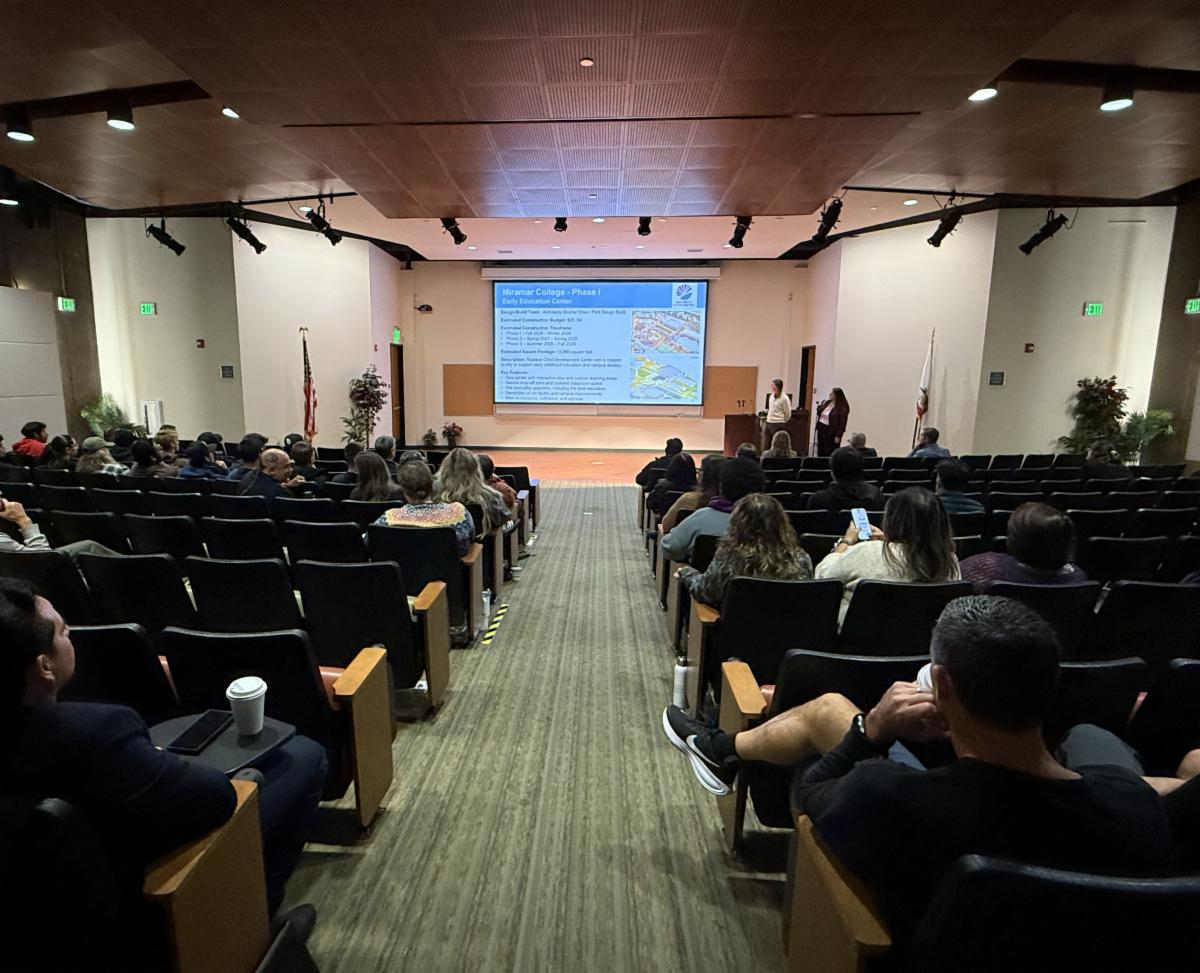
We've been fortunate to share Measure HH project plans and phase information with the Miramar College community at the monthly forums hosted by President Wes Lundburg.
At the Nov. 17 forum, more than 50 people attended, including faculty, classified professionals, and students. There were several questions about the process for requesting budget or scope additions mentioned above. We will continue to work with college leadership on these processes and share them in this newsletter.
The next Measure HH forum will be on Mar. 23, 2026, from 3 - 4 p.m. in L-105. We hope to see you there!
| | District begins construction on first-ever affordable student housing community at San Diego City College | | |
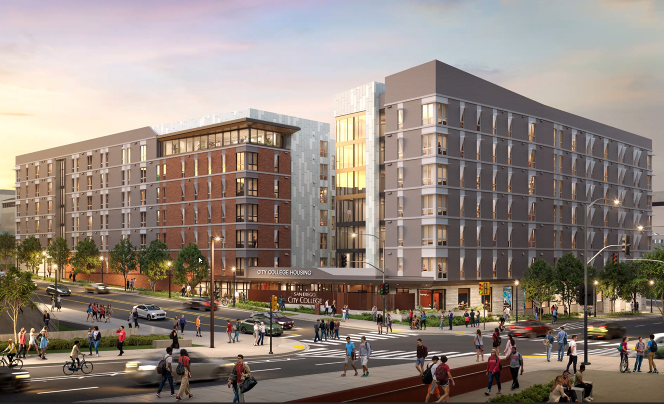
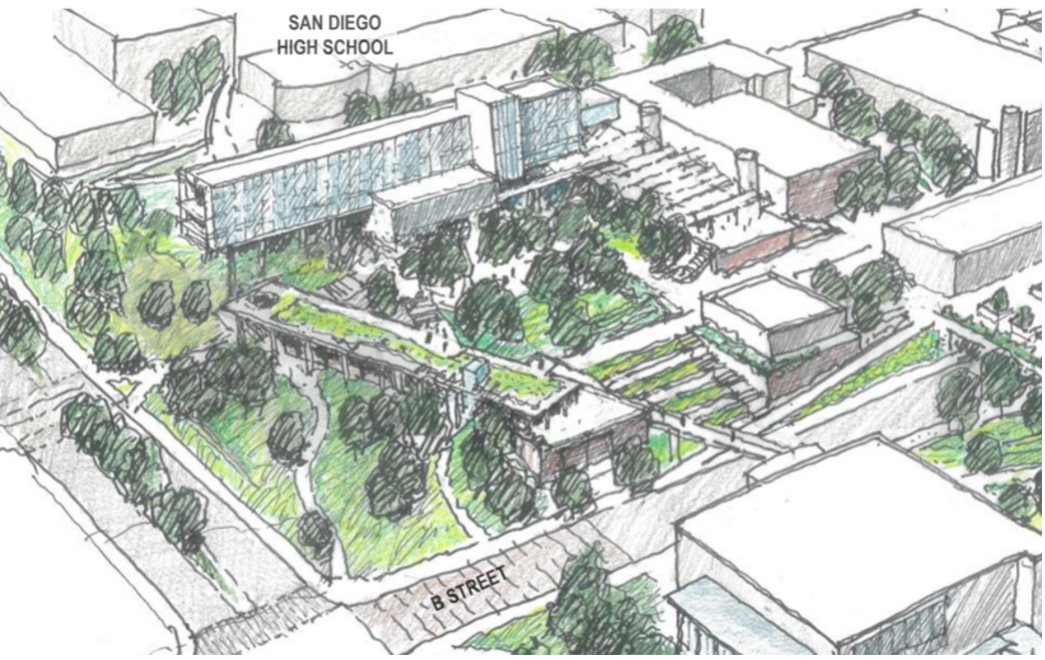
As part of the Measure HH bond program, the district will begin construction this month on its first-ever affordable student housing community at San Diego City College - a major milestone in efforts to reduce housing insecurity and support student success. Recognizing the need for affordable housing is a districtwide challenge; the district is exploring similar opportunities at each of its colleges.
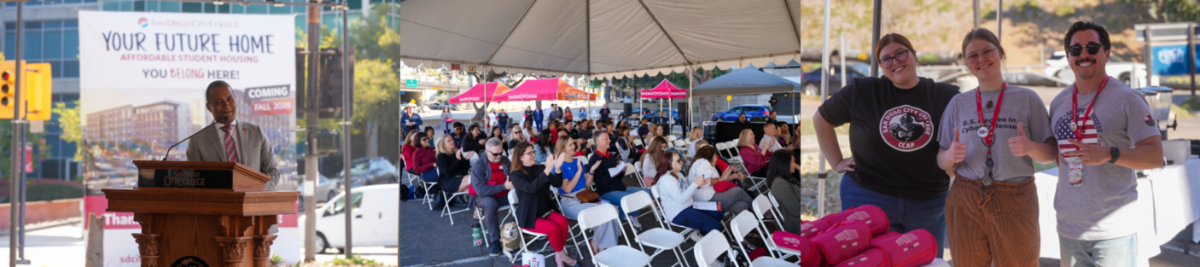
At a celebratory “Sneak Peek” event on Nov. 7, students, faculty, and classified professionals explored a virtual reality tour with 360-degree views of interior rooms, community lounges, landscaped courtyards, and gathering spaces.
Designed by TCA Architects, with construction led by Clark Building Group, the seven-story, all-electric mid-rise will offer 283 apartment-style units and nearly 800 beds. Located at 1601 B Street, the community will include study lounges, tutoring rooms, a wellness center, a basic needs pantry, and a top-floor meeting space overlooking downtown. Rents are expected to be significantly below UC and CSU dorm rates, with targeted affordability for low-income students, veterans, and former foster youth.
San Diego City College President Ricky Shabazz, Ed.D., emphasized the project’s importance for students facing barriers outside the classroom. “As many as 23 percent of our students are on the verge of homelessness while attending classes,” he said. “This development tells them: You belong here. Your community is investing in your success.”
SDCCD Board of Trustees President Geysil Arroyo called the new community “a powerful statement of equity, access, and belief in every student’s potential.” Chancellor Gregory Smith added that affordable housing helps more students stay enrolled, graduate, and enter high-demand careers, strengthening the region’s workforce pipeline.
Opening in fall 2028, the development represents a signature Measure HH milestone and positions City College as a campus where students can study, thrive, and build a foundation for long-term success. Acknowledging that affordable housing represents a districtwide challenge, the district is exploring similar opportunities at each of its colleges.
Check out this virtual flyover and tour video - and photos from the housing event. You can also click here to access QR codes to see 360° renderings.
| | Contractor Corner: From Kabul to California - One engineer’s path forward | | |
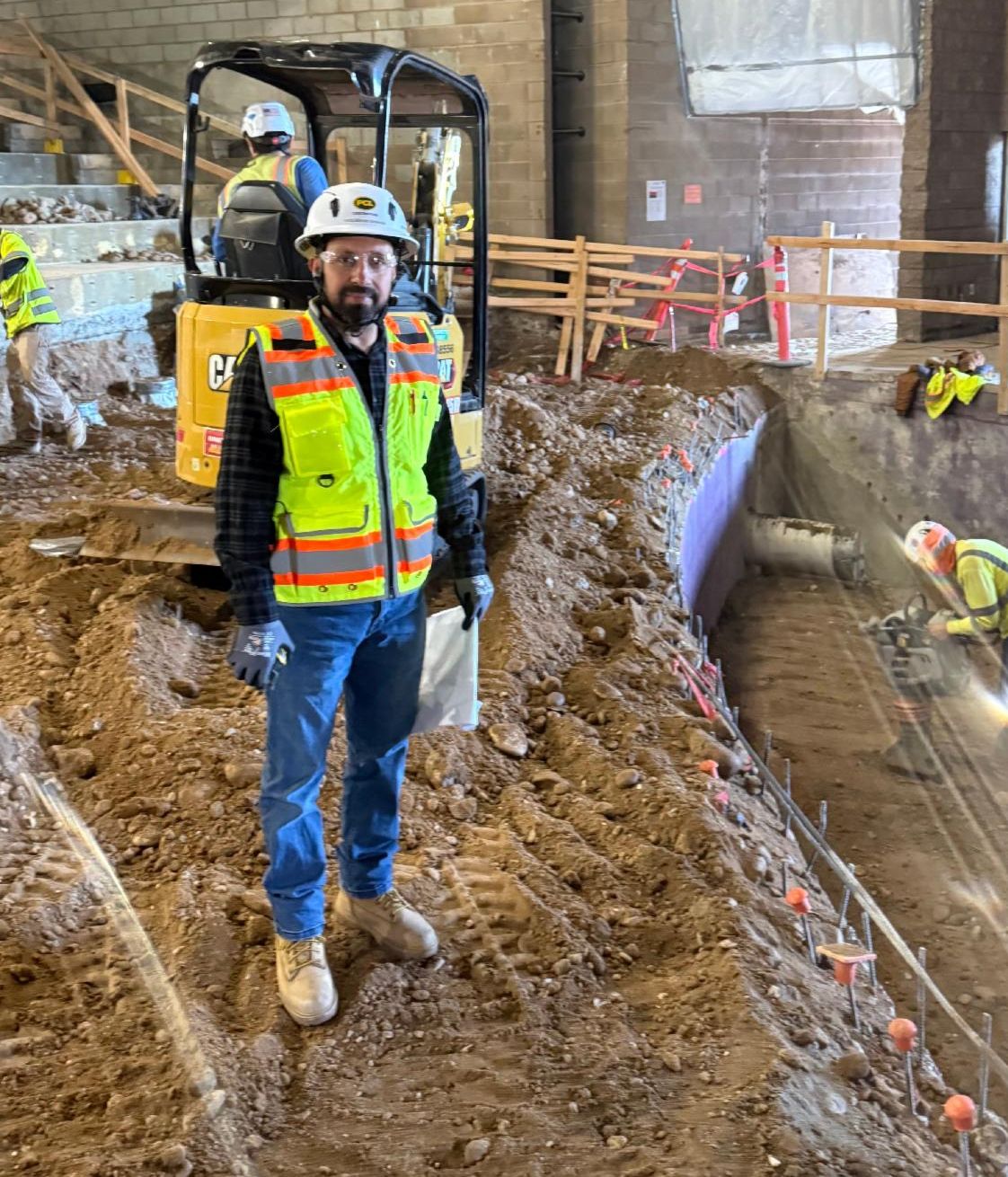
Yaqubshah Shahab arrived in the United States in August 2024 with his wife and three children. Now, just months later, he is building a new future as a full-time field engineer intern with PCL Construction while taking evening English classes at the San Diego College of Continuing Education. He recently shared his journey - why he left Afghanistan, the challenges his family faced, and the goals he is working toward in the U.S.
Shahab grew up in Afghanistan and earned a Civil Engineering degree from Kabul University. He joined Louis Berger, a U.S.-based company, where he worked from 2008 to 2011 on projects focused on rebuilding dams and power plants. This experience introduced him to large-scale infrastructure work.
He later became the chief design engineer at a local construction and logistics firm, managing government bids, preparing proposals, and performing structural analyses. One major project involved redesigning a 150-kilometer road, coordinating efforts between the Afghan government and a U.S. contractor. Growing safety concerns led the company to abandon the project after completing two of six sections.
Back in Kabul, Shahab started his own construction business, completing projects like clinics and schools. But as the Taliban gained control, threats to his safety grew worse. After three years in hiding, he and his family got U.S. visas, temporarily moved to Pakistan, and finally made their way to the United States.
The family first settled in Erie, Pennsylvania, but soon drove cross-country to reunite with relatives in California. With family support, they secured housing shortly after arriving.
In San Diego, Shahab and his wife enrolled in English classes at the College of Continuing Education. He also met with a career counselor who helped him identify opportunities that match his engineering background. His internship with PCL gives him hands-on construction engineering experience while improving his English - one of his biggest challenges since arriving. He attributes his progress to language courses, workplace interactions, and even delivery work for DoorDash and Amazon, which have helped him build confidence and communication skills.
Shahab encourages newcomers to utilize the educational and community resources accessible to them. He aims to start his own construction business, obtain his Professional Engineer (PE) license, and ultimately earn a master’s degree.
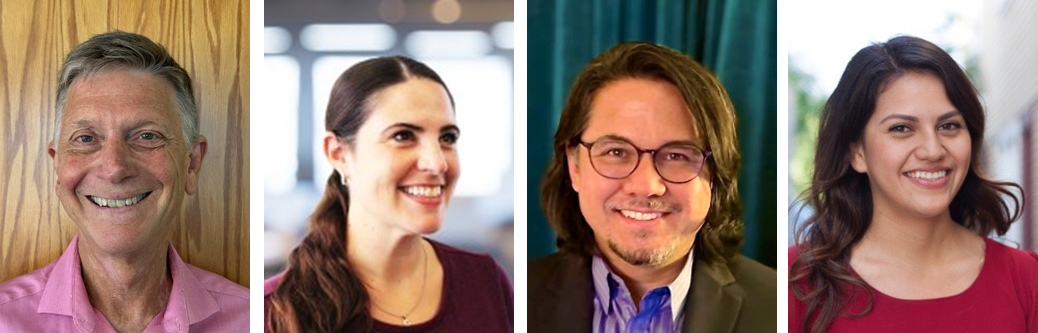
| | Building the future: SDCCD's architectural team shapes the district vision | | From left to right: Lance Lareau, associate vice chancellor/district architect; Emily Perez, assistant district architect; Benjamin Baker, assistant district architect; and Jennifer Chavero, architectural designer. | | |
Every new space in the San Diego Community College District starts with an idea - and a team capable of bringing that idea to life. Led by District Architect Lance Lareau, SDCCD’s architecture and design team ensures each project embodies the district’s values of sustainability, accessibility, and innovation.
Working alongside him are Assistant District Architects Emily Perez and Benjamin Baker, who transform concepts from the colleges into practical, buildable designs that support teaching, learning, and daily campus life. Their work ensures each project meets district standards while respecting the character and needs of the campus it serves. Rounding out the team is Architectural Designer Jennifer Chavero, who supports early design development, prepares drawings and technical documents, and helps ensure alignment with district standards and building codes.
A shared commitment to purpose-driven design
Each team member stepped onto the field for different reasons, but all share a belief in designing spaces that help students thrive.
For Lareau, architecture is both a family legacy and a lifelong passion. He began learning the craft in high school by helping his architect father with redline revisions for local schools - experiences that still influence how he designs educational spaces today. He approaches every project with great respect for how design impacts student confidence, comfort, and sense of belonging.
Perez realized early that she wanted “to draw the buildings my uncle built,” a childhood spark that grew into a career dedicated to designing stable, inspiring spaces. Baker was attracted to the chance to contribute to “something bigger” and to shape environments that improve daily life. Chavero was motivated by architecture’s mix of creativity and real-world impact: “I spend a lot of my free time in museums or making art, so designing real spaces felt like the perfect fit.”
Across the team, the most meaningful moments come from seeing students use the spaces they helped create - watching a plaza fill with activity or seeing a community embrace a new building.
Guiding principles: Belonging, sustainability, and holistic planning
Lareau describes SDCCD’s design philosophy with one word: Belong. Each project begins with understanding a campus’s mission and long-term vision, then moves into holistic planning that considers utilities, circulation, outdoor environments, maintenance, and flexibility for future needs.
Perez emphasizes that no project exists in isolation. Addressing one challenge often reveals opportunities to improve other areas. She notes that effective design involves considering the perspectives of presidents, deans, faculty, students, and operations staff who will maintain the facilities.
Baker emphasizes accessibility, durability, and support for the student experience as the team’s main priorities. Chavero highlights the importance of early stakeholder discussions to understand daily routines, ensuring spaces work well from the start and stay adaptable over the years.
Sustainability and innovation as standard practice
For the team, sustainability isn't just an add-on - it’s a core principle. Baker highlights the district’s Sustainability Plan and Universal Access Standards, both exceeding minimum standards. Perez emphasizes materials, energy systems, and long-term building performance, with a special interest in exploring cross-laminated timber (CLT) for its low carbon footprint and warm, natural look. Chavero observes that choices in finishes, colors, and textures mirror values related to comfort, health, and well-being.
Teamwork that keeps projects moving
Managing nearly 50 active planning and design projects under Measure HH - together valued at more than $1 billion - requires close coordination. The architecture team collaborates with project managers, Program Management Organizations (PMOs), and campus leadership. Weekly and monthly meetings keep work aligned and on track, with PMO teams providing essential behind-the-scenes support.
Across all four colleges, the team remains focused on a simple goal: creating environments where students can Be, Belong, and Become. Whether designing a major new building, a small outdoor space, or a behind-the-scenes upgrade, every project reflects SDCCD’s mission and its commitment to student success.
| | |
Coming Up:
With projects now underway and many more in the pipeline, Measure HH is already making a difference for the 90,000 students served annually by SDCCD. Visit the Measure HH website here to learn more.
If you are interested in learning more about Measure HH and would like to schedule a presentation for your campus organization or a community group you belong to, or have ideas for future stories, please email us at SDCCDMeasureHH@sdccd.edu.
We look forward to sharing updates going forward!
| | | | |