JULY | 2026

National Center for Children's Vision and Eye Health at Prevent Blindness

Bonnie Strickland Champion for Children’s Vision Award

Nominations Due July 25, 2026!

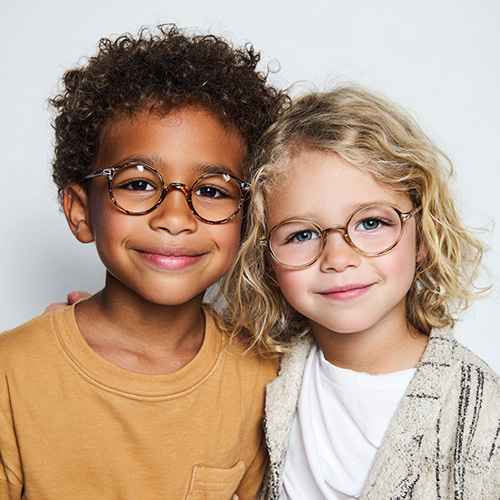
two preschool-aged children wearing glasses

Do you know an individual, or a group, who makes a significant difference in children’s lives in the United States by improving their vision or access to eye care? If so, nominate them for the 2026 Bonnie Strickland Champion for Children’s Vision Award. Nominees for the award may be individuals or groups composed of diverse stakeholders, including families/caregivers, community leaders, public health professionals, healthcare and eyecare providers, educators, and others, who are implementing changes to improve children’s vision and reduce disparities in children’s vision and eye health in the United States.

Free Webinar

Collaborative Solutions for Expanding Eye Care Access in Special Populations

Please join Prevent Blindness for an informative online roundtable discussion to learn practical strategies and actionable ideas for building and strengthening partnerships that improve access to eye care for foster youth, immigrants and refugees, and Tribal communities. You will learn about innovations across the United States, including eye care provided through the Fostering Health Program at the Children’s Hospital of Philadelphia, a school-based health center in Massachusetts, and eye care programs serving the Navajo Nation.

Action Alert

On June 16, 2026, the U.S. Department of Education announced it will transfer the Office of Special Education and Rehabilitative Services (OSERS) to the Department of Health and Human Services. Moving the Individuals with Disabilities Education Act (IDEA) out of the Department of Education is more than a bureaucratic shuffle. It signals a move toward a medical model that treats students as patients rather than learners with strengths, potential, and belonging.


Tell your elected officials we need a strong federal role in special education, one that puts children with disabilities, not politics, at the heart of every decision.

Be Prepared for the Start of School:

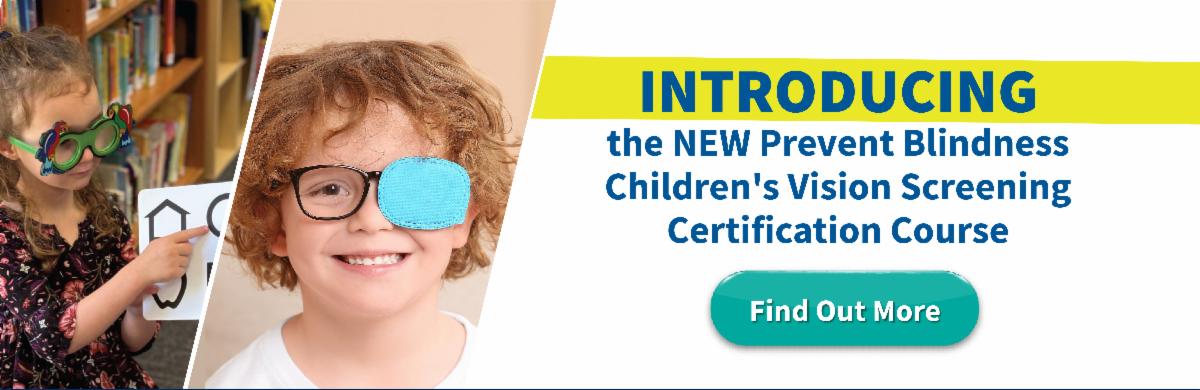
Children’s Vision Screening Certification Course

Enroll now in our revised Children’s Vision Screening Certification Course to learn how to use evidence-based screening practices confidently to improve your program, school or school district, or pediatric clinic accuracy in screening and helping children get the eye care they need.

Explore our latest publications and resources in the “What’s New” section of the Vision Screening Guidelines by Age webpage.


Updated Preschool Vision Screening Recommendations


The NCCVEH at Prevent Blindness published updated preschool vision screening recommendations that reflect current evidence and best practices for screening children ages 3 through 5 years.


NCCVEH Preschool Vision Screening Guidelines: 10 Key Shifts from 2015 to 2025


Review a summary of the significant changes in preschool vision screening recommendations since the 2015 publication, highlighting updates in screening methods, referral criteria, and best practices. The document includes frequently asked questions.


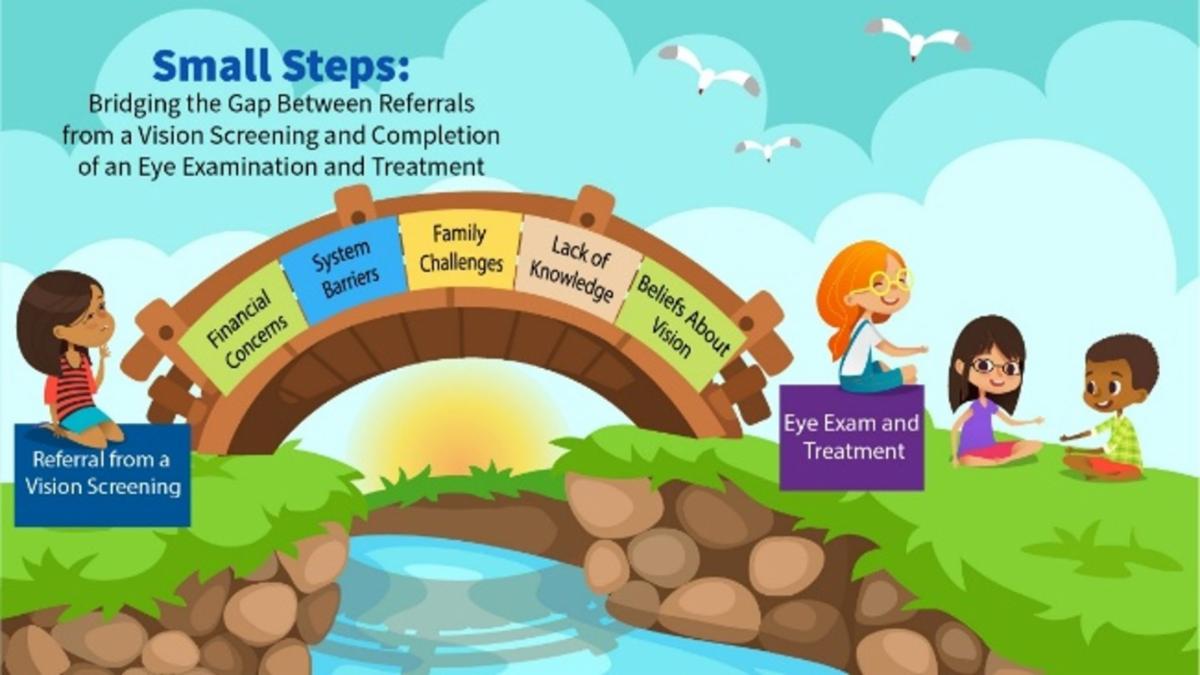
Small Steps to Eye Care Action Plan: A Conversation Guide

Small Steps

This new conversation guide helps families and providers work together to address barriers to eye care and support follow-through, helping bridge the gap between referrals from vision screening and confirmatory eye examinations and treatment. Mary Noga’s article, Improve Vision Referral Completion by Implementing the Small Steps to Eye Care Action Plan, published in NASN School Nurse, provides additional information about implementing the Action Plan. Available in Spanish at Plan de acción “Pequeños Pasos para el Cuidado de los Ojos: Guía de Conversación”

Prevent Blindness Ohio Spotlight:

Helping Children and Parents Obtain Free Vision Services

Prevent Blindness Ohio logo

Prevent Blindness Ohio’s (PBO’s) Vision Care Outreach (VCO) Program provides donated, comprehensive eye care, including professional exams, education, and eyewear, for medically underserved Ohioans who meet income guidelines. Clients in need of eye care are referred to PBO through a statewide network of hundreds of partner organizations or are served directly by PBO. Partner organizations include health departments, free clinics, re-entry programs, schools, and other social service organizations. If you are an Ohio organization and would like to learn more about the VCO program, how schools can participate, or how your organization can become a referral partner for children and parents needing free vision services, please contact PBO at info@pbohio.org.

Give Help and Hope

Support children's vision and eye health and make your gift today!

Prevent Blindness logo

PreventBlindness.org | nationalcenter.preventblindness.org

Facebook  X  Instagram  YouTube  LinkedIn