|
Dear Reader,
My mother grew up in poverty in Germany during World War II. And at just twenty years old, she made the brave decision to leave everything behind—her family, her country, her past—for a chance at a better life in America. She boarded a ship alone, filled with hope but facing the unknown. Unfortunately, her life continued to be filled with hardship, and she missed her family terribly, but her courage in the face of uncertainty has always inspired me. It’s why I wrote my first novel, which included many of her stories about the war.
My mother’s story also reminds me how difficult it must be for people to walk away from everything familiar, with no guarantees of what lies ahead. Not to mention it's one thing to make that leap alone; it's another thing entirely to do it with your children by your side. Which raises an unsettling question: What kind of suffering drives someone to take that risk? And what happens when taking that risk makes everything worse?
It's easy for most of us to grasp the obvious challenges immigrants face—finding housing, securing gainful employment, being accepted, and navigating a new culture. But many of the immigrants arriving in the United States during the first half of the 20th century encountered something more sinister: America’s eugenics movement. This racist pseudoscience aimed to eliminate those deemed "unfit" and preserve only those who conformed to a so-called Nordic ideal. But while most people think the concept of a white, blond-haired, blue-eyed master race originated with Hitler, the idea was created in the United States during the late 19th and early 20th centuries, decades before the Nazis came to power.
During that time, the tired, the poor, the huddled masses yearning to be free discovered that policies of exclusion and eugenics made mere survival a battle. After a brutal passage to the United States, they were judged and possibly imprisoned or deported based on their race, origin, class, education level, and mental and physical health. Eugenics laws and beliefs had the power to tear families apart, to institutionalize people for life, and to take away a person’s right to have a family. But, as you’ll discover in my novel, the danger of eugenics extended beyond immigrants—American citizens, too, were at risk of being labeled mentally, physically, or socially inadequate, which means they could be subject to forced sterilization, institutionalization, and the loss of their children.
I chose to write about America’s eugenics movement because of its disturbing connections to the Holocaust, mental asylums, and state institutions, which are topics I've explored in previous novels. It’s a dark and painful chapter in our history, but it echoes many of the injustices we see in the world today. When I began researching this topic over three years ago, I never imagined how alarmingly relevant it would be in 2025. However, even before we saw migrants and citizens alike being detained and sent away, laws in thirty-one states—and Washington, D.C.—still permitted forced sterilization of immigrants, people with disabilities, and the incarcerated.
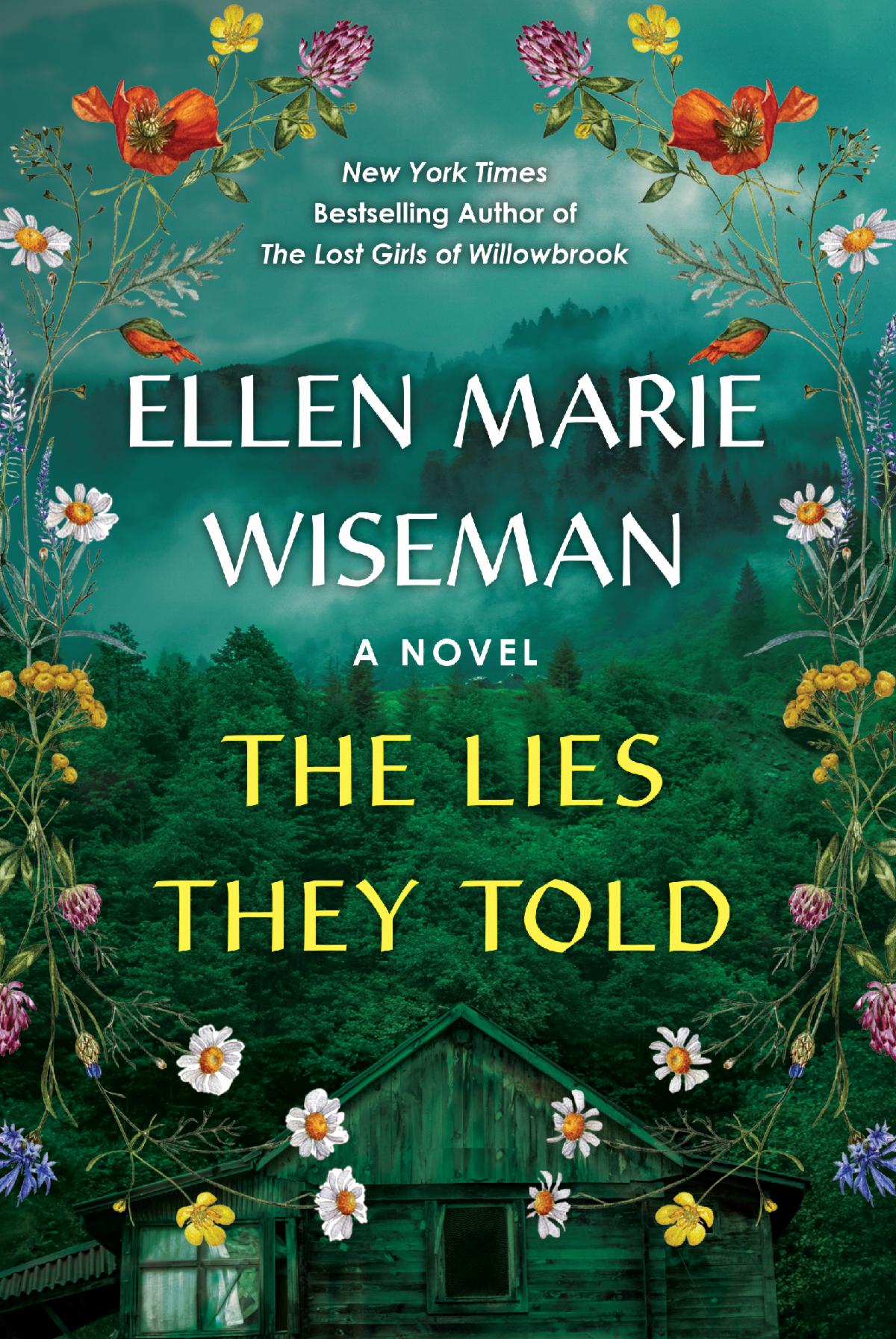
The American eugenics campaign is a shocking, tangled web that I could only touch upon in this novel, so please be sure to read the Author’s Note and Reading Guide at the end of the book. I hope the novel entertains and inspires you— and invites you to step into the shoes of those who have lived through fear and injustice—to see their humanity, to recognize their pain, and to remember that all people, regardless of race, nationality, religion, education levels, physical or mental ability, deserve empathy, kindness, dignity, safety, and the chance to live free.
Wishing you all the best,
Ellen
|