|
The Petrach Program on Ukraine at the Institute for European, Russian, and
Eurasian Studies invites you to:
| | |
Tuesday, November 18, 2025
11:00 am - 12:00 pm EST
Online Event
| | |
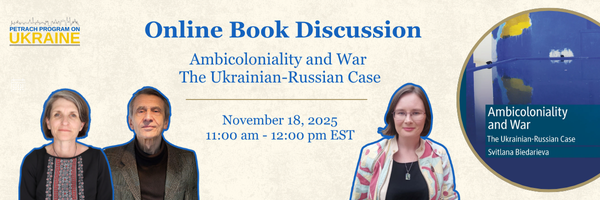
Join us for a discussion of Ambicoloniality and War: The Ukrainian–Russian Case with author Svitlana Biedarieva, in conversation with two prominent thinkers on issues of coloniality and Ukraine/Russia, Oksana Yakushko and Mykola Riabchuk.
Biedarieva’s book introduces the concept of “ambicoloniality” to describe the complex relationship between Ukraine and Russia, one in which Russia’s imperial desire to dominate Ukraine has paradoxically placed it under Ukraine’s symbolic influence. The work offers a fresh framework for understanding how colonial and decolonial dynamics have unfolded across shared borders rather than distant colonies, exploring the intertwined histories and cultural hybridities that continue to shape both nations.
Together, the author and discussants will examine how this new model redefines understandings of power, identity, and resistance in the post-Soviet space.
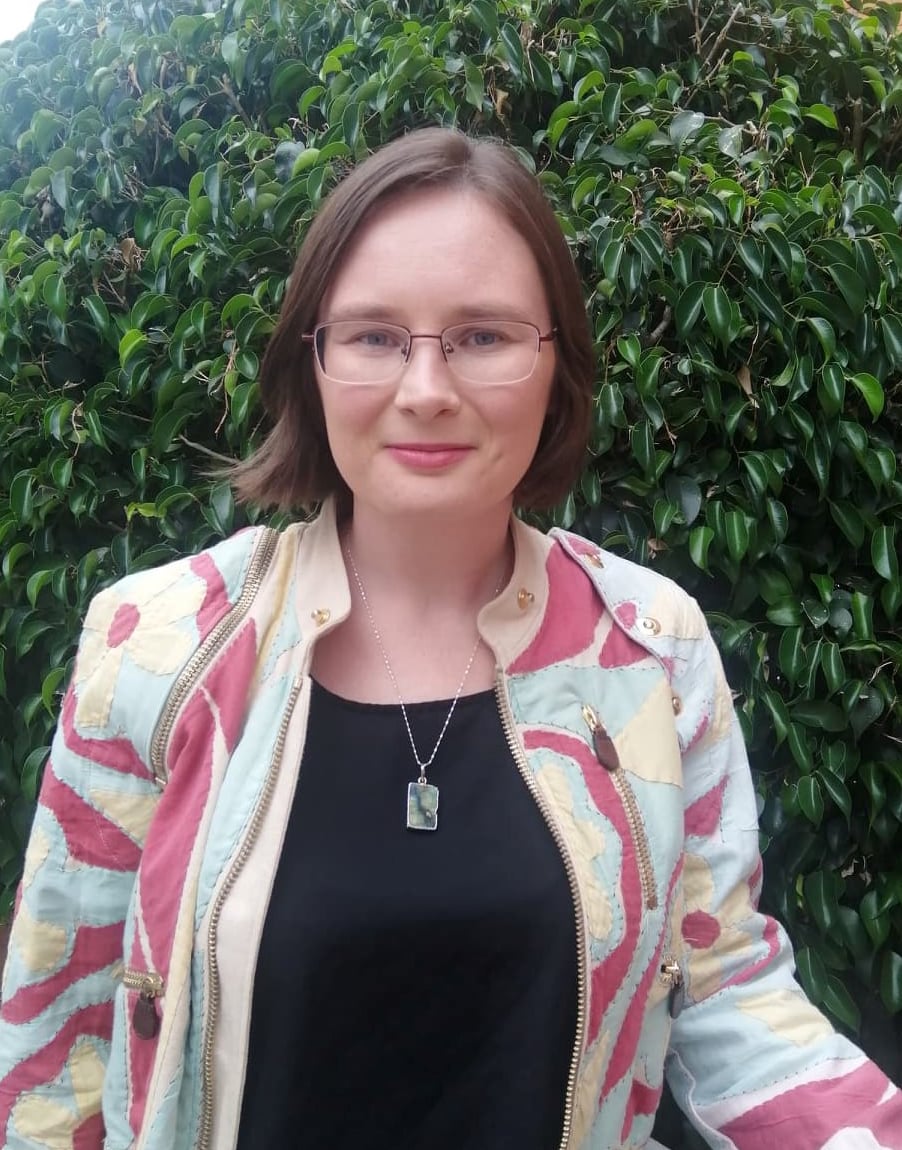
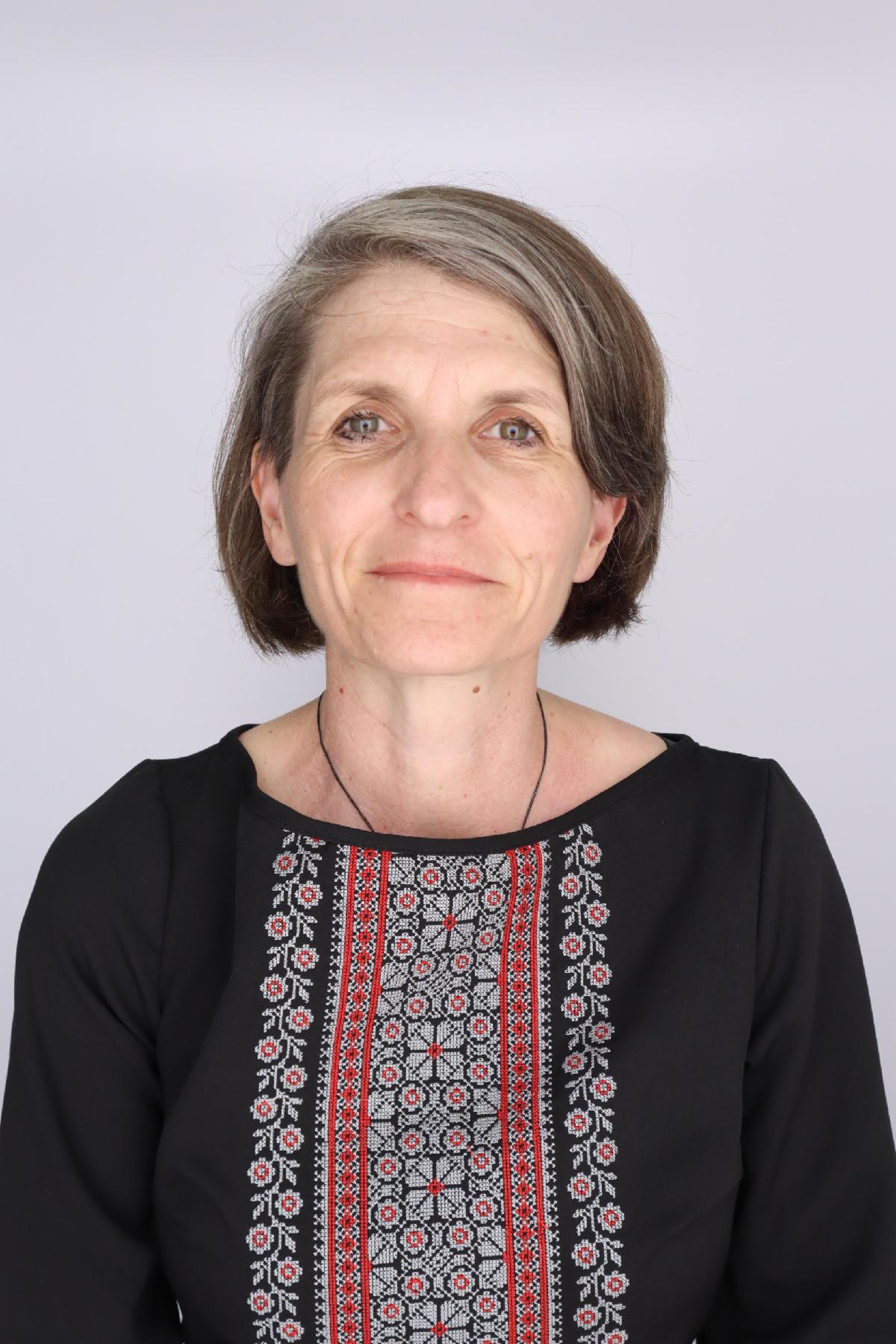
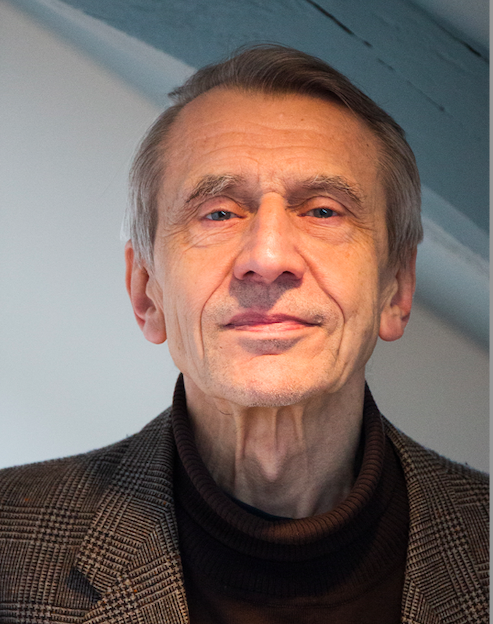
| | | | Svitlana Biedarieva is an art historian, artist, and curator. She is the editor of Art in Ukraine Between Identity Construction and Anti-Colonial Resistance and Contemporary Ukrainian and Baltic Art: Political and Social Perspectives, 1991–2021, among others. She is the General Editor of The Harvard History of Ukrainian Art book series. She serves as President-Elect of the Society of Historians of East European, Eurasian, and Russian Art and Architecture and is the Founder of Ukraine Decolonial Studies Network. She has published texts in leading academic journals and media outlets, and holds a PhD in History of Art from the Courtauld Institute of Art, University of London. | | | | Oksana Yakushko, PhD, is a professor and Director of the Professional Psychology doctoral program at George Washington University, DC. She is a licensed clinical psychologist and certified psychoanalyst. Her scholarly work has focused on the history of psychology, immigration, and culture. Her work on colonial epistemologies in psychology has focused on historic and present-day eugenic and scientistic practices, denials of history, scientific violence, and ideological erasures. As a member of the Ukrainian diaspora, she publishes and collaborates with numerous scholars and activists in response to Russia's war against Ukraine. | | | | Mykola Riabchuk is a Principal Research Fellow at the Institute of Political and Ethnic Studies in Kyiv and a visiting lecturer at the University of Warsaw. He penned a dozen books translated into Polish, French, German, Serbian, and Hungarian, and was distinguished with several awards, most notably the Antonovych Prize, the “Bene merito” medal of the Polish Minister of Foreign Affairs, Jerzy Giedroyc Prize, the Order of Merit of the Republic of Poland, and the Taras Shevchenko National Prize in Arts and Literature. His latest books are Eastern Europe since 1989 and At the Fence of Metternich’s Garden. | | |
Dr. Henry Hale is the Director of the Petrach Program on Ukraine and Director of George Washington University’s Institute for European, Russian, and Eurasian Studies. He is a Professor of Political Science and International Affairs, and his most recent books are The Zelensky Effect (co-authored with Olga Onuch) and Patronal Politics. Prominent themes in his research include ethnic politics, political regimes, voting behavior, the public opinion dimension of international relations, and politics in post-Soviet countries.
| | The Petrach Program on Ukraine at GW condemns Russia's invasion of Ukraine and calls for the restoration of Ukraine's territorial sovereignty. | |
The Institute for European, Russian and Eurasian Studies (IERES)
Elliott School of International Affairs, George Washington University
1957 E Street, NW / Suite 412 / Washington, DC 20052
| | | | |