Full Newsletter Header

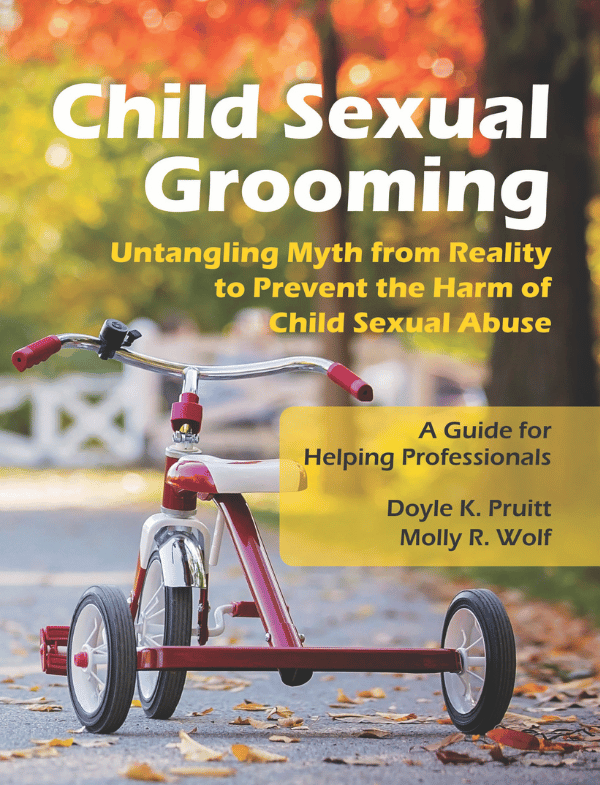
Child Sexual Grooming

Untangling Myth from Reality to Prevent the Harm of Child Sexual Abuse

A Guide for Helping Professionals

by Doyle K. Pruitt, PhD, LCSW-R & Molly R. Wolf, PhD, LMSW

Child sexual grooming is a deliberate, deceptive process that precedes child sexual abuse. Grooming involves behaviors, both in-person and online, that opens predatory access to the child while reducing the likelihood that the abuse will be detected. It targets not only the child but also their caregivers and other influential adults. Understanding and preventing grooming is crucial for stopping child sexual abuse.


Sadly, the word "grooming" has been hijacked for political reasons, its meaning stretched beyond any useful definition. Child Sexual Grooming, by Doyle Pruitt and Molly Wolfe, has been written to restore clarity and understanding about just what child sexual grooming is, how it is perpetrated, the impacts grooming has on the immediate victim of the abuse, as well as on his or her family and extended caregivers, and how these harmful effects can be mitigated and prevented.

This book is based on empirical research and the authors' extensive clinical experience with survivors, offenders, and organizations dealing with these issues. As is evident by the Table of Contents, the book is extensive and thorough:


Table of Contents

  1. Introduction
  2. An Overview of Child Sexual Grooming
  3. The Process of Child Sexual Grooming
  4. The Impact of Child Sexual Grooming
  5. Recognizing the Signs of Child Sexual Grooming and Abuse
  6. Working with Survivors of Child Sexual Abuse
  7. Risk Factors and Protective Factors
  8. Working with Families
  9. Educating Stakeholders
  10. Working with Organizations and Communities
  11. Intervening with Adults Who Sexually Harm Children


Concluding Thoughts

This practical guide will prove indispensable to therapists, social workers, counselors, and anyone who works with those exposed to the harm of sexual abuse. It will prove valuable for those working in criminal justice and need to understand the true nature of child sexual grooming.


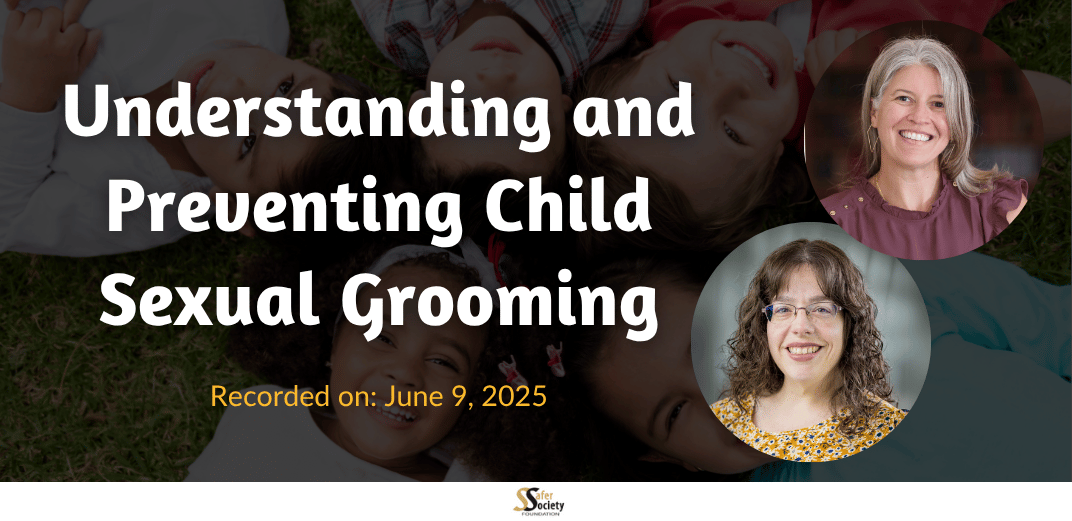
Understanding and Preventing Child Sexual Grooming
Guest Speakers: Doyle K. Pruitt, PhD, LCSW-R & Molly R. Wolf, PhD, LMSW

The sexual grooming of children has emerged as a focal point of renewed public interest and prevention research. Child sexual grooming is a deliberate and deceptive process that paves the way to child sexual abuse. It involves behaviors that provide predators with access to children while reducing the likelihood that the abuse will be detected. Grooming tactics target not only the child but their caregivers and other influential adults as well.


This webinar features Drs. Doyle Pruitt and Molly Wolf, who discuss what professionals need to know about child sexual grooming. In their new book Child Sexual Grooming, Pruitt and Wolf dispel common misconceptions and provide evidence-based information to help protect children from sexual abuse.


Understanding Child Sexual Grooming - Part 1: Beyond the Myths to the Reality

Misinformation surrounding the term “grooming” is widespread, and the term is often weaponized in public discourse, where it is suggested that children can be “groomed” quite quickly by even brief exposure to certain books, individuals, or media. In this first of three blog posts, we’ll take a look at what grooming really is, examine some ways it is carried out, and consider ways it can be prevented.


The misuse of the term not only distorts the true meaning of the act, but it also creates confusion and fear that can hinder real prevention efforts. This is why it is crucial to clarify what the term truly means and, just as importantly, what it does not mean.

Understanding Child Sexual Grooming - Part 2: Short- & Long-Term Effects on the Child

In this second post, we take a look at the following questions:


Understanding Child Sexual Grooming - Part 3: Empowering Prevention and Collaborative Responses

The third part of this series addresses two questions professionals frequently encounter about sexual grooming:


  1. How can we equip children and parents with the knowledge and skills needed to reduce their risk of victimization?
  2. What strategies help mental health providers work more effectively with colleagues and community members on this issue?


Linkedin