|
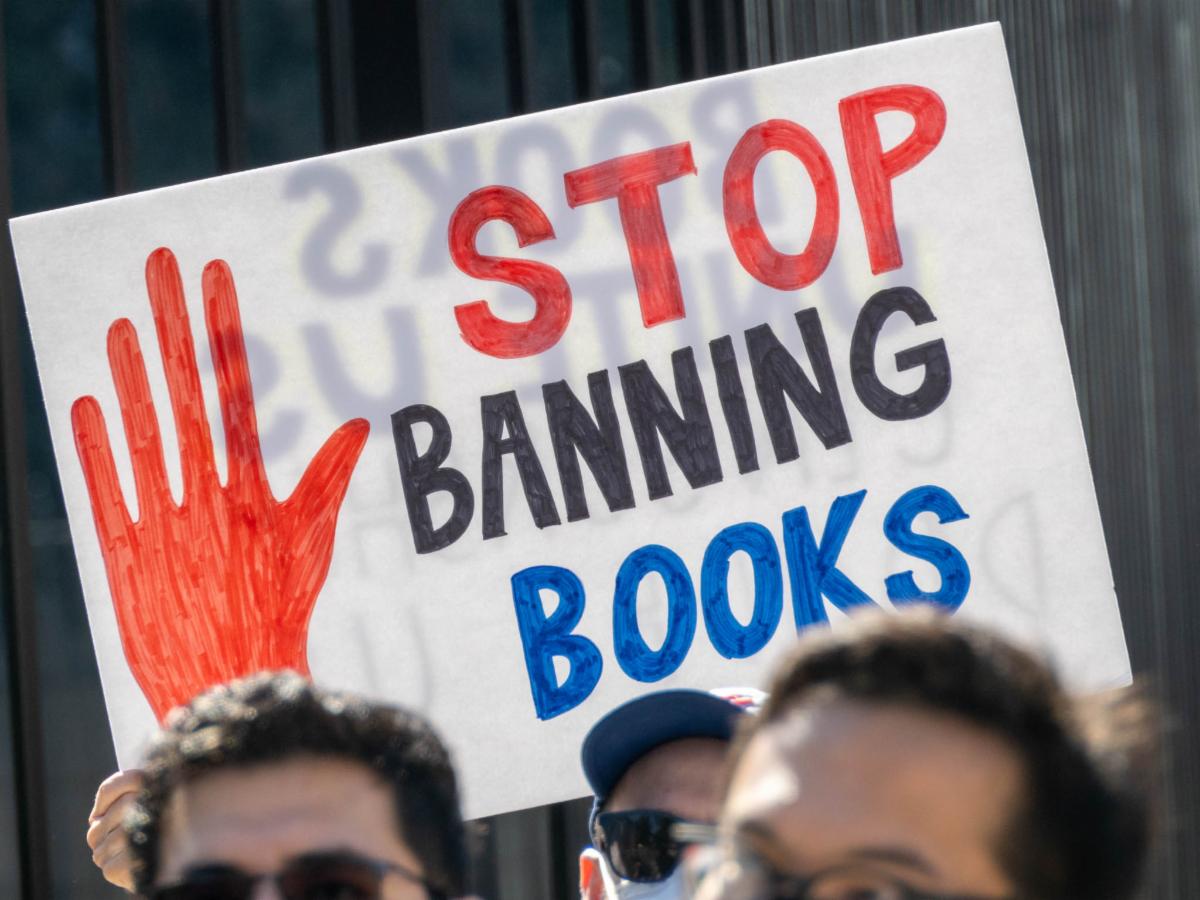
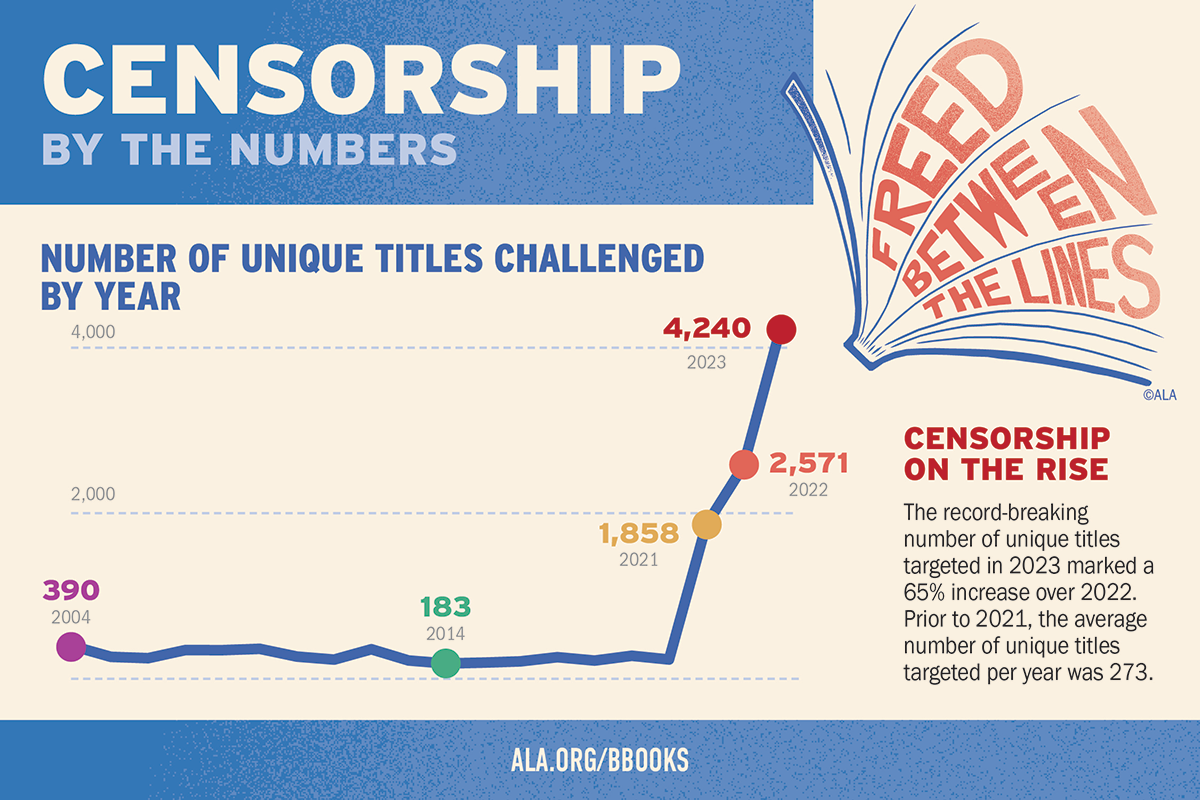
In America today, we have a problem with censorship. The censors are desperate to preserve cultures that cannot be reconciled with other cultures. An idea preserved by the exclusion of competing ideas is unworthy of respect. We live in a diverse world and despite the stubborn certainties of old cultures, conflicts between them expose the insufficiency of each.
| |
|
I believe that humans are born with precultural similarity and that our cultures shape us into different peoples. But culture is secondary to the original biological creature. One way cultural cohesion is secured is by schismogenetic judgements laid upon competing cultures. I learned about this sociological principle from David Graeber and David Wingrow’s Dawn of Everything, published in 2021. The tendency is primitive, ordinary and unkind. I sometimes wonder if such cultural smallness might not be explosion of the original problem of self. Me good, you bad. Me, my family, my village, our country, our culture, our nation. Us good, you bad. Civil behavior seems to worsen with cultural difference.
| |
|
Can you identify a facet of yourself fully unrelated to external influence? When I seek the original Tony, the one lacking parental influence, education and cultural exposure, I find only an unsaturated perceptual creature. When I inventory my traits, other than my mere flesh, I cannot find a true self unaffected by enculturation.
| |
|
The ego seems no more than a conglomeration of experiences, somewhat arbitrary, circumstantial, affecting and altering the conscious feeling being. The ego delusion is a main source of psychological and social strife. If family, town, culture and nation are projections of this common yet partial perspective, it is no wonder that people are mistrustful and warlike. If we transcend ego-centricity, maybe we can become comfortable in diversity and pleasant, non-combative creatures. If people are so smart, why have we used our intelligence for meanness and violence? Our cultures preserved and passed down mythologies that solidify power for those who possess it. You will often be punished if you pursue sounder truths.
When I have a bold idea I share it with persons who know more than I about my topics. I feel compelled to arrange diverse knowledge into stable patterns in my attempts to comprehend our tortured and confused species. Certainty is not possible and one eventually must accept that we cannot answer every question we ask. I think It is dishonest and subversive to invent fairy tales for the unknowable. Promulgating falsehoods in support of one’s own authority is perfidious.
A person from anywhere could transcend their culture and embrace civilization. It requires measured disrespect for the cultures of the past. Every culture contains worthy principles, yet each is burdened with ancestral baggage, rotten ideas we were forbidden to question for the offense such would affect on privilege.
Censorship seems to be the only weapon left when reason and trust are absent. Did you ever meet a person, so vastly intelligent and undeniably wonderful that they could choose books for all the rest of us? Who is qualified to be a censor? Should I limit your reading choices?
-Tony
| |
|
Are you a concerned Utahn looking to get involved? The Let Utah Read Coalition is an excellent resource for those who want to keep abreast of what is going on in our schools and libraries. All Americans have the right to access a wide range of literature and to engage with diverse ideas, free from censorship or discrimination.
Learn more about how you can take action!
| |
|
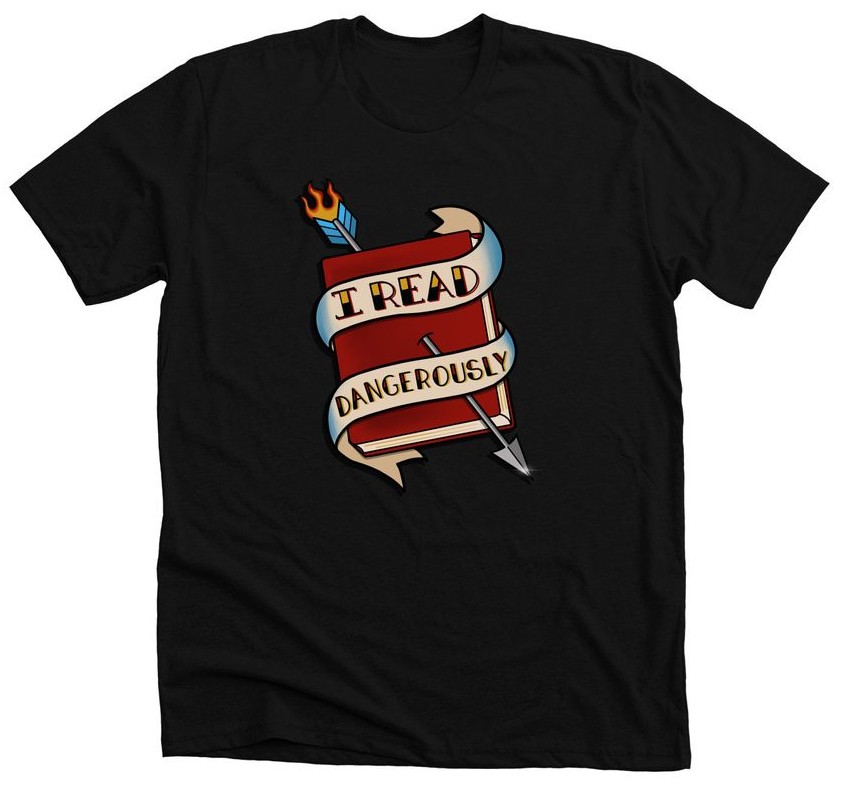
Want to get involved AND sport some sweet merch? Consider donating to ABFE.
American Booksellers for Free Expression (“ABFE”) is the free expression initiative of the American Booksellers Association. Their mission is to promote and protect free expression, particularly expression within books and in literary culture, through legal advocacy, education, and collaboration with other groups with an interest in free speech.
| |
|
March-April
Best Wellers’ Pick
| |
RECEIVE 20% OFF WHEN YOU PURCHASE DURING MARCH AND APRIL | |
|
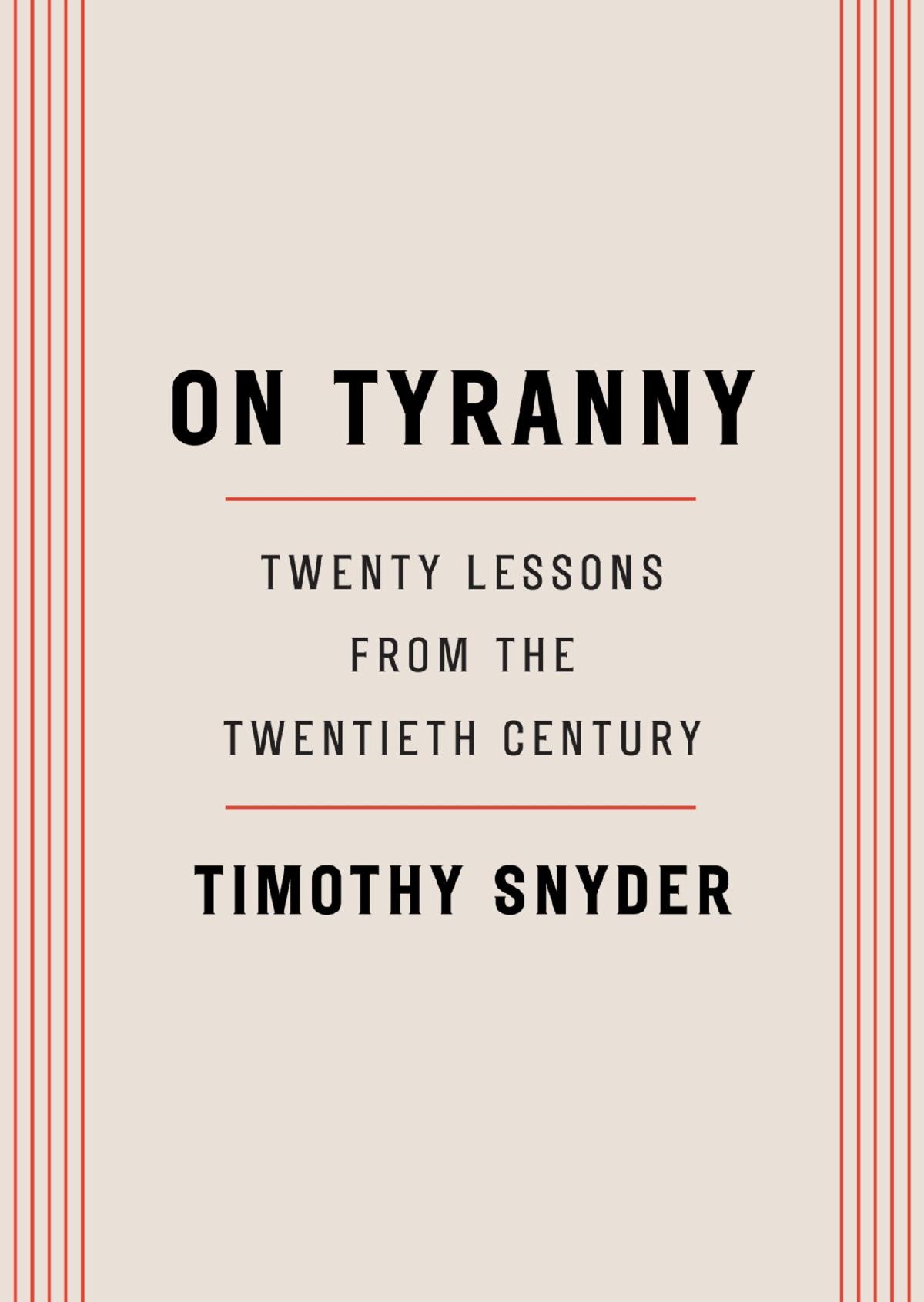
By Timothy Snider
Crown Publishing Group
Paperback $12.00
Best Weller’s Price: $10.39
Reviewed by Liam Harrison-Stewart
On November 6th, 2024, I woke up in my pitch dark room in the basement and looked around in the blackness, the blackness that illustrated the terror coming over me. At first, I tried to convince myself that maybe the election results had been a dream. It took me until Inauguration Day to understand that this was really happening, that the United States could be succumbing to fascism. How could we have done this? We have seen in history what tyranny does to the world as a whole, how it destroys lives, and oppresses the people who are considered “the enemy.” What we don’t seem to do as a nation, is learn from the past, be it our own history or other countries. Timothy Snyder makes this clear in his pocket size book On Tyranny, desperately trying to warn America that it would soon be our turn for the failure of democracy. We did not take that warning seriously enough.
In twenty short lessons, Snyder outlines a guide to fighting Tyranny, beginning with the importance of not submitting to a tyrant in advance. In the 1932 German elections, it became clear that the Nazis were going to rise to power, and because they were met with very little resistance from the public, they realized how quickly they could build the Third Reich government, which was completed in only fifty-three days. Austria immediately submitted to the Nazi’s desire to take over and most Austrian citizens were willing to go along with the forced labor of their Jewish neighbors. In 1941, when Germany invaded the Soviet Union, the military devised how they would carry out mass killings by guessing what their superiors would like them to do– even without direct orders to conduct any.
As Snyder moves deeper into the philosophical nature that defines authoritarianism, fascism, and communism, the encouragement that the reader “do something” becomes much stronger. We must act, so the process of usurpation is slowed and tyrants know that everything they do will be resisted. For example, we must defend institutions– even if they are institutions that put the dictator in a position of power. If we allow institutions to fall or simply believe that they won’t disappear because it doesn’t seem practical, we are on the road to becoming a totalitarian state. We are seeing this now with the current President’s attempts to dismantle the Department of Education and the USAID among others. Trump is only steps away from dismantling more institutions that protect the American citizen’s way of life. What is terrifying is that no one is stopping him, not Congress, not the Supreme Court, and not the American people who put him where he is.
Snyder’s most valuable lesson in this book is only one page long, that is lesson twelve: “Make eye contact and small talk.” The oppressed memoir writers of Nazi Germany, Fascist Italy, the Soviet Union, and other regimes warmly recall the kindness of their neighbors and friends in times of fear. It gave them hope and stopped widespread terror. This is a trend that must continue in order to show a tyrannical government that their enemies have support and will not simply disappear without a fight. By acknowledging and giving kindness to oppressed groups, we remind them that they aren’t alone, but if we start avoiding eye contact, crossing the street to avoid them or don’t acknowledge them, fear grows. The tyrant always feeds off that fear.
“Be Kind to Our Language” is another lesson that stuck out to me because Snyder conveys the importance of avoiding the internet as much as we can and reading books. Books give us a way to judge the intentions of the other person with complex but valid reasoning and can provide insight and warning into real world issues. Great novels like George Orwell’s 1984 or Ray Bradbury’s Fahrenheit 451 highlight the dangers of moving too far towards digital media and discarding books. As a bookseller, I couldn’t agree more with Snyder’s analogy. If we continue to move away from literature, then we lose our sense of self, our ability to decide whether or not something is ethical, like political belief and the actions of our government.
When I finished reading On Tyranny, it gave me genuine hope in a time when most are despairing over politics and the future of our country. The most valuable idea I took away was that I should not be silent, especially as a young person who is the future of this country. Democracy is dying, but it is not completely dead until all political power is usurped into one branch. I will never stop fighting: for my friends in the LGBTQ community, for people of color, for those who are being deemed as not worthy of being American citizens. There is still time to stop the fall of democracy, and my first step in doing so was nominating On Tyranny as our next “Best Wellers.” My fellow booksellers have taken steps too, by voting to make my nomination win. If we as a book community continue to promote the literature of rebellion and empower each other to read great books– be they the classics, modern, nonfiction, fantasy, or anything that holds an idea– we can win the fight against fascism.
Snyder’s final lesson tells us we must be courageous. We cannot take baby steps to stop this, and we absolutely cannot sit idly by and hope that everything will change without our voice. To quote the final line in lesson twenty, “If none of us is prepared to die for freedom, then all of us will die under tyranny.”
| |
|
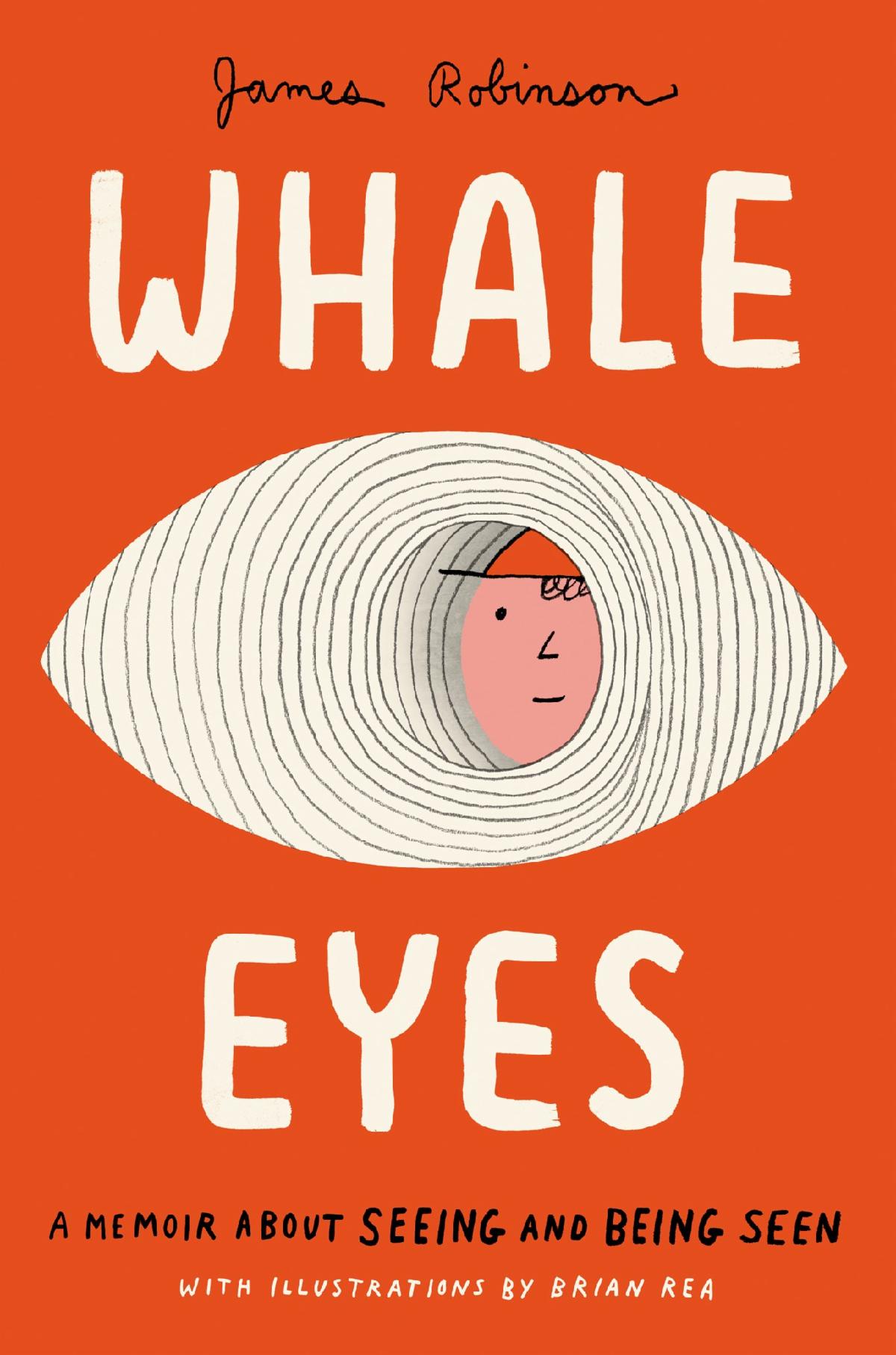
Written by James Robinson
Illustrated by Brian Rea
Penguin Workshop
Hardcover $18.99
Pub Date: March 18, 2025
Reviewed by Claire Margetts
Dear Starer, I just wish you knew how deep our connection could be.
Until next time, 👀
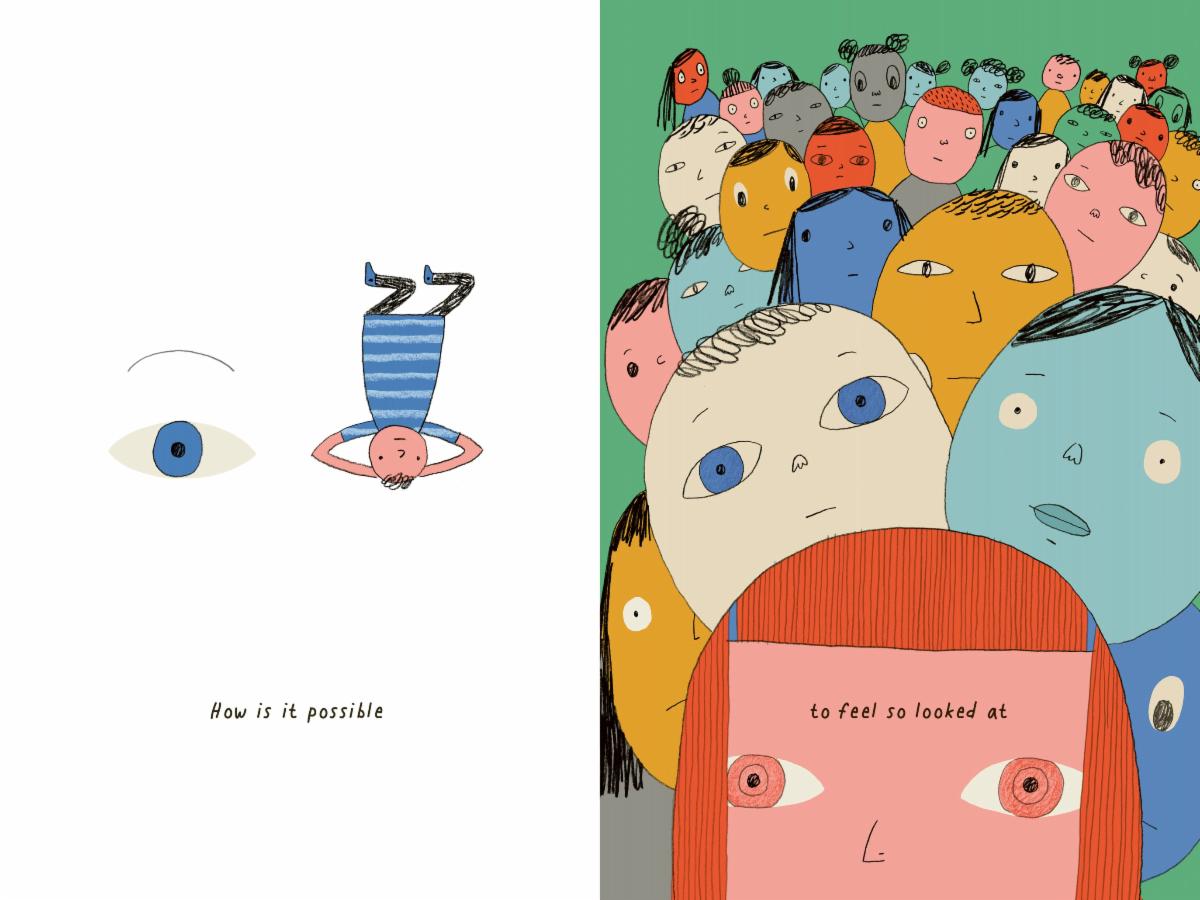
In his new biography for kids, James Robinson invites readers to experience the world through his misaligned eyes. He takes us on a ride through his head, sharing how his disability affects his vision using playful illustrations, vision tests, and entertaining anecdotes. This is a safe space to confront discomfort with disability and turn confused, blank stares into powerful connections.
I really enjoyed getting to know Robinson through Whale Eyes. He's a wonderful and direct narrator who takes care to allow us into his world. He tells stories like trying to read in class and struggling. As he describes his memories, the illustrations and text jump and jitter across the page simulating what he experiences visually. We even get to practice "pretend reading" as we hold the book upside down as he did in fraught quiet reading sessions at school. At times, it's frustrating and makes you slow down and take time with his words. One thing that really stands out to me is Robinson's focus on connection and understanding. Here, you can immerse yourself in another person's perspective and see the world a different way. It works as a great jumping off point to talk with kids about disabilities in a friendly and engaging way. Take an eye test in the book and see how your vision differs from Robinson's. He invites us to investigate, ask questions, and engage.
In addition to exploring different ways of perceiving the world, the book also meditates on setting personal goals and finding yourself through your passions. Robinson's saving grace during school became documentary filmmaking. Everything about it struck him right, and ignited his imagination in ways he hadn't felt before. Through film, he was able to tailor his research to subjects that fit his interests as well as the way he took in the information. Since reading was such an agonizing experience due to strabismus, he found other ways to research and study ideas. He encourages us to find and pursue learning styles that work for us in order to maximize our joy.
Whale Eyes feels like you're having a conversation with an old friend. Robinson welcomes you into his world with open arms and is excited to share.
PS: Follow this link to view James Robinson's 12-minute video that inspired Whale Eyes!
| |
|
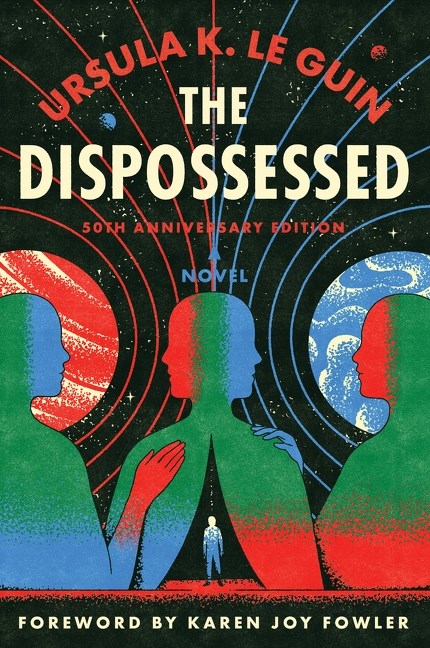
By Ursula K. Le Guin
Harper Perennial Modern Classics
Paperback $18.99
Reviewed by Dylan Parry
Ursula K. Le Guin is one of the best known masters of science fiction, and one of the few authors of the genre that I, someone who does not read a lot of science fiction, can say I have an affinity to returning to, time and again.
Her 1974 novel, The Dispossessed, is the first book of hers I read. It opened me up to exploring the genre further, but no matter who else I dabble with, Le Guin and The Dispossessed are unmatched. But it seems that for some newer readers of the genre, this book gets overlooked, which is a shame.
Set in Le Guin’s “Hainish Cycle”, The Dispossessed follows Shevek, a man living on the moon Anarres whose inhabitants are the descendants of a failed revolution on the planet Urras, which they orbit. For more than a century, the Anarresti and Urrasti have been cut off from one another, wanting nothing to do with each other after the failed revolution, except for the lucrative mining operations on Anarres and the Urrasti who buy the minerals. But the time has come to try and reconnect, and Shevek is the man sent to Urras to make it happen.
Along the way we are entreated by Le Guin to view not only Shevek’s personal history and upbringing, but the kind of society the Anarresti have created for themselves, and attempted to create all those years ago on Urras. The society Le Guin builds is not subtle, it is explicitly an Anarchist one. But what Le Guin shows is not some hyper-idealized utopia where everything is bucolic, and nobody is harmed; on the contrary, she shows the shortcomings and hurdles the Anarresti must overcome, and the division between ideals and the material realities
they must face to achieve the goals of their ongoing revolution.
Contrasted with that, is the societies of Urras, mostly shown to us within the nation of A-lo where Shevek meets many ideas and societal norms contrary to the ones he is accustomed to, back on Anarres. Capitalism, Patriarchy, Imperialism, Totalitarianism, and more are on full display in A-lo and the other nations of Benbili, and A-lo’s true competitor, Thu.
Things take a turn for the worst as Shevek tries to contend with all these differences, and learns that A-lo has declared war on Benbili, a sort of satellite nation to Thu, setting the nations of Urras on a collision course of destruction.
Le Guin’s novel is a product of its time, a Cold War science fiction novel. But what she has to say about “Western Society” still holds true today, and how we — with a little bit of revolutionary drive — could change things for the better, but also showing us that the road to that “utopia” can be ambiguous.
| |
|
The Fantastic Folly of Bookselling
Rabbit Holes
| |
| |  | Anyone in the book world who is a true bibliophile can tell you how one detail in a book led them into an obsessive chase for answers and researching far past the original mystery. Or maybe I’m just sick. I think the reality lies somewhere in the middle; Tony often reminds me to scale the scope of my research to the value of the book I am cataloging, and indeed, the successful bookseller and collector alike share the trait of moderation regarding their cravings for more. The book collector must be mindful of budget and space as they buy. The bookseller, and more importantly the owner of a bookshop, must not let their own interests dominate their inventory– they must balance their own fetishes with concerns of cash flow, market knowledge, demand, and the size of their store. I believe the bookseller and bibliophile alike are burdened with their own mortality in the face of books. In both their abstract ideas and their physical manifestations, books can travel through time in a way humans cannot. My limited time alive forces my investigations to remain forever incomplete. This attraction to and aversion from the infinite gaps in information I possess is what makes bookselling so vital to me.
Books carry the printed word and manifest ideas and stories that outlive the author, and sometimes outlive specific books themselves, their publishers, and the spirit of the time they were written. Cataloging is largely a task of tracking how a particular book has stood the test of time: listing its flaws. But it is also the cataloger’s duty to defend a book’s price by highlighting its historical importance or qualities of interest. Herein lies some of my sickness, or why I am a liability to labor cost in bookshops. Historical importance does not always equate with price, and qualities of interest can easily slip into the subjective. I am still an apprentice of the trade, and can indulge in a fool’s errand like this.
| |
|
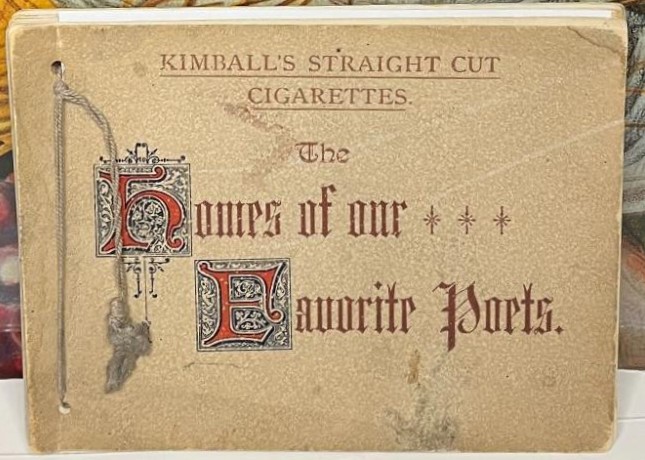
The book in question is this:
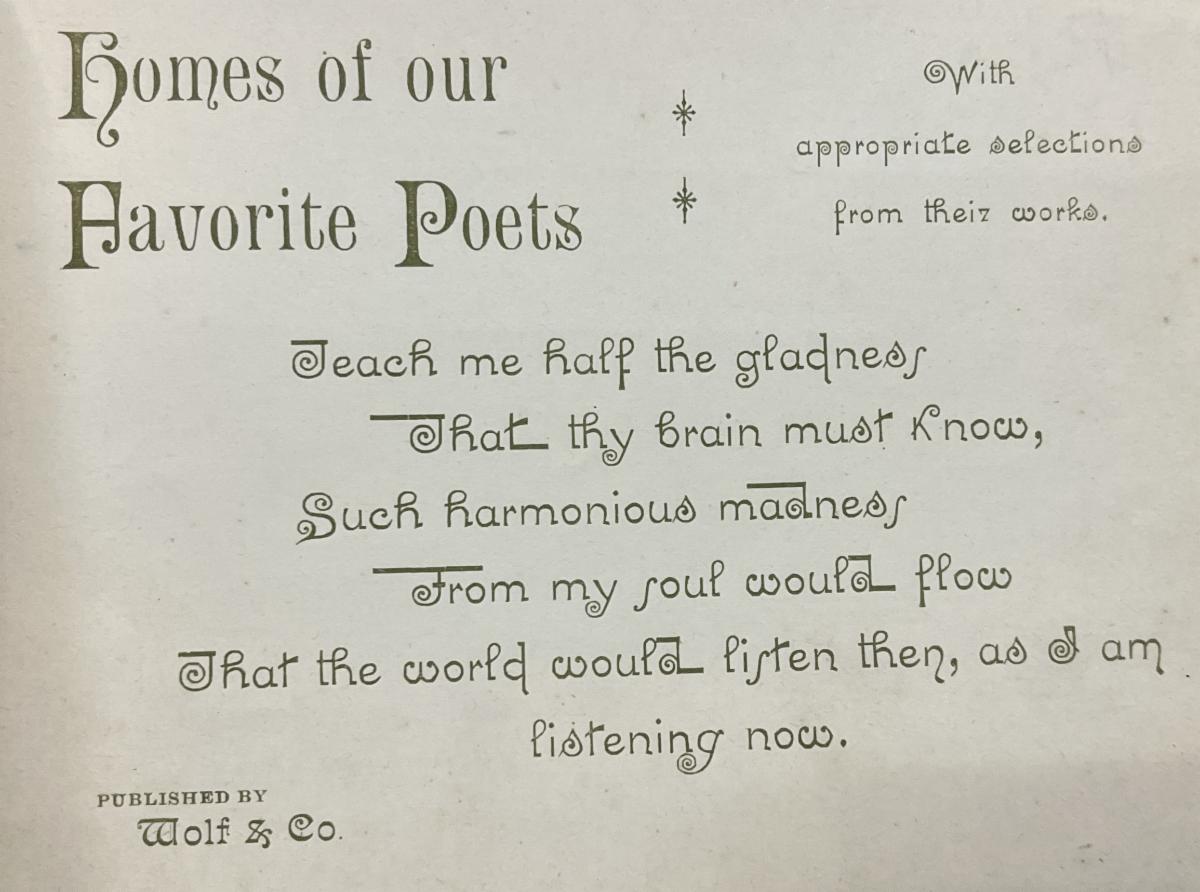
Homes of Our Favorite Poets, with appropriate selections from their works. Philadelphia: Wolf & Co. circa 1889. Good. Cover is rubbed at edges, browned, and soiled in multiple areas. Large pink colored moisture stain on rear wrap. Contemporary Kimball's brand cigarette advertisement stamps on front and rear covers. With twelve chromolithograph plates depicting poets' houses paired with a few of their lines in ornamental gothic type and a reproduction of the poet's signature $100.
(I talked Tony into raising the price from thirty dollars. I think he obliged to get me to stop talking about this damned book).
| |
|
When Homes of Our Favorite Poets came into my hands, it immediately triggered my weakness for two things: the Victorian period, and smoking. The stamps struck me as odd. Why would a tobacco company choose to stamp a book rather than insert their advertisements into the printing? Who stamped the book? Why would an author or artist agree to have their work marred by these (somewhat discordant and unsightly) additions?
My early internet consultations led me to the phenomenon of the “cigarette book” of the 1960s and 70s, in which ads for cigarettes were formatted for mass market copies of popular novels and laid or bound in by the publisher. Cigarette advertisement has a rich history in print and collecting, and this book is a primitive example of the cigarette book, in which the publisher was commissioned by a tobacco company or salesman to promote a brand of cigarettes. The oddities of this book illuminate the fast changing infantile cigarette and advertising industries of the 1890s.
| |
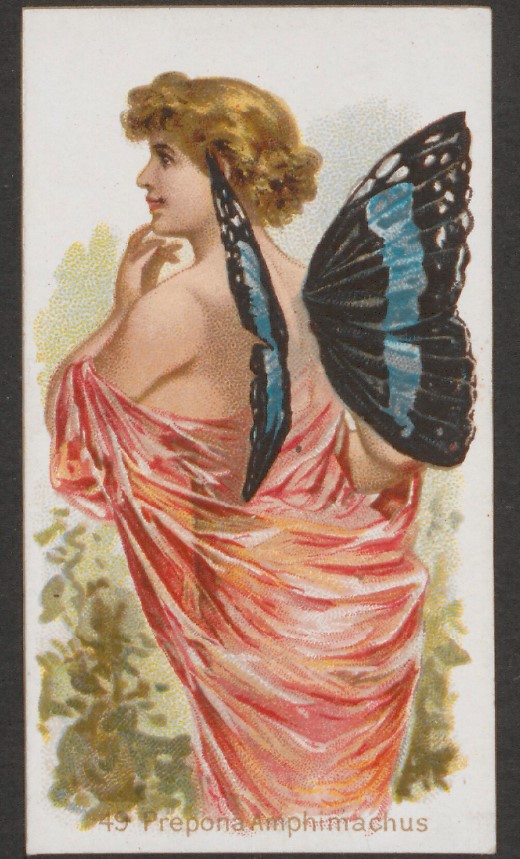
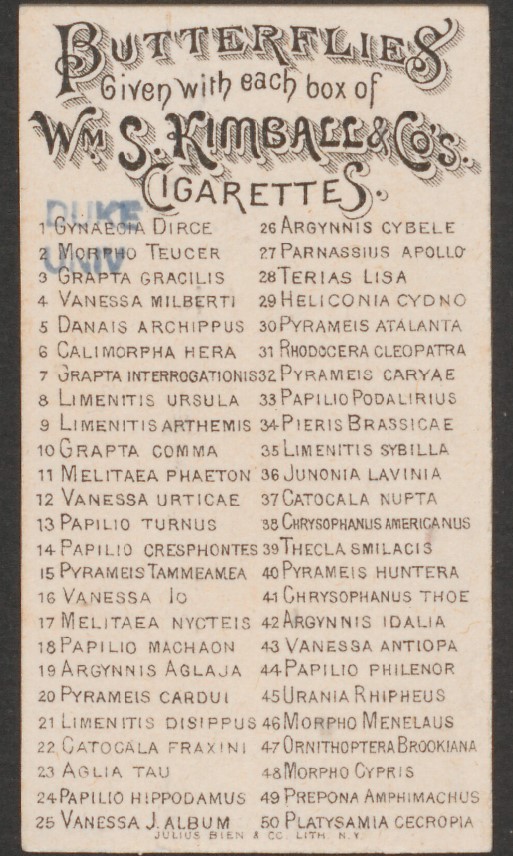
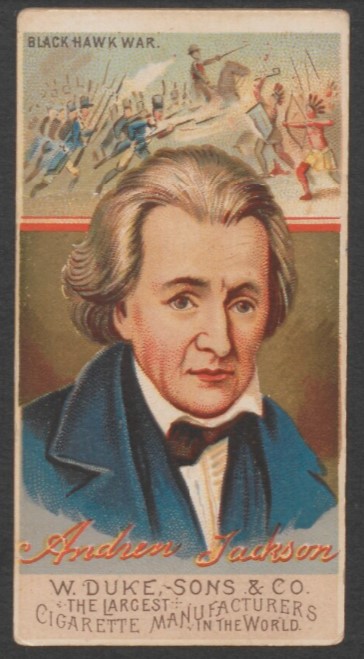
| | | W.S. Kimball & Company dominated the subculture of cigarette smoking in the late 1870s. Their “Vanity Fair” cigarette became popular with a small group of New York metropolitan businessmen, and the vast majority of the country still chewed tobacco. But one wily underdog and the eve of mechanization would change everything. “...the cigarette business did not attract much attention in the trade, nor develop as rapidly [as it did during the 1880s]” (Porter 200). The Victorian era was a period of exponential growth in population and industrialization, and Kimball’s would compete fiercely with four other companies, including the formidable “Duke of Durham” of W. Duke & Sons. Co.. Cigarette manufacture remained niche until the 80s, in part due to its reliance on skilled hand rollers. But in 1880, a novel mechanization machine changed everything. Previously little known, J.B. Duke sold all his cigarettes at loss to gain brand recognition and controversially became the first company to mechanize all production. The industry would forever struggle to catch up to his growth following this wild bid, and soon the other four companies would also mechanize operations. This excess of productive ability in the face of limited demand created a storm of expenditure on advertisement that had previously been in the control of the merchant, travelling salesmen, or “drummer.”
| |
|
The philosophy of modern advertising was in crisis at the turn of the century. The 19th century ideal was mass of ads, not quality. While heavy reliance on brand name exposure with print copy was the industry standard going into the 1880s, the importance of images, gimmicks, and emotional appeal had become paramount by 1888, the year Homes of Our Favorite Poets was published. It’s unclear whether a local drummer (wholesaler) or the company itself commissioned Wolf & Co. to print this book of lithos. Wolf & Company specialized in printing advertising ephemera in Philadelphia, and you can see their lack of experience in books here: no copyright page or date, shambolic cover design and binding, and focus on illustration and typography.
For all the book’s aesthetic flaws, though, it is a peek into a sharp idea from the failing W.S. Kimball & Company following its founder's death in 1885. J.B. Duke’s American Tobacco Company would buy Kimball just one year after its publication, along with the other three major cigarette players, in 1889. The advertising may be desperate, but in many ways it is before its time. The book’s images of Northeastern tranquil homes stays true to the brand’s Yankee, sophisticated profile. The book is a perfect companion or complimentary purchase to a pack of Kimball’s. It’s pocket sized, short, and takes about the same time to read as it does to smoke a cigarette. An added bonus would be its function as a stiffening back in one’s pocket to the soft cigarette pack. It also acts as a form of early, though unofficial celebrity endorsement with its subject beloved American poets. The emotional appeal of nostalgia would have been strong for western settlers far removed from colonial domesticity, and it appeals to Kimball’s image as the more refined, original, and quality brand. The ad would have appealed to women, under marketed buyers, if not yet a smoker of cigarettes. If handled by a jobber or drummer, it combats the stereotype of both the salesman and the product being immoral or classless.
| |
|
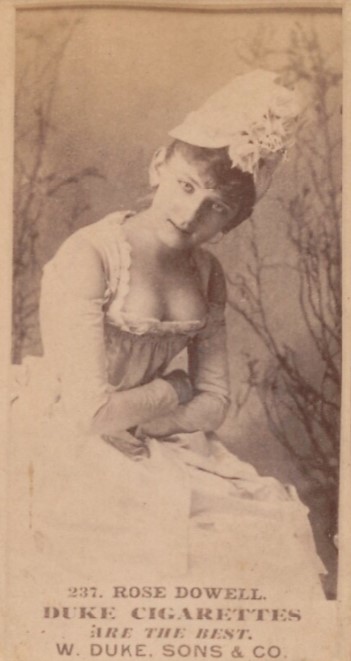
The ads of the competing companies of Duke and Kimball speak of a country still divided and healing from the Antebellum era. Duke’s ads picturing confederate generals and sabres and later cigarette cards of scantily clad women, as well as its emphasis on Southern pride of Durham, contrast heavily with the cosmopolitan, urban, and bourgeois Northern sensibility of Kimball. In the end, the Southern company’s use of industrialization would ironically beat out agrarian human labor in New York.
This little book is a relic in which change can be seen in real time, with elements of both sides of the turn of the century represented. Cigarette monopolization is looming but not yet finalized. This era gives a final nod to the customer who doesn’t know what brand they smoke until they speak to a clerk or merchant. It is a “cigarette book” nearly one hundred years before their prime, a custom created item at the dawn of mass production. Perhaps this recollection was utterly banal to you. Maybe all you come away from this with is an assertion that I'm neurotic (I am). But I think all book lovers have, at one time or another, fallen down the rabbit hole of time. At least I hope so.
| |
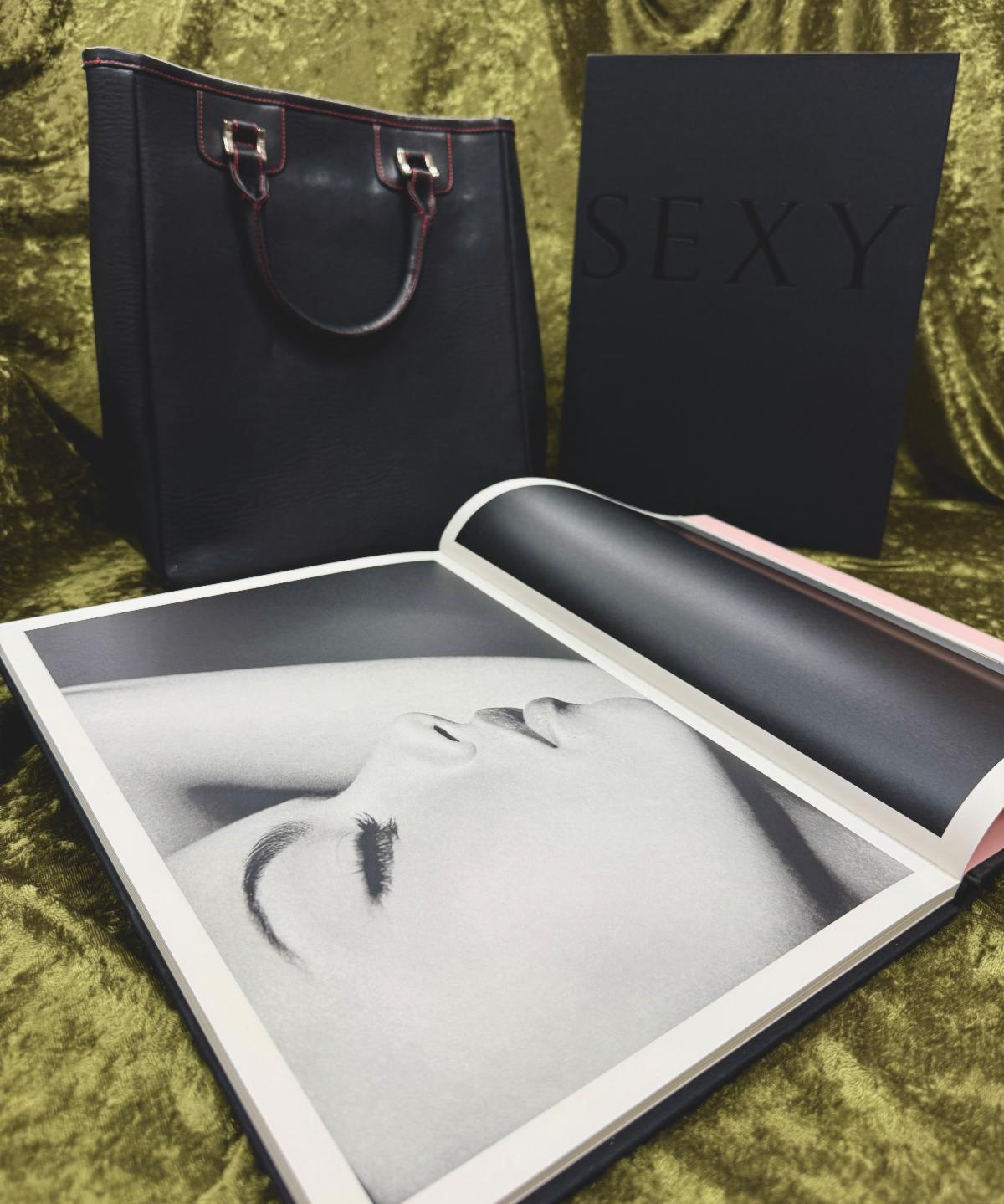
Victoria’s Secret: Sexy is a small photographic folio of sexy images. The book was issued in a black leather VS handbag, sewn with red thread. It could be yours for $250 | |
|
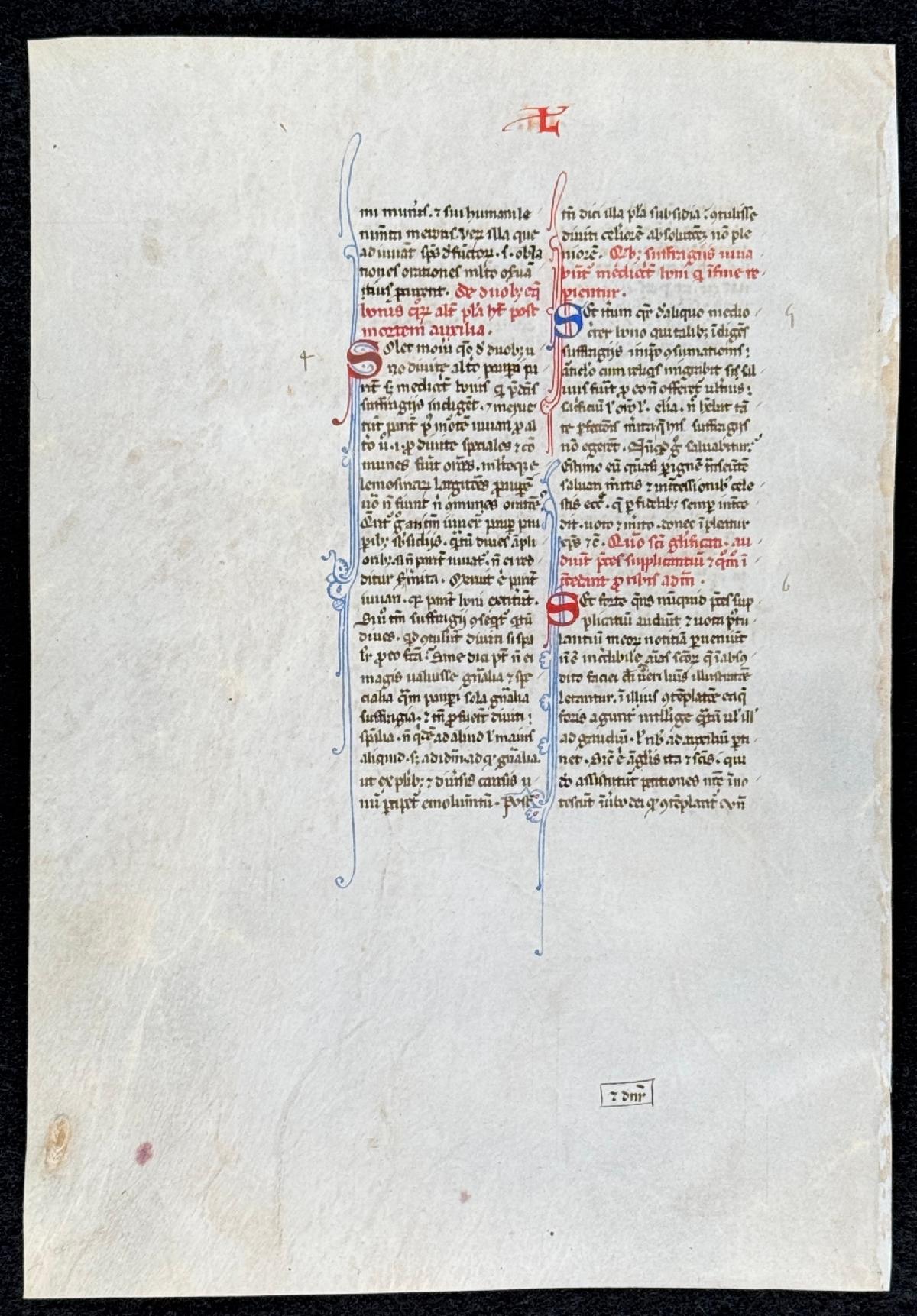
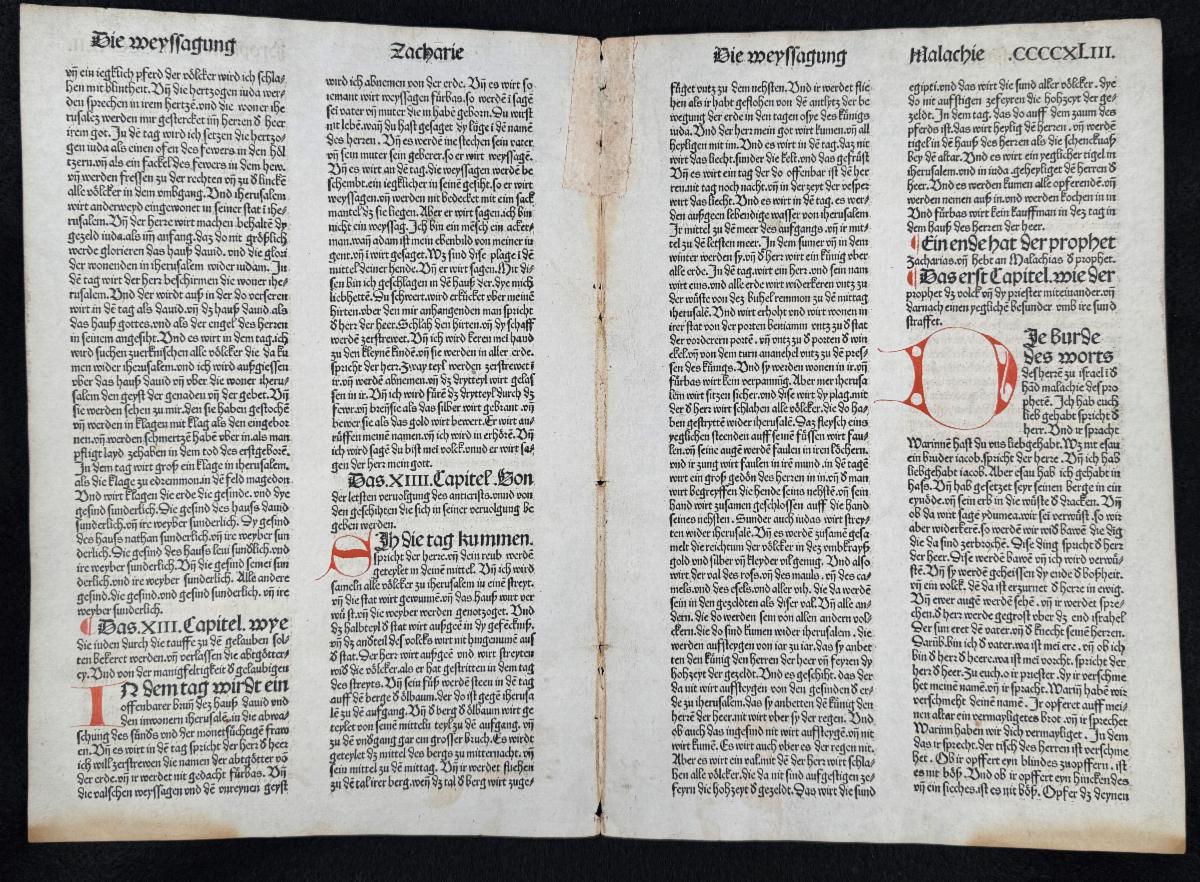
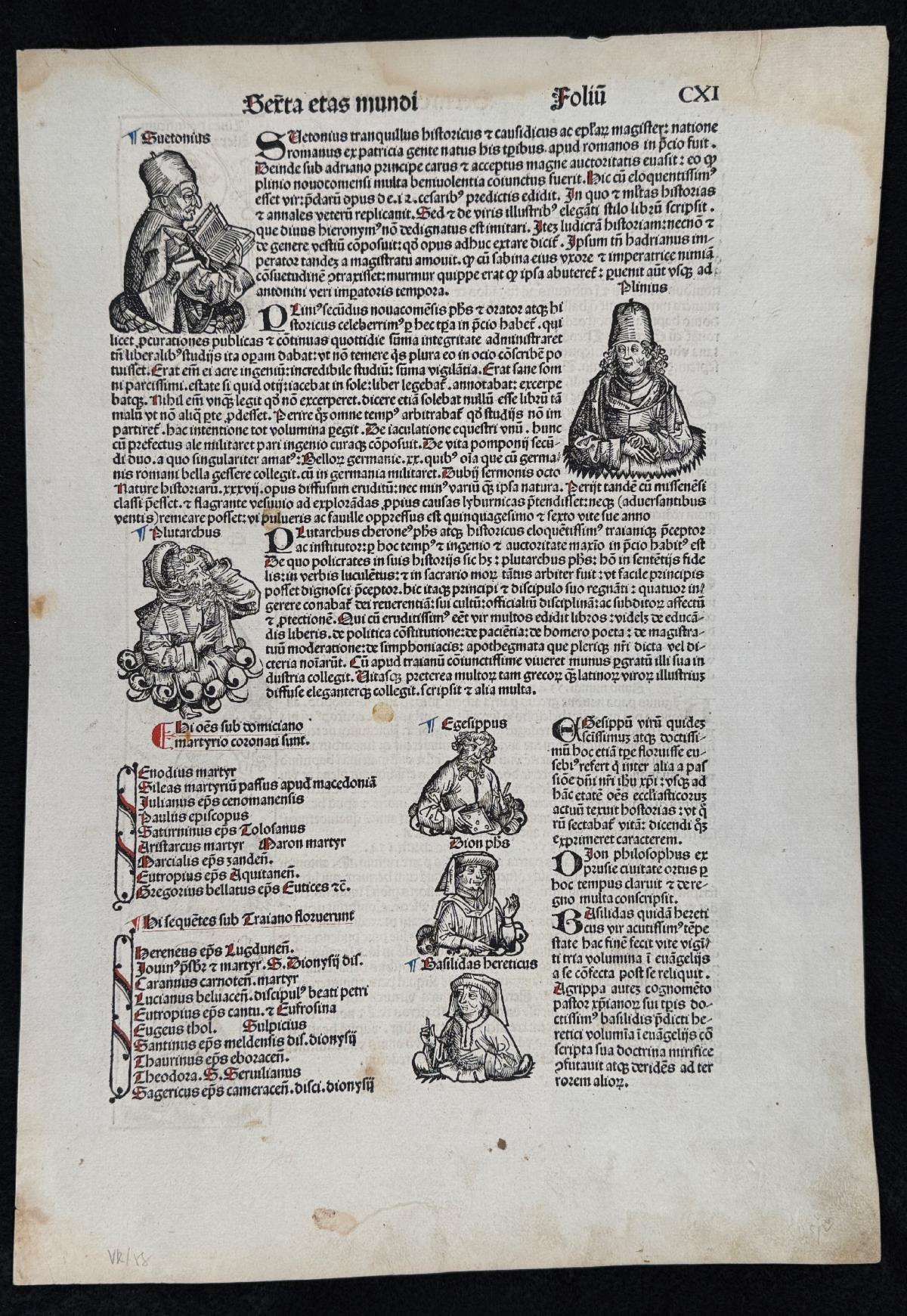
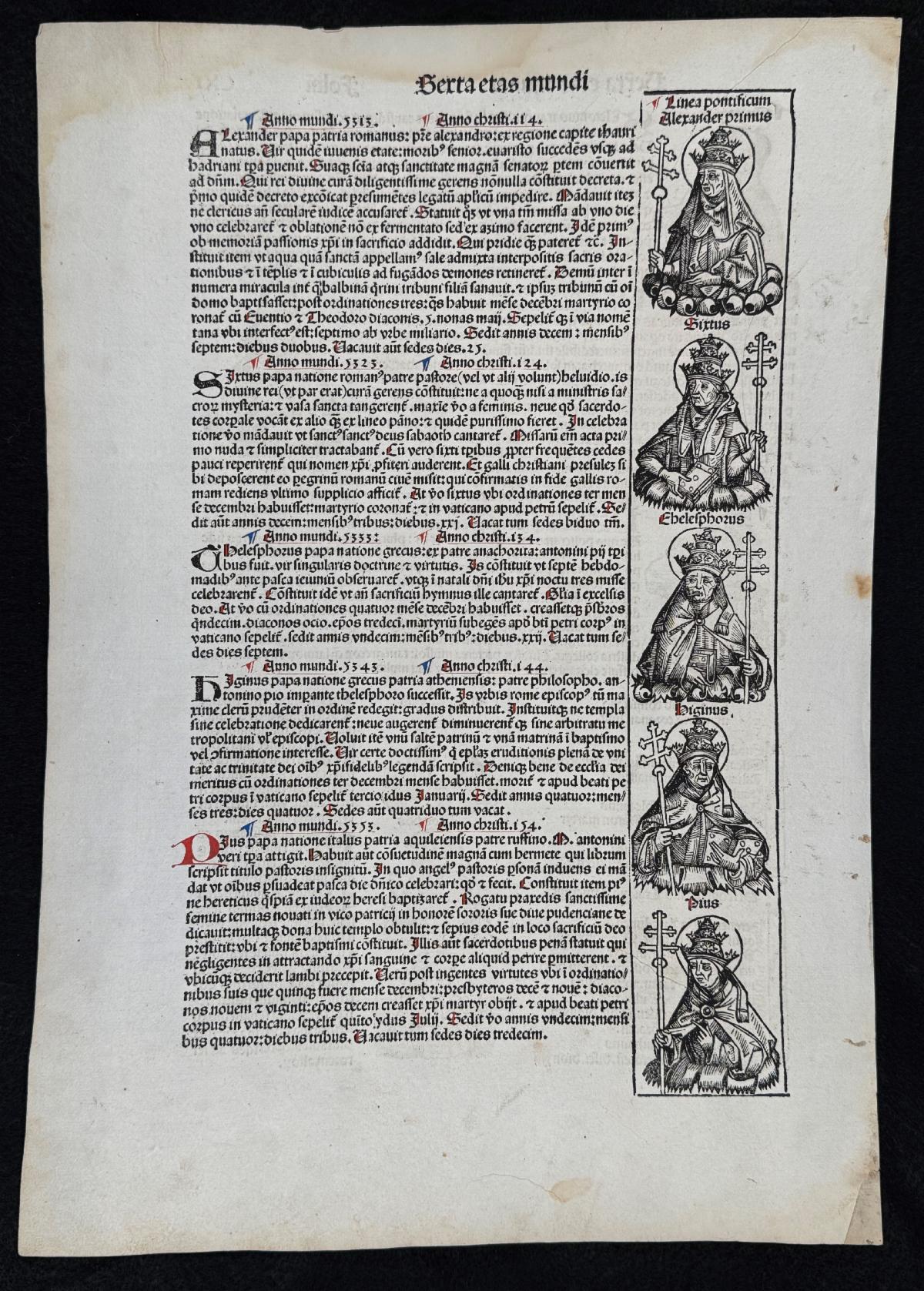
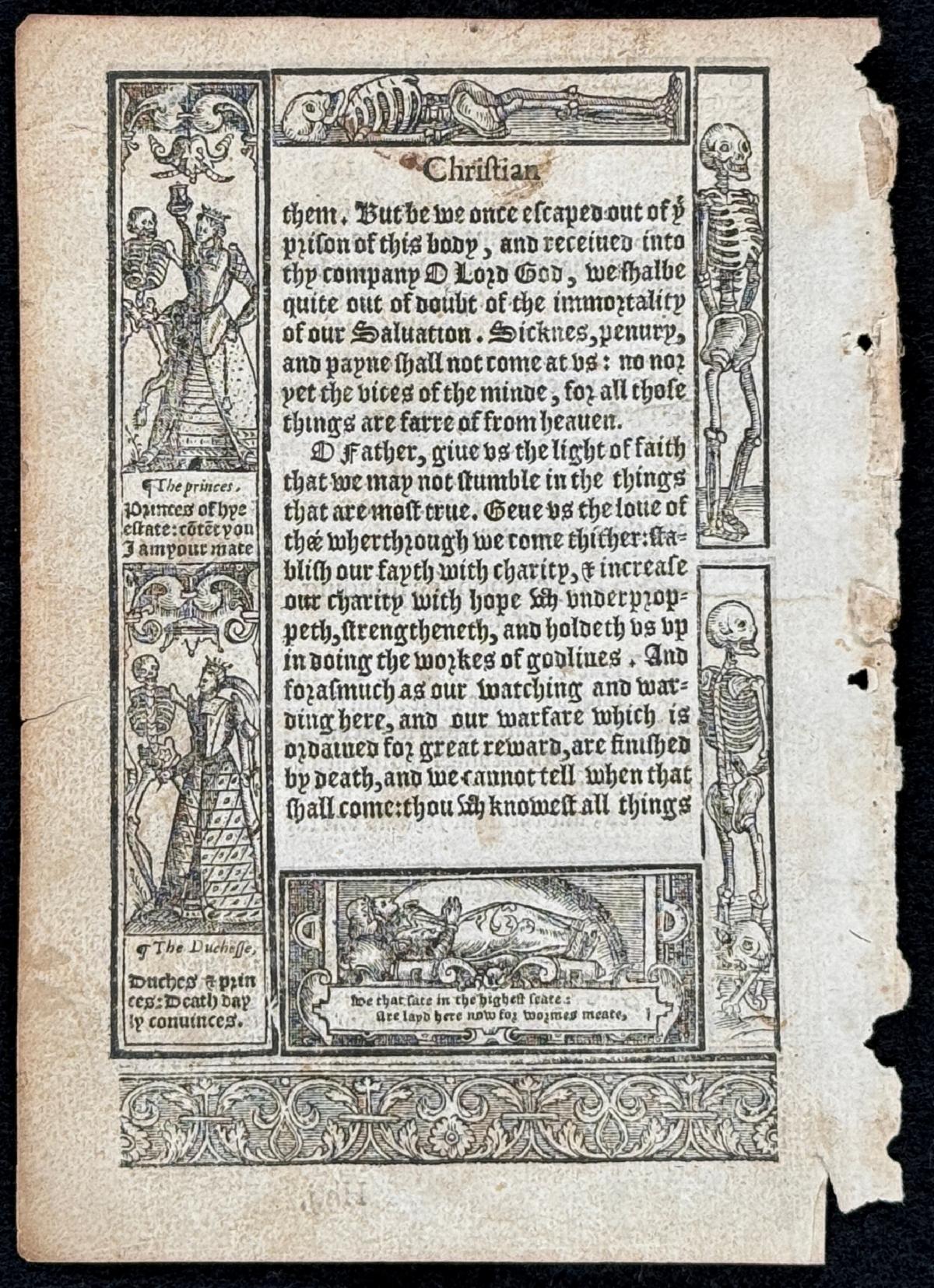
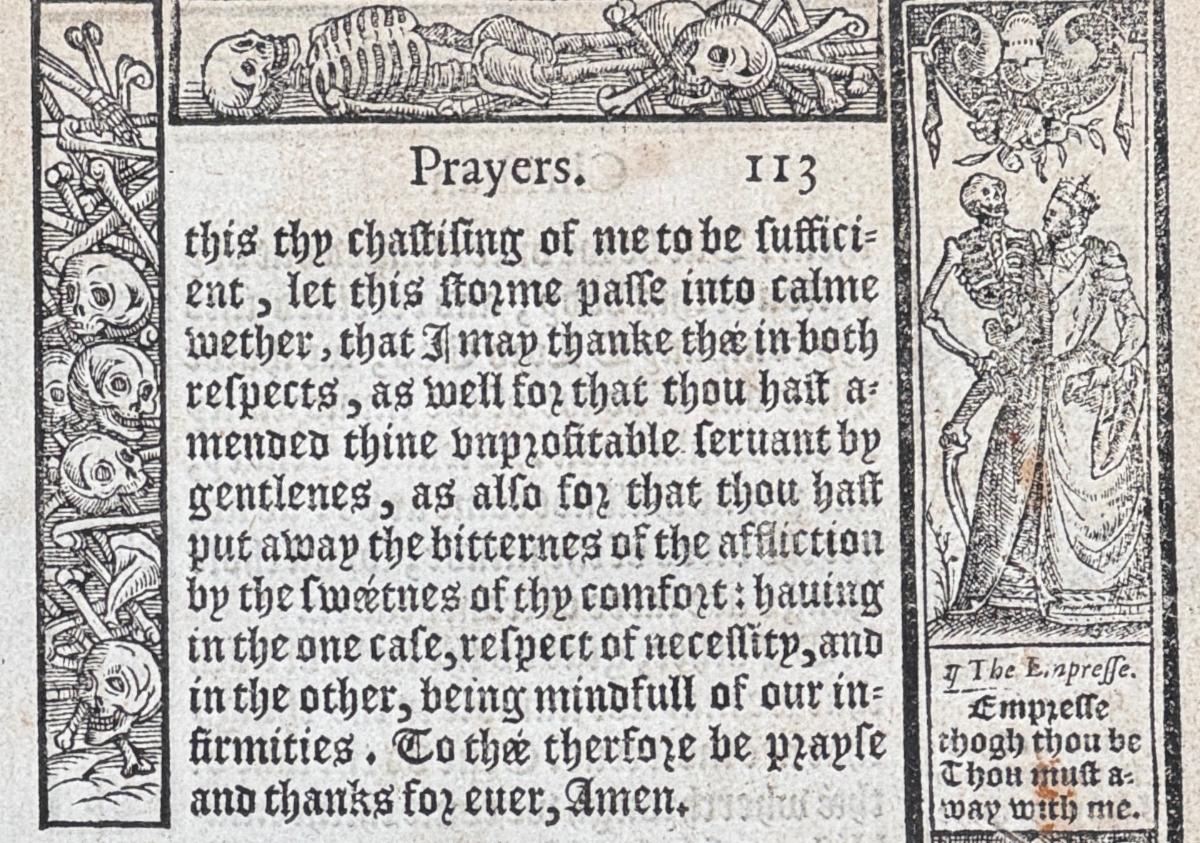
Manuscript, incunabula, and 16th century death. Incunabula is the plural term used to describe printed material occurring within the first half century of printing, from roughly 1455 until 1500. Here are two incunabula followed by one interesting 16th century leaf: | |
15.5 x 22.5 cm 13th century Latin manuscript leaf from Peter Lombard’s Sententiarum with large red and blue initials and delicate decorations. $700 | |
|
Two conjugate German bible leaves 23 x 34 cm printed by Anton Koberger in 1483. Hand rubricated initials in red. Folios 92 and 93 containing portions of Zacharie and Malachie. $450 | |
A 31 x 45 cm leaf from Hartmann Schedel’s Nurmberg Chronicle of 1493. 11 vignette portraits but the informed historian will not credit the miens with accuracy. $200 | |
A 16th century leaf from an Elizabethan Prayer Book. Printed text with borders filled with death in his egalitarian roles. We don’t know who printed it. $250 | |
|
|
Click here for our March events newsletter.
And, as always, view our events calendar to see all of our upcoming events.
We host both virtual and in-person events, and we look forward to seeing you soon.
| |
|
Come visit us!
SUNDAY 12-5
MONDAY-THURSDAY 10-8
FRIDAY & SATURDAY 10-9
| |
|
Can’t make it to the store?
Support your local indie from home!
Order by phone or online, then pick up at the store or the curb! We also ship!
| |
|
Give us a call at 801-328-2586.
Shop new books on our website.
Browse our entire inventory of new, used and rare books on Biblio.com.
Listen to audiobooks from Libro.fm.
Read ebooks from Kobo.
| | | | |