Wednesday Weblog for April 22, 2025 | | |
The race is literally 26 miles of people lining the roads thinking
you are the greatest person on earth. -Joe McFarren
| | |
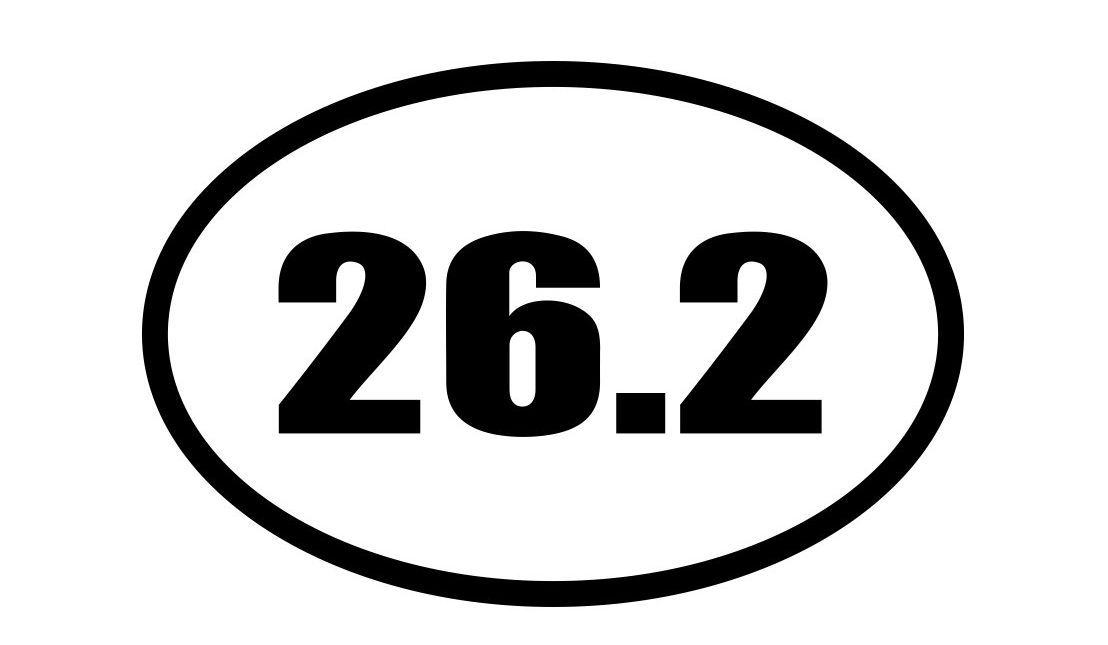
In my office I have a Boston Marathon jacket hanging in a frame to remind me of the effort, persistence, and commitment it took for me to run 26.2 miles.
Less than 1% of the people in the world have run a marathon. Unlike most people, however, I know why: it is very, very, very, very hard to do.
People have asked me what it was like and I tell them the biggest surprise was how many people told me that they were inspired by a 70-year-old running a marathon. To be completely honest with you, I inspired myself, and that was the best part.
| | Boston Day: The Miles You Don't See | | |
Monday was the 130th running of the Boston Marathon.
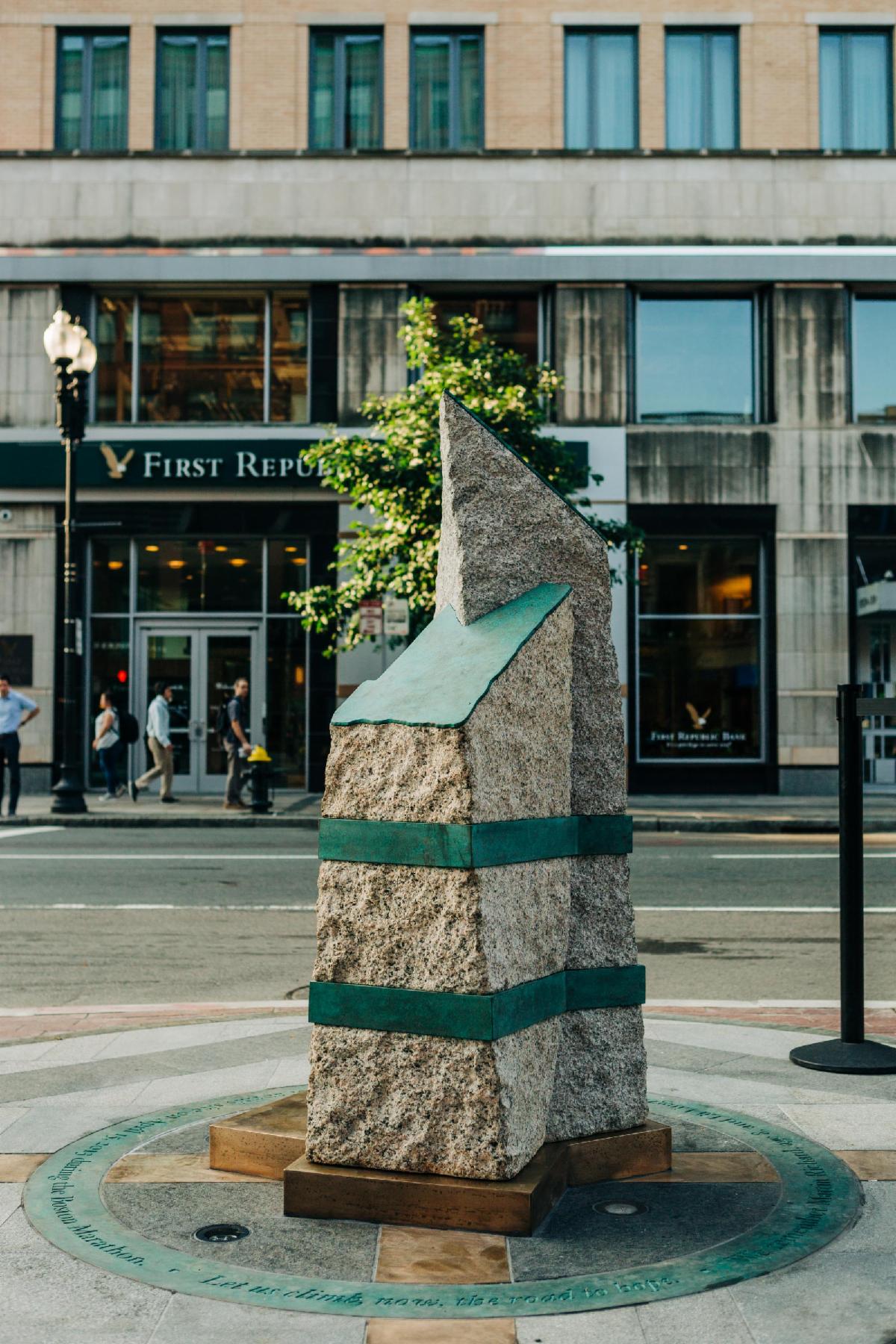
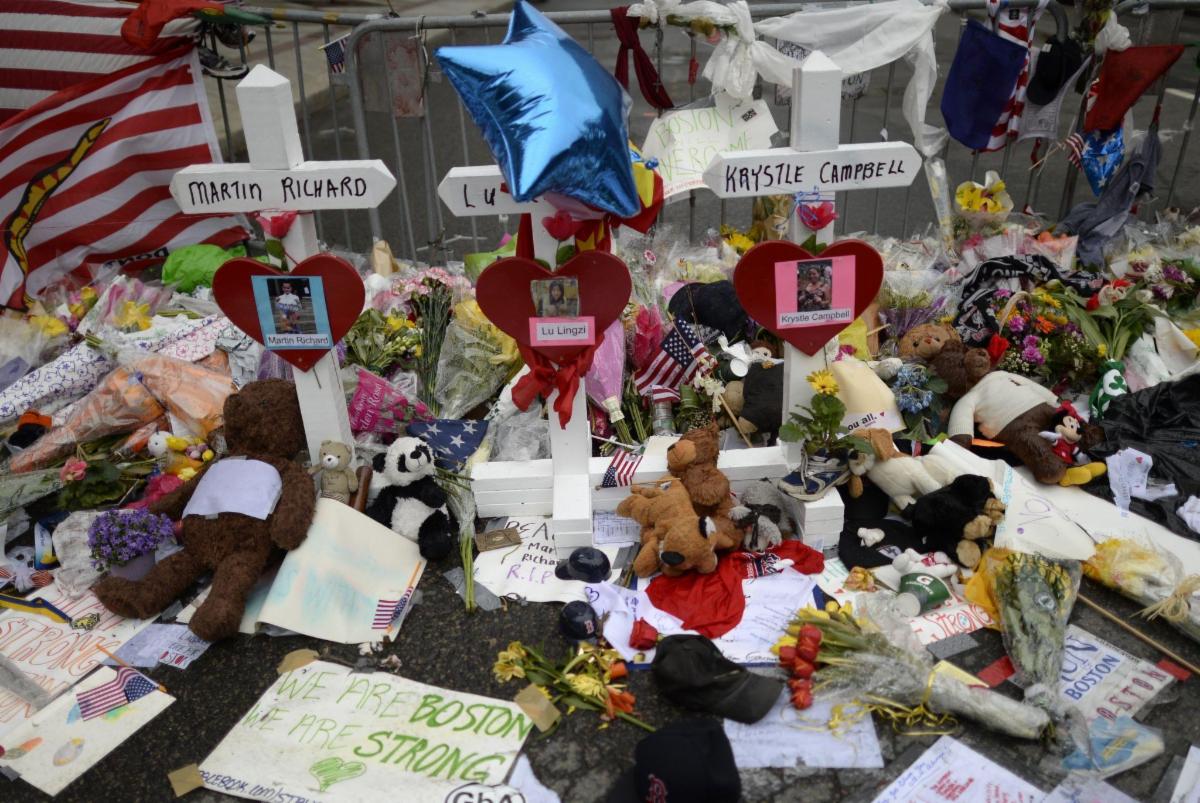
Around here, it carries a second name—Boston Day. Not official. Not printed everywhere. But understood. It’s how many people quietly refer to the day, a way of honoring those who lost their lives during the Boston Marathon bombing and recognizing that, in Boston, this event now holds more than one meaning.
If you’ve ever stood on Boylston Street, especially near the finish line, you know what I mean. There’s still energy. Still celebration. Still that unmistakable sense that something big is happening. But there’s also something else—something quieter, heavier. The memorials are there. You don’t have to look for them. They find you.
And once you see them, you can't really unsee them.
| | |
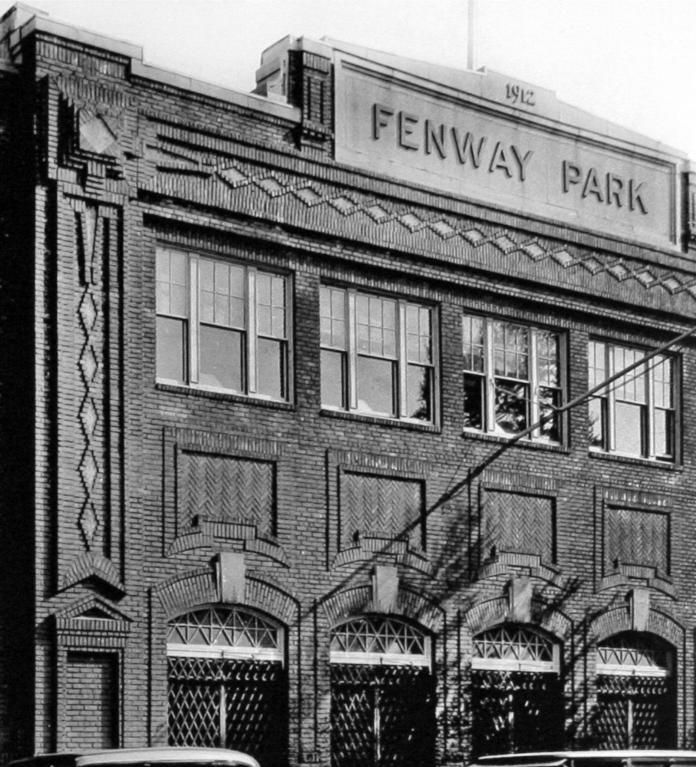
The year of the bombings, my son Joe and I were in Boston for Boston Red Sox Opening Day at Fenway Park.
Like most Opening Days, it felt like the entire region had the same idea. We circled Fenway Park for parking longer than we’d like to admit and eventually gave up on finding anything close. We parked downtown and started walking.
It turned into about a mile walk up Boylston Street toward Fenway.
At the time, it felt like nothing more than a workaround. A minor inconvenience. Something you laugh about later: “remember when we couldn’t find parking and had to hike half of Boston?”
| |
But we were walking right through what would soon become sacred ground.
We didn’t know it. That’s the part that stays with me. We didn’t know.
That stretch of sidewalk. Those storefronts. The exact spots where people would later gather in silence. At the time, it was just another city block on a busy day. People moving. Talking. Heading somewhere.
It’s a reminder that most moments in life don’t arrive with a headline. They don’t announce themselves as important. They don’t pause and say, “Pay attention, this one matters.”
They just happen. And only later do we understand what we were part of.
| | |
My connection to Marathon Monday goes back much further than that.
When I was a kid, I used to go into Boston for the Boston Red Sox game on Marathon Monday. The games started at 10 a.m then, and 11:00 a.m. now, a tradition that feels as much a part of the day as the race itself.
I would go with my uncle, and after the game, instead of heading straight home, we would walk.
Not away from the crowds—but toward them.
| | |
We would make our way to Kenmore Square and find a spot where we could watch the runners come in along Commonwealth Avenue, right near the iconic Citgo sign.
I probably saw my first marathon when I was seven years old.
I didn’t know anything about qualifying times or pacing or training cycles. I didn’t understand what it took to get there. I just knew that people were running—really running—and that it seemed to matter. You could feel it, even as a kid.
The crowd wasn’t just watching. They were invested. Cheering strangers like they knew them. Calling out encouragement. Willing people forward in those last miles.
And over time, I’ve come to realize something else about Boston Day.
It’s not just the runners.
Looking back, it might have been the first time I saw persistence up close. I just didn’t have a name for it yet.
| | |
I know a lot of people who spend the entire day out there volunteering, handing out water, directing runners, managing crowds, working in the medical tents, supporting the logistics that most of us never even think about. They’re there early. They stay late. And they ask for nothing in return.
No finish line. No medal. No official time. Just a willingness to show up and be part of something bigger.
| | |
Five years ago, I had my own moment at that same race. At 70 years old, I ran the Virtual Boston Marathon, due to pandemic restrictions, for the Boston Bruins Foundation. Part of my journey was televised on Channel 10 in Boston.
My official time was 6 hours, 12 minutes, and 18 seconds. Not exactly elite territory. Not even close. But I wasn’t running for time. I was running to finish.
And if you’ve ever been around marathon runners—or been one—you know that the race itself is almost secondary. It’s the visible part. The part people see. The part that gets the photos and the cheers and the medals. But the real story is everything that comes before it.
| | |
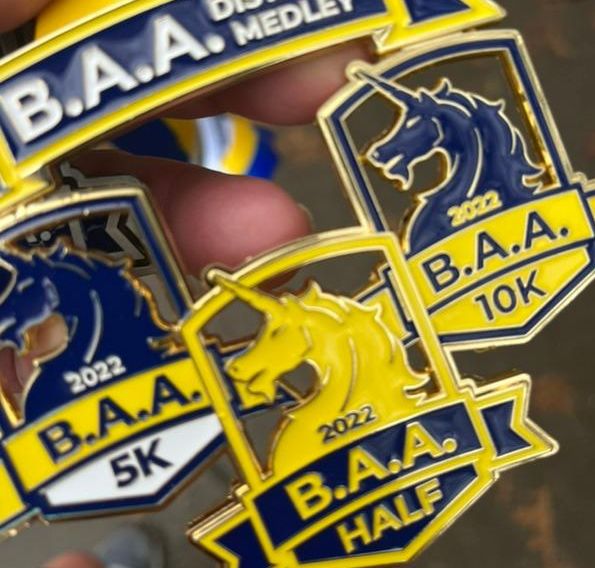
I’ve run my share of Boston Athletic Association races over the years—the 5K on Marathon Weekend probably ten times, the 10K a half dozen, the Half Marathon a few times as well. Enough to understand the pageantry. The organization. The sheer scale of it all.
But more importantly, enough to understand the preparation.
Because no one accidentally runs a marathon.
You don’t wake up one morning and decide to run 26.2 miles that afternoon. At least, not if you plan on finishing. There’s a process. A buildup. A series of small decisions that stack on top of each other over time.
| | |
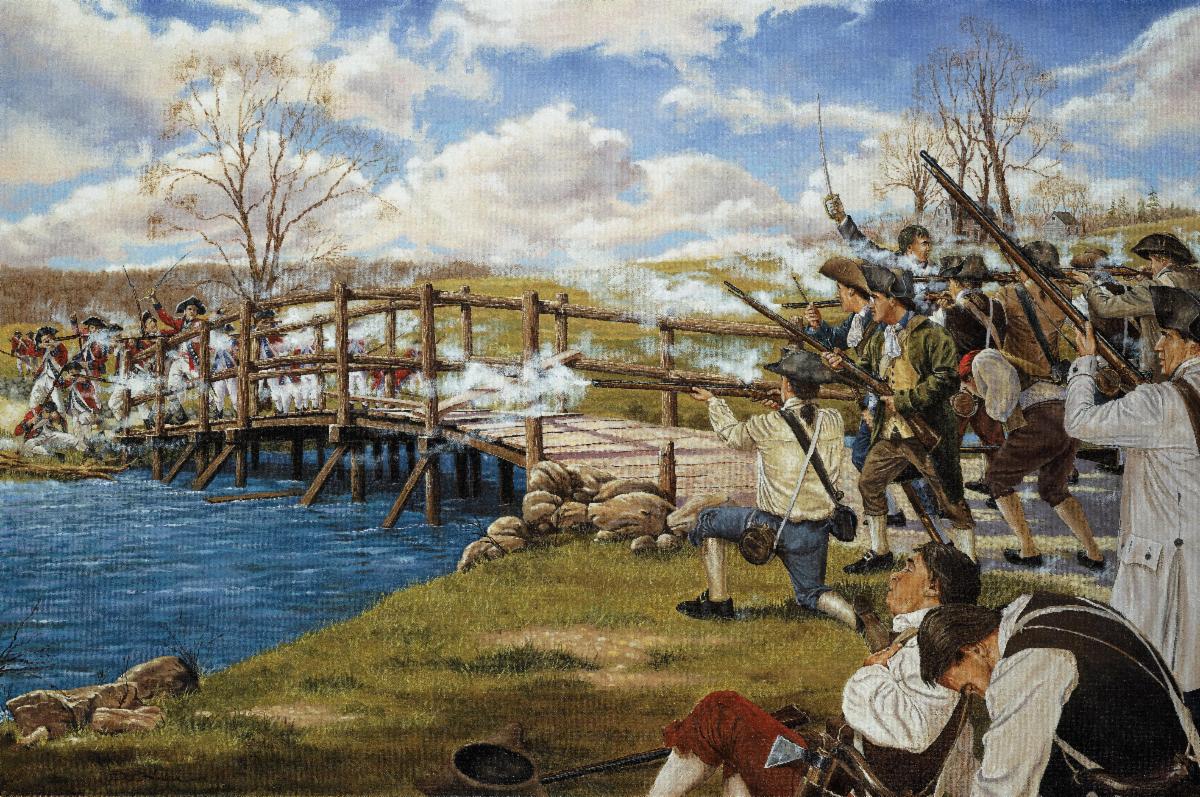
In Massachusetts, Marathon Monday coincides with Patriots' Day, commemorating the start of the American Revolution—the “shot heard ’round the world” in the Battles of Lexington and Concord. It’s a day about beginnings.
But the marathon itself? It’s about something else entirely. Persistence. Running a marathon is the epitome of persistence. (I’ve always wanted to use that word in a sentence.) Actually, let me adjust that. Training for a marathon is the epitome of persistence. (And yes, I’m comfortable using it twice.)
In my case, it meant more than 500 miles of training leading up to race day. Not in one stretch. Not in some dramatic, cinematic montage. Just a few miles at a time. Over and over again.
Early mornings. Cold days. Days when the weather gave you every reason to stay inside. Days when your legs felt strong—and plenty when they didn’t. There were days when the run felt effortless. And days when the first mile felt like the last mile.
There were moments when the goal felt clear and motivating. And others when it felt distant, abstract, maybe even unnecessary.
But that’s the nature of persistence. It doesn’t rely on how you feel in the moment. It relies on what you do anyway.
| | |
The race you run in April is built in the quiet miles of January and February. In the decisions that no one sees. In the choices that don’t get applause. In the discipline that feels small at the time but compounds over weeks and months.
Which starts to sound familiar.
Because outside of running, most of what matters in life works the same way.
It’s not built in the big moments. Not in the presentations or the milestones or the things that show up on calendars.
- It’s built in the quieter spaces.
- In the way you prepare when no one is watching.
- In the conversations you decide to have—or avoid.
- In the habits you reinforce, one day at a time.
- In the small decisions that don’t feel important… until they are.
Boston Day, in its own way, reminds us of that too.
It reminds us that moments—ordinary ones, routine ones—can carry more weight than we realize. That where we stand, what we do, and how we show up in those moments matters. Sometimes in ways we understand immediately. And sometimes in ways we only recognize later.
Walking up Boylston Street that day with Joe, I couldn’t have imagined what that stretch of road would come to represent. It was just a walk. Just a path from where we parked to where we were going. But now, it holds meaning.
| | |
Just like those afternoons with my uncle, standing near Kenmore Square, watching runners push through the final miles under the Citgo sign. At the time, it was just something we did after a Red Sox baseball game.
Now, I can see it for what it was. An early lesson. Not about running. But about persistence. About showing up. About continuing forward, even when the finish line isn’t yet in sight.
Because persistence isn’t always about miles or races or training plans. Sometimes it’s about how you respond to moments you didn’t choose. How you keep going. How you rebuild. How you show up again the next day, even when things feel different than they did before.
Persistence rarely looks dramatic. It doesn’t usually come with a finish line or a medal.
More often, it looks like consistency. Like doing the next right thing. Like paying attention to the moment you’re in, even when it seems ordinary.
Because those are the moments that build something. Quietly. Over time. And if you’re honest, you probably have a few of those moments in front of you right now.
We all do. The question isn’t whether they’re there. The question is whether we’re paying attention to them. And if we are— what we choose to do next.
| | Surprise Photo at the End: | | Joe's Positive Post of the Week | | Join the Smart Subscribers | | If you are reading this on a social media platform, click below and you'll automatically receive a 'different' story every week on Wednesday. | | |
The Roll Call of states and countries where readers reside: Arizona, California, Colorado, Connecticut, Delaware, Florida, Georgia, Hawaii, Illinois, Indiana, Iowa, Kansas, Kentucky, Louisiana, Maine, Massachusetts, Michigan, Mississippi, Missouri, Montana, New Hampshire, New Jersey, New Mexico, New York, North Carolina, North Dakota, Ohio, Pennsylvania, Puerto Rico, Rhode Island, South Carolina, South Dakota, Tennessee, Texas, Vermont, Virginia, Washington and Washington DC, Wisconsin plus Canada, Conch Republic, Australia and the United Kingdom.
| | Refer a friend to Sign Up for the Wednesday Weblog | | |
Ed Doherty
774-479-8831
www.ambroselanden.com
ed-doherty@outlook.com
Forgive any typos please.
| | | | | |