+News from Denver CPD that may impact building and development projects

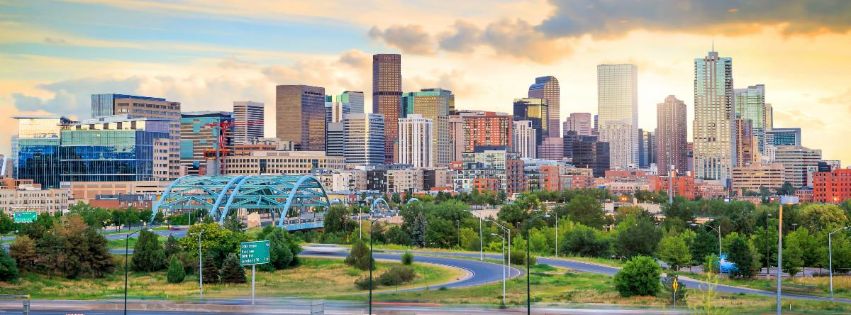
Denver skyline

Development news from Community Planning and Development (CPD)

In this issue:

  • Mayor Johnston announces leadership transition for CPD
  • City Council approves 2025 Denver Building and Fire Codes
  • Approved software for residential heating and cooling loads
  • Reminder: Denver's affordable housing linkage fee to increase July 1

Brad Buchanan back to lead CPD as interim executive director

Mayor Mike Johnston earlier this month announced that Brad Buchanan, CEO of the National Western Center Authority, will serve as interim executive director of Community Planning and Development (CPD).  


Buchanan began his dual roles on June 10. He brings a wealth of experience in building and leading teams, and a deep understanding of Denver’s planning and development landscape. He will continue to serve as CEO of the National Western Center Authority while assuming leadership of CPD during this transitional period. 


“We are thrilled Brad is willing to return to lead CPD in an interim capacity,” said Mayor Mike Johnston. “Having served as Executive Director from 2014 to 2018, Brad knows the agency and the team extremely well. His deep expertise in Denver’s permitting and development processes gives me full confidence in his ability to guide CPD forward as we continue overhauling our permitting processes and delivering services to our community.” 


While under Brad’s prior CPD leadership tenure, the agency went from $1 billion in permitting valuation at 22 percent on time permit delivery, to over $5 billion in permitting valuation at 93 percent on time. Buchanan also led the Blueprint Denver update process, a citywide land use and transportation plan for the city of Denver. The plan creates a more inclusive, complete, and equitable city through various strategies, including promoting complete neighborhoods, improving transportation networks, and considering social equity in land-use decisions. 

Denver City Council approves 2025 Building and Fire Codes

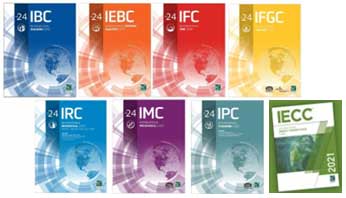
Denver City Council last week adopted the 2025 Denver Building and Fire Codes, which incorporate the following international codes (I-codes):


  • 2024 International Building Code (IBC)
  • 2024 International Existing Building Code (IEBC)
  • 2024 International Residential Code (IRC)
  • 2024 International Mechanical Code (IMC)
  • 2024 International Plumbing Code (IPC)
  • 2024 International Fuel Gas Code (IFGC)
  • 2024 International Fire Code (IFC)
  • 2021 International Energy Conservation Code (IECC)


The updated codes are more closely aligned with the nationally developed I-codes and include fewer amendments that are not specific to Denver. Reducing the number of amendments in the codes was a key goal of the code update process, which successfully reduced the number of amendments in the codes by 30 percent. The reduced volume of amendments will make it easier for designers and owners to navigate and apply regulations while making city review and approval more efficient.


For the Energy Code, the 2021 IECC is maintained with limited changes to Denver’s current energy amendments. Updates support clarity and ease requirements for equipment serving existing buildings. 


Visit the code adoption process page to view strikethrough versions of the amendments and to view significant changes to Denver's amendments.


How code updates may affect your project


The 2025 Denver Building and Fire Codes will be effective December 31, 2025. However, projects submitted for permits on or before the effective date may use either the 2025 or 2022 Denver Building and Fire Codes. 

Approved software for residential heating and cooling loads


As of June 30, 2025, Residential Manual J load calculations required for sizing heating and cooling equipment for single family, duplex, and Denver Residential Code townhome projects must use a software approved by ACCA. 

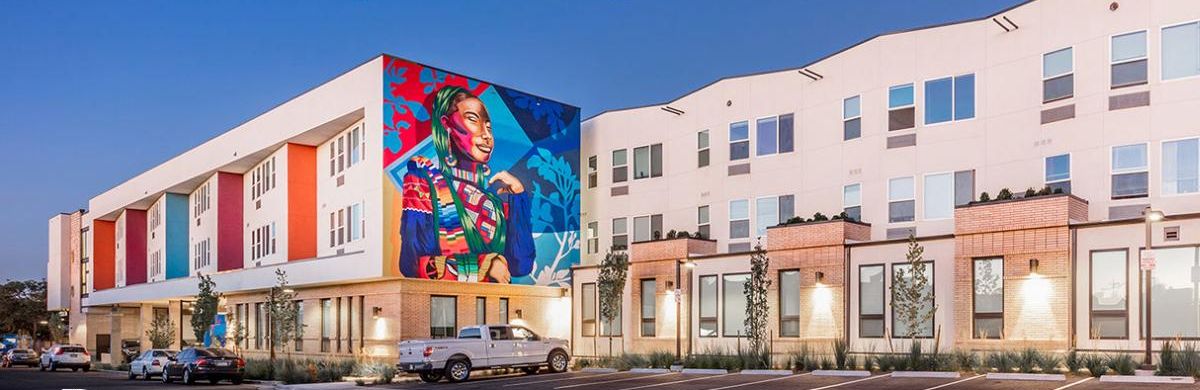
Expanding housing affordability graphic

Reminder: Denver's affordable housing linkage fee to increase July 1

As part of the Expanding Housing Affordability ordinance, adopted by the City Council in June 2022, affordable housing linkage fees have increased every July in a phased approach that will continue July 1 of this year. After this year, the fees will be increased for inflation annually. The linkage fees go into Denver’s affordable housing fund, which supports permanent housing and supportive services for at-risk residents, low- and moderate-income workforce rental housing, and moderate-income for-sale housing.


Development projects submitted to Community Planning and Development on or after July 1, 2022, are subject to the Expanding Housing Affordability ordinance and will use this fee schedule.


Linkage fees are assessed in addition to standard permit fees, all of which are due prior to building permit issuance. See Denver Revised Municipal Code Section 27-153 – Imposition of linkage fee.


Email Emily.Collins@denvergov.org if you have any questions.

ICYMI:

Recaps from our last newsletter

Get caught up on last month's news >>


  • Beginning May 22, 2025, Residential Trade Quick Permit applications for new construction and addition projects for single family, duplex, and Denver Residential Code townhomes will require an issued Residential Construction Permit to proceed. This update links the trade and construction permits, making it easier for trades contractors to access the approved construction documents and overall project information. To learn more, visit DenverGov.org/QuickPermits.


  • The city is seeking applicants for the Denver Planning Board. Do you care about how Denver grows? Do you consider diverse viewpoints and believe Denver can be a place where everyone is welcome? Seats are focused on the following topics: community advocacy, city planning, mobility/transportation and economic development. Apply to join the board today.
denver-cpd-logo

Copyright © 2024 City and County of Denver. All Rights Reserved.

LinkedIn Share This Email