Ready to build your practical skills?
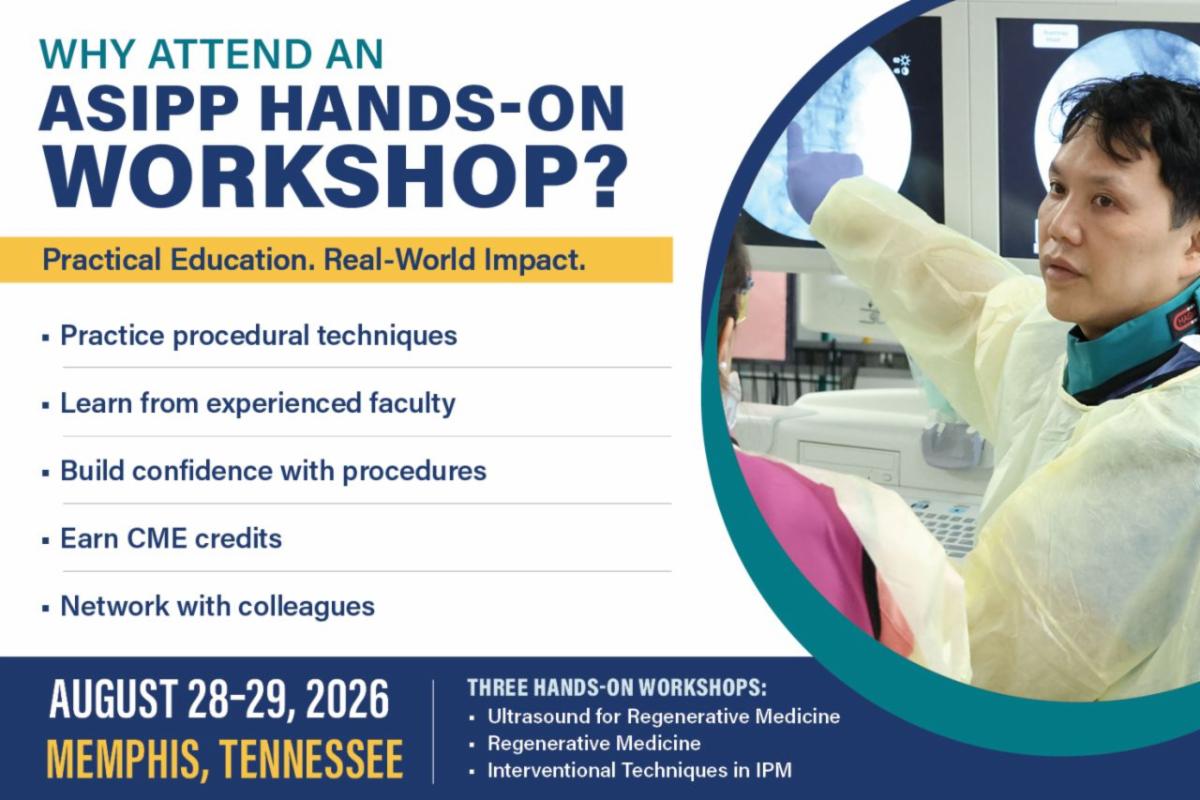
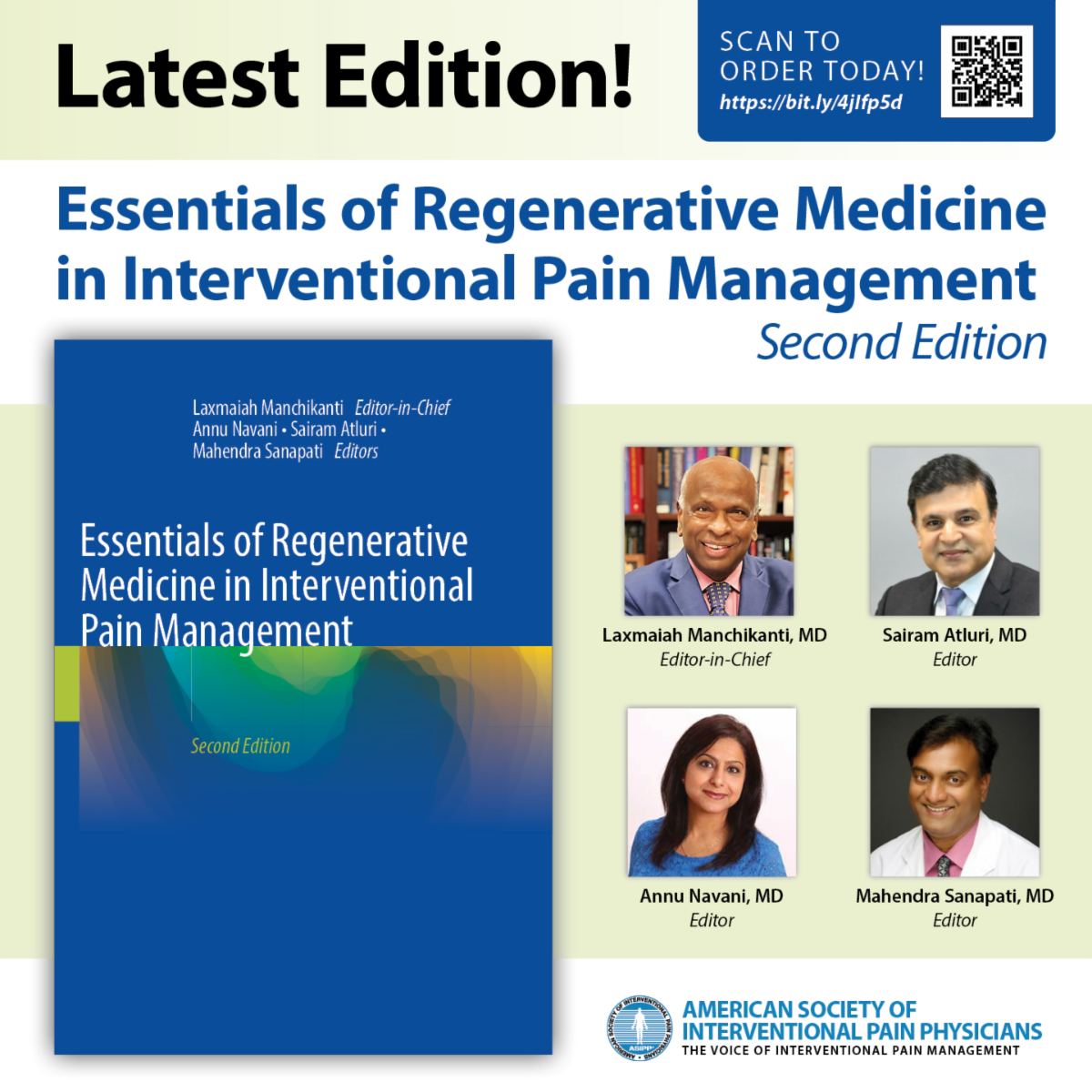
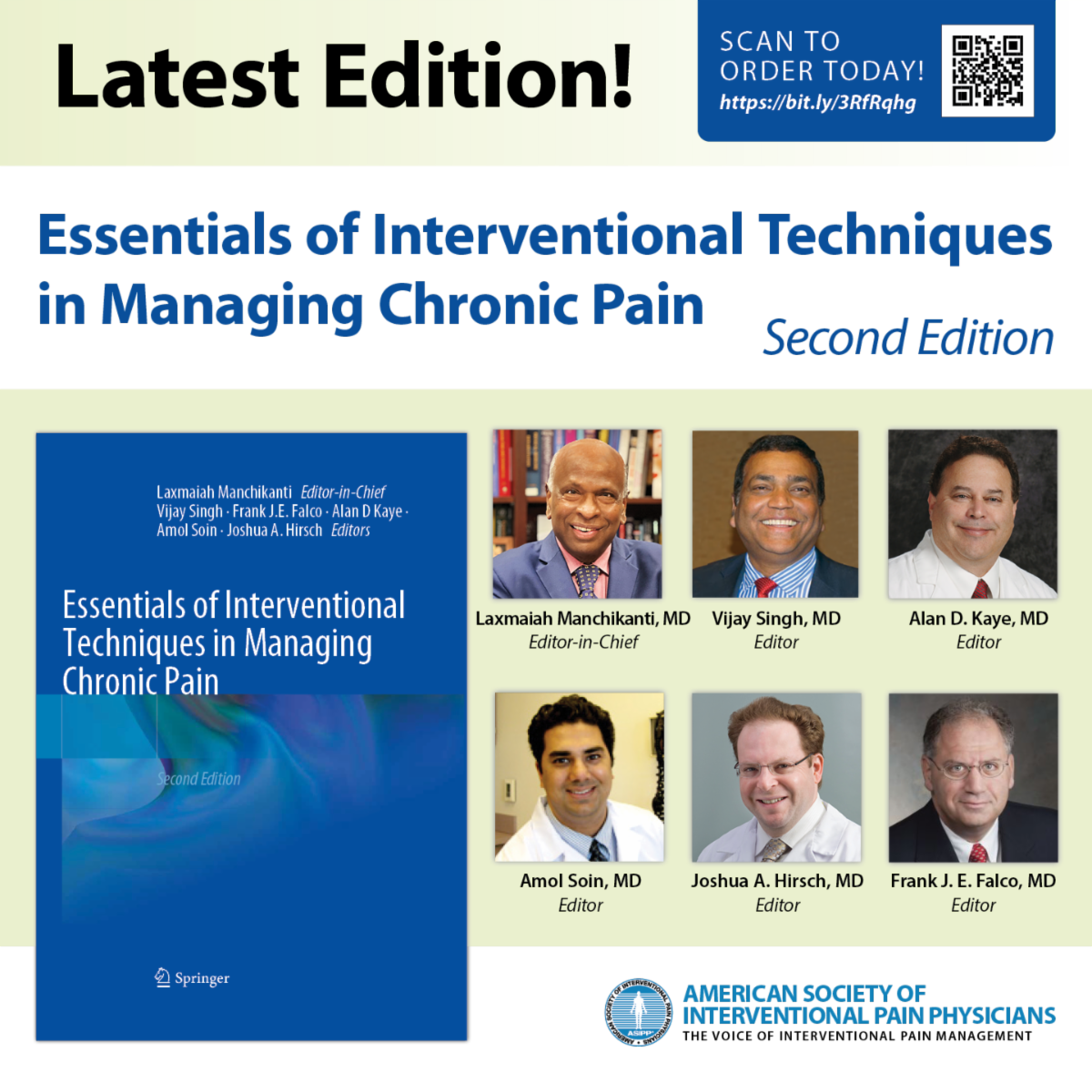
Join ASIPP in Memphis on August 28–29 for hands-on workshops in Ultrasound for Regenerative Medicine, Regenerative Medicine, and Interventional Techniques in IPM.
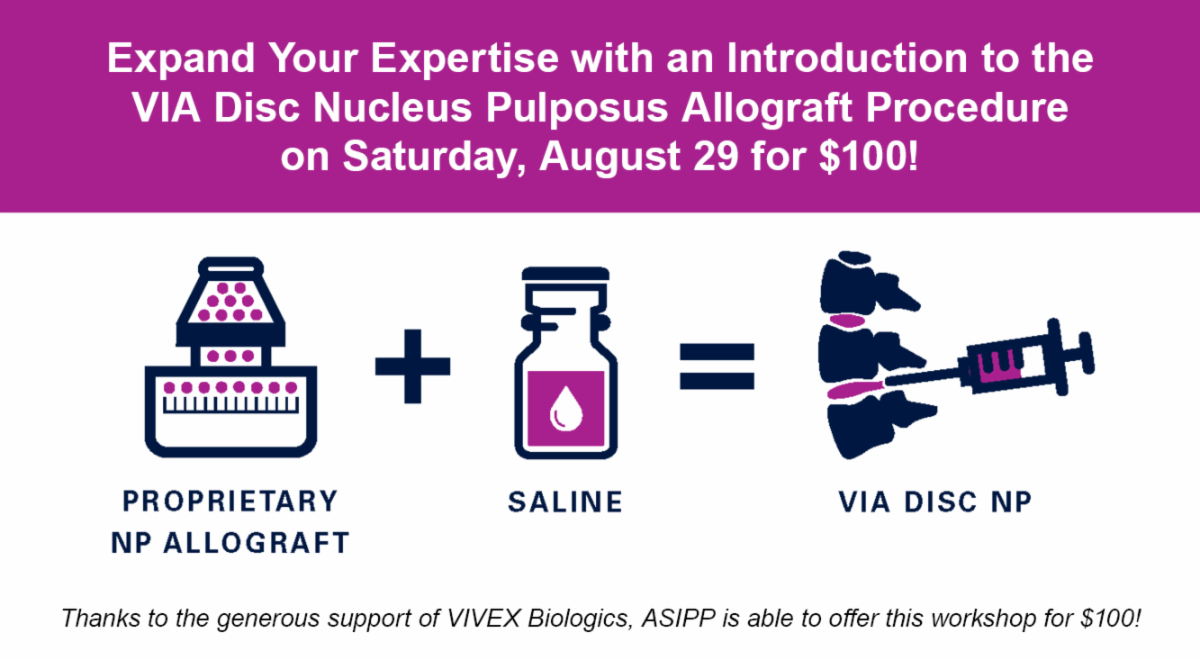
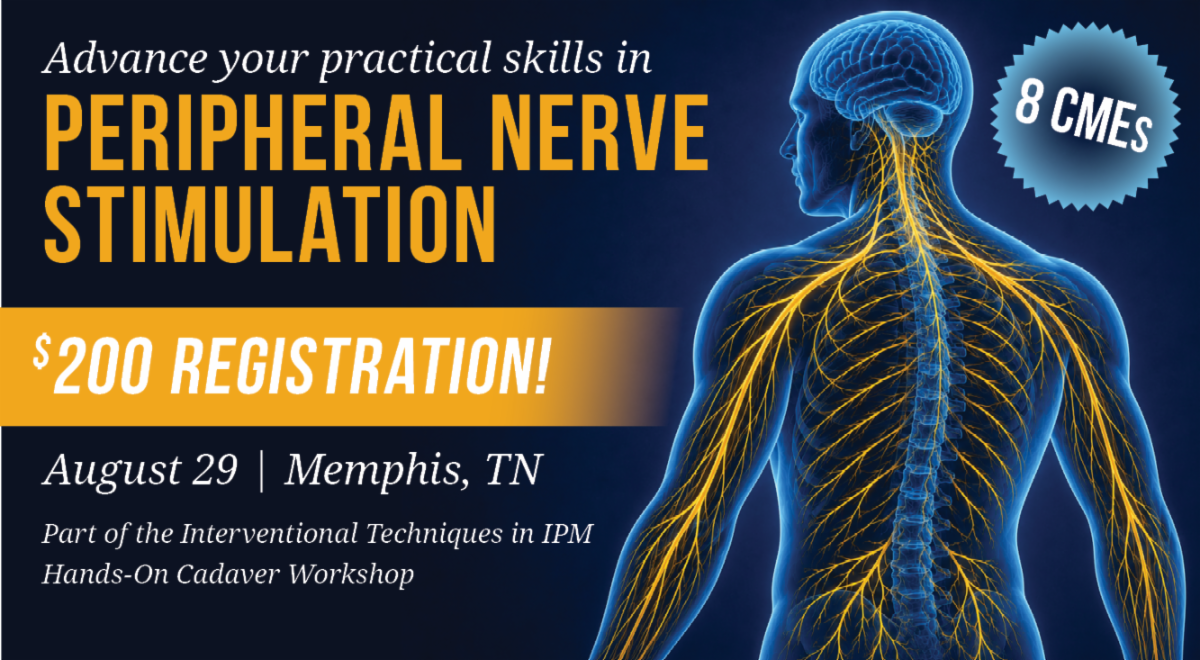
Also offering a $200 PNS workshop and a $100 introduction to the VIA Disc NP procedure.
Space is limited for these workshops. Early registration is encouraged.
Click here to learn more.
| |
The Westin Memphis, Beale Street
170 Lt. George W Lee Ave, Memphis, TN 38103
901-334-5900
Click Here to Book Your Room
Cut-off date for special room rates: August 13, 2026.
In order to ensure you receive the discounted room block rate of $189 plus tax per night let the hotel know you are with the ASIPP workshops.
| | | |
FRIDAY, AUGUST 28
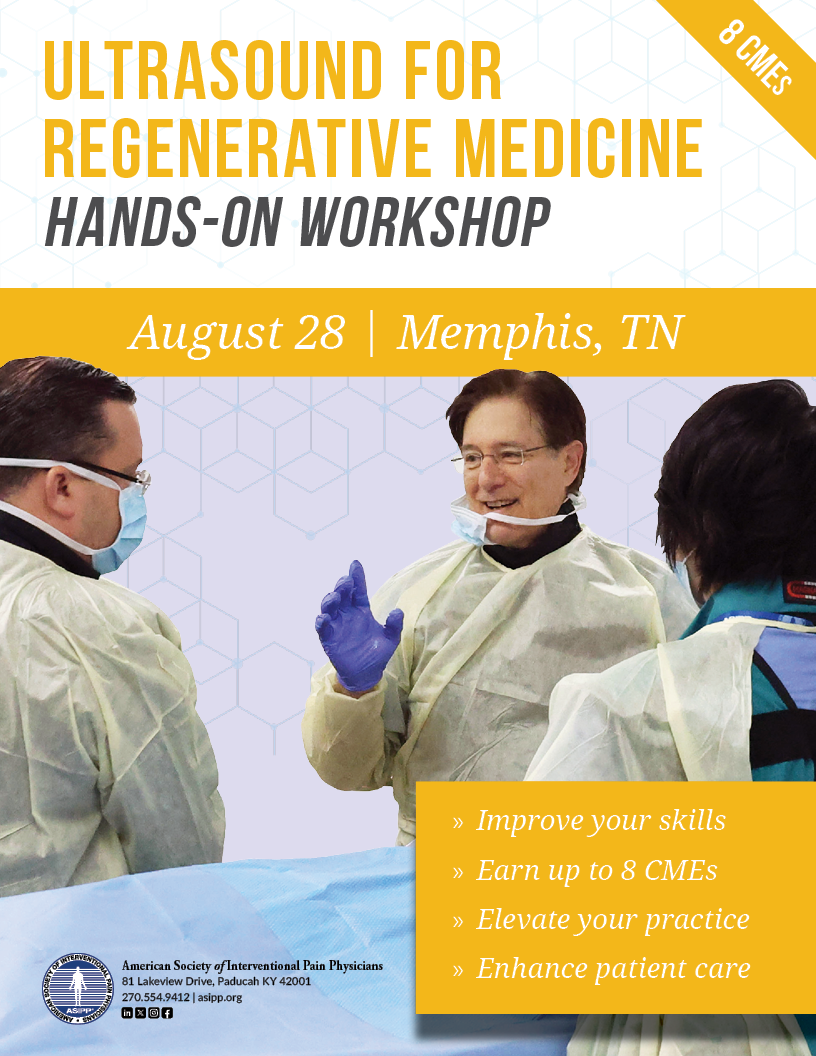
Ultrasound for Regenerative Medicine Hands-On Workshop
Earn 8 CMEs while gaining practical ultrasound experience focused on regenerative medicine applications.
| | | |
SATURDAY, AUGUST 29
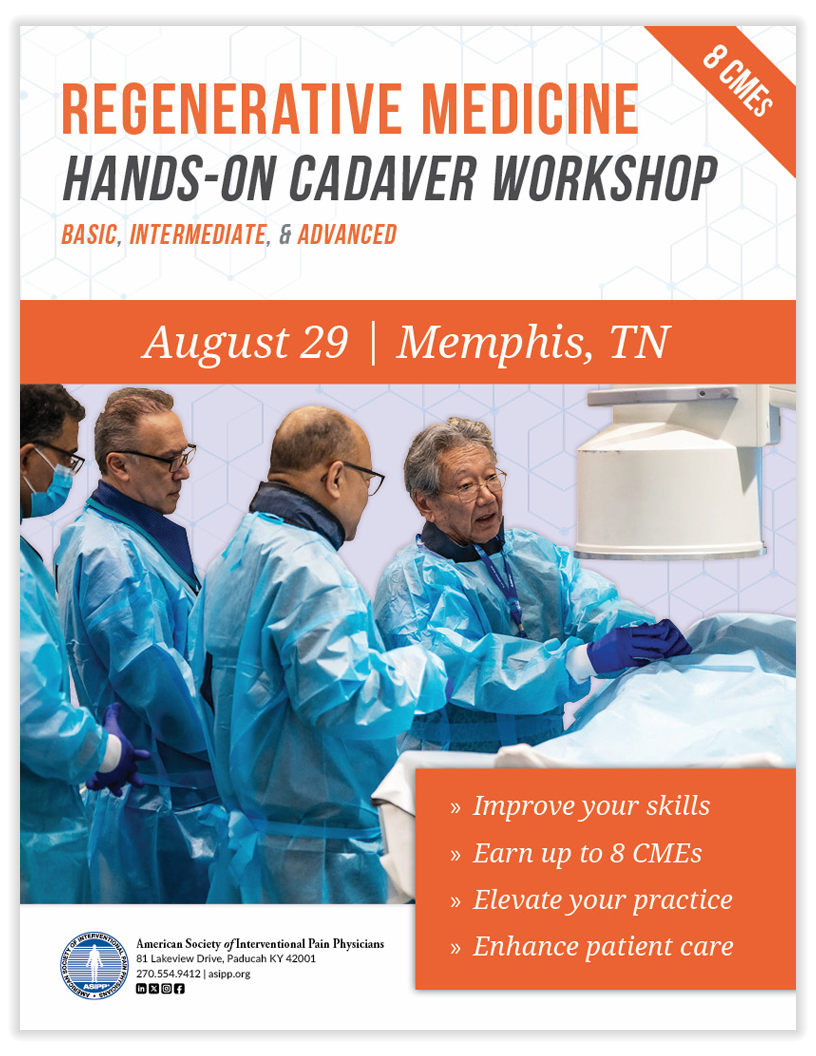
Regenerative Medicine Hands-On Cadaver Workshop
(Basic, Intermediate, & Advanced)
Earn 8 CMEs in this cadaver workshop with hands-on instruction covering regenerative medicine techniques across varying experience levels.
| | | |
SATURDAY, AUGUST 29
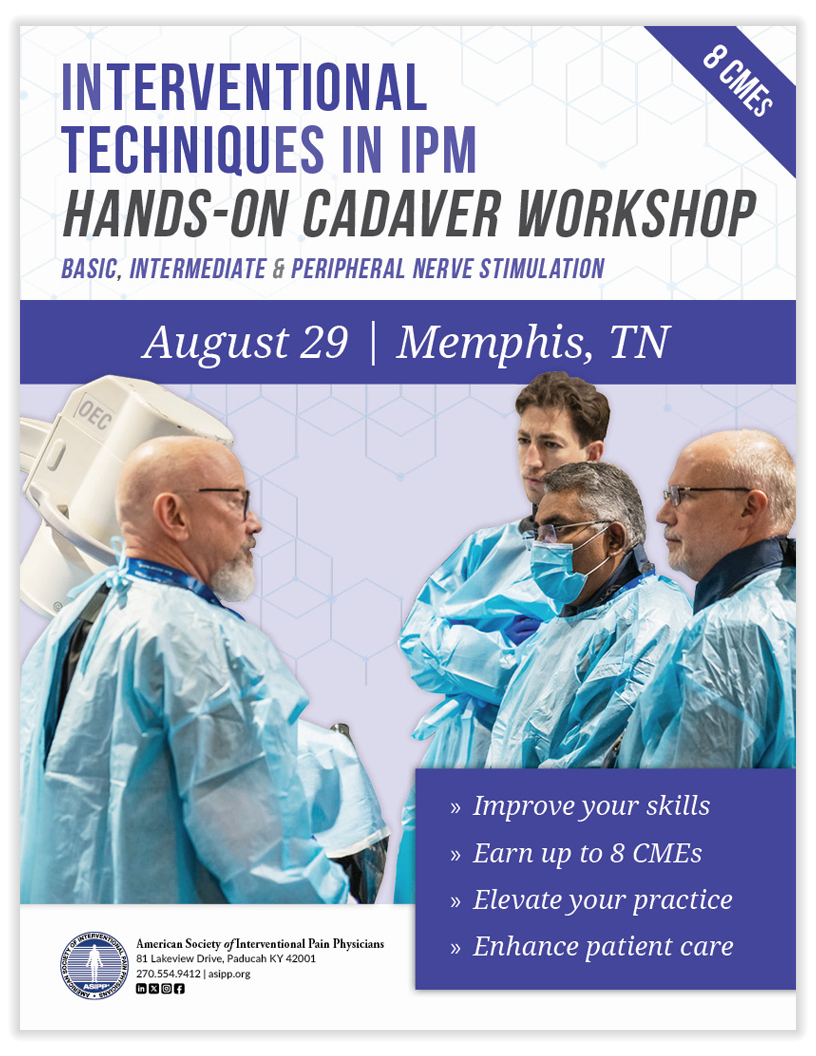
Interventional Techniques in IPM Hands-On Cadaver Workshop
(Basic, Intermediate & PNS)
Earn 8 CMEs in this workshop focused on interventional pain management techniques and peripheral nerve stimulation applications.
| |
CY 2027 Medicare ASC Proposed Rule — The Good, the Bad, and the Ugly for Pain Practices
On July 7, 2026, CMS published its proposed rule for the CY 2027 Hospital Outpatient (OPPS) and Ambulatory Surgical Center payment systems (CMS-1850-P). Comments are due approximately 60 days after publication, with a final rule expected in November 2026. Because commercial payers commonly benchmark ASC contracts to Medicare, these proposals will shape both Medicare and private reimbursement. Here is what matters for interventional pain practices operating in the ASC setting.
THE GOOD
Neuromodulation and device-based procedures win big
CMS proposes a 2.4% ASC update, raising the conversion factor from $56.322 to $57.766, and retains the more favorable hospital market basket through 2027. The nervous-system and musculoskeletal specialty groups — home to nearly all IPM codes — each gain +6%, the strongest in the ASC program. Prior authorization for facet injections, facet RF ablation, SCS lead implants, and (starting July 2027) an expanded botulinum toxin list applies only to hospital outpatient departments, not ASCs — making the ASC the faster and better-paid site of service. CMS also proposes adding 618 procedures to the ASC Covered Procedures List.
THE BAD
Bread-and-butter injections keep eroding
Despite the +2.4% system update, epidural injections, facet injections, and facet RF ablation all decline, losing ground to inflation for another year. Office-based payment caps continue to suppress ASC facility fees for many injection codes, and these relative-weight cuts compound annually.
THE UGLY
Cliffs and penalties to plan for...
- Non-opioid payment cliff: the temporary separate payment for qualifying non-opioid pain treatments (e.g., liposomal bupivacaine) expires December 31, 2027, unless Congress acts.
- Quality-reporting penalty: ASCs failing ASC Quality Reporting receive only a 0.4% update — a 2-point penalty worth roughly 2% of all Medicare revenue.
Click here for detailed information.
Click here for the 2027 ASC Proposed Payment Rates Compared to 2026 Rates.
Click here for CMS-1850-P on CMS.gov
| | |
2027 proposed fee schedule calls for 1.68% cut for those not part of alternative payment models
Physicians would receive a 1.68% pay cut -- or a 1.19% pay cut for those participating in advanced alternative payment models -- in 2027 under the proposed Medicare Physician Fee Schedule released Tuesday by the Trump administration.
The proposal also includes a provision to sunset in 2029 the Merit-Based Incentive Payment System (MIPS), which rewards physicians for improvements on certain quality measures, and move clinicians "toward more clinically meaningful specialty-focused MIPS Value Pathways," CMS said in a press release. And it is proposing changes to encourage more physicians to join its most popular accountable care organization, the Medicare Shared Savings Program (MSSP).
"We're proposing some of the most significant Medicare reforms in recent years to strengthen primary care, expand accountable care, and modernize physician payment," said CMS Administrator Mehmet Oz, MD, MBA. "These changes would make it easier for clinicians to focus on prevention, improve coordination for patients, and ensure Medicare rewards better outcomes rather than more services."
Click here to read the full article.
| | |
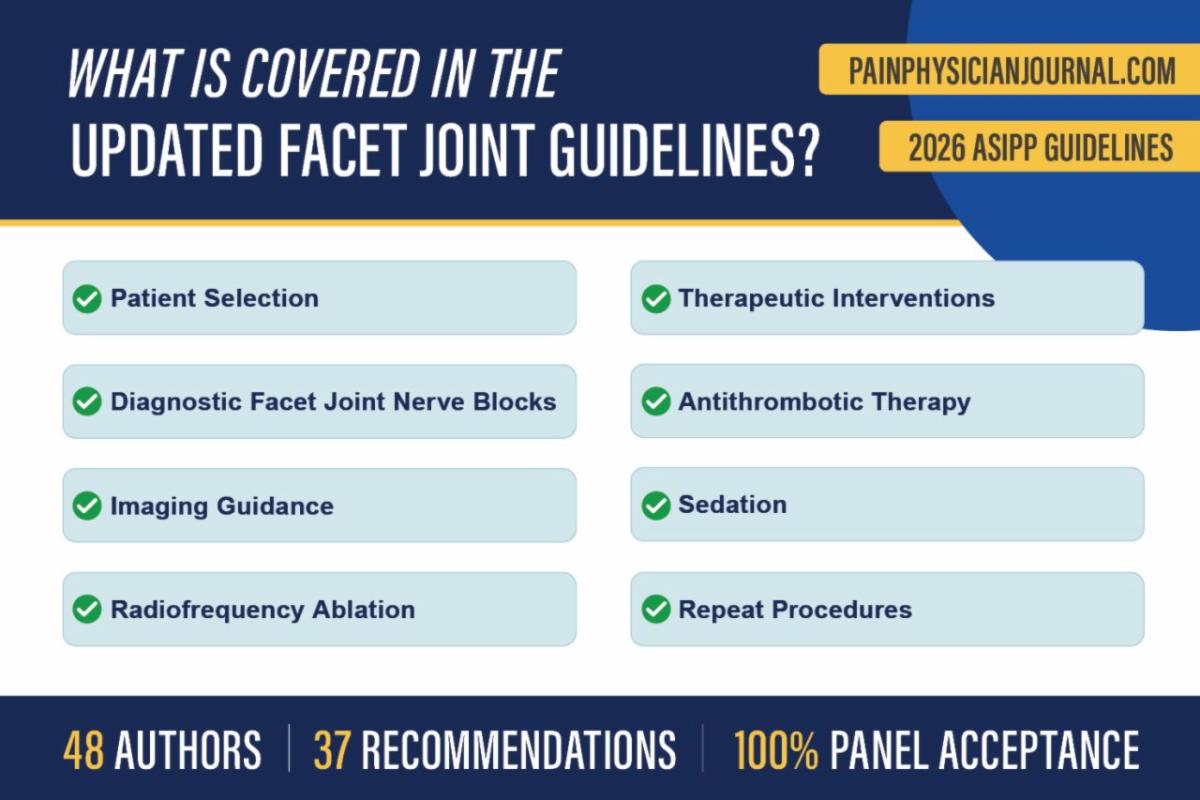
The Pain Physician journal has published updated, evidence-based guidelines for facet joint interventions in the management of chronic spinal pain.
Developed by a multidisciplinary panel of 48 authors, these guidelines include 37 recommendations, all achieving 100% acceptance through a modified Delphi process. The recommendations are based on a comprehensive evidence review, with evidence and recommendation strength assessed using modified ASIPP methodology, GRADE, and AHRQ criteria.
The document addresses patient selection, diagnostic facet joint nerve blocks, imaging guidance, radiofrequency ablation, therapeutic facet joint nerve blocks, intraarticular injections, repeat interventions, sedation, antithrombotic therapy, and special safety considerations.
| | |
Patients who received regional anesthesia had a reduced risk for chronic postsurgical pain up to 12 months, especially after undergoing breast, knee, and thoracic surgeries.
METHODOLOGY
- Researchers conducted a systematic review and meta-analysis of randomized trials to assess whether regional anesthesia reduced the risk for the long-term use of opioids or the incidence of chronic postsurgical pain.
- They included 158 trials published between 2000 and 2025 involving 18,794 adults (mean age, 55 years) who underwent surgeries such as mastectomy, thoracotomy, and joint replacement.
- Primary outcomes were the incidence of chronic postsurgical pain and long-term use of opioids, defined as at least 3 months after surgery, with follow-up up to 2 years.
Click here to read the full article.
| | |
ASIPP is proud to launch our Resident and Fellow Mentorship Program. This initiative is designed to connect trainees with experienced pain physicians to foster professional growth, provide guidance, and strengthen the future of our specialty.
Each mentor would be paired with one to two trainees, but can take more if interested. Trainees will be responsible for initiating introductions and arranging at least one to two video calls per year. These sessions will provide opportunities for mentees to seek advice on clinical decision-making, career planning, research opportunities, and professional development.
We believe that your experience, expertise, and insight can have a lasting impact on the next generation of pain physicians. By volunteering as a mentor, you will play a critical role in shaping the future of our field and ensuring that ASIPP continues to cultivate excellence in interventional pain medicine.
If you are interested in serving as a mentor, please confirm your participation by filling out the appropriate form below.
| |
Opioid prescribing by pain medicine specialists rose between 2010 and 2024, while prescribing by primary care physicians fell, a new study showed. However, overall prescribing, especially for long-term use, decreased sharply during that time period.
- Researchers conducted a cross-sectional study using administrative claims data from the period 2010-2024 for adults with commercial insurance and Medicare Advantage (ages ≥ 65 years; < 65 years with a long-term disability) who had at least 90 days of continuous enrollment in medical and prescription coverage.
- Researchers assessed prescribing volume (rate of opioid fills per 100 person-years of observation), daily dose of opioid fills (measured in morphine milligram equivalents [MMEs]), and the duration of opioid fills, stratified by prescriber specialty and the type of opioid use episode.
- Opioid use episodes were classified as short-term (lasting less than 90 days), long-term (lasting at least 90 days and including at least 120 days' supply or at least 10 fills), and episodic (lasting at least 90 days with less than 120 days' supply and fewer than 10 fills).
- From a population of more than 51 million patients, researchers identified 110,288,218 eligible opioid prescription fills by nearly 15 million patients (median age at opioid fill, 61 years; 59.4% of fills dispensed to women).
Click here to read the full article.
| |
ASIPP is pleased to announce the launch of the Regenerative and Longevity Medicine Section!
This section reflects the growing importance of regenerative and longevity medicine—fields dedicated to restoring health, enhancing vitality, and extending the healthy years of life. From stem cell therapies and tissue engineering to gene therapy and orthobiologics, these disciplines are transforming the way we approach pain management and age-related decline.
Section membership offers:
- Access to ASIPP’s physician database and future data registry
- Opportunities for certification and continuing education
- Section-exclusive resources and updates
No additional cost for ASIPP members!
| | |
A retrospective study found that nearly half of the patients presenting to the emergency department (ED) with intentional self-poisoning had engaged in polypharmacy, defined as the ingestion of multiple medications. Compared with single-substance ingestions, polypharmacy more frequently involved central nervous system (CNS)-acting agents, particularly benzodiazepines, antidepressants, antipsychotics, and opioids.
METHODOLOGY
- Researchers conducted a retrospective cross-sectional study using data from the toxicology registry at a tertiary hospital in Israel.
- They included 322 patients (mean age, 38 years; 68.9% women) presenting to the ED after intentional ingestion of pharmacologic agents during a suicide attempt between 2017 and 2022.
- Researchers assessed and compared substance use patterns, clinical presentation, management, hospital resource utilization, and clinical outcomes between individuals with single-substance ingestion and those with polypharmacy.
Click here to read the full article.
| | |
Apply now for one of the following 2026 dates:
July 25, September 26, October 24, November 14,& December 12
Four (4) hour virtual exam
- ABIPP Path – Combined CCPM/ CSM Exam
For those with subspecialty in Pain Medicine
Two (2) hour virtual exam
- ABIPP Competency Exam in IPM
For those without primary board certification
Two (2) hour virtual exam
- ABIPP Competency Exam in Regenerative Medicine
Two (2) hour virtual exam
- Controlled Substance Management Competency Exam
Two (2) hour virtual exam
- Documentation, Coding, Compliance, Practice Management Competency Exam
Two (2) hour virtual exam
August 28, 2026
- ABIPP Part II Oral and Practical Examination
Topics that will be covered:
Caudal epidural injections; Lumbar interlaminar epidural injections; Lumbar/sacral transforaminal epidural injections; Cervical epidural injections; Thoracic epidural injections; Lumbar/sacral medial branch and L5 dorsal ramus blocks; Cervical medial branch blocks; Thoracic medial branch blocks; Lumbar/sacral facet joint nerve radiofrequency neurolysis; Cervical medial branch radiofrequency neurolysis; Thoracic medial branch radiofrequency neurolysis; Sacroiliac joint injections; Cervical sympathetic blocks; Lumbar paravertebral sympathetic blocks; Intercostal nerve blocks; Lumbar discography; Celiac plexus blocks (not Splancnic nerve blocks); Percutaneous epidural adhesiolysis; Spinal cord stimulation lead placement
| | |
Pain Medicine Case Reports (PMCR) and Editor-in-Chief Alaa Abd-Elsayed, MD, PhD would like to invite you to submit case reports and case series to the PMCR journal. Your article will be published free of charge.
Open access journals are freely available online for immediate worldwide open access to the full text of published articles. There is no subscription fee for open access journals. Open access journals are no different from traditional subscription-based journals: they undergo the same peer review and quality control as any other scholarly journal.
Interested in becoming a member of the PMCR Editorial Board?
Editorial board members are asked to review 2-6 manuscripts per year. Please submit your most up-to-date CV to sgold@asipp.org for consideration.
For more information or to submit your articles, click here.
| | |
We are excited to announce that Pain Medicine Case Reports (PMCR) journal (eISSN 2768-5152) has been accepted for inclusion in MEDLINE and PubMed, the prestigious bibliographic database of the U.S. National Library of Medicine. PMCR, a companion publication to the prestigious Pain Physician journal by ASIPP, joins its counterpart in achieving indexing in both MEDLINE and PubMed, marking ASIPP’s dual presence in these renowned databases.
The inclusion of PMCR journal in MEDLINE signifies a higher level of selectivity, as MEDLINE consists of the top 5,200 biomedical journals. This indexing also means that articles from PMCR will be searchable using NLM Medical Subject Headings (MeSH terms) and other metadata.
The selection for MEDLINE follows a rigorous evaluation process by reviewers from the Literature Selection Technical Review Committee (LSTRC). According to their criteria, the scientific quality of a journal’s content is the primary factor considered for indexing.
We extend our congratulations to the Pain Medicine Case Reports Editor-in-Chief, Deputy Editor-in-Chief, Journal Team, and Editorial Board for this achievement, which underscores the significance and excellence of this esteemed journal.
| | | | |
Lacosamide-Induced Visual and Auditory Hallucinations in an Elderly Patient Treated for Refractory Trigeminal Neuralgia: A Case Report
Hugues Magne, MD, PhD
| |
Treatment of Chronic Postamputation Pain With High-Frequency Bioelectric Nerve Block Over 12 Years: A Case Report
Amol Soin, MD, Erin Barker, BSN, RN, Nemath Syed Shah, MS, and Nicholas J. Hargus, PhD
| |
Expanding Sphenopalatine Ganglion Block Use in Oncology: Multifocal Pain Relief in Metastatic Breast Cancer—A Case Report
Danielle Levin, MD, Sarah Levin, BA, Shaul Cohen, MD, and Martin Acquadro, MD, DMD
| | | | |
|
Special Guidelines Issue
Updated Facet Joint Interventions
| | |
The Pain Physician journal has published updated, evidence-based guidelines for facet joint interventions in the management of chronic spinal pain.
Developed by a multidisciplinary panel of 48 authors, these guidelines include 37 recommendations, all achieving 100% acceptance through a modified Delphi process. The recommendations are based on a comprehensive evidence review, with evidence and recommendation strength assessed using modified ASIPP methodology, GRADE, and AHRQ criteria.
The document addresses patient selection, diagnostic facet joint nerve blocks, imaging guidance, radiofrequency ablation, therapeutic facet joint nerve blocks, intraarticular injections, repeat interventions, sedation, antithrombotic therapy, and special safety considerations.
| | |
Laxmaiah Manchikanti, MD, Mahendra R. Sanapati, MD, Sheri L. Albers, DO, Alan D. Kaye, MD, PhD, Vinita Singh, MD, Nebojsa Nick Knezevic, MD, PhD, Rajesh Naidu Janapala, MD, Amol Soin, MD, Annu Navani, MD, Adam M. Kaye, PharmD, Ahad Mussarat, MD, Alexander Bautista, MD, Dajie Wang, MD, Paul J. Christo, MD, Maged Mina, MD, Daneshvari R. Solanki, MD, Devi Nampiaparampil, MD, Gerard Limerick, MD, PhD, John Manor, DO, Kris Ferguson, MD, Lynn Cintron, MD, Michael Bottros, MD, Shirley Chen, MS, Shivam S. Shah, MD, Vahid Grami, MD, MPH, Douglas P. Beall, MD, Shalini Shah, MD, Sairam Atluri, MD, Mittal S. Prajapati, MD, Alaa Abd-Elsayed, MD, Salahadin Abdi, MD, PhD, Steve Aydin, DO, Sanjay Bakshi, MD, Joseph Cabaret, MD, Aaron K. Calodney, MD, Kenneth D. Candido, MD, Christopher G. Gharibo, MD, Mayank Gupta, MD, Michael Harned, MD, Standiford Helm II, MD, Sachin "Sunny" Jha, MD, Radomir Kosanovic, MD, Vidyasagar Pampati, MSC, Ramarao Pasupuleti, MD, Bradley W. Wargo, DO, Hermant Kalia, MD, Gary Schwartz, MD, and Joshua A. Hirsch, MD
| | |
Laxmaiah Manchikanti, Mark V. Boswell, Mahendra R. Sanapati, Alan D. Kaye, Miles Day, Nebojsa Nick Knezevic, Mittal S. Prajapati, Amol Soin, Annu Navani, Vidyasagar Pampati, Christopher G. Gharibo, Devi Nampiaparampil, Vivek Manocha, Navneet Boddu, Sairam Atluri, Shalini Shah, Alexander Bautista, Vinita Singh, and Joshua A. Hirsch
| | | | |
|
ASIPP is in collaboration with Curi Medical Liability Program
Since this malpractice insurance program officially launched in November 2018, ASIPP has signed up hundreds of providers with an average savings of 30%. This is professional liability insurance tailored to our specialty and will stand up for us and defend our practices.
Curi is a full-service advisory firm that serves physicians and their practices. Their valued advice is grounded in your priorities and elevated in your outcomes. They are driven by a deep understanding of your specific circumstances in medicine, business, and life. To read a few important points to keep in mind about the program, including discounts, administrative defense, cyber coverage, aggressive claims handling, and complimentary risk management CME activities, visit our website.
| | |
IMPORTANT UPDATE
SPR is happy to announce an important update regarding Humana Medicare Advantage. As of May 1, Humana is now recognizing SPRINT as a PNS therapy. Previously, SPRINT was categorized as PNT (Percutaneous Nerve Stimulation), which allowed denials on the grounds that the therapy fell outside the NCD.
Additional details are as follows:
Payer: Humana Medicare Advantage (click here to view policy)
Policy Title: Peripheral Nerve Stimulators
Policy changes: SPRINT no longer misclassified as PNT and is now appropriately classified as PNS. Humana is applying the Noridian Medicare LCD criteria to ALL PNS devices – Including SPRINT PNS!
Effective Date: 5/1/2025
Click here to view a PDF of the official policy update.
| | |
|
Group Purchasing Organization Offer Better Pricing and Creates Added Value
ASIPP has formed a partnership with Henry Schein and PedsPal, a national GPO that has a successful history of negotiating better prices on medical supplies and creating value-added services for independent physicians. Working with MedAssets, PedsPal provides excellent pricing on products like contrast media that alleviate some of the financial pressures you experience today.
Learn More
For updated information concerning tariffs on products, click here.
| |  |
|
ASIPP, Fedora Healthcare Solutions Partnership
ASIPP offers our members the benefit of a unique revenue cycle management/ billing service.
We have received a tremendous amount of interest in the ASIPP billing and coding program.
Click here to learn more about the negotiated rate for practices and more!
| | |
Like and Follow ASIPP® on Facebook, X, LinkedIn,
and YouTube for the most up-to-date news
related to you, your practice, and your patients!
| | | | |