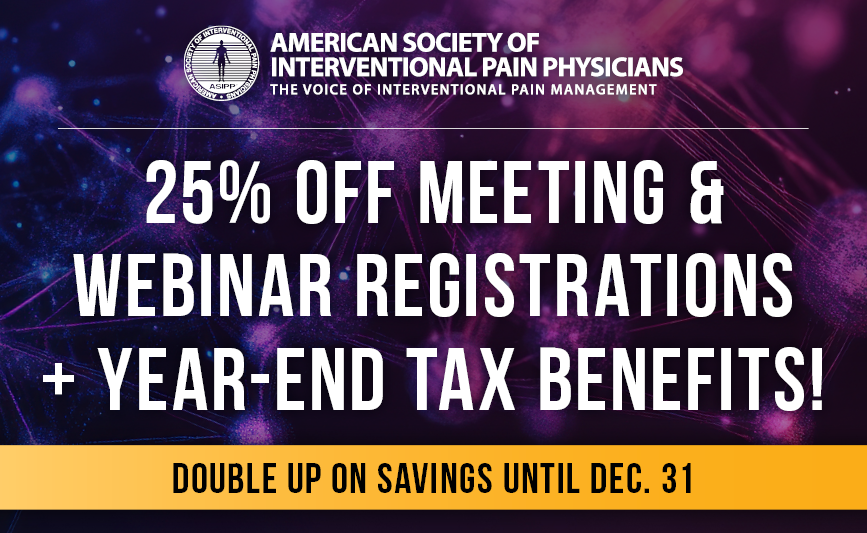
Today is the last day to save AND
receive a tax deduction!
| |
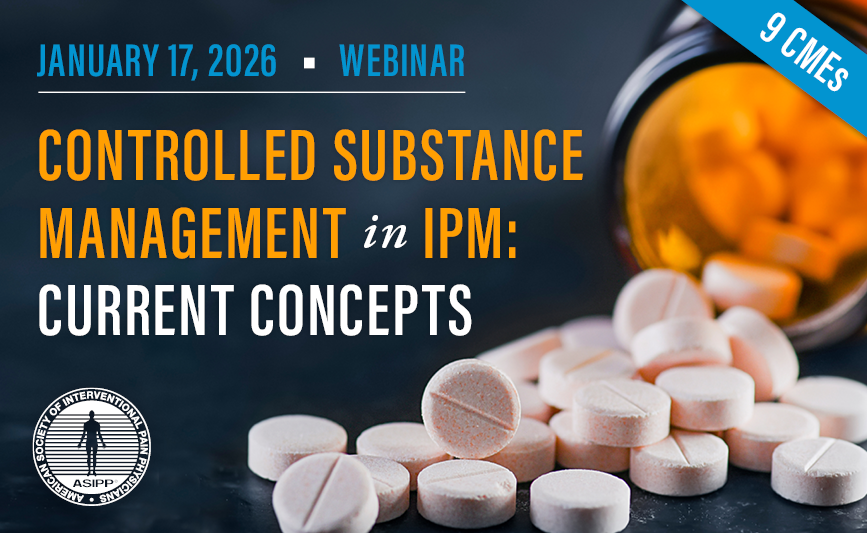
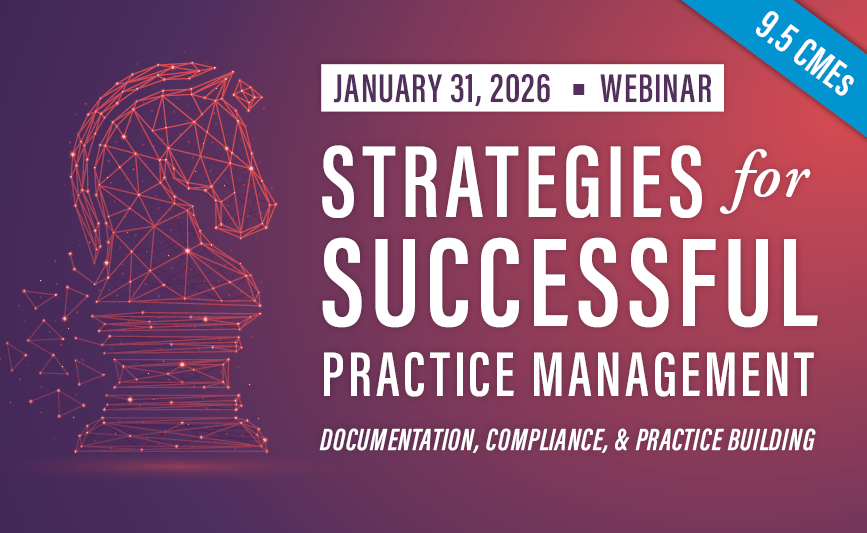
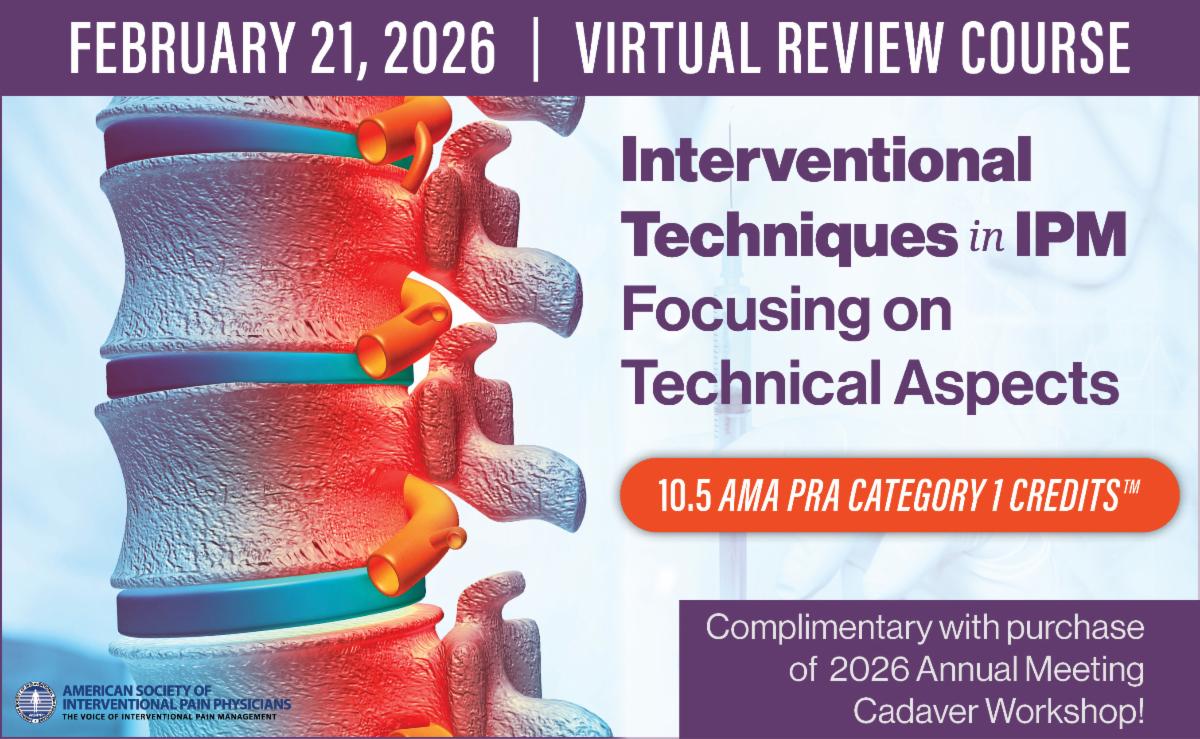
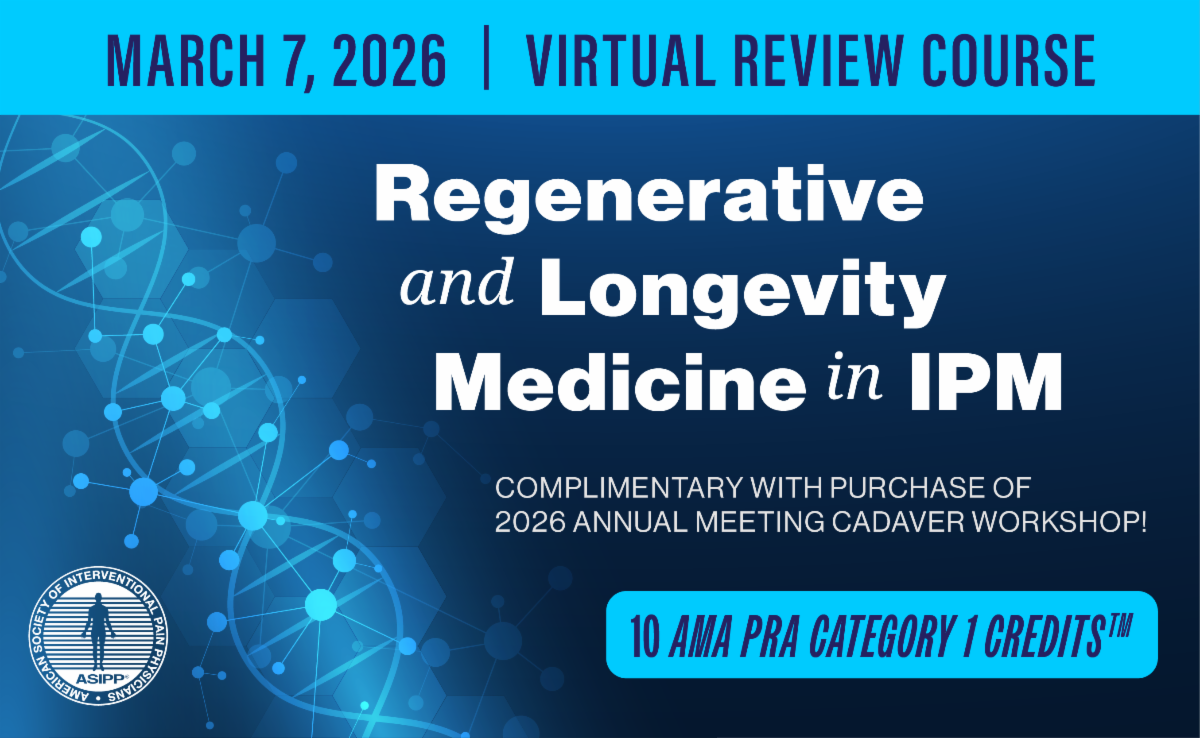
Upcoming ASIPP Webinars
Register today!
| |
Join Us in New Orleans for ASIPP 2026
Earn CMEs, Expand Networks, and Explore the Future of Pain Management
| | |
It is our pleasure to invite you to the American Society of Interventional Pain Physicians’ 2026 Annual Meeting, where we will continue to shape the future of Interventional Pain Management.
This 28th Annual Meeting will take place Thursday, March 19 through Saturday, March 21, 2026, at the Hilton New Orleans Riverside in New Orleans, Louisiana.
The 2026 Annual Meeting will provide the tools, knowledge, and connections you need to thrive in the evolving field of interventional pain management.
| | JOIN or RENEW your ASIPP Membership for the best registration rates. | | Hands-On Cadaver Workshops | | | |
|
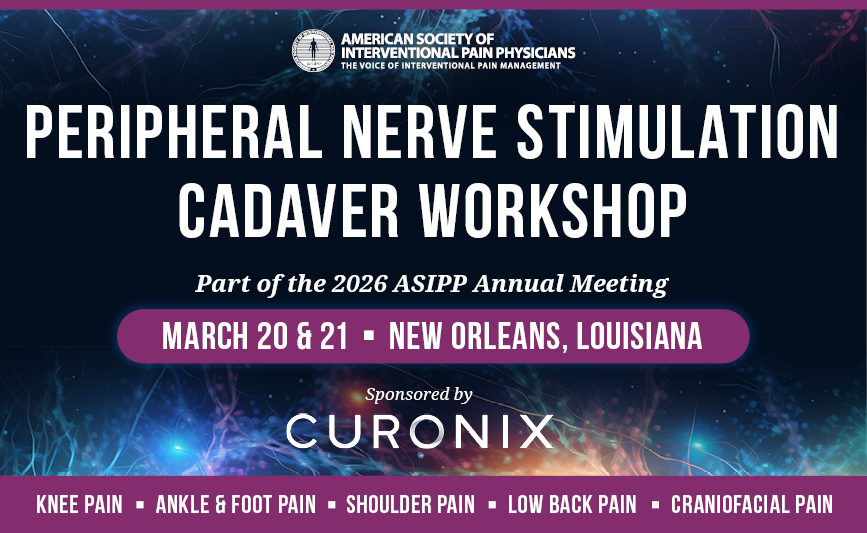
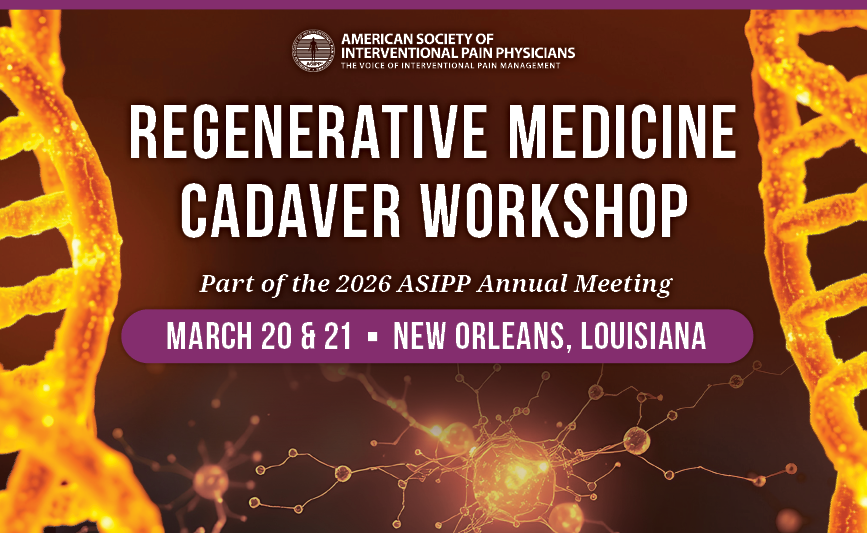
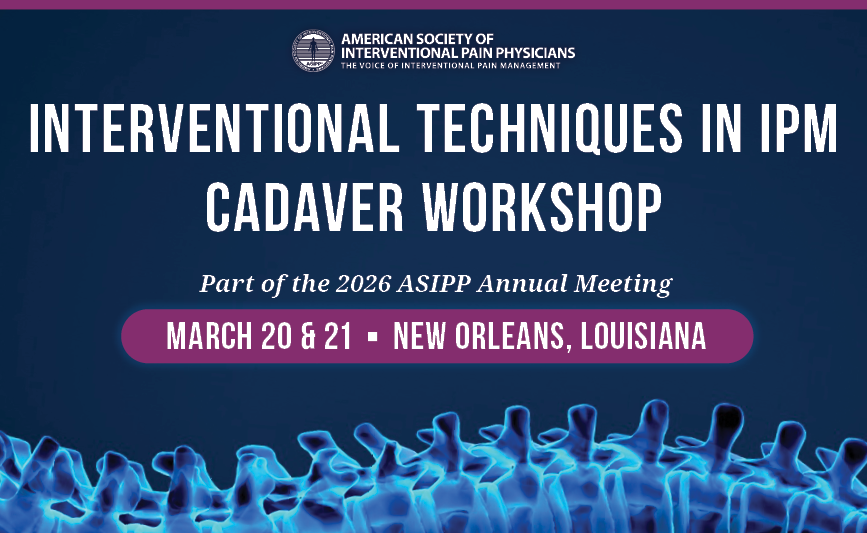
Don't miss the Hands-On Cadaver Workshops taking place March 20 and 21 alongside the Annual Meeting in New Orleans!
These workshops offer practical, guided training in key interventional procedures. This is an invaluable opportunity to sharpen your skills and gain confidence through real-time, instructor-led practice.
Sponsored by Curonix
(non-CME)
(8 CMEs)
- Interventional Techniques
(8 CMEs)
| | |
A limited number of qualifying residents/fellows will receive a scholarship to attend the ASIPP 28th Annual Meeting, March 19-21, 2026 at the Hilton New Orleans Riverside. Recipients of this scholarship with receive reimbursement of their meeting registration, and up to three nights stay at the host hotel. This includes room block rate and tax.
Deadline to apply is February 15, 2026.
Click here for more information.
| | |
ASIPP Helps!
End of Year Savings with Tax Benefits
As we approach the end of the year, we want to ensure you don’t miss out on significant savings and valuable member benefits with the American Society of Interventional Pain Physicians (ASIPP), but more importantly tax deductions for year 2025.
Renew, register, or join by December 31 to maximize your savings and tax advantage for 2025.
- It is also time to register for the annual meeting and cadaver workshops with tax deductions for 2025.
- Register as an ASIPP Member for a 17% discount on your registration for ASIPP’s 28th Annual Meeting in New Orleans, March 19–21 (Register today: http://www.asippmeeting.com)
Benefits are enormous, apart from tax savings:
- Discounted registration rates for all ASIPP meetings, webinars, and cadaver workshops in 2026
- Advocacy efforts in Washington DC that protect and elevate the specialty
- Cutting-edge clinical resources and practice management guidance
- A network of leading experts and peers in interventional pain management
- Access to ASIPP’s Endorsed Programs: OnDoc.AI, Willow Risk Advisors, Curi, Fedora Healthcare Solutions, Henry Schein, PedsPal, DocMatter, PainCast, and ASIPP TV
- Inclusion of your practice in the ASIPP Doctor Finder Public Listing
We encourage you to act now: renew your dues, register for the annual meeting, and secure your end-of-year tax savings before December 31.
| |
- Well-established group seeking an interventional pain physician with pain fellowship training
- Comprehensive interventional pain management program with physicians, nurse practitioners, and two Ambulatory Surgery Centers
- Established interventional pain management practice with strong clinical and research focus
- High-volume practice that is ethical and fully legally compliant
- Research and publication opportunities available
- Early and generous partnership opportunities in both the practice and ASC
The Community:
- Excellent quality of life in a county of more than 60,000 residents, with a regional drawing area exceeding 200,000
- High standard of living with abundant recreational and social opportunities
- Strong public school system and a private parochial elementary school
- Convenient location: approximately 2.5 hours to Nashville and St. Louis; 3 hours to Memphis, Louisville, and Lexington
- Daily one-hour flights to major international hubs, including Chicago O’Hare and Houston, TX
Please email Cindy Jackson at cindy@thepainmd.com with your current CV to schedule an interview or to learn more about this practice.
| | |
When the news broke about welfare fraud in Minnesota’s Somali community, it was largely confined to abuse surrounding the Agriculture Department’s Federal Child Nutrition Program and a Medicaid-funded autism program. However, investigators now believe that over $9 billion was stolen by more than 90 people through 14 Medicaid-funded programs. It is possible that this wave of criminal fraud is isolated to Minnesota, but it is not likely, especially since the waivers at the heart of the scandal have been granted to dozens of other blue states nationwide.
Medicaid and Medicare have always been prone to fraud, which is why the Department of Justice has had a dedicated national task force to identify and prosecute Medicaid and Medicare fraud since 2007. But what is going on in Minnesota is not typical Medicaid fraud. The guilty are not doctors who bill for more expensive services than those actually delivered, then kick money back to patients. Nor are they doctors who order tests or treatments that are not needed, so as to increase reimbursement. No doctors are even involved because Medicaid is being used to pay for nonmedical services.
How did this happen?
The “social determinants of health” movement existed long before the Obamacare expansion of Medicaid. But with federal taxpayers picking up 90% of new spending, the incentive for states to find new ways to spend other people’s money was larger than ever before. Proponents of SDOH claim to believe that health outcomes are primarily driven by social and economic conditions, meaning adequate provision of housing, food, education, and even income must be considered part of “healthcare.” With the Obamacare Medicaid expansion money flowing in, many states began using Section 1115 waivers to use federal Medicaid dollars to fund and expand existing welfare programs or create new ones, all channeled through nongovernmental organizations stocked with Democratic Party community organizers and other activists.
Click here to read the full article.
| | |
Prescriptions for the new non-opioid pain medication suzetrigine more than doubled between April and August 2025, according to analysis from Epic Research. The increase indicates a growing interest in opioid alternatives for acute pain, even as clinicians grapple with how and where the drug best fits in practice.
The US FDA approved suzetrigine, marked as Journavx by Vertex Pharmaceuticals, in February 2025 for moderate-to-severe acute pain.
About 11% of all new prescriptions for the drug between February and August were written in April — roughly 2350 orders — compared with 28% in August, which saw roughly 6000 scripts, indicating an acceleration in prescribing, according to the researchers.
Click here to read the full article.
| |
ASIPP is pleased to announce the launch of the Regenerative and Longevity Medicine Section!
This section reflects the growing importance of regenerative and longevity medicine—fields dedicated to restoring health, enhancing vitality, and extending the healthy years of life. From stem cell therapies and tissue engineering to gene therapy and orthobiologics, these disciplines are transforming the way we approach pain management and age-related decline.
Section membership offers:
- Access to ASIPP’s physician database and future data registry
- Opportunities for certification and continuing education
- Section-exclusive resources and updates
No additional cost for ASIPP members!
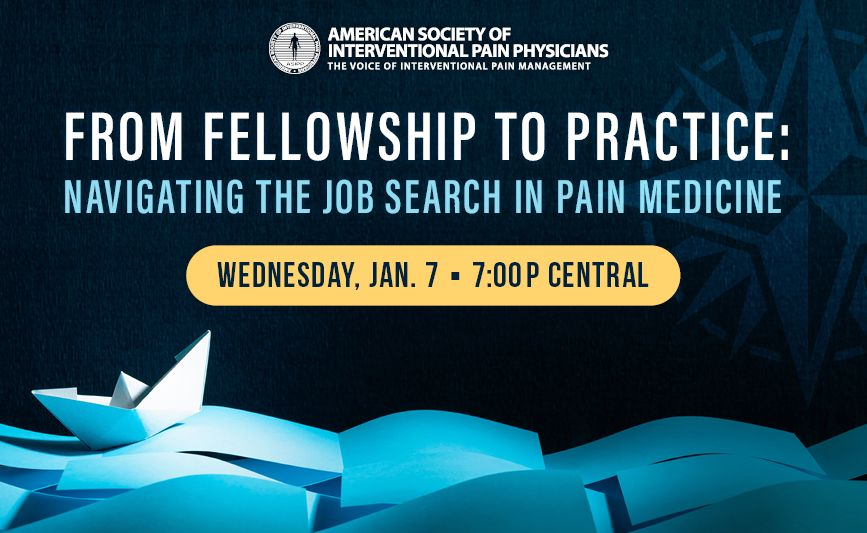
| | This webinar is designed to help pain medicine fellows and early-career physicians navigate the job search. Speakers will break down the pros and cons of key practice types—solo, academic, private group, and corporate-owned—so you can make informed career decisions. The session concludes with a live Q&A, giving you the opportunity to get clear answers to your most important questions. | | |
ASIPP is proud to launch our Resident and Fellow Mentorship Program. This initiative is designed to connect trainees with experienced pain physicians to foster professional growth, provide guidance, and strengthen the future of our specialty.
Each mentor would be paired with one to two trainees, but can take more if interested. Trainees will be responsible for initiating introductions and arranging at least one to two video calls per year. These sessions will provide opportunities for mentees to seek advice on clinical decision-making, career planning, research opportunities, and professional development.
We believe that your experience, expertise, and insight can have a lasting impact on the next generation of pain physicians. By volunteering as a mentor, you will play a critical role in shaping the future of our field and ensuring that ASIPP continues to cultivate excellence in interventional pain medicine.
If you are interested in serving as a mentor, please confirm your participation by filling out the appropriate form below.
| |
Some patients don’t trust us. Others say they don’t need us. It’s time for us to think of ourselves not as the high priests of health care but as what we have always been: healers.
For much of the past century, doctors had a near-monopoly on knowledge about and the provision of medical care. Patients had little choice but to turn to doctors, and doctors had little need to justify their gatekeeping role. But, today, many groups—A.I. startups, wellness influencers, longevity entrepreneurs, MAHA acolytes—are vying for medical authority, often by chipping away at that of doctors. In her best-selling book, “Good Energy,” Casey Means, Donald Trump’s nominee for Surgeon General, wrote that the most meaningful days of her life “came from ignoring a team of doctors,” who had recommended that her mother try aggressive end-of-life cancer care. Means, who trained as a surgeon before turning to alternative medicine, suggested that her mother’s doctors were biased by financial interests. In February, Bill Gates said on “The Tonight Show” that A.I. will make sophisticated medical advice—the kind that has been limited by the availability of skilled practitioners—costless and commonplace over the next decade. Humans, he said, will no longer be needed “for most things.” (The New Yorker’s parent company, Condé Nast, has partnerships with several A.I. companies, including OpenAI.)
As it is, a recent poll found that about half of young people believe that individuals who do their own research can know as much as a doctor. Nearly forty per cent say they’ve followed advice seen on social media instead of a medical provider’s—even though around half of the top hundred trending mental-health videos on TikTok contain misleading or inaccurate information, according to an investigation by the Guardian. In the U.S., nearly four in ten parents identify as supporters of the MAHA movement. Meanwhile, according to a Gallup survey, the trust Americans have in doctors has fallen fourteen points since 2021, and now sits at its lowest level in decades. In 2025, a doctor at a clinic is just one purveyor of health care in an increasingly competitive market.
Click here to read the full article.
| |
They are teammates working in a system that pits them against each other
Most Americans sense it instinctively: getting medical care has become harder than it once was. Waiting rooms stay full throughout the day. New patients wait months just to establish care. And when appointments finally arrive, many people are unsure whether they will be seeing a physician or an advanced practice provider (APP).
From the outside, these changes can look like professional conflict. Inside clinics, however, they feel less like a turf battle and more like the natural result of a system under strain.
Over time, a simple narrative has taken hold: that physicians and APPs are increasingly in competition with one another. In practice, that framing misses what is actually happening. The real divide in American medicine is not between clinicians and APPs, but between clinicians and the system they are working within.
Click here to read the full article.
| | |
Apply now!
January 24 & February 7, 2026
Four (4) hour virtual exam
- ABIPP Path – Combined CCPM/ CSM Exam
For those with subspecialty in Pain Medicine
Two (2) hour virtual exam
- ABIPP Competency Exam in IPM
For those without primary board certification
Two (2) hour virtual exam
- ABIPP Competency Exam in Regenerative Medicine
Two (2) hour virtual exam
- Controlled Substance Management Competency Exam
Two (2) hour virtual exam
- Documentation, Coding, Compliance, Practice Management Competency Exam
Two (2) hour virtual exam
| | |
Physical activities such as lifting, bending, and squatting were associated with an increased risk for low back pain (LBP) flares within 24 hours, whereas sitting was linked to a reduced risk, a new study showed. However, none of the activities were associated with functional limitations at 1-year follow-up.
METHODOLOGY:
- A prospective, longitudinal case-crossover study nested within a cohort study included more than 400 adults (mean age, 47.5 years; 75% men; 70% White individuals) with recent outpatient visits for LBP at VA primary care clinics from 2021 to 2023.
- Participants completed surveys three times weekly for weeks 1-4, once weekly for weeks 5-8, and bimonthly for months 3-12.
- All self-reported time spent during the previous 24 hours participating in 10 common activities: lifting at least 10 lb, pushing or pulling, bending, climbing, twisting, squatting, crawling, sitting, standing, and walking. They could also report new LBP flares during the 1-year follow-up.
- Primary outcomes included participant-reported LBP flares (defined as pain worsening that lasted hours to weeks) and LBP-related functional limitations at 1 year, as measured by the Roland-Morris Disability Questionnaire.
Click here to read the full article.
| | | |
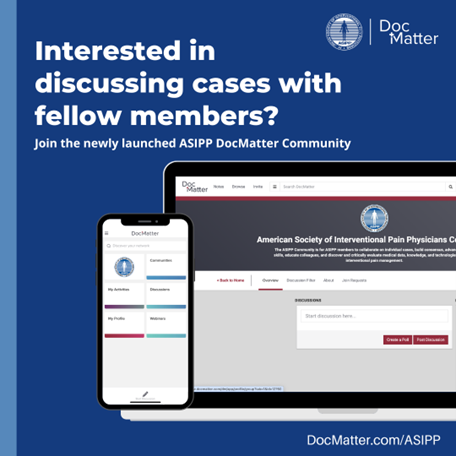
We're excited to let you know that the new ASIPP Community, hosted by DocMatter, is now live!
The ASIPP Community on DocMatter will serve as a place for members to collaborate around clinical and research topics to advance the care of their interventional pain patients.
Click here to be a part of the conversation!
| | |
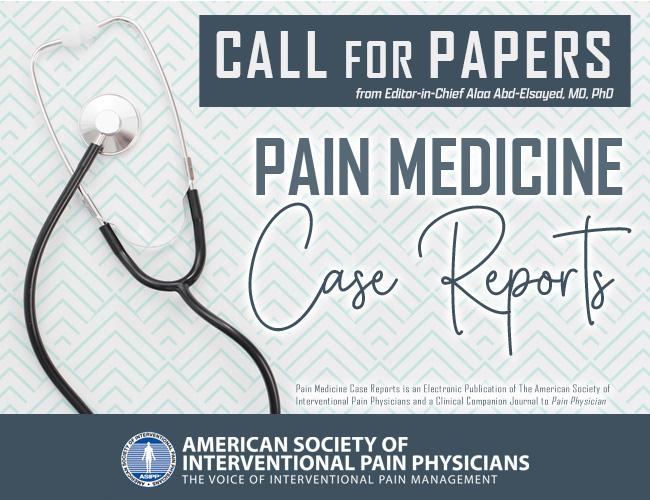
Pain Medicine Case Reports (PMCR) and Editor-in-Chief Alaa Abd-Elsayed, MD, PhD would like to invite you to submit case reports and case series to the PMCR journal. Your article will be published free of charge.
Open access journals are freely available online for immediate worldwide open access to the full text of published articles. There is no subscription fee for open access journals. Open access journals are no different from traditional subscription-based journals: they undergo the same peer review and quality control as any other scholarly journal.
Interested in becoming a member of the PMCR Editorial Board?
Editorial board members are asked to review 2-6 manuscripts per year. Please submit your most up-to-date CV to sgold@asipp.org for consideration.
For more information or to submit your articles, click here.
| | |
We are excited to announce that Pain Medicine Case Reports (PMCR) journal (eISSN 2768-5152) has been accepted for inclusion in MEDLINE and PubMed, the prestigious bibliographic database of the U.S. National Library of Medicine. PMCR, a companion publication to the prestigious Pain Physician journal by ASIPP, joins its counterpart in achieving indexing in both MEDLINE and PubMed, marking ASIPP’s dual presence in these renowned databases.
The inclusion of PMCR journal in MEDLINE signifies a higher level of selectivity, as MEDLINE consists of the top 5,200 biomedical journals. This indexing also means that articles from PMCR will be searchable using NLM Medical Subject Headings (MeSH terms) and other metadata.
The selection for MEDLINE follows a rigorous evaluation process by reviewers from the Literature Selection Technical Review Committee (LSTRC). According to their criteria, the scientific quality of a journal’s content is the primary factor considered for indexing.
We extend our congratulations to the Pain Medicine Case Reports Editor-in-Chief, Deputy Editor-in-Chief, Journal Team, and Editorial Board for this achievement, which underscores the significance and excellence of this esteemed journal.
| | | | |