|
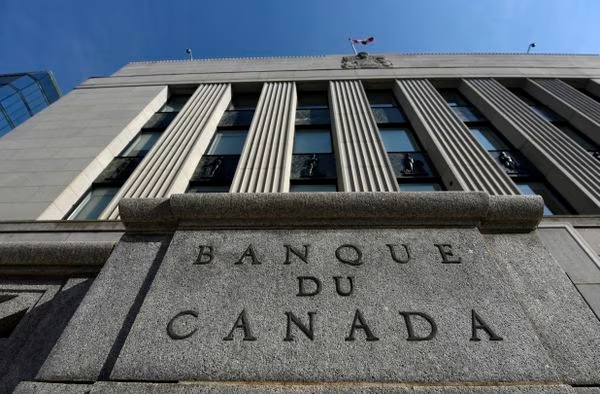
📢 Bank of Canada Raises Policy Rate to 2.50%
Economic & Market Update — October 2026
Hi everyone,
The Bank of Canada has announced a 0.25 percentage point increase to its key interest rate, bringing the target for the overnight rate to 2.50% — its first rate hike since July 2023.
The Bank Rate is now 2.75%, while the deposit rate stands at 2.45%.
The decision comes as Canada's economy shows signs of improvement, but persistent energy costs and rising inflation remain a concern.
Here's a closer look at what's happening in the global economy, Canada's economic outlook, inflation, and what this latest decision could mean for the housing market.
Global Outlook
The global economy has remained relatively resilient despite ongoing geopolitical tensions, elevated energy prices, and trade uncertainty.
-
Global economic growth is projected at 3.1% in 2026, followed by 3.2% in both 2027 and 2028.
-
The U.S. economy continues to show strength, supported by consumer spending and investment in artificial intelligence.
-
Europe's economy has demonstrated resilience, with growth becoming more broad-based despite higher energy costs.
-
China's economy rebounded in the third quarter, supported by stronger exports and increased government spending.
-
Higher oil prices continue to put upward pressure on inflation worldwide, increasing transportation and production costs.
Overall, central banks are navigating a challenging environment as they balance economic growth with persistent inflation risks.
Canada's Economy
Canada's economy has performed better than previously expected, although challenges remain.
-
Economic growth strengthened in the second quarter of 2026, with GDP increasing by 3.3%. Early indicators suggest growth of approximately 2% in the third quarter.
-
Consumer spending has remained relatively solid despite slower population growth.
-
Business investment has improved, particularly in energy production, machinery, and equipment.
-
Exports have strengthened, supported by U.S. demand and higher energy production, even as some industries continue to face trade-related challenges.
-
Unemployment has remained around 6.5% for several months, indicating that the labour market continues to face some softness.
-
New U.S. tariffs are expected to slow economic growth toward the end of 2026.
Looking ahead, the Bank of Canada expects the Canadian economy to grow by 1% in 2026, followed by 2% in both 2027 and 2028.
While the outlook has improved, uncertainty surrounding Canada–U.S. trade relations continues to influence business confidence and economic activity.
Inflation Update
Inflation remains one of the Bank of Canada's biggest concerns, particularly as elevated energy costs begin to affect other parts of the economy.
-
Annual inflation has remained around 3% since April, largely driven by higher gasoline and energy prices.
-
Inflation is expected to reach approximately 3.5% by the end of 2026.
-
Excluding gasoline, inflation was 2.2% in September, while core inflation measures remained close to 2%.
-
Higher fuel costs are increasing transportation and production expenses for businesses, raising concerns that these costs will eventually be passed along to consumers.
-
Inflation is projected to average 3% in 2027, before gradually returning to the Bank's 2% target around the middle of 2028.
The Bank's main concern is that persistently high energy prices could lead to broader, longer-lasting inflation across the economy.
What Does This Mean for the Housing Market?
The latest rate increase could have implications for buyers, sellers, and homeowners across Toronto and the GTA.
For Homebuyers
Higher interest rates can increase borrowing costs, particularly for buyers considering variable-rate mortgages.
This may affect mortgage affordability and purchasing power, making it important to review financing options and understand how different mortgage products could affect monthly payments.
For Homeowners
Those with variable-rate mortgages or home equity lines of credit may see their borrowing costs increase, depending on their lending terms.
Homeowners approaching mortgage renewal should review their options carefully, as their new rate will depend on current lender offerings and individual circumstances.
For Sellers
Borrowing costs can influence buyer confidence and purchasing decisions.
In a market where buyers are paying close attention to affordability, realistic pricing and a well-planned marketing strategy remain important.
What's Next?
The Bank of Canada has raised its policy rate to 2.50%, reflecting growing concerns that inflation could remain elevated for longer than previously expected.
Although the Canadian economy has shown signs of improvement, policymakers remain cautious about the impact of higher energy prices, trade uncertainty, and global economic developments.
The Bank has indicated that further rate increases may be necessary, but future decisions will depend on incoming economic data.
For buyers, sellers, homeowners, and investors, the message is clear: borrowing costs and affordability will remain important factors to watch in the months ahead.
The Next Rate Decision Is Scheduled for December 9, 2026
If you have questions about how changing interest rates could affect your buying power, mortgage renewal, or real estate plans, feel free to reach out — I'm always happy to help.
Brian
Brian McIntyre Real Estate | RE/MAX Hallmark®
|