|
October 2024 - Bringing Climate Change Topics into Your Classroom
- Lesson Deep Dive: Teaching Climate Science Principles
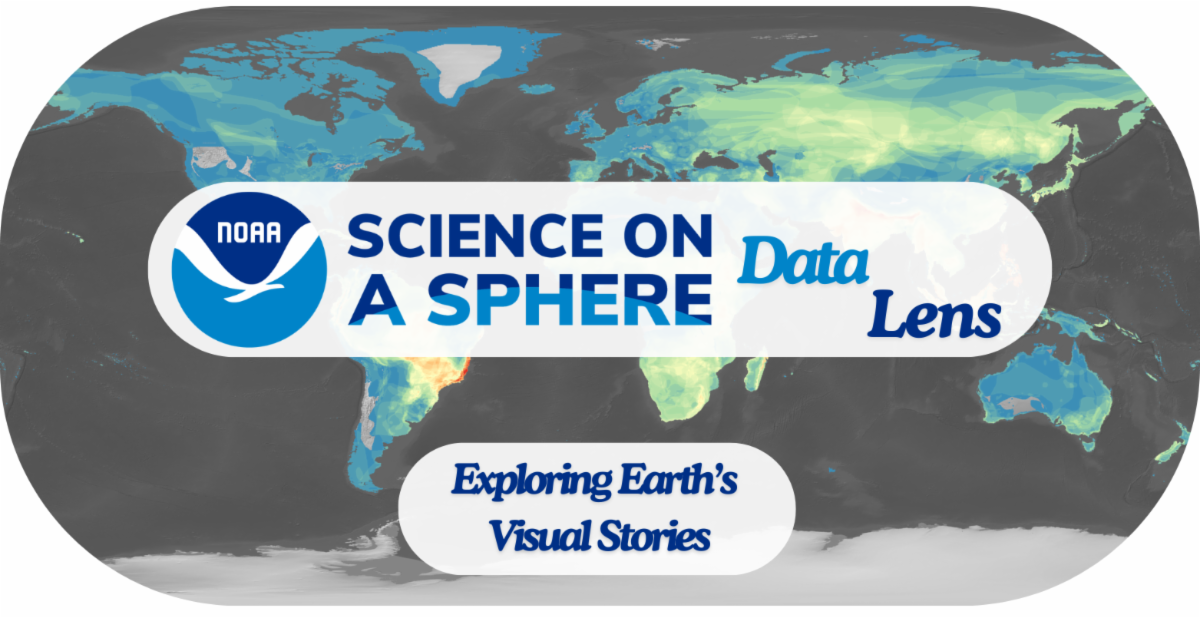
- Activity: NOAA's Science on a Sphere presents Data Lense
- Meet the CEEE Team: Patrick Chandler, Climate Education Specialist
- CEEE in the News!
- Upcoming CEEE Events
| |
We hope the school year has been off to a fantastic start. In this newsletter, we're thrilled to share a new collection of free resources designed to support teaching the new climate literacy principles in your classrooms. We're here to help you bring these resources into your classrooms and programs, and we can't wait to hear how you use them! As always, don't hesitate to contact us at ceee@colorado.edu for support, questions, or feedback! | |
|
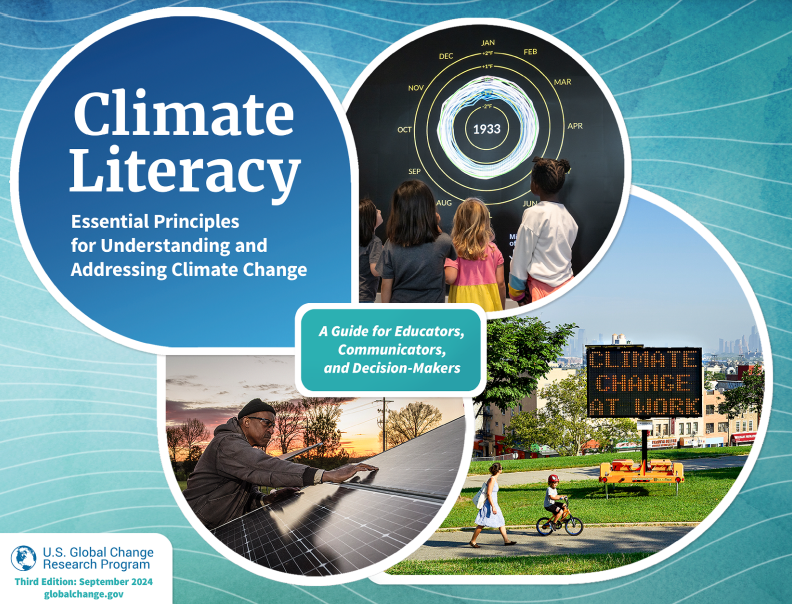
USGCRP, 2024: Climate Literacy: Essential Principles for Understanding and Addressing Climate Change.
U.S. Global Change Research Program, Washington, D.C., USA.
| |
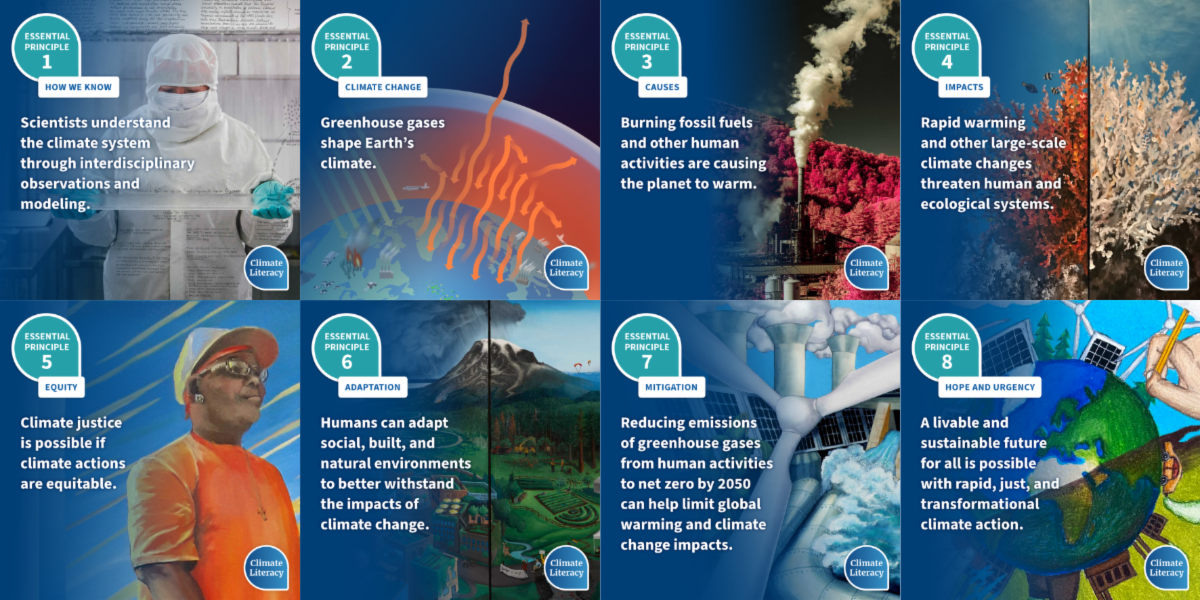
We’re excited to share that the 2024 Climate Literacy Guide is now available! This updated guide presents essential knowledge on Earth’s climate, climate change impacts, and solutions while focusing on climate justice and climate system science. The Climate Literacy and Energy Awareness Network (CLEAN), funded by NOAA and housed here at CEEE, played a key role in shaping this new edition. | |
Teaching Climate Science Principles Sequences | |
 | |
An understanding of Earth's climate system, including the natural and human-created factors that affect it, is vital for communities working to mitigate the impacts of climate change seen today and in the future. The National Oceanic and Atmospheric Association (NOAA) has developed the 7 Essential Principles of Climate Science to provide a framework for teaching the science behind climate change.
Several states have adopted climate change standards as a required part of their science curriculum (New Jersey, Washington, Colorado). The Colorado Seal of Climate Literacy is awarded to graduating students who demonstrate a mastery of climate science principles and who have completed an experiential learning project.
How can CEEE help?
We have combined our educator-developed and scientist-reviewed resources from CEEE in a sequence that leaves students inspired and ready to act in their communities.
Each sequence features:
- Real-world phenomena such as drought, wildfire, and flooding
- Authentic data provided by CIRES scientists
- Integrated solutions to inspire
| |
CLEAN has created a comprehensive guide that introduces each of the principles of addressing climate change in a sequence that illustrates different aspects of the human-climate system. Explore the CLEAN Guide to learn more about how to bring climate change topics into your Classroom! | |
|
Meet our Team! Patrick Chandler, CLEAN Education Specialist
| | |
|
|
Patrick Chandler is an Education Specialist for CLEAN and other CIRES climate education projects. His current focus is developing support and resources for teaching climate change across the curriculum in both science and non-science classrooms.
He has over fifteen years working in and developing environmental education, art, stewardship, and science programs and received his Ph.D. in Environmental Studies from CU, Boulder focused on art and science partnerships to catalyze community action on environmental and social justice issues.
| |
|
FREE Classroom Activity: Data Lens
Exploring Earth’s Visual Stories
| |
|
After researching arts-based approaches to science education, the NOAA Science On a Sphere team has developed a dynamic 10-20 minute activity aimed at engaging your students frequently in slow, thoughtful observation. These activities encourage critical thinking while gradually building data literacy skills, one step at a time.
Delivered straight to your inbox every other week, these consistent activities are easy to implement and keep students engaged with new maps and extensions—while reinforcing observation and interpretation skills that are essential for understanding complex data.
| |
CLEAN revitalizes climate education with new climate literacy principles | A day before Hurricane Helene barreled across the Gulf of Mexico toward the Florida coast, the federal government unveiled the 2024 Climate Literacy Guide, which summarizes the best practices on how to understand and address climate change, its unequal impacts, and a long list of possible solutions. | | | |
|
Upcoming Professional Development
Training provided by CIRES CEEE is free of charge.
| | |
|
|
Colorado Science Conference
October 25, 2024. 8 am - 4 pm MT located at CSU-Spur Denver, Colorado
Connect with the CEEE curriculum team at the 2024 Colorado Science Conference in Denver, CO! We will have a booth in collaboration with NOAA and sessions to explore resources including CLEAN, HEART Force, Data Puzzles, and Science on the Sphere!
| | |
|
|
Resilient Futures Teacher Workshop
November 1 - December 13
Join us for a free, 6-week NGSS-aligned course on natural hazards, featuring real Colorado case studies! From November 1st to December 13th, explore how you can teach your students about wildfires, floods, and droughts through hands-on projects while earning 2 continuing education credits from CU Boulder!
| | |
|
|
HEART Force Veteran Teacher Refresher Workshop
November 12, 2024, from 4:00-5:00 PM MT
Have you participated in a HEART Force workshop before? Would you like to learn about the latest developments in the program? Join us to explore new lessons that incorporate trauma-informed practices, activities that guide students toward action projects, and a lesson that helps students understand why certain populations may be more vulnerable to hazards.
| | |
|
|
Data Puzzle Webinar: Wind Farms of the Future
November 13, 2024, from 4:00-5:00 PM MT
Join CU Boulder curriculum developer Alyse Thurber as she guides participants through the "Wind Farms of the Future" Data Puzzle, a 2-day MS/HS lesson in which students explore where new wind farms should be constructed.
| | | | |