California’s
Napa County Resource Conservation District
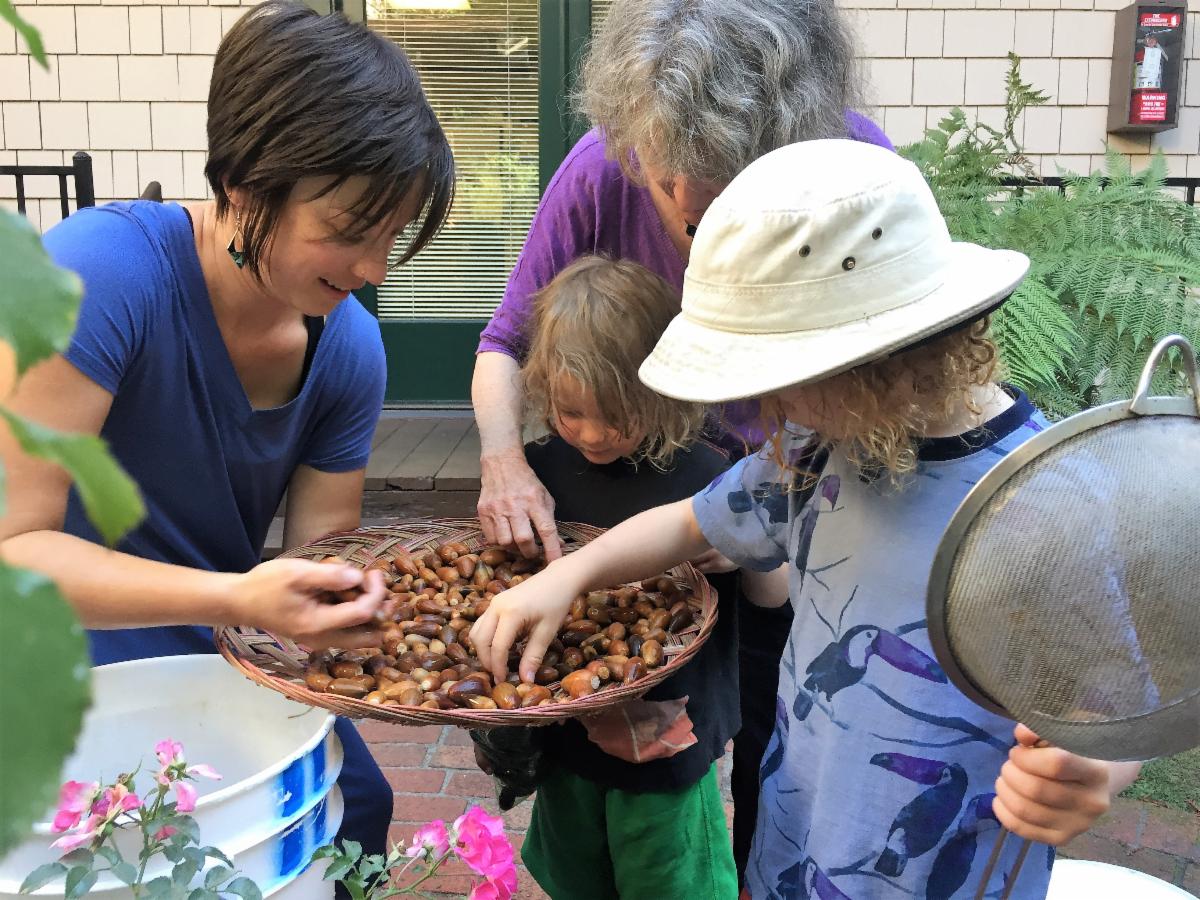
(RCD) is spearheading oak restoration efforts after its success in gaining volunteers and performing education outreach for its Acorns to Oaks program.
In the past seven years, the district has planted 5,105 acorns – many of which have taken root and grown – in 21 locations across Napa County. About 2,800 students and more than 700 volunteers have assisted in the program. Now, the district is branching out in the hopes of including more counties so that the effort may stretch, eventually, across the entire North Bay.
“We really want to promote education around oak woodlands,”
said Napa County RCD Program Director Frances Knapczyk
. “We want to get trees in the ground. One of the strongest goals is to have a viable valley oak population that produces the most benefits as possible for our ecosystem and for our neighboring wildlife.”
|
B
ONDED BY A LOVE FOR MANAGING THE LAND
|
Seven years ago, when the
LaGrange County Soil and Water Conservation District
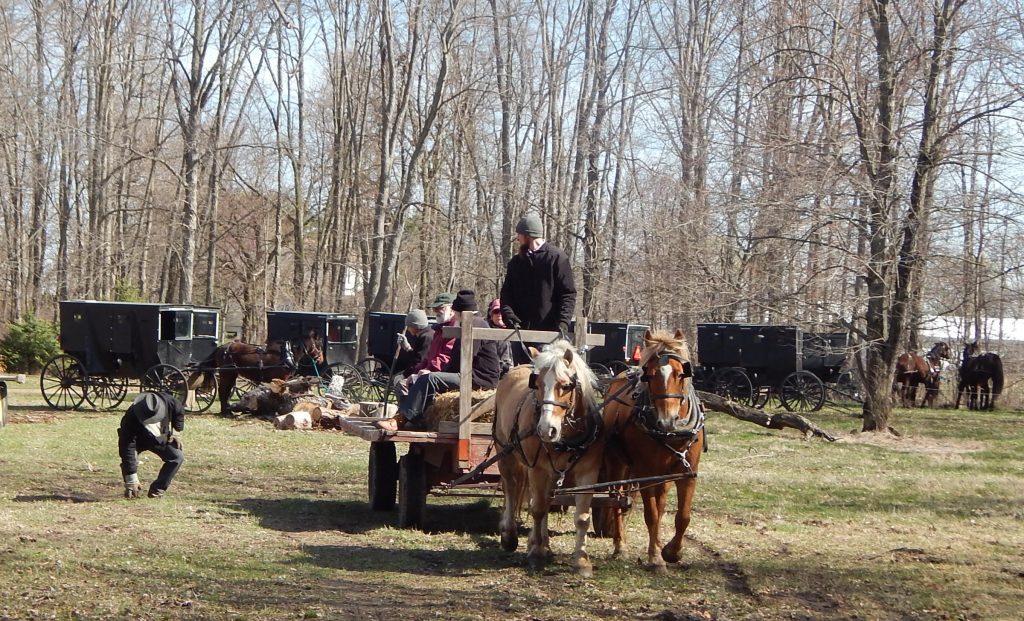
(SWCD) held a meeting with local landowners to discuss water quality issues in Indiana’s Little Elkhart River watershed, those in attendance had little to say. Many were Amish. Old Order Amish landowner
Monroe Raber
stepped forward.
“I told the guy if he needed a liaison, I could do that because I knew a lot of the bishops, so I started attending meetings,”
Raber said
. “It just seemed like it took off from there. There’s a lot more interaction now than there used to be.”
“In my dad’s time, there wouldn’t have been meetings like this.”
Today, Raber is an elected member of the SWCD Board, maintaining the Amish traditions while assisting his community in advancing conservation matters that affect everyone in the county.
The Amish community makes up more than 44 percent of LaGrange County – the third-largest Amish community in the United States – so working with them to address issues like getting cattle out of drainage ditches and managing forestland is critical.
|
WORKSHOP HELPS EXPAND THE NETWORK OF AGROFORESTRY TECHNICAL SERVICE PROVIDERS
|
In September, the Washington State University (WSU) Extension, Oregon State University (OSU), the
Pacific Northwest Agroforestry Working Group
, and the USDA National Agroforestry Center hosted a workshop for natural resource professionals in Spokane, Wash., that focused on agroforestry in the region. Participants were primarily staff from conservation districts, but also included private consultants, state agency staff and extension professionals. Workshop speakers included staff from the Natural Resources Conservation Service (NRCS), WSU Extension professionals, OSU faculty, U.S. Forest Service staff and employees from the Xerces Society for Invertebrate Conservation.
On the field day, participants visited
Lazy R Ranch
, a fourth-generation cattle and sheep ranch near Spokane that uses holistic grazing methods. Marketing Opportunities Organizer
Beth Robinette
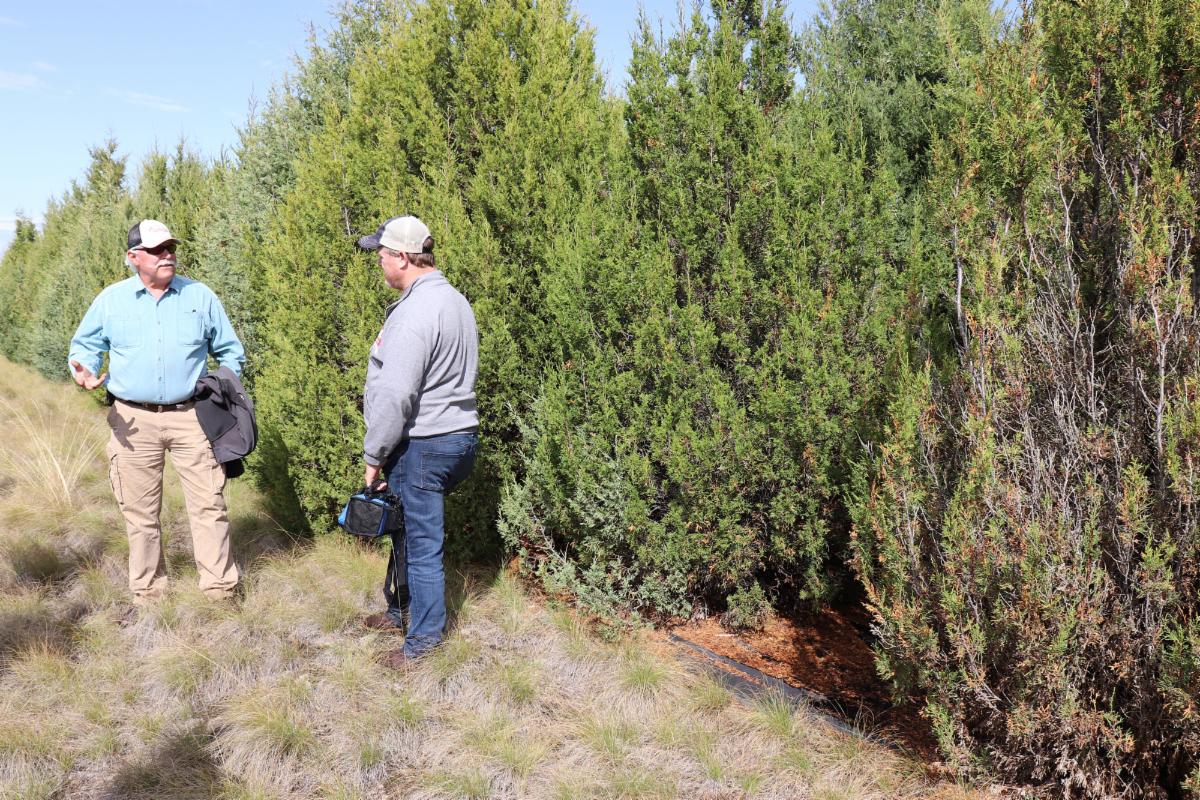
described how she manages her land, including the portions that are forested. The group had productive discussions related to soil health, hazardous fuels reduction, marketing, and forage production under different weather and climate conditions.
|
REGISTER TODAY: WEBINAR FOCUSES ON ENGAGING YOUR STATE FORESTRY AGENCY
|
The next NACD Urban and Community (U&C) Conservation webinar scheduled
a week early for
12:00 p.m.-1:00 p.m. Eastern, on
Nov. 14, 2019, will focus on engaging your state forestry agency.
Communications Director for the
National Association of State Foresters (NASF)
Whitney Forman-Cook will describe how state forestry agencies across the nation are working with conservation districts on community forestry issues, wildfire mitigation and more. Her presentation will focus on how this work is driven by state forest action plans and how conservation districts can participate in the 10-year revision of these plans, due in every state for federal review in June 2020.
Urban Forestry Coordinator
Rachel Ormseth from the South Dakota Department of Agriculture Resource Conservation and Forestry Division and
Cindy Zenk with the
South Dakota Association of Conservation Districts will share how they work together with the local conservation districts to address urban and community forestry concerns and assist implementation of projects in communities throughout the state.
These popular webinars, held on the third Thursday of each month, are sponsored by
The Scotts Miracle-Gro Foundation in partnership with the NACD Urban and Community Resource Policy Group. There is no cost to participate, but space is limited. Registration will be accepted on a first-come, first-serve basis.
|
|
Washington
Reducing wildfire risk in Kittitas County
This month, a series of machines worked through the forest near the Buffalo Springs area in Upper Kittitas County, in an effort to reduce fuels that contribute to wildfires.
The four-month project is being applied to approximately 120 acres of land managed by
The Nature Conservancy (TNC). TNC’s Director of Forest Restoration and Fire
Reese Lolley said the organization has restored approximately 550 acres of forest stand conditions within the Central Cascades since 2015.
Lolley said the work being done helps answer a question that has become more commonly asked as wildfire seasons become longer and more intense. In
an interview with the Yakima Herald,
Lolley asked, “How do we better put together treatments near communities that will help reduce the risk and make better situations for first responders, and for firefighters to manage fires?”
The effort aims to connect landowners with entities such as the Washington Department of Natural Resources and the
Kittitas Conservation District to not only create a healthier forest, but to have a plan of attack for wildfires when they happen.
|
Minnesota
SWCDs among presenters at forest collaborative workshop
The North Shore Forest Collaborative
hosted a landowner workshop on Oct. 11
to help private landowners along Lake Superior's North Shore learn how to revitalize and restore the forest on their property.
A large percentage of land on the North Shore is privately owned, and many landowners are concerned with the dying birch along the shore and want to improve the forest on their land for wildlife, beauty and water quality.
Mackenzie Hogfeldt
with the
Lake County Soil and Water Conservation District
(SWCD), and
Michaela Clingaman
with the
Cook County SWCD
discussed how landowners can work with their local soil and water conservation districts to help promote forest health.
|
Maine
MACD earns Austin Wilkins Forest Stewardship Award
Earlier this month,
Maine Governor Janet Mills
, Commissioner
Amanda Beal
and Maine Forest Service Director
Patty Cormier
, recognized the
Maine Association of Conservation Districts
(MACD) with the Austin Wilkins Forest Stewardship Award.
Established by the
Maine TREE Foundation
in 2004, and named after one of Maine's longest contributing professional foresters, the annual award is the only award in the state that recognizes stewardship of the working forest.
On Tuesday, Oct. 22, in Augusta, Maine, the award was presented to MACD President
Andrew Reed
and MACD Exective Director
Carol Weymouth.
“Our forests have always been —and will always be—at the core of Maine’s history and our future,”
Governor Mills said
. “Congratulations to the Maine Association of Conservation Districts on this well-deserved honor and on behalf of the people of Maine, thank you for all you do for our great state.”
MACD represents Maine’s 16 soil and water conservation districts. Maine districts offer annual tree and shrub sales to encourage property owners to plant more native vegetation, and several districts provide portable skidder bridges—with assistance from the Maine Forest Service—that allow loggers to cross wet areas without damage. Many Maine districts have active or retired foresters on their boards of supervisors.
|
Add your conservation district's tree sale, state association meeting, field day or celebration to NACD's calendar!
Click the button above to submit an event. Events will be reviewed by the website administrator and published to
NACD's online calendar when approved.
|
|